The premium car market has a new battleground that you can't see, but you can absolutely feel from the driver's seat. Active safety calibration. As mandated active safety hardware has become standard across the entire new car market, the difference between mainstream and luxury cars on a feature checklist has shrunk dramatically. So premium brands like Audi are now competing on how well those systems work, not whether they exist.
For Australian buyers, this matters more than the marketing suggests. Bad ADAS calibration is one of the most cited frustrations in real-world ownership of recent new cars, particularly from Chinese brands and some mainstream Japanese and Korean entries. Premium calibration costs money to do properly, and Audi is now leaning on that investment as a brand differentiator.
What Audi actually said
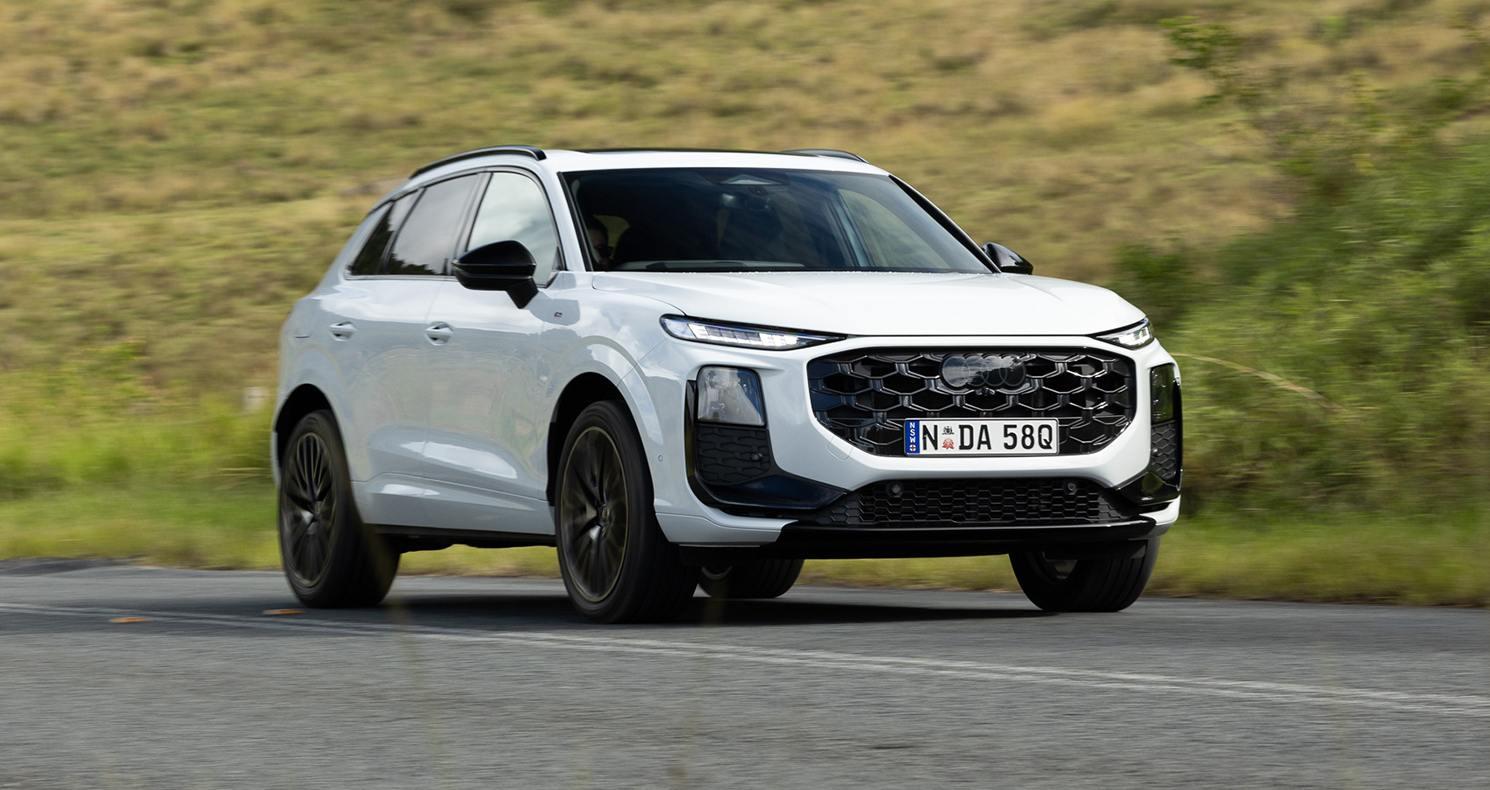
Audi has undertaken over 10,000km of advanced driver assistance system (ADAS) testing in Australia for the new Q3. The Q3 product manager Peter Strudwicke explained the rationale with a watch analogy. "Almost anyone can build a nice watch for $300, but to get a really good watch you have got to invest quite a lot extra, it's all about the one percenters."
Strudwicke went further. "And we have a lot of those that we apply to all the cars we develop. Eighty percent good is not good enough."
The principle is that Audi is so serious about ADAS quality that it would rather not offer a feature at all if it cannot be properly calibrated. "It's the depth of engineering. It's integral to the whole company, they won't sign something off if it's just good enough, it needs to meet quite a high standard," Strudwicke said. "It's one of the reasons why we didn't have traffic sign recognition. We wanted it for years. We got it quite late because the engineers weren't comfortable with how the technology was and how it read Australian traffic signs."
This is the right product philosophy. Most modern frustrations with new cars trace to half-baked ADAS implementations. Traffic sign recognition that incorrectly reads 60 zones as 100 zones. Lane keep assist that pulls the steering wheel against the driver in roadworks. Speed sign-based audible warnings that ping incessantly during ordinary highway driving. All of these are features manufacturers should not have launched without proper calibration.
Why Australian-specific calibration matters
Matthew Dale, head of product planning for Audi in Australia, expanded on the Australian-specific work. "We do all local tuning and testing for ADAS systems, and traffic sign recognition was certainly one of them that we did. With, say the A5, we brought those cars here, a fleet of them, with the latest ADAS systems, with speed sign recognition and things like that, to refine that for the Australian market."
Dale highlighted something most buyers don't realise. Australian-specific work doesn't just stay in Australia. "Pete mentioned an example before where we've got some unique scenarios in Australia that the tuning of the ADAS systems has been tuned for the Australian market, but that tuning's gone global. Tuning ADAS systems for tunnels, as an example. We've done over 11,000km of testing quite recently for next generation ADAS systems."
The takeaway is that Australian driving conditions are unusual enough to provide useful global engineering input. Audi's Australian operation is genuinely respected within the global Audi product organisation. That isn't true for every brand operating locally. Some Chinese and even some mainstream Western brands deliver Australian-market vehicles with calibration done overseas that doesn't account for the specific Australian conditions properly.
What this means in real driving
Dale's broader point is worth repeating. "When you drive a car, people like me enjoy driving the car. For some people it's an A to B, but you've still got to have enjoyment in a comfortable environment without the car taking over the inputs of the driver and making it a very comfortable drive. And that's, I guess, where a premium product is meant to be, is it's meant to feel like a premium space and something that's not intrusive."
The word that matters there is "intrusive." The single most common ADAS complaint is that the systems are intrusive. They warn when no warning is needed. They intervene when no intervention is needed. They override the driver in situations where the driver is making the right call. That intrusion erodes the premium experience that buyers pay for.
Properly calibrated ADAS is essentially invisible most of the time. It works in the background and only intervenes when needed. That is the difference Strudwicke and Dale are talking about.
How buyers can test ADAS quality before buying
When shopping a premium car, the ADAS test drive matters as much as the chassis test drive. Some practical tests to run.
Drive at posted speed on a road with frequent speed limit changes. Note how often the audible warnings ping incorrectly. Drive through a roadworks section with shifted lanes. Note whether the lane keep assist fights the driver. Drive in heavy rain at night. Note how the adaptive headlights and pedestrian detection behave.
If any of these tests produce constant nagging or aggressive intervention, the ADAS calibration on that car is below the premium standard. Look at other options.
What this means for non-Audi premium buyers
Mercedes-Benz, BMW and Audi all invest heavily in ADAS calibration. The differences between the three are subtle but real. Mercedes traditionally leans toward conservative intervention. BMW favours minimal driver disruption. Audi sits between the two, with the specific Australian calibration work Strudwicke and Dale describe pushing the brand closer to BMW's philosophy.
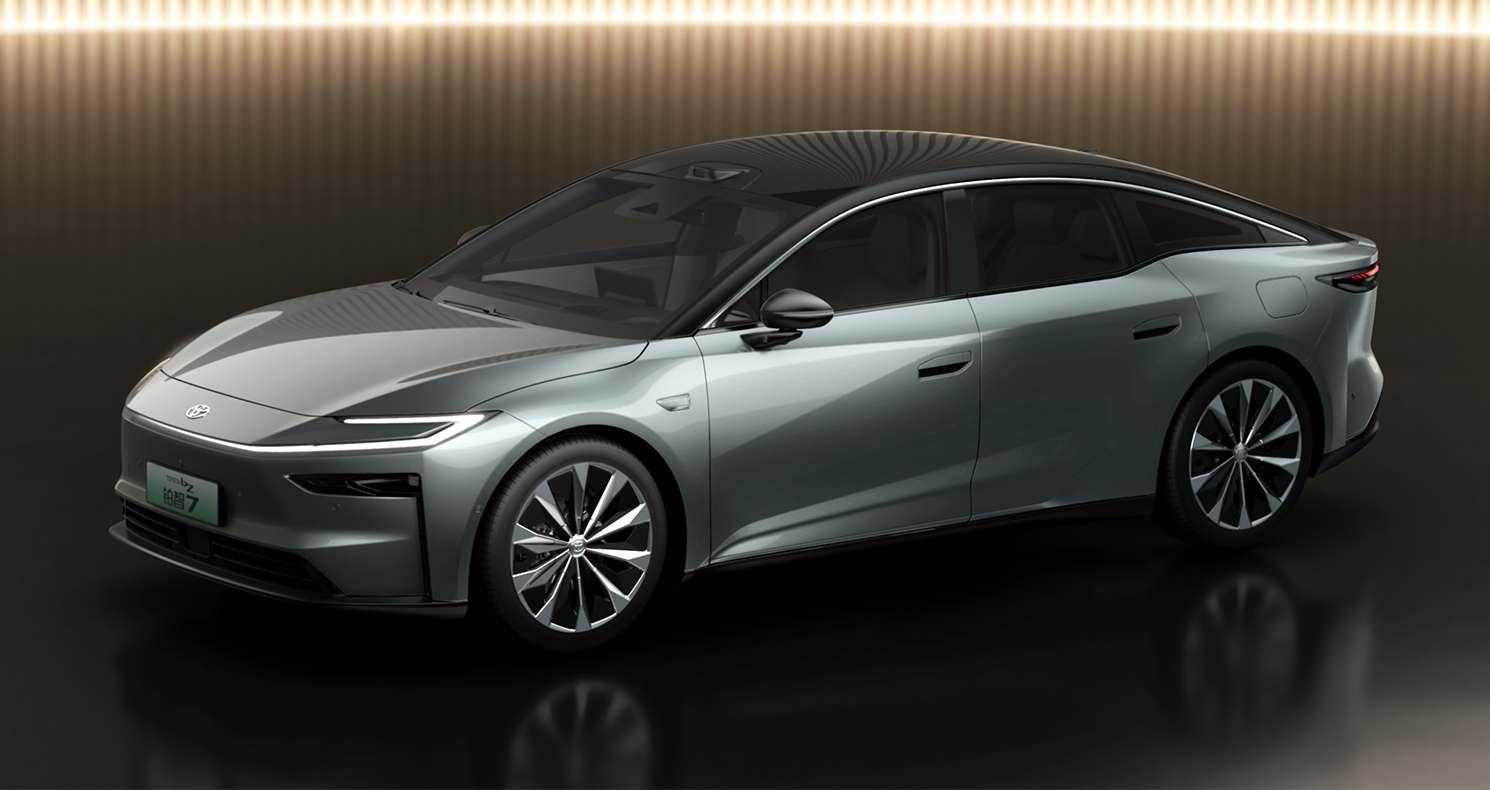
Chinese premium brands like Zeekr, Avatr and Hongqi are now competing in similar price brackets. Their ADAS hardware is usually as comprehensive as the German brands. Their calibration is often less mature. For Australian buyers, this is worth factoring into the cross-shop calculation. A Zeekr 7X is technically capable but may deliver a less polished ADAS experience than an equivalent Audi or BMW until the brand invests in Australian-specific calibration work.
Carseekers tracks every premium SUV launch and pricing decision across Australia. ADAS calibration quality is increasingly the differentiator that separates real premium products from premium-priced products that have skipped the proper engineering work.
Considering finance for your next car? Loanseekers can help you explore car loan options.
The finer details
Your questions answered.
Why does Audi do ADAS testing in Australia?
Audi has done over 10,000km of Australian-specific ADAS testing because Australian driving conditions, road markings, traffic sign formats and tunnel designs differ from European norms. Local calibration ensures systems work properly without nagging drivers or intervening incorrectly.
What is ADAS calibration and why does it matter?
ADAS calibration is the tuning of active safety systems for specific driving conditions. Poorly calibrated systems generate false warnings, intervene incorrectly, or fight against the driver. Properly calibrated systems work invisibly in the background and only intervene when needed. Calibration quality varies enormously between brands.
Why didn't Audi offer traffic sign recognition earlier?
Audi product manager Peter Strudwicke confirmed Audi delayed offering traffic sign recognition because the engineers weren't comfortable with how the technology read Australian traffic signs. The brand only launched the feature once it met Audi's accuracy threshold.
How do I test ADAS quality before buying a car?
Drive at posted speed on roads with frequent limit changes and note false warnings. Drive through roadworks with shifted lanes and check whether lane keep assist fights you. Drive in heavy rain at night and observe adaptive headlight and pedestrian detection behaviour. Constant nagging or aggressive intervention indicates poor calibration.
How does the Audi Q3 compare to the BMW X1 on safety?
Both cars meet five-star ANCAP safety standards and offer comprehensive active safety hardware. The Audi Q3 benefits from over 10,000km of Australian-specific ADAS calibration. The BMW X1 has BMW's traditional approach to minimal driver disruption. Either is a strong premium SUV choice on safety.
Why is ADAS quality important in premium cars?
As mandatory active safety hardware has become standard across all new cars, the hardware checklist no longer differentiates premium from mainstream. Calibration quality, intrusion level and overall driving feel are now the differentiators. Buyers paying premium prices should expect calibration to match the price tag.