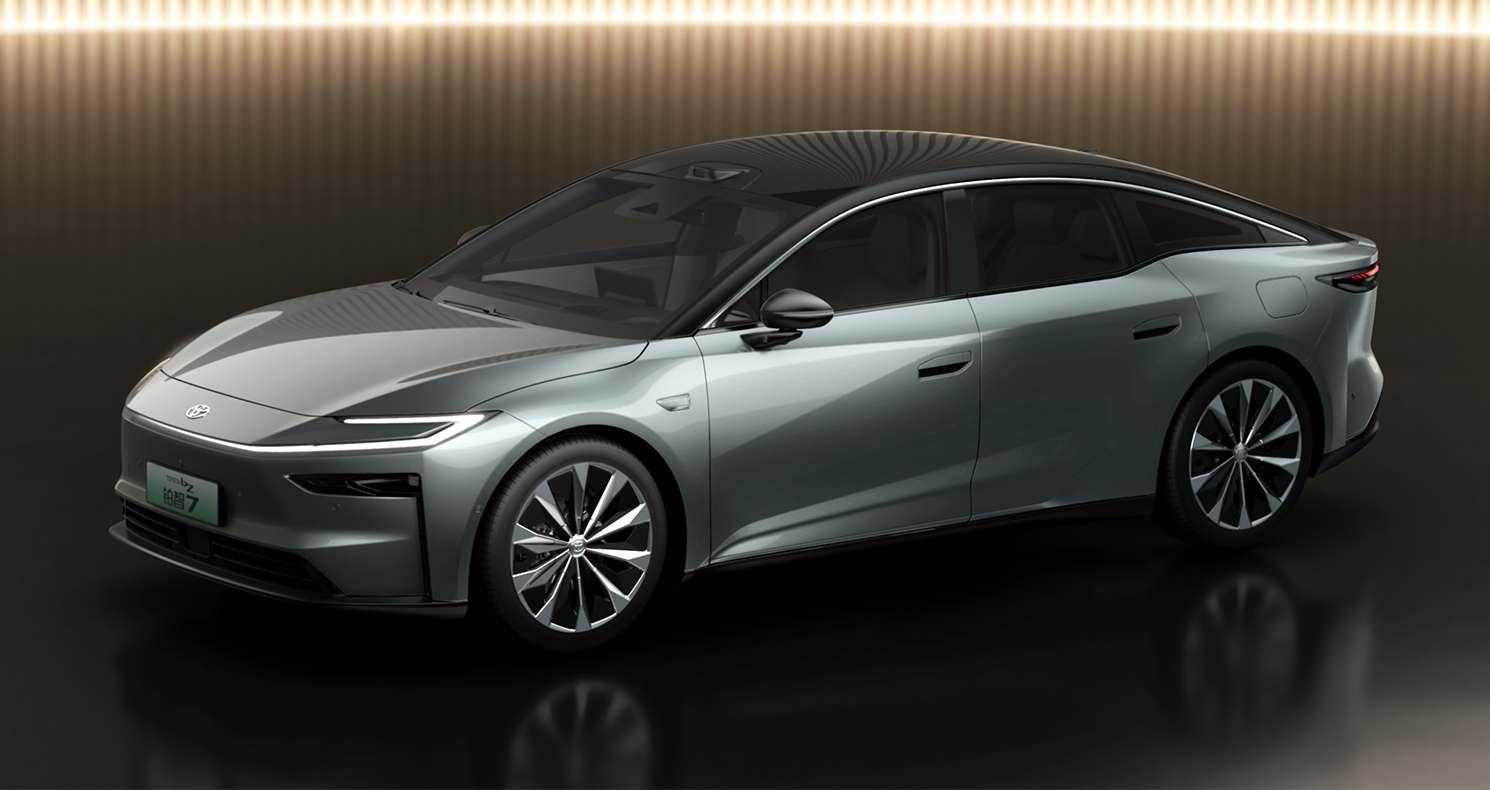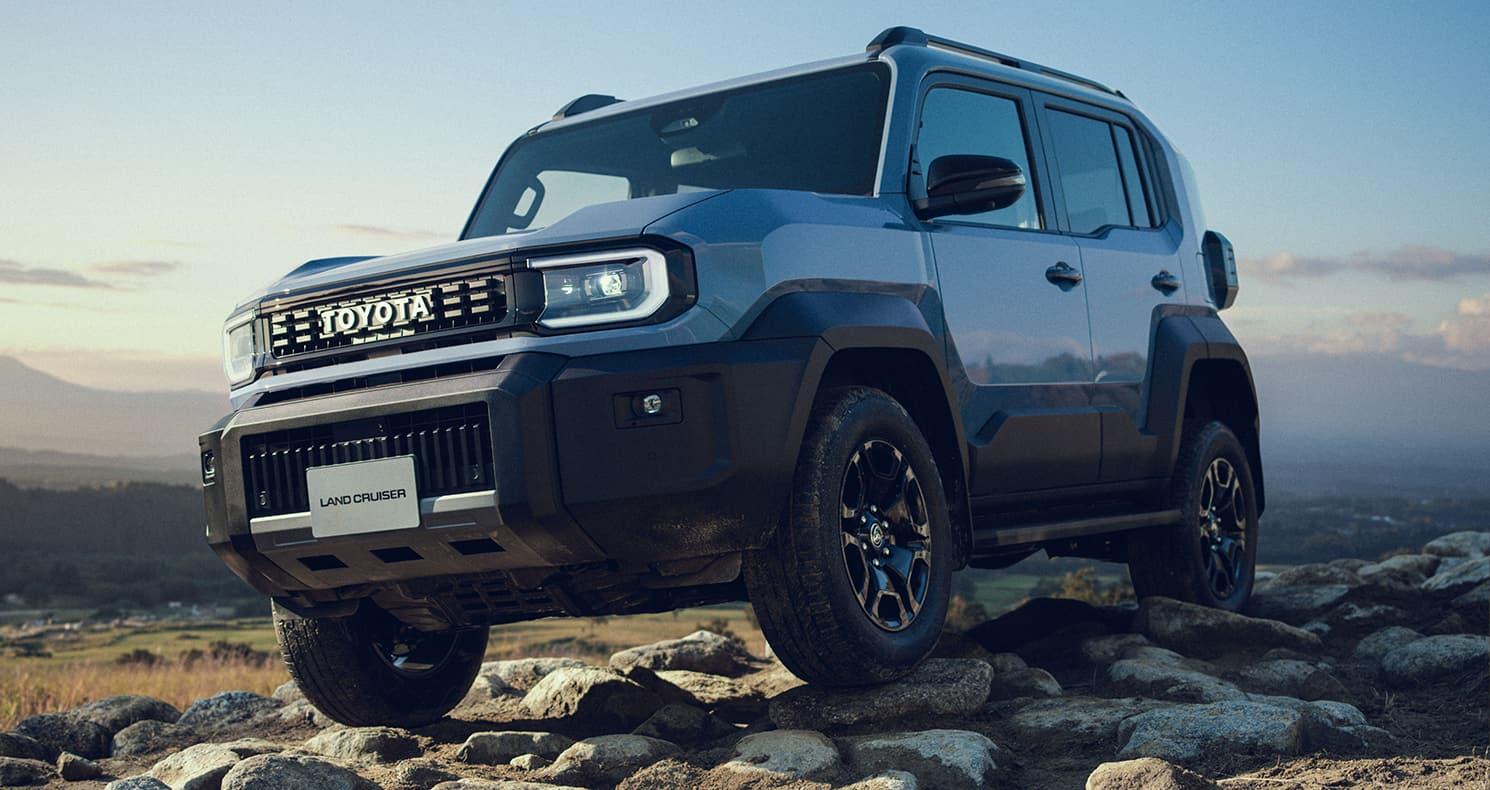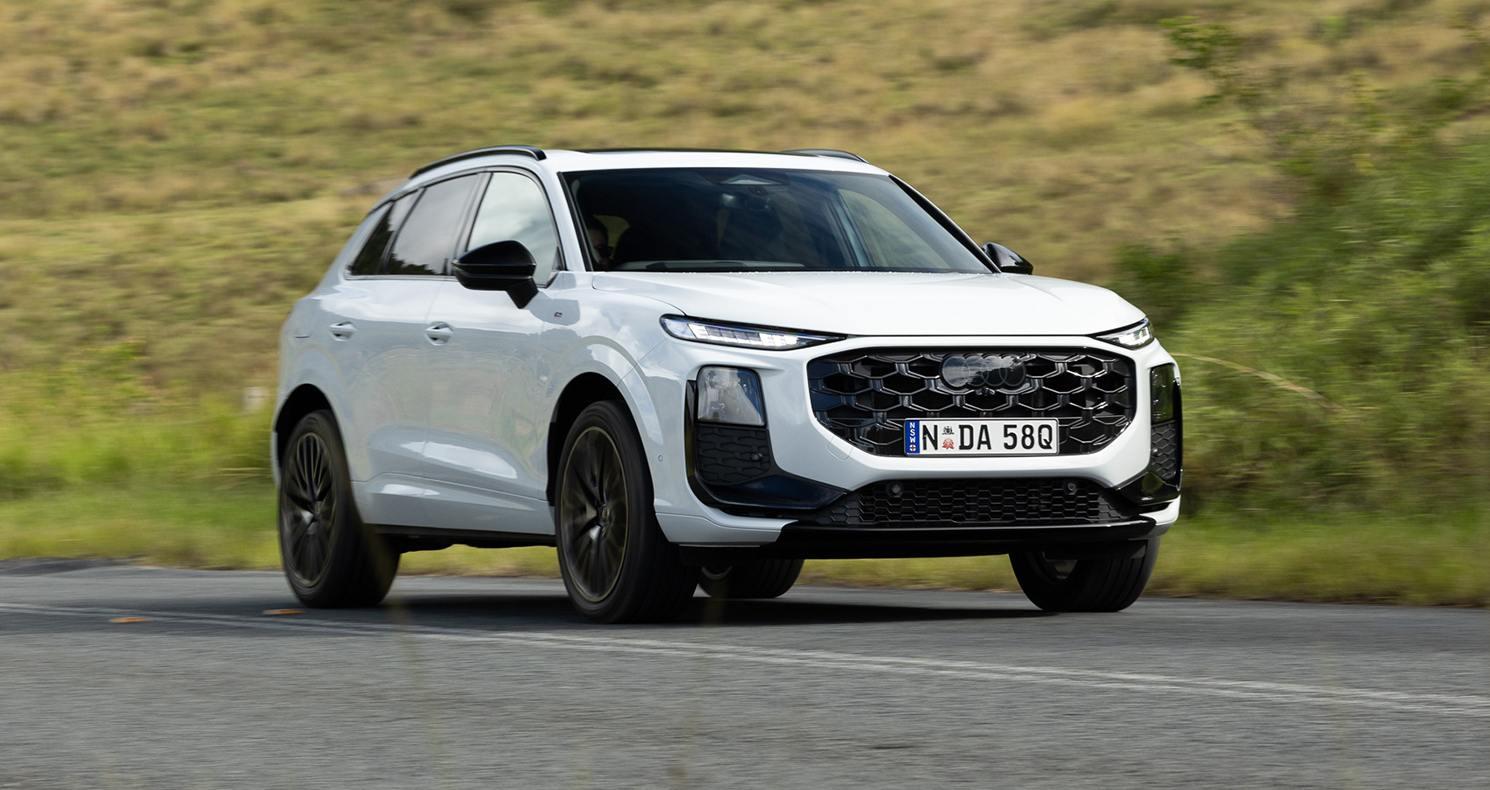

Five years ago, you could count the number of EVs available in Australia under $60,000 on two hands. Today, there are more than triple that number. The influx of Chinese brands like BYD, Chery, Zeekr and Leapmotor, combined with competitive new entries from Kia, Toyota, Volkswagen and Volvo, has transformed this part of the market beyond recognition.
If you're considering making the switch to electric, the options have never been better or more affordable.
The Big News
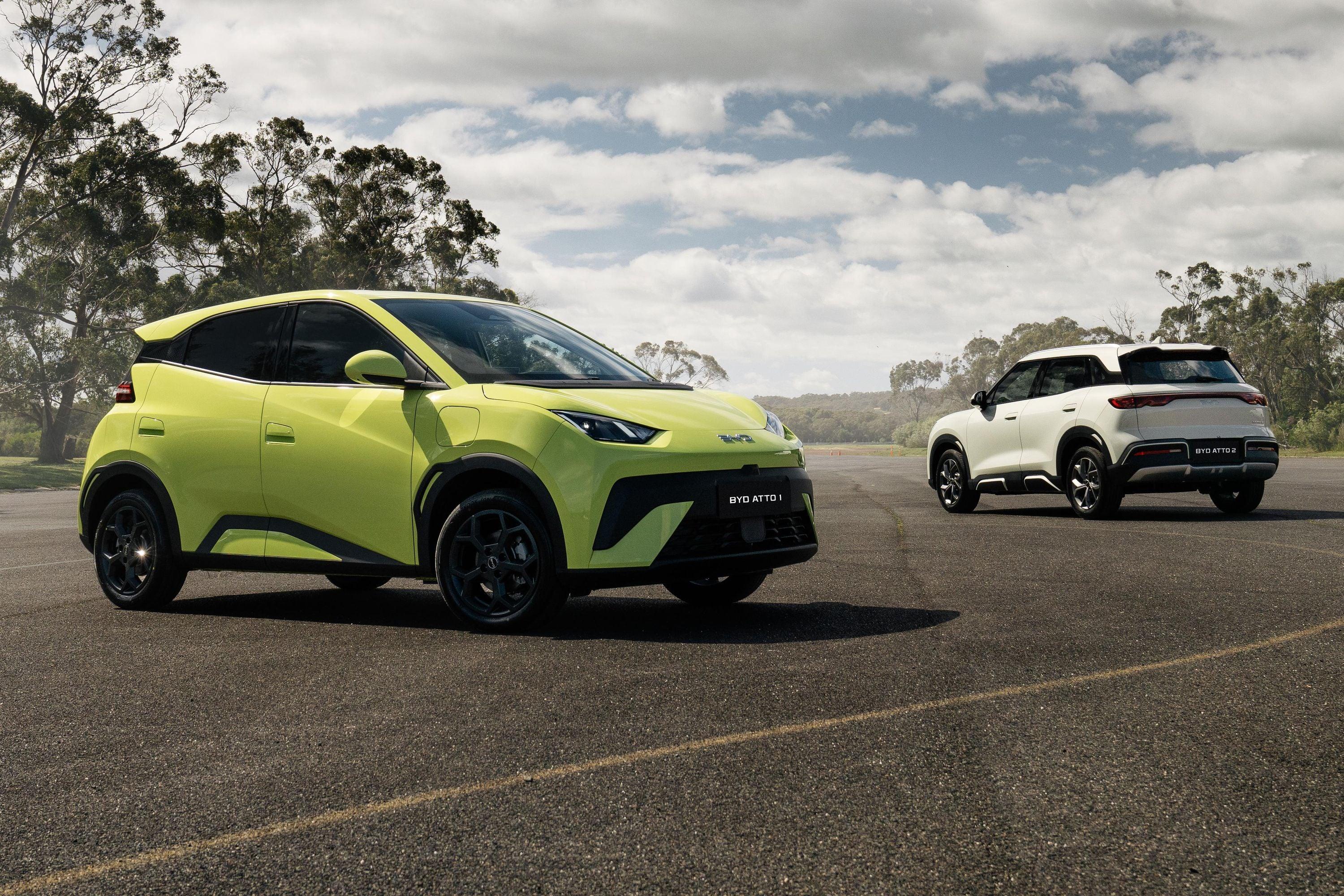
The sub-$60,000 EV segment now includes everything from the $24,000 BYD Atto 1 city car to practical SUVs like the Skoda Elroq and Toyota bZ4X, performance-oriented hatches like the MG4 XPower, quirky city cars like the Fiat 500e and Abarth 500e, and even an electric ute in the form of the KGM Musso EV.
The BYD Atto 1 has reset expectations for entry-level EV pricing. At $24,000, it undercuts almost every new car on the market regardless of powertrain. With 220km of range and a full suite of modern technology, it makes a compelling case as a second family car for school runs, commutes and local errands.
At the other end of the sub-$60,000 range, the Skoda Elroq offers the kind of practical, well-built SUV packaging that Skoda is known for. The Kia EV4 brings sharp design and Kia's industry-leading seven-year warranty into the electric sedan space. And the MG4 Excite 51 delivers rear-wheel-drive fun and 350km of range from just $37,990 driveaway.
Pre-facelift Hyundai Ioniq 6 stock is also available with discounts of up to $35,000 on MY23 vehicles, though buyers should factor in the older model year when considering resale value down the track.
How This Affects Pricing
The flood of new EVs in this price bracket has created serious downward pressure on pricing. Brands are competing aggressively for market share, which means buyers have more leverage than ever.
Chinese brands in particular are willing to accept thin margins to establish themselves. That competitive pressure flows through to established manufacturers like Kia, Hyundai and Toyota, who have responded with their own driveaway campaigns and bonus offers.
This is a buyer's market. If you're shopping for an EV under $60,000, you should be getting multiple quotes and playing offers against each other. Dealers in this segment know that the buyer who walks out the door is probably walking into a competitor's showroom down the road.
Buying Strategy
The best time to buy a new EV in this segment is when manufacturer promotional campaigns align with dealer targets. In Australia, that typically means end-of-quarter months (March, June, September, December) and especially end-of-financial-year in June.
Watch for runout deals on current-model-year stock. As new models and facelifts arrive, dealers need to clear existing inventory. The Hyundai Ioniq 6 discounts mentioned above are a perfect example of this dynamic in action.
If you're not in a hurry, monitor pricing for two to three months before committing. The sub-$60,000 EV market is so competitive that new driveaway campaigns appear almost monthly.
Also check your state's EV incentive programs. Several Australian states and territories offer stamp duty exemptions, registration discounts or other financial incentives for zero-emission vehicles. These can shave thousands off your purchase price.
How to Play This Right
Start by getting competitive quotes through Carseekers. Having written offers from multiple dealers gives you a strong negotiating position from the outset.
Don't fixate on one model. In this segment, the differences between competing EVs are often smaller than the differences between deals. A $3,000 better offer on an MG4 might represent better value than a $1,000 discount on a bZ4X, even if the Toyota was your first choice.
Ask about home charging installation packages. Some dealers bundle discounted or free home charger installation with EV purchases, and this can represent $1,500 to $3,000 in additional value.
Factor in running costs when comparing against petrol alternatives. An EV charged at home on off-peak electricity can cost as little as $3 to $5 per 100km, compared with $12 to $18 for an equivalent petrol car. Over five years and 75,000km, that adds up to serious savings.
What You Should Do Next
The sub-$60,000 EV market in Australia is in a golden period for buyers. Competition is fierce, pricing is falling, and the variety of available models covers almost every need from city commuting to family hauling.
Don't wait for the perfect time. The perfect time is when you find the right deal on the right car. Start comparing through Carseekers and take advantage of the most competitive EV pricing Australia has ever seen.
Considering finance for your next car? Loanseekers can help you explore car loan options.
The finer details
Your questions answered.
What are the best electric cars under $60,000 in Australia in 2026?
The strongest EVs under $60,000 in Australia right now include the BYD Atto 5, Tesla Model 3 Long Range, Kia EV6 Standard Range, MG 4 EV Long Range, and GWM Ora 5. The BYD and MG offer the most features per dollar. The Tesla and Kia offer stronger resale values and more established charging infrastructure support.
Which electric car under $60,000 has the best range in Australia?
The Tesla Model 3 Long Range AWD leads real-world range in the sub-$60,000 category with over 580km. The BYD Atto 5 long-range variant and Kia EV6 Standard Range are strong second options. Real-world range figures vary by speed and temperature; apply a 10 to 15 percent discount to WLTP figures for Australian highway driving.
Is it worth paying extra for the BYD Atto 5 over the MG 4 under $60,000?
The BYD Atto 5 is a larger SUV format versus the MG 4's hatchback format, making direct comparison less straightforward. For buyers who need more cabin space, the Atto 5 justifies its premium. For buyers who prioritise value in the smaller format, the MG 4 Long Range delivers excellent specifications at its price point.
Do any electric cars under $60,000 qualify for FBT exemption in Australia?
Yes. EVs under the luxury car tax threshold priced below approximately $91,000 and used at least partly for business purposes through novated leasing may qualify for the federal FBT EV concession. At the sub-$60,000 price point, most of the models listed qualify. Confirm eligibility with your employer's salary packaging provider.
How reliable are Chinese-brand EVs under $60,000 in Australia?
Established Chinese brands including BYD, MG, and GWM have accumulated two to four years of Australian ownership data showing broadly acceptable reliability for mainstream use. The five-year warranties provide practical coverage against early failures. Long-term data beyond five years is still limited compared to Japanese brands.
Should I buy an EV under $60,000 now or wait for prices to fall further?
EV prices have stabilised in the sub-$60,000 segment after significant falls in 2024 and 2025. Further dramatic price drops are unlikely in the short term. If the car meets your needs and you have home charging, buying in 2026 is rational. Waiting for marginal further discounts risks missing the depreciation benefit of buying in the current window.