
The mid-size SUV segment is the single largest category in the Australian new car market. It accounts for roughly a quarter of all new vehicles sold, and for good reason. These are the default family cars of 2026, offering the combination of space, comfort, safety and versatility that most households need.
But with more than 30 models available under $60,000, the choice can be paralysing. Here's how to narrow it down.
The Rundown
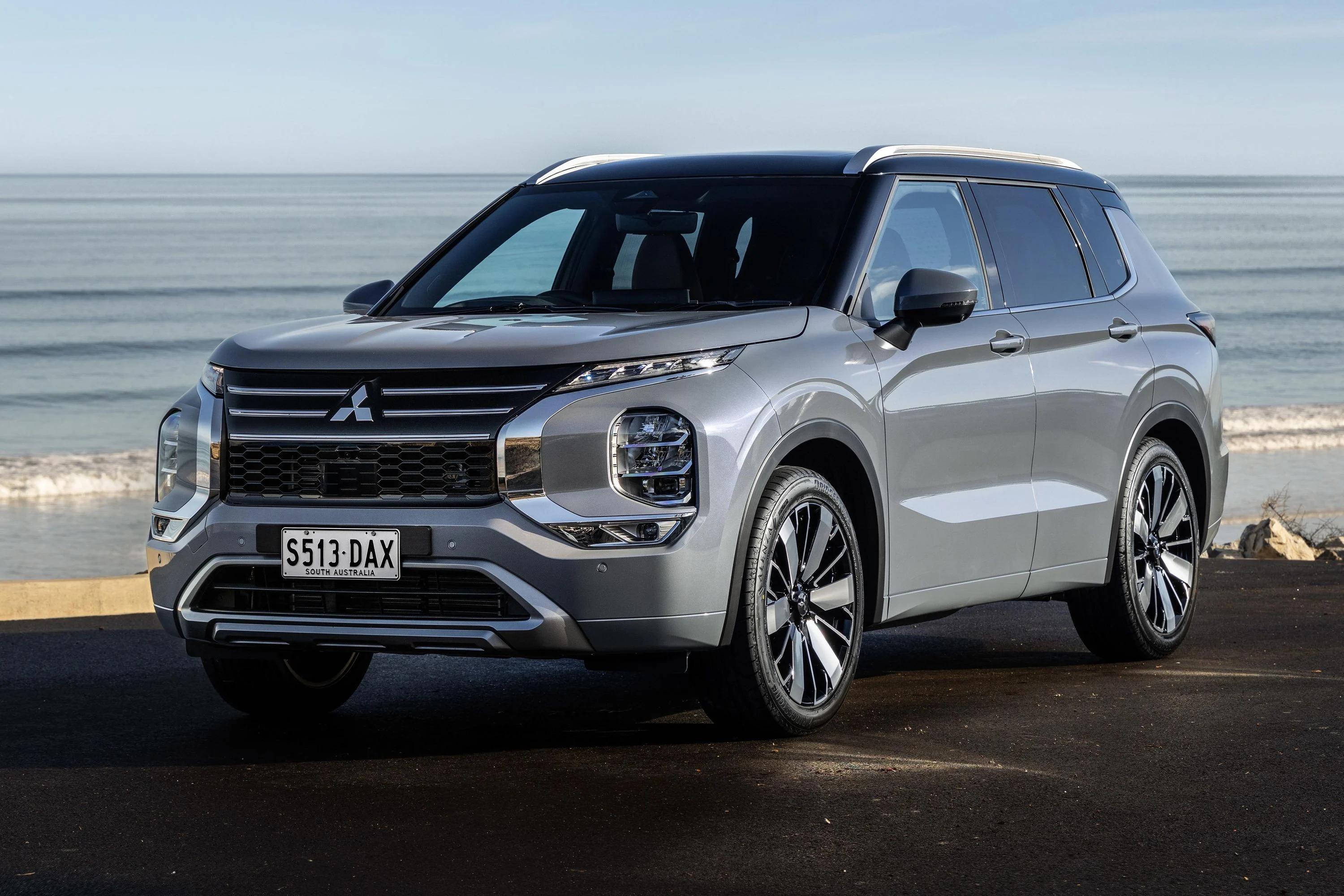
The mid-size SUV segment is stacked with strong options from mainstream brands. The Hyundai Tucson, Kia Sportage, Toyota RAV4, Honda CR-V, Mazda CX-5, Volkswagen Tiguan, Nissan X-Trail and Mitsubishi Outlander all compete for the same buyer. Chinese brands like BYD, Chery and Zeekr have also entered the fray with competitive pricing and loaded specifications.
Then there are the wildcards. The Tesla Model Y competes in this segment and brings a unique proposition with its Full Self-Driving technology and access to Australia's best EV charging network. The Skoda Karoq offers Volkswagen Group engineering at a lower price with a seven-year warranty. The Subaru Forester continues to deliver strong all-wheel-drive capability for buyers who regularly leave the bitumen.
Among the highlights, the Hyundai Tucson Hybrid stands out for its combination of fuel efficiency, interior quality and equipment levels. In Premium trim, it sits just under $60,000 and delivers everything most families could want. The hybrid powertrain is punchy and returns genuinely low fuel consumption in real-world conditions.
The Kia Sportage remains the only mainstream mid-size SUV still offering a diesel engine under $60,000, making it the pick for rural buyers who cover long distances and want maximum range from a single tank. The top-spec GT-Line diesel with all-wheel drive comes in at $56,900 before on-road costs. However, the next-generation Sportage is expected to drop diesel entirely, so buyers who want this combination should act before current stock runs out.
The Honda CR-V hybrid, currently advertised at $56,990 driveaway, delivers strong packaging with more rear seat and boot space than the Nissan X-Trail, better real-world fuel economy, and fixed $199 servicing costs that keep long-term ownership affordable.
What This Means for You
The sheer number of competitors in this segment is your greatest advantage. When 30-plus models fight for the same buyer, nobody has pricing power. Dealers know that if they don't sharpen their pencil, you'll walk across the road to a competitor offering something equally good.
This is particularly true for Chinese brands entering the segment. BYD, Chery and Zeekr are aggressively pricing their SUVs to win market share, and that competitive pressure flows upward to established brands. Even Toyota and Hyundai have had to respond with stronger driveaway campaigns to protect their positions.
Hybrid models are now available from most major brands in this segment, and they represent the sweet spot for value. The fuel savings over a five-year ownership period are meaningful, particularly for buyers covering more than 15,000km per year.
Timing Your Move
The mid-size SUV segment sees the strongest promotional activity in the final month of each quarter. March and June are historically the best months for buyer leverage, as dealers push to hit cumulative targets.
Model year changeovers also create opportunities. The Kia Sportage is approaching a generational change, which means current-generation stock will attract sharper pricing as the transition date nears. The Mazda CX-5 is in the same position, with its next-generation model expected mid-2026.
If you're considering the Honda CR-V, an updated version with available all-wheel drive and improved efficiency is on the horizon. You can either wait for the new model or use its imminent arrival as leverage to negotiate a stronger deal on current stock.
The Tesla Model Y is worth monitoring during periods when Tesla runs its periodic price adjustments. The brand doesn't negotiate through traditional dealer channels, but its direct-to-consumer pricing fluctuates more frequently than most buyers realise.
Smart Buyer Moves
Get quotes from at least three competing models through Carseekers before setting foot in any showroom. In this segment, the power belongs to the buyer who arrives with data.
Cross-shop deliberately between brands. If you're considering a Tucson, also quote the Sportage, CR-V and RAV4. Present each brand's best offer to the others and let them compete. In a segment this crowded, dealers will fight to close the sale.
Ask about total cost of ownership, not just the purchase price. Servicing costs, fuel consumption, insurance group ratings and warranty length all affect what you'll spend over five years. The cheapest purchase price doesn't always equal the cheapest car to own.
If you can be flexible on colour and variant, make that clear to the dealer. Stock that's already on the lot is cheaper for the dealer to sell than a factory order, and they'll reflect that in the price.
Final Word
The mid-size SUV segment under $60,000 is the most competitive corner of the Australian new car market. Use that competition ruthlessly. Get multiple quotes, cross-shop between brands, time your purchase around quarterly targets, and don't be afraid to walk away. The next dealer down the road is already sharpening their offer. Start comparing through Carseekers and take control of the process.
Considering finance for your next car? Loanseekers can help you explore car loan options.
The finer details
Your questions answered.
What are the best mid-size SUVs under $60,000 in Australia in 2026?
The top mid-size SUV options under $60,000 in Australia include the Toyota RAV4 hybrid, Hyundai Tucson hybrid, Mazda CX-5, GWM Haval H6 hybrid, Kia Sportage hybrid, and Mitsubishi Outlander PHEV. The RAV4 hybrid and Tucson hybrid lead on running cost efficiency; the CX-5 leads on driving refinement; the H6 leads on features per dollar.
Is the Toyota RAV4 still the best mid-size SUV in Australia?
The RAV4 remains the market leader on resale value and dealer support, but it no longer dominates on value. The Hyundai Tucson hybrid matches it on running costs with better warranty terms. The GWM Haval H6 hybrid undercuts it significantly on price with comparable features. The RAV4's advantage is its proven long-term reliability and resale strength.
Should I buy a hybrid mid-size SUV or a petrol one in Australia in 2026?
For buyers driving more than 12,000km per year in mixed city and highway conditions, the hybrid variants of the RAV4, Tucson, or CX-5 payback their price premium within three to four years. For buyers under 10,000km per year or predominantly highway driving, the payback period extends and the petrol option becomes more competitive.
Is the GWM Haval H6 hybrid a credible alternative to the Toyota RAV4 hybrid?
Yes. The H6 hybrid delivers comparable fuel economy, more standard features, and a lower price than the RAV4 hybrid. The RAV4 retains its advantage on resale value and dealer network strength. For buyers who hold cars for five or more years and are comfortable with a Chinese brand, the H6 hybrid represents strong value.
What is the best AWD mid-size SUV under $60,000 in Australia?
The Toyota RAV4 AWD hybrid, Subaru Forester Hybrid, and Mazda CX-5 AWD are the strongest all-wheel-drive mid-size SUVs under $60,000 for buyers who need genuine AWD capability. The Subaru is the most capable on unsealed roads; the RAV4 and CX-5 offer a better on-road balance.
How do I negotiate the best price on a mid-size SUV in Australia?
Get competing quotes in writing from at least two brands — for example, RAV4 vs Tucson or CX-5 vs H6 — and present them to your preferred dealer. Ask specifically for the best drive-away price on in-stock cars. End of quarter in June, September, and December offers the best negotiating environment. Avoid accepting add-ons like paint protection and window tinting at dealer pricing.