The Australian sedan segment has been on a long, slow decline. In 2016, the Toyota Camry was the fifth best-selling car in the country. Fast forward to 2025, the Camry was the 35th best-selling car. The Holden Commodore, sixth on the 2016 chart, was nowhere to be seen.
In 2026, mid-size sedans have managed under 10,000 total Australian sales year-to-date, against almost 100,000 sales for mid-size SUVs. The market has spoken, and it bought a higher seating position with a hatchback boot.
And yet, sedan sales are arguably about to plateau and even grow again, propped up almost entirely by Chinese-built electric and plug-in hybrid options that did not exist three years ago. Carseekers thinks the dynamic is genuinely interesting, because it suggests there is still a sedan-buying audience in Australia. They just want a different sedan than the one Toyota and Mazda have been selling for the past decade.
The Camry's dominant but shrinking lead
The Toyota Camry remains the dominant sedan in Australia, holding nearly 70 per cent of the mid-size sedan-only segment. That sounds great until you remember the segment itself has collapsed. 70 per cent of a small market is still a small absolute number.
The current-generation Camry, which is offered exclusively as a hybrid in Australia, is the right car for the loyal sedan buyer who has been with the badge for years. It is comfortable, efficient, well-priced, and backed by Toyota's unrivalled local dealer network and resale value story. It is also conservative in design and conservative in cabin technology, which is exactly what its loyal audience wants.
Where the Camry is now vulnerable is the new buyer who is open to a sedan but does not have a Toyota allegiance. That buyer is increasingly looking at the BYD Seal, the new Seal 6 plug-in hybrid, the Tesla Model 3, the upcoming Geely Emgrand, and the just-launched Mazda 6e electric sedan.
BYD's three-pronged sedan attack
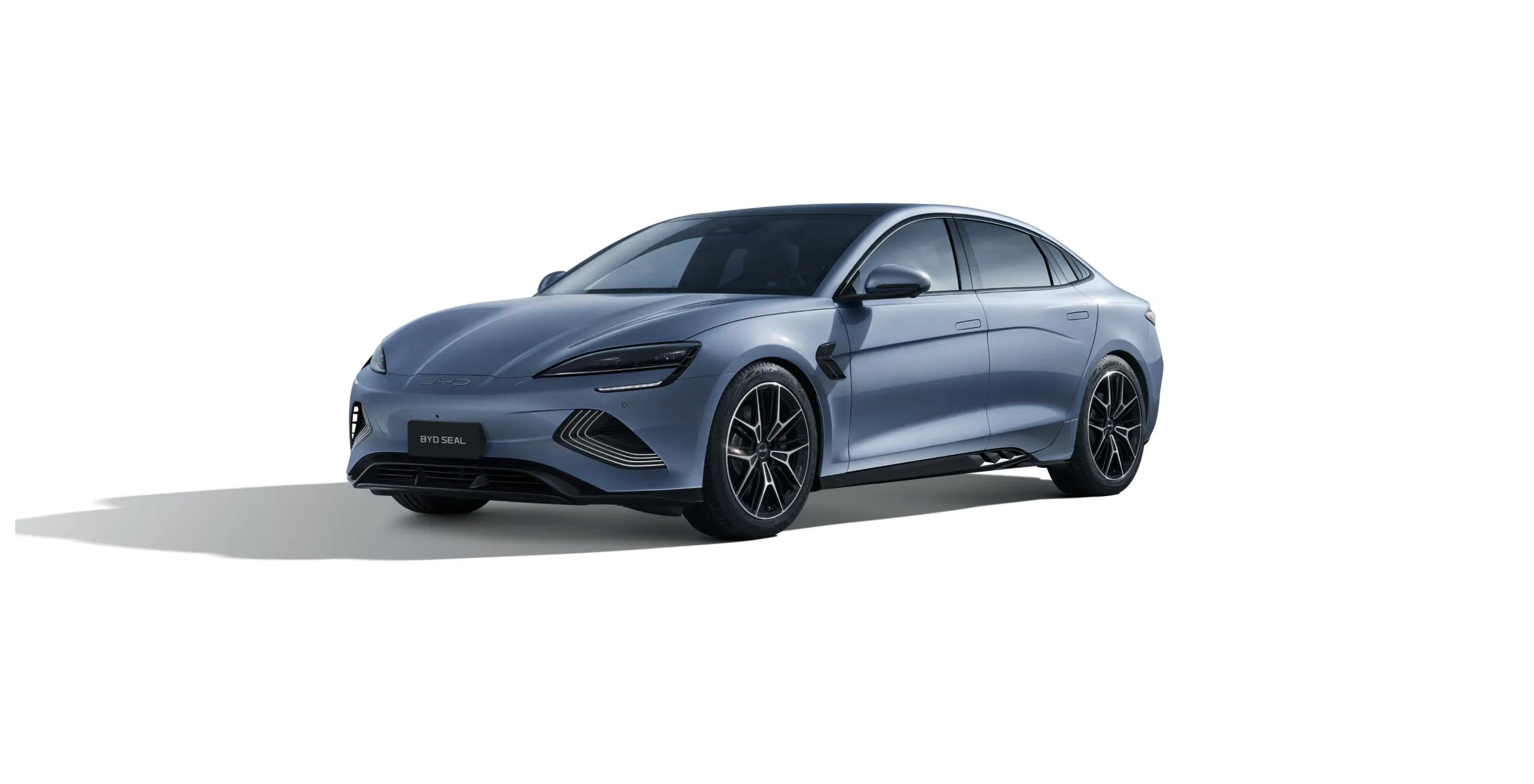
BYD has made the most aggressive play on the Australian sedan market. The fully-electric Seal already accounts for the majority of sales outside of the Camry and the Tesla Model 3. The just-launched Seal 6 plug-in hybrid lands at $34,990 drive-away, which is $5,000 cheaper than the plugless hybrid-only Camry, while being larger and offering genuine electric-only driving range.
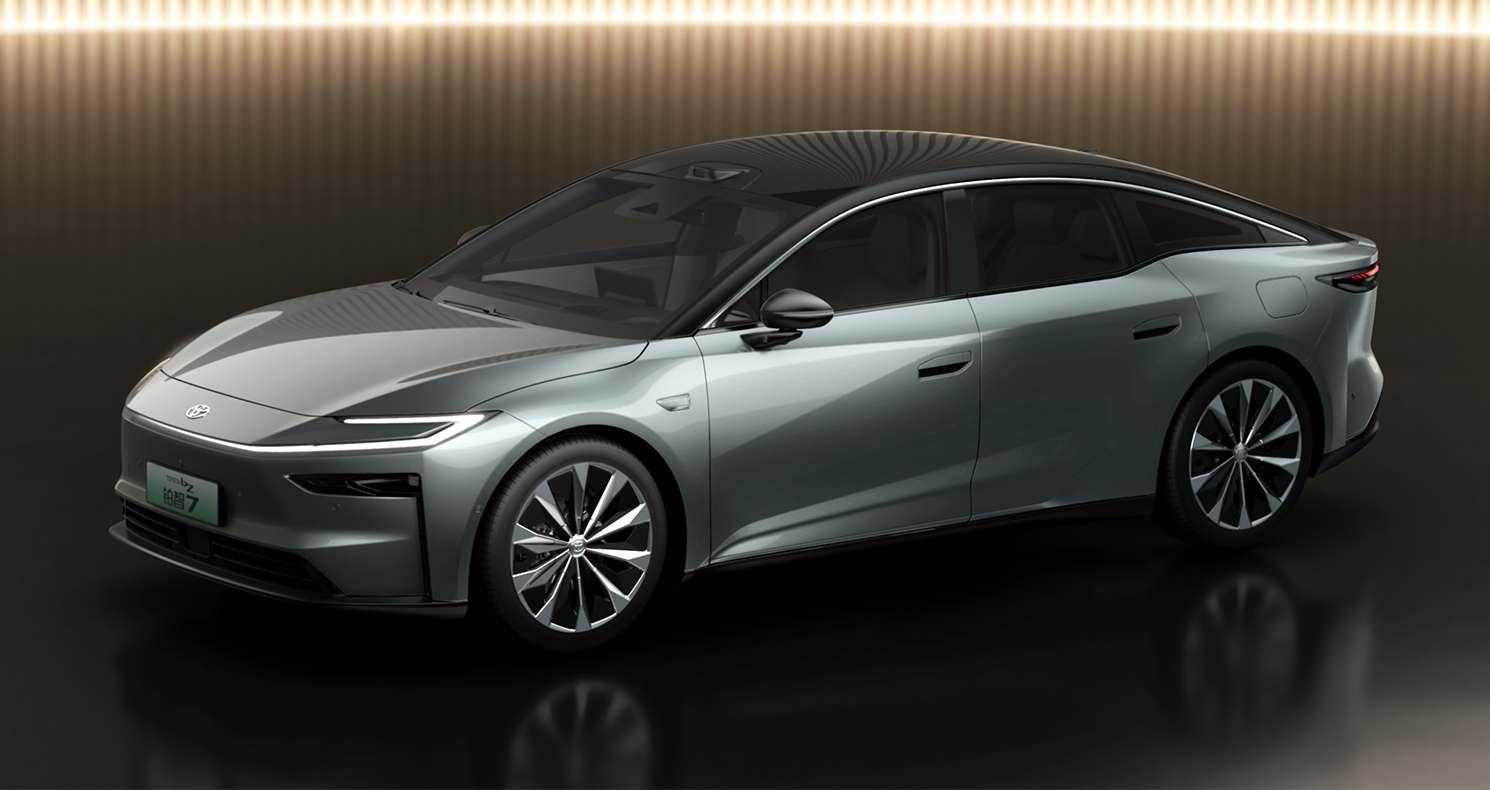
The brand is not stopping there. A larger Seal 7 plug-in hybrid sedan has now been approved for sale in Australia, giving BYD a three-model attack on the segment spanning city-friendly to larger executive-class proportions.
The interesting strategic question is what happens to Camry sales when an Australian buyer can choose a BYD Seal 6 PHEV for $34,990 versus a Camry Hybrid for $39,990. The Camry has the better brand, the better resale story, and the better dealer network. The Seal 6 has the lower entry price, the larger body, and the option to commute on electricity only. Different buyers will weight those trade-offs differently, but the conversation is now genuinely competitive in a way it has not been since the Hyundai Sonata's strongest years.
Geely is the next variable
Geely has confirmed the Emgrand sedan for Australian launch, initially in plug-in hybrid form and possibly later in plugless variants too. The Emgrand has been a high-volume sedan in Geely's home market for years, and the local launch is expected to land in 2027.
Geely's broader Australian strategy with the EX5 SUV has been to position the brand as a value alternative to the established Japanese and Korean players, with pricing that undercuts comparable specs while offering genuinely competitive equipment lists.
If the Emgrand PHEV lands around the BYD Seal 6's $34,990 starting point, the bottom of the sedan market becomes a four-way fight between Toyota Camry, BYD Seal 6, Tesla Model 3, and Geely Emgrand. That is a level of choice the segment has not seen in fifteen years.
MG's sedan story has been quieter
MG launched the MG 5 sedan in Australia a few years ago and added the MG 7 in 2026. Neither has captured serious sales volume so far. The MG 5 has been hurt by a sustained focus from the brand on its SUVs, and the MG 7 sits in an uncomfortable price gap between the cheaper Camry and the more aspirational European executive sedans.
MG's bigger Australian story remains the HS and the new S6 EV, with sedans as a secondary product line rather than the focus. That is a different strategic position to BYD, where sedans are clearly a primary growth vehicle for the brand.
Tesla and the Model 3
The China-built Tesla Model 3 remains one of the best-selling EVs in Australia, and is the single biggest reason the BEV sedan segment exists at all. The Model 3 sits at the upper price end of the affordable sedan segment, but its software-led ownership story and supercharger network access are advantages no Chinese rival has yet matched.
Tesla's sales globally have softened across 2025 and into 2026, and the Australian picture has followed. The Model 3 still moves volume, but it is no longer the runaway sedan choice it was in 2022 and 2023.
Mazda 6e and the legacy brand counterattack
Mazda recently launched the fully-electric Mazda 6e sedan, based on the Chinese-market Deepal L07. It is a crucial model for Mazda as it tries to reverse the substantial fines it has been incurring under the New Vehicle Efficiency Standard (NVES) because of its predominantly petrol-powered lineup.
The 6e started Australian pre-orders at $49,990 before on-road costs, and the initial allocation reportedly sold out very quickly. That is encouraging early evidence that there is genuine appetite for a polished, design-forward electric sedan even at a price point well above the BYD Seal.
Korean brands Hyundai and Kia have also seen reasonable sedan/hatch sales. The K4 and the Hyundai i30 Sedan have plugged along with decent registrations, and the arrival of plugless hybrid versions of both is expected to lift volume further.
The price story is the headline
The Mazda 2 remains the most affordable sedan on sale at $28,490 drive-away. But it is the hybrid and plug-in hybrid options luring buyers to the newer entrants.
The BYD Seal 6 PHEV at $34,990 is the standout pricing move. It is $5,000 below the hybrid-only Camry, larger, and offers genuine electric range. The Hyundai i30 plugless hybrid at $33,250 is the cheapest hybrid sedan, but it is smaller and offers no plug-in option.
For a buyer with a $35,000 budget, the choice between a Camry Hybrid, a Seal 6 PHEV, and an i30 Hybrid is now genuinely difficult. None of those options were available three years ago. The proliferation of choice is exactly what the SUV market enjoyed five years ago, and exactly what the sedan segment has been missing.
What this means for buyers
If you are a Camry buyer with a Toyota allegiance, the new car is excellent. The hybrid drivetrain is one of the best in the segment, dealer support is unmatched, and resale will be strong.
If you are open to the broader sedan field, the BYD Seal 6 PHEV deserves to be on your shortlist. The Seal EV is the right choice if you want a pure electric sedan and have charging at home. The Mazda 6e is the most design-forward option for buyers who want an electric sedan that looks like Mazda's premium ambitions. The Geely Emgrand PHEV is the wait-and-see option for 2027 buyers who want to compare across the full segment before committing.
The Tesla Model 3 remains a strong choice for software-led tech buyers and people who plan to road-trip regularly on the Tesla Supercharger network.
Dealer dynamics matter here
The sedan market is increasingly fragmented across established and emerging brands. That matters when you need warranty work or service support in a regional centre. Toyota's dealer network is unmatched. Tesla, BYD, MG and Mazda all have respectable networks across capital cities and major regional centres. Geely is still building out its Australian network and currently has thinner regional coverage than the more established players.
If you live more than 100km from a capital city and you are considering a Chinese-brand sedan, check that there is a serviceable dealer within reasonable distance before committing. Sedan-segment ownership is just as susceptible to long-trip-to-the-dealer frustrations as any other vehicle type.
The Carseekers view
The Australian sedan segment is not coming back to 2016 sales levels. Buyers have moved decisively to SUVs and there is no realistic path back. But the segment is no longer in freefall, and the credit for that goes almost entirely to Chinese brands bringing genuinely competitive electric and plug-in hybrid sedans to a market that had been stuck with conservative options for years.
The Camry remains the right buy for the Camry buyer. But the Camry buyer is now just one of several distinct sedan audiences in Australia, and the BYD Seal 6 PHEV, Tesla Model 3 and incoming Geely Emgrand each speak to different buyers with very different priorities. That is healthy. A segment with one dominant car was an indicator of decline. A segment with four genuinely competitive choices is a sign the segment still has a future.
Considering finance for your next car? Loanseekers can help you explore car loan options.
The finer details
Your questions answered.
What is the best-selling sedan in Australia in 2026?
The Toyota [Camry](https://www.carseekers.com.au/model/toyota/camry) remains the dominant mid-size sedan, holding nearly 70 per cent of the mid-size sedan-only segment. The segment itself has shrunk substantially, with under 10,000 mid-size sedan sales year-to-date in 2026 against almost 100,000 mid-size SUV sales.
How much does the BYD Seal 6 PHEV cost in Australia?
The BYD Seal 6 plug-in hybrid sedan starts at $34,990 drive-away, which is $5,000 below the cheapest Toyota Camry Hybrid and competitive with the Hyundai [i30 sedan](https://www.carseekers.com.au/model/hyundai/i30-sedan) plugless hybrid at $33,250. The Seal 6 is larger than both and offers genuine electric-only driving range.
When does the Geely Emgrand sedan arrive in Australia?
Geely has confirmed the Emgrand sedan for Australian launch in 2027, initially in plug-in hybrid form with possible plugless variants to follow. Pricing has not been confirmed but based on Geely's value-led positioning with the [EX5](https://www.carseekers.com.au/model/geely/ex5) SUV, expect it to land near the BYD Seal 6's $34,990 starting price.
What is the cheapest sedan on sale in Australia?
The Mazda 2 sedan remains the most affordable new sedan at $28,490 drive-away. However, most buyers are now gravitating to slightly more expensive hybrid and plug-in hybrid options like the Hyundai i30 Hybrid ($33,250), BYD Seal 6 PHEV ($34,990) and Toyota Camry Hybrid (from $39,990).
Why are sedans coming back in Australia?
Chinese brands have brought competitive electric and plug-in hybrid sedans to Australia in the past three years, opening up choice in a segment that had become stagnant. BYD's Seal, Seal 6 PHEV, the Tesla Model 3 and the incoming Geely Emgrand are giving buyers price-led, technology-led alternatives to the conservative options that dominated the segment for years.
Should I buy a Camry or a BYD Seal 6 PHEV?
It depends on what you value. The Camry has the better brand, the better resale story, and the largest dealer network in Australia. The Seal 6 PHEV is $5,000 cheaper, larger, and lets you commute on electricity. If you can charge at home and are comfortable with a newer brand, the Seal 6 offers better day-to-day economics. The Camry remains the safer long-term resale bet.