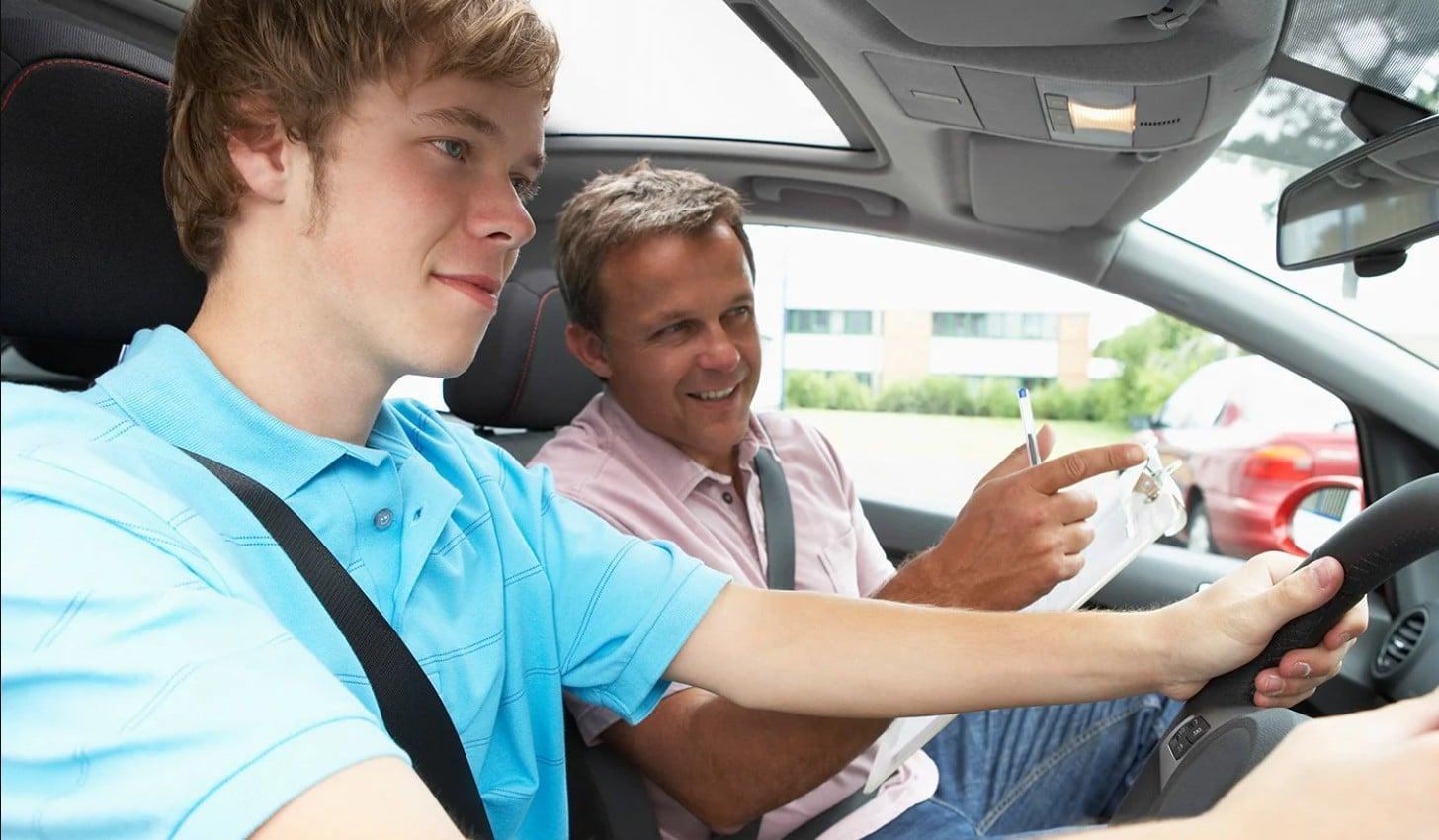

Getting a driver's licence in Australia is a milestone every teenager looks forward to, but the cost of getting there varies wildly depending on which side of a state border your family lives on. New research from professional driving instructor platform EzLicence has compared the full licensing journey across every state and territory, factoring in government fees, testing requirements, and the average cost of six driving lessons. The gap between the cheapest and most expensive state is more than $750, and that is before you factor in the cost of additional lessons most learners actually need.
For Australian families budgeting for a teen driver in 2026, the numbers are eye-opening. Carseekers has broken down the EzLicence findings, and added the buyer-relevant context, including how the licence pathway affects what kind of first car makes financial sense for each state.
South Australia is the most expensive state by a wide margin
South Australia is comfortably the most expensive place in Australia to get a driver's licence, with total costs exceeding $1300 once driving lessons and multiple test stages are added up. That is more than double Victoria's cost and well clear of any other state. Adelaide also tops the national chart for the per-hour cost of driving lessons, at $113.58 against a national average of $80.31.
The reason is twofold. South Australia has comparatively high government licensing fees and a longer test pathway, but it also has fewer professional driving instructors per learner driver, which pushes up the hourly rate. When EzLicence adjusted for state-by-state income, South Australia remained the least affordable state for young drivers. If your teen lives in SA, expect the licence budget to be the biggest cost before they even pick a car.
Queensland and NSW round out the top three
Queensland comes in second at $957.20 in total licensing costs, followed closely by New South Wales at $940.05. That puts both states in the same general band, with similar government fee structures and roughly comparable lesson costs in the capitals.
New South Wales has one interesting quirk worth flagging. Regional areas are often more expensive for driving lessons than Sydney itself, which is unusual. The thinner instructor supply in country towns pushes hourly rates up, sometimes well above Sydney averages. If your teen lives outside the Sydney metro, you should expect to pay more, not less, despite cheaper everything else.
Victoria is the cheapest state for a learner
Victoria is by far the cheapest state to get a driver's licence at just $558.52 in total cost, helped by lower government fees and additional savings from safe-driver incentives. Melbourne's per-hour lesson cost of $75.52 also sits below most other capital cities, with only Hobart cheaper at $73.52 per hour.
The catch is that Victoria also has the longest minimum learner pathway in the country, at five years for drivers under 21. That means cheaper per-step costs spread across a longer time horizon. For families managing the budget over time, Victoria is the easiest state on the wallet. For learners in a hurry, it is also the most patient state to live in.
The Northern Territory has the shortest licence pathway
At the other end of the time scale, the Northern Territory has the shortest minimum pathway to a full licence at just two and a half years, with no mandated minimum supervised driving hours. That makes the NT the fastest place in Australia to go from L-plates to a full licence, and when adjusted for income, it ranks as one of the most accessible states for young drivers.
The trade-off is supervision quality. Mandated supervised hours exist in other states because evidence shows they reduce crash rates among new drivers. NT learners get to a full licence faster, but with less mandated practice, and that should shape what kind of first car a parent helps them choose. A high-spec safety pack on a Hyundai i30 or Toyota Corolla becomes more important when a P-plater has fewer mandated logbook hours behind them.
Manual lessons are dramatically more expensive in SA
One of the more surprising findings in the EzLicence data is how much manual lessons cost compared to automatic, and the gap varies wildly between states. South Australia is again the worst offender, with manual lessons costing $688.24 more than automatic. That is more than double the price, and it makes SA by far the most expensive state for anyone wanting to learn to drive a manual.
For most Australian buyers, this is reinforcing the manual's slow decline. Manual cars are now a small fraction of new vehicle sales, with auto and CVT dominating across every segment except a handful of utes and performance cars like the Toyota GR Yaris and the Suzuki Jimny. If your teen plans to drive an electric vehicle or a modern auto, the cheaper auto-only licence is the obvious path.
Why lesson costs matter more than government fees
The single biggest insight from the EzLicence research is that driving lessons, not government fees, are the dominant cost in nearly every state. "When you look at the full picture, it becomes clear that the cost of getting a licence in Australia is driven far more by driving lessons than by government fees alone," said Ross Rivalland, EzLicence's Sales Manager. "With more learners responsible for covering these costs themselves, the financial pressure can add up quickly."
The practical implication is that the official government figure published on a state transport website understates the real cost of getting a licence by a factor of two to three. If you budget only the test fees and a hazard perception test, you will be unpleasantly surprised once driving lessons start adding up at $80 to $114 per hour.
What the licence cost means for a first car budget
This matters for Australian families thinking about a teen's first car. If you are in South Australia, the licence itself costs more than a year's third-party insurance on a small SUV. That should factor into how much you spend on the car. A $20,000 used Toyota Corolla or Mazda 2 makes much more sense than a $35,000 new SUV when the licence pipeline has already absorbed $1300.
Victorian and NT families have the most slack in the budget to spend on the car itself, since the licence costs are lower. That opens up more room for safer, newer vehicles with the latest active safety tech, which is exactly what young drivers benefit from most. The data should not just guide how families budget for the licence, but also how much they spend on the vehicle that follows.
The bottom line for Australian families
The gap between $558 in Victoria and over $1300 in South Australia is real, and it has direct implications for how families plan the full transition from L-plates to first car. The cheap-licence states leave more room for a safer car. The expensive-licence states demand more frugal car choices. Lesson costs dominate, so shopping around for an instructor matters more than worrying about government fees.
For parents weighing up their teen's first car, factor the licence cost in alongside the purchase price, insurance, and ongoing fuel. The total "getting on the road" budget often surprises families who only counted the car. Carseekers will keep tracking value-driven first car options across body styles to make that decision easier.
Considering finance for your next car? Loanseekers can help you explore car loan options.
The finer details
Your questions answered.
What's the cheapest Australian state to get a driver's licence?
Victoria is the cheapest state at just $558.52 in total licensing costs, helped by lower government fees, safe-driver incentives and below-average per-hour lesson rates in Melbourne. The Northern Territory is the next most affordable when adjusted for income, and also has the shortest pathway to a full licence.
How much does a driver's licence cost in South Australia?
South Australia tops $1300 in total licensing costs, more than double Victoria's figure. Adelaide's per-hour driving lesson rate is also the highest in the country at $113.58 versus a national average of $80.31. Manual lessons in SA cost $688.24 more than automatic, making it especially expensive for manual learners.
How long does it take to get a full driver's licence in Australia?
The full licence pathway ranges from two and a half years in the Northern Territory to five years in Victoria for drivers under 21. Victoria has the longest mandated pathway, while the NT has the shortest and no mandated minimum supervised driving hours. Other states sit in between.
Are driving lessons really the biggest cost of getting a licence?
Yes, according to the EzLicence research, driving lessons make up the biggest share of the total expense in most states, not government fees. The official figures published by state transport websites understate the real cost by a factor of two to three, because they don't include the typical six lessons most learners need.
Why are manual driving lessons more expensive than automatic?
Manual lessons require more instruction time and instructors charge a premium for the additional skill. In South Australia the gap is $688.24 over automatic. With manual cars now a tiny share of new vehicle sales, most learners are picking auto-only licences, which keep both lesson costs and lesson time down.
Should I factor the licence cost into my teen's first car budget?
Absolutely. If you live in South Australia where the licence costs over $1300, that's enough to skew your first-car budget significantly. Victorian and NT families have more room for safer, newer cars with active safety tech because their licence costs are lower. Treat the licence and the car as a single combined budget item.