
Something was different at this year's Beijing Motor Show. Among the familiar names — the usual European and Japanese stalwarts — were cars that wore legacy badges but didn't quite feel like they belonged to them.
At least, that's what automotive journalists who attended reported back. The vehicles in question had familiar branding but were produced in partnership with Chinese manufacturers, sometimes with the local partner doing most of the engineering and development heavy lifting. One journalist described some of them as looking like "Chinese cars in fancy dress, or like Aldi groceries — close, but not quite right."
The observation raises a question that's been building in the automotive industry for several years: when a legacy brand puts its badge on a car developed and built primarily by a Chinese partner, what exactly is being sold? And for Australian buyers who rely on brand reputation as a quality proxy, does that answer change the value of the badge?
The Brands That Have Made the Move
This is no longer a fringe phenomenon. Several major manufacturers now have significant Chinese partnership models in their lineup or in development.
Mazda has the Mazda6e and CX-6e, both produced in partnership with Changan Automobiles. The Mazda CX-60 and other locally developed models remain Mazda-engineered, but the partnership range is produced in China primarily for Chinese and some export markets.
Nissan has multiple partnership models in development with Dongfeng, including the Frontier Pro — a plug-in hybrid ute that has generated significant interest for potential Australian availability.
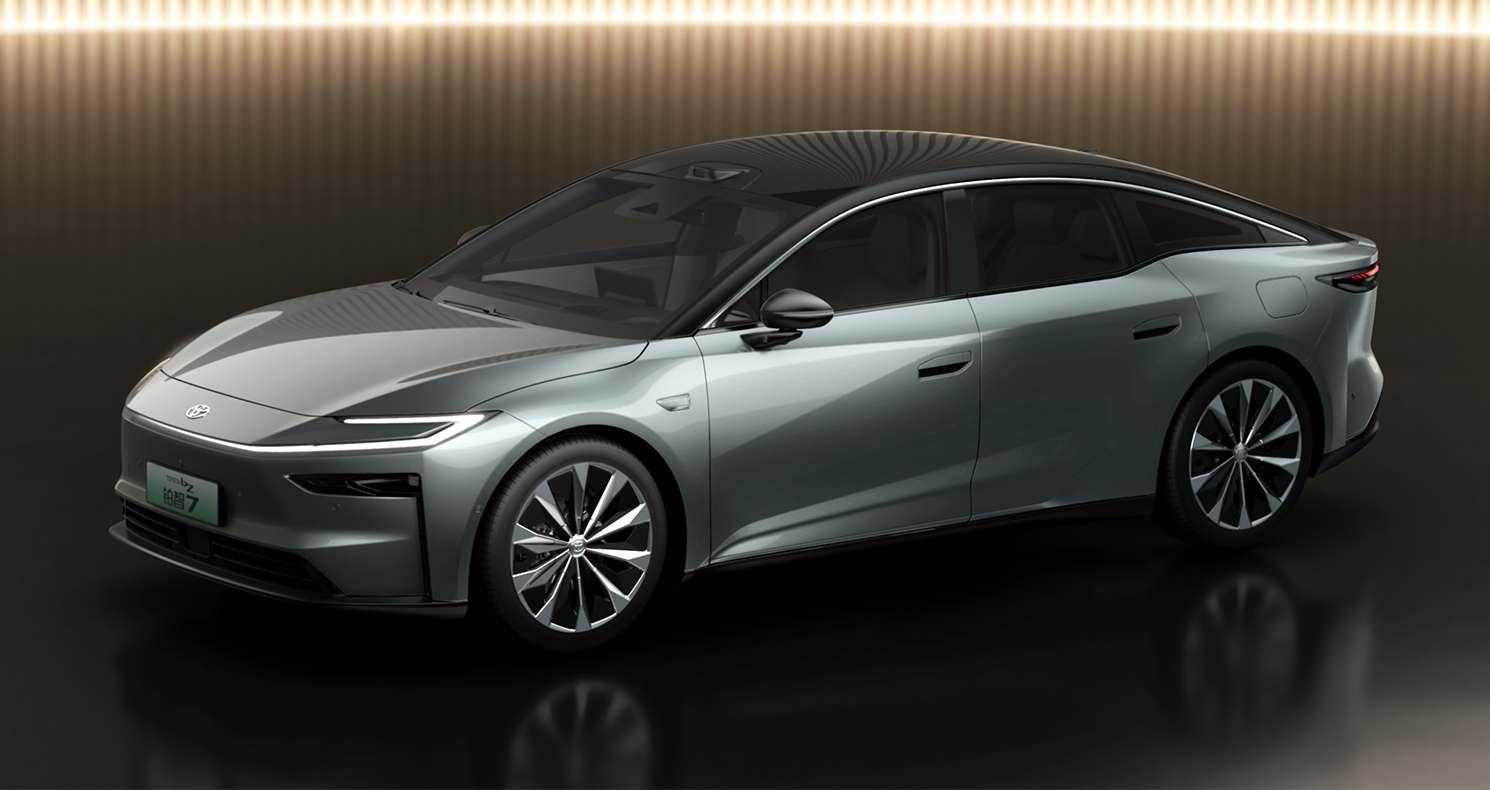
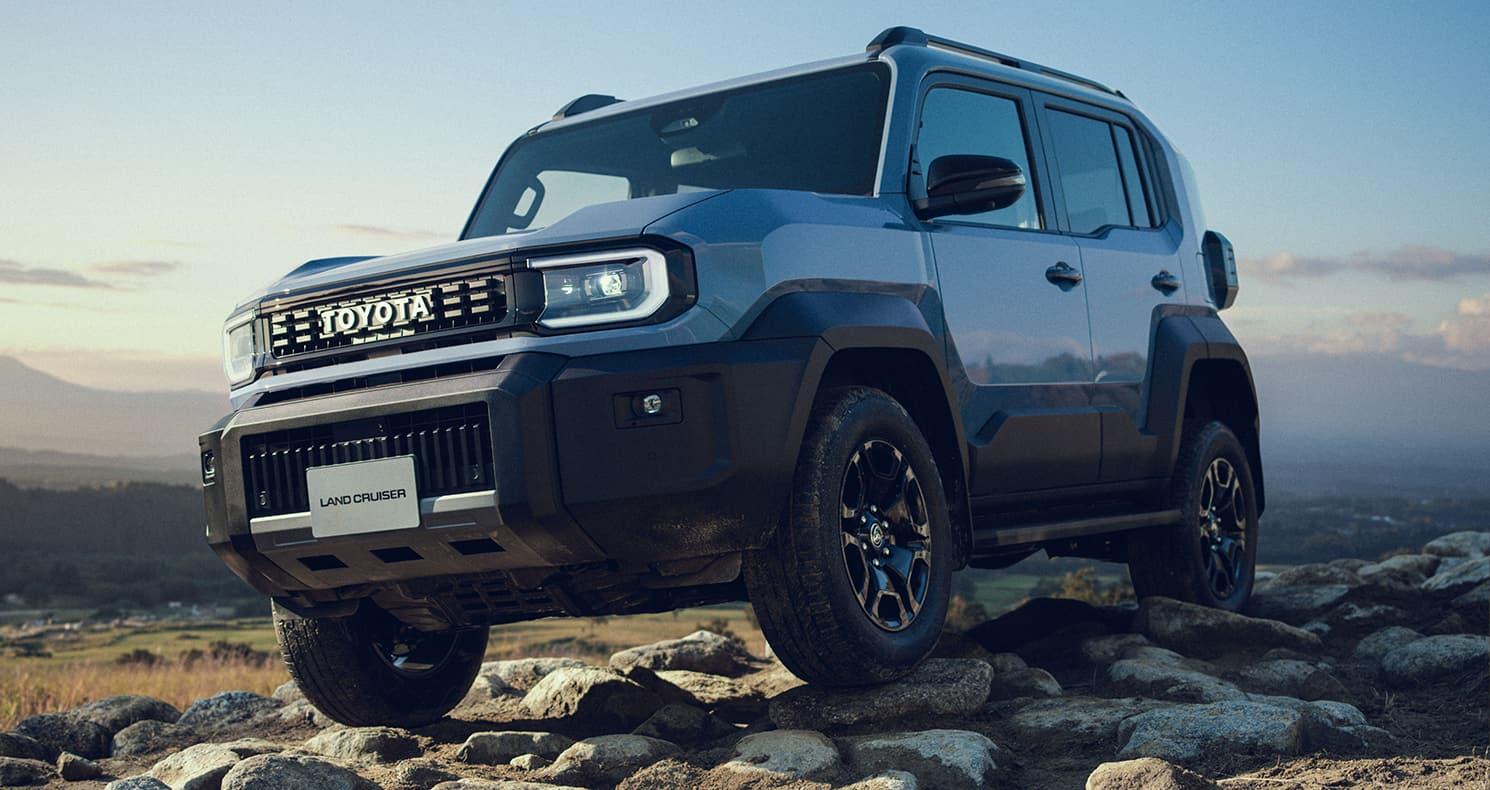
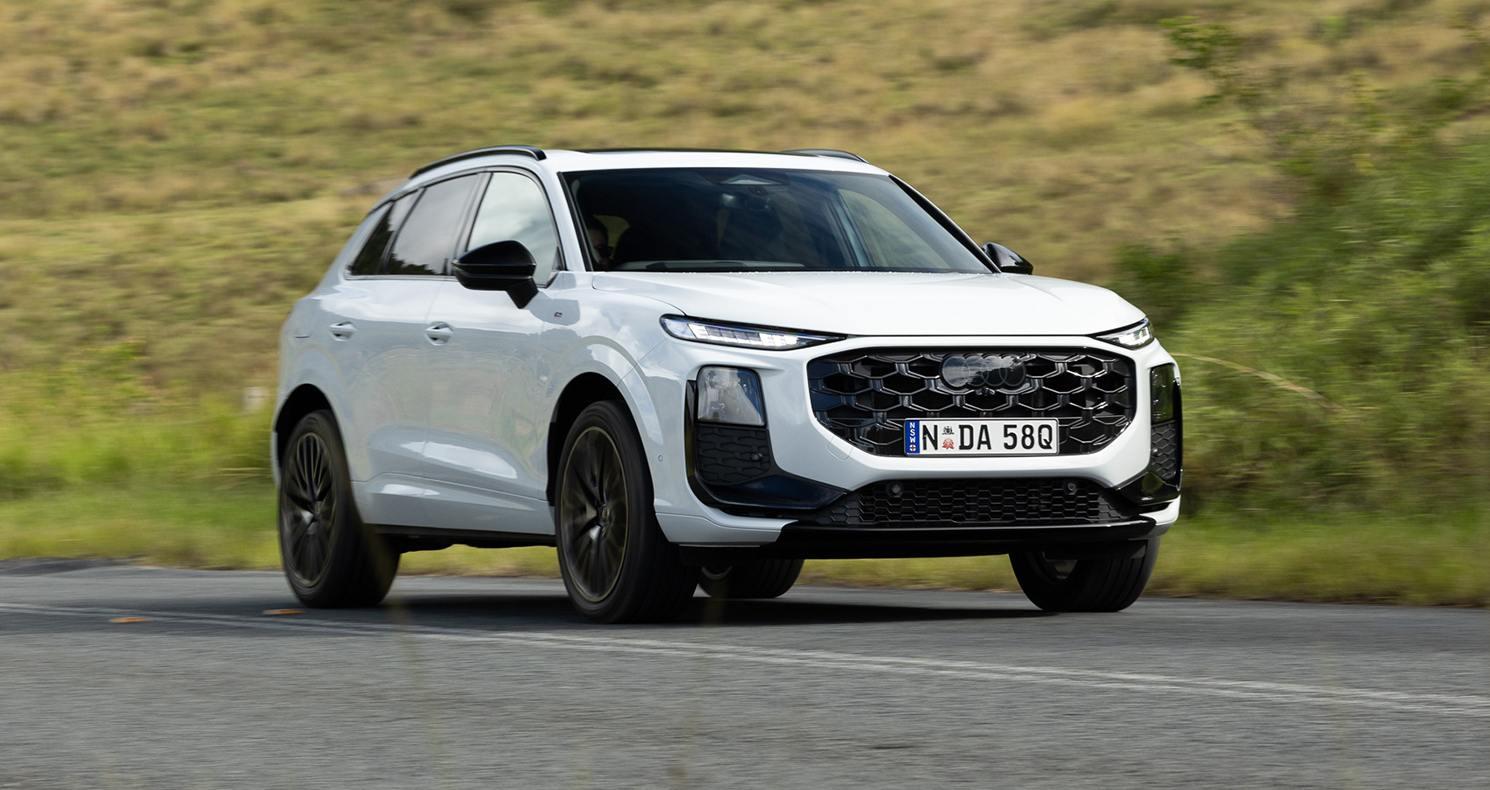
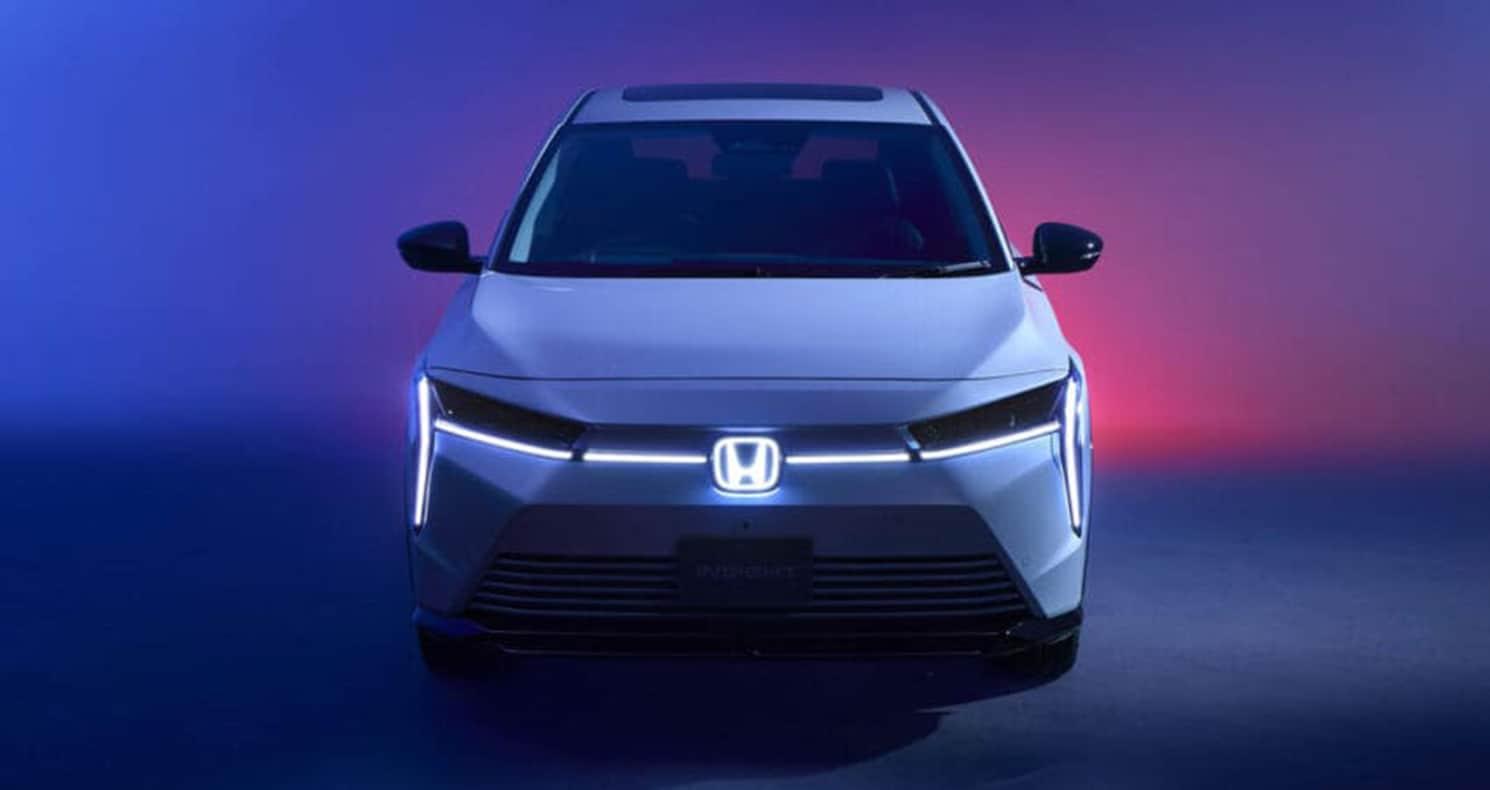
Honda has pushed back its in-house EV development timeline and is drawing on Chinese-developed models to fill the gap. Toyota has the bZ7, developed with GAC, alongside its own bZ4X. Volkswagen has the 9X produced with SAIC.
For Australian buyers, some of these cars are destined for local showrooms. Others will remain China-only. But the direction of travel is clear: legacy manufacturers are increasingly treating Chinese partnerships as an engineering resource, not just a manufacturing location.
What VW Australia Thinks Sets Them Apart
Not everyone in the industry sees this as a problem. Volkswagen Australia's Head of Passenger Cars made the counterargument directly: the driving dynamics and engineering philosophy embedded in Volkswagen's vehicles are what set them apart from Chinese-built alternatives, regardless of where final assembly happens.
It's a legitimate point. The driving character of a well-developed product is the accumulated result of engineering decisions, testing programs, suspension tuning, and software calibration — not just the country of manufacture. A car assembled in China to Volkswagen's specifications can still drive like a Volkswagen if the engineering and calibration work is genuinely Volkswagen's.
The harder question is what happens when the engineering work itself is increasingly shared with or led by a Chinese partner. At what point does a 'Mazda' or a 'Nissan' reflect primarily the engineering priorities and quality standards of Changan or Dongfeng?
The Quality Standards Question
The conventional assumption about Chinese manufacturing — that it produces lower-quality products than Japanese or European alternatives — has been comprehensively challenged by the performance of Chinese-brand vehicles in Australia over the past three years.
BYD, Zeekr, Denza, Haval, and others have arrived in Australia with products that match or exceed Japanese and European rivals in technology, build quality, and reliability for the price paid. The assumption that 'China-made' means 'lower quality' is no longer safe.
But there's a difference between Chinese-built and Chinese-designed and Chinese-engineered. The strongest Chinese brands — BYD in particular — have built their own engineering culture, their own battery technology, and their own software platforms from the ground up. A BYD product's quality reflects BYD's engineering. A Nissan product engineered primarily by Dongfeng raises different questions about whose standards ultimately governed the car's development.
What Australian Buyers Should Be Doing
For buyers who have historically used brand reputation as a quality and reliability shorthand, the practical advice is to look past the badge and into the specifics.
Which models from a given brand are the brand's own engineering? Which are produced in partnership? What does the service and warranty arrangement look like in Australia for the partnership models? Are spare parts sourced through the same channels as the independently developed models?
These are not impossible questions to answer, but they require more active research than simply trusting a familiar badge.
For Australian buyers specifically, the relevant filter is often simpler: is this model officially supported and serviced in Australia through the brand's established dealer network? If yes, the partnership engineering question matters less at the point of purchase, because warranty, service, and parts are still the brand's responsibility.
Where it matters more is at the edge of a warranty period, where the parts supply chain and long-term support commitment become relevant. Models produced through temporary or new partnerships may have less certainty on that front than a manufacturer's core independent lineup.
Carseekers can help you understand which models in a brand's Australian lineup reflect its own engineering versus its partnership portfolio — and what that distinction means for long-term ownership.
Considering finance for your next car? Loanseekers can help you explore car loan options.
The finer details
Your questions answered.
Are Mazda and Nissan building cars in China now?
Yes. Mazda's 6e and CX-6e are produced in partnership with Changan Automobiles. Nissan has multiple models in partnership with Dongfeng, including the Frontier Pro plug-in hybrid ute. Both brands also continue to develop and produce models independently, so not all models in their lineups are partnership products.
Does being built in China make a car less reliable?
Not necessarily. Chinese-brand vehicles from BYD, Zeekr, and Haval have demonstrated strong quality and reliability standards in Australia since their arrival. The country of manufacture is less important than whose engineering standards governed the design and build. The relevant question is whether a partnership car reflects the legacy brand's quality standards or its Chinese partner's.
How do I know if a car's engineering is from the badge brand or a Chinese partner?
For models sold in Australia, check whether the model has been developed specifically for the Australian market or is a Chinese domestic product adapted for export. Models that appear in China before any right-hand drive announcement often reflect Chinese-partner engineering priorities. Your [Carseekers](https://www.carseekers.com.au) advisor can help clarify provenance for specific models.
Should I still buy a Toyota, Mazda or Honda if their cars are made in China?
The warranty, servicing, and official support channel is still the brand's responsibility regardless of where the car was engineered or built. For most Australian buyers, the practical difference is minimal at point of purchase. The longer-term question around parts supply and support continuity is more relevant for partnership models, particularly newer ones.
What makes BYD different from Chinese-built legacy brand cars?
BYD has developed its own engineering culture, battery technology, and software platforms internally since the company's founding. A BYD product reflects BYD's own engineering decisions and quality standards. Legacy brand partnership products reflect a blend of two engineering cultures, which creates more uncertainty about whose priorities ultimately governed the final product.
Are any Chinese-built cars officially supported in Australia?
Yes — many. BYD, Zeekr, Denza, Haval/GWM, MG, and others all sell Chinese-built cars in Australia with full official dealer networks, parts supply, and warranty support. The relevant distinction is not 'Chinese-built' but whether the brand selling the car has robust Australian infrastructure for support and service.