Despite the global push toward electric vehicles, something unexpected is happening in the automotive world — the V8 is refusing to die. In fact, in some corners of the market, it’s making a serious comeback.
For years, it looked like high-displacement engines were on their way out, replaced by smaller turbocharged units and fully electric drivetrains. But enthusiasts — and even manufacturers — are pushing back. The result? A renewed interest in muscle cars, performance sedans, and big, naturally aspirated power.
So why is this happening?
The Emotional Factor: You Can’t Replace a V8
Let’s be honest — this isn’t just about performance numbers.
A V8 engine delivers something electric cars simply can’t replicate:
- The sound
- The feel
- The raw mechanical character
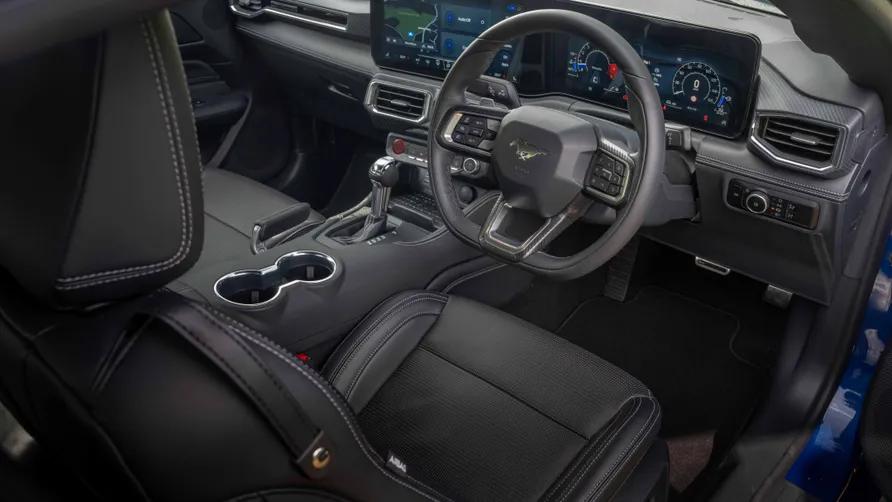
Cars like the Ford Mustang aren't just vehicles — they’re experiences.
That deep exhaust rumble, the instant throttle response, and the sense of connection to the car are a huge part of why enthusiasts are holding on so tightly to V8-powered machines.
Manufacturers Are Listening (For Now)
Despite strict emissions regulations, several manufacturers are continuing to invest in V8-powered vehicles — at least in the short term.
Brands like Ford and General Motors are still producing V8 variants of their iconic performance models, while also exploring hybrid and electric futures.
Even in Australia, performance vehicles like the Ford Mustang remain popular, proving there is still strong demand for traditional muscle.
At the same time, some manufacturers are creating “last of their kind” V8 models — limited editions designed to celebrate the end of an era. Ironically, this has only increased demand.
The Pushback Against Full Electrification
While electric vehicles are growing rapidly, not every driver is ready to make the switch.
Some common concerns include:
- Charging infrastructure limitations
- Range anxiety
- Higher upfront costs
- Lack of emotional engagement
This has created a niche — and growing — group of buyers who still prefer internal combustion engines, particularly V8s.
For these buyers, a muscle car represents freedom, identity, and driving enjoyment in a way EVs haven’t quite matched yet.
V8s Are Becoming a Luxury Experience
Here’s the twist: V8s aren’t really “coming back” in mass-market terms — they’re becoming rarer and more special.
As regulations tighten, manufacturers are:
- Producing fewer V8 models
- Pricing them higher
- Positioning them as premium or enthusiast vehicles
This shift is turning V8-powered cars into something closer to a collector’s item rather than an everyday choice.
In other words, the V8 isn’t dying — it’s evolving into a high-value niche.
What This Means for Buyers
If you’ve been thinking about owning a V8, now might be the time to seriously consider it.
Why?
- Availability may decrease in the coming years
- Prices could rise as supply tightens
- These cars may hold stronger long-term value
At the same time, it’s important to be realistic. Running costs, fuel consumption, and environmental impact are all factors you’ll need to weigh up.
Find the Right Deal Before They’re Gone
If you’re looking to get behind the wheel of a V8-powered car, getting a good deal is more important than ever — especially as demand fluctuates and supply tightens.
That’s where Carseekers comes in.
Instead of chasing dealerships, you can submit the car you’re after and let dealers compete to offer you their best price. It’s a smarter way to buy — particularly when it comes to performance vehicles that can vary significantly in price.
The reality is simple: electric vehicles are the future, but V8s are far from finished.
For enthusiasts, they represent something deeper than transportation — and that’s exactly why they’re still here… and why they’re making a comeback. 🚗🔥
Considering finance for your next car? Loanseekers can help you explore car loan options.
The finer details
Your questions answered.
Are V8 muscle cars making a comeback in Australia?
Globally yes, and Australia is one of the key markets driving that interest. Manufacturers including GWM, Chevrolet, and Ford are confirming or developing new V8 vehicles for 2026 and 2027. The shift reflects buyer resistance to the complete removal of high-displacement engines in performance and off-road segments.
What V8 cars can you buy new in Australia in 2026?
New V8 options in Australia in 2026 are limited mainly to the Ford Mustang GT and GT Performance Edition. The American-market Chevrolet Corvette and RAM trucks are available through specialist importers. GWM has confirmed a V8 for its Tank 700 SUV, expected in Australia from 2027 or 2028.
Why are car manufacturers bringing back V8 engines when EVs are growing?
V8 engines serve a specific buyer segment — off-road capability, towing performance, and emotional engagement — that electric alternatives cannot yet fully replicate. Manufacturers are responding to sustained buyer demand at the premium end of the performance and 4WD market, where the V8's torque and driving character remain compelling selling points.
Is a V8 car worth buying in Australia in 2026 given fuel prices?
At $2.50 per litre, a V8 consuming 14L/100km costs around $3,500 per year to fuel at 10,000km annually. For buyers who drive moderate distances and value the V8 experience, that cost is manageable. For high-kilometre drivers, the running cost case against a PHEV ute or large hybrid is increasingly difficult to justify.
Will V8 cars be banned in Australia due to emissions regulations?
Australia's New Vehicle Efficiency Standard (NVES), which began in 2025, does not ban V8 vehicles but imposes financial penalties on manufacturers who sell too many high-emission vehicles. This incentivises manufacturers to balance their range with EVs rather than eliminate specific engine types. V8 vehicles will remain legal but potentially more expensive.
What is the best V8 performance car available in Australia right now?
The Ford Mustang GT remains the most accessible new V8 performance car in Australia in 2026, offering a 5.0-litre naturally aspirated V8 with strong dealer support and competitive pricing. For buyers seeking more extreme performance, the Mustang Dark Horse and GT Performance Edition expand the range. Higher-end options include American imports through the SEVS scheme.