If you are buying a new car in 2026 but not yet ready to make the jump to electric, the cheapest single decision you can make is choosing a model that runs on 91 RON petrol instead of premium 95 or 98. At the time of writing, the average 91 RON price is around 200 cents per litre, while 98 RON is sitting at 223 cents. On a typical 60-litre tank, that is a $14 difference every time you fill up. Across a year of average driving, that adds up to several hundred dollars in extra fuel costs for buying the wrong car.
The trap is that many modern cars, particularly turbocharged petrol engines and some hybrids, require premium fuel as a manufacturer recommendation. Carseekers has pulled together five of Australia's most popular new cars that happily run on 91 RON, so you can keep both the purchase cost and the fuel cost down without compromising on the basics.
Why the fuel grade you choose matters more in 2026
The price gap between 91 RON and 98 RON has widened significantly over the past two years. Global supply pressure, refinery margins and Australia's dependence on imported fuel have all pushed premium grades higher faster than standard 91. The 14-cent difference per litre might not sound like much, but on a 60-litre tank that is $14 every fill, and the gap is widening, not narrowing.
For a typical Australian driver covering 15,000 kilometres per year in a car returning 7L per 100km, that is around 1050 litres of fuel annually. Choosing a car that runs on 91 instead of 98 saves $147 per year at current prices, before any future widening of the gap. Across five years of ownership, that is over $700 in real savings, not counting the savings if premium fuel keeps climbing faster.
Hyundai Kona is the small SUV value play
The Hyundai Kona is one of the broadest line-ups in the small SUV class, offering pure petrol, series-parallel hybrid and a full electric version. The pure petrol and hybrid variants both run on 91 RON, with the hybrid claiming an excellent 3.9L/100km in mixed driving. The hybrid is offered across the entire Kona range, which is unusual for a small SUV and a real plus for Australian buyers.
Pricing opens at $33,700 plus on-road costs. The Kona's fuel-flexible drivetrain, generous interior space and Hyundai's five-year warranty make it a credible buy for small families, urban commuters and anyone keen to avoid the premium-fuel trap. Resale values on the current Kona generation also remain strong by class standards.
GWM Haval Jolion is the budget Chinese alternative
The GWM Haval Jolion sits just above the Kona in size and is one of the most aggressively priced small SUVs in the market. Like the Hyundai, the Jolion is offered in both pure petrol and series-parallel hybrid form, and both variants run happily on 91 RON. The hybrid is available right across the Jolion range, which makes the value pitch even stronger.
The Jolion's claimed fuel economy is competitive but not class-leading. Where it wins is the drive-away pricing, which routinely sits thousands of dollars below the Kona. The Chinese brand's growing dealer network in Australia is also addressing the historical service concern. If you have a metropolitan dealer nearby and the discount appeals, the Jolion is a credible 91 RON option.
Nissan X-Trail keeps the family classic on 91 RON
The current Nissan X-Trail is one of the best mid-size SUVs on the Australian market right now, with petrol and series-hybrid variants both able to run on 91 RON. Nissan does technically recommend 95 RON for the hybrid for optimal long-term engine health, but the manufacturer confirms 91 will work in a pinch. For everyday driving, sticking with the recommended grade is the right call, but the option exists.
The hybrid X-Trail returns a claimed 6.0L/100km combined. The pure petrol versions sit at 6.1 to 6.5L/100km depending on grade, which means the hybrid premium is not as dramatic as some rivals. Pricing for the X-Trail range opens at $38,140 plus on-road costs. For families wanting a proven mid-size SUV with strong resale, no premium fuel requirement, and a flexible hybrid option, the X-Trail remains one of the smartest buys in the segment.
Mitsubishi Outlander PHEV is the plug-in option that takes 91
The Mitsubishi Outlander comes in pure petrol and series-parallel plug-in hybrid (PHEV) form, and Mitsubishi confirms both run on 91 RON. That makes the Outlander PHEV one of the very few plug-in hybrids on the Australian market that does not require premium fuel, which is a significant ownership cost advantage.
The Outlander PHEV's claimed combined fuel consumption is a remarkable 1.5L/100km, although that figure assumes regular charging. Real-world fuel use depends almost entirely on how disciplined you are with the plug. Pure petrol Outlander variants return 7.5 to 8.1L/100km depending on trim. Outlander pricing opens at $39,990 plus on-road costs. For Australian buyers wanting flexibility to mostly drive on electricity with a petrol backup that does not require expensive fuel, the Outlander PHEV is hard to beat.
Chery Tiggo 4 is the cheap entry point
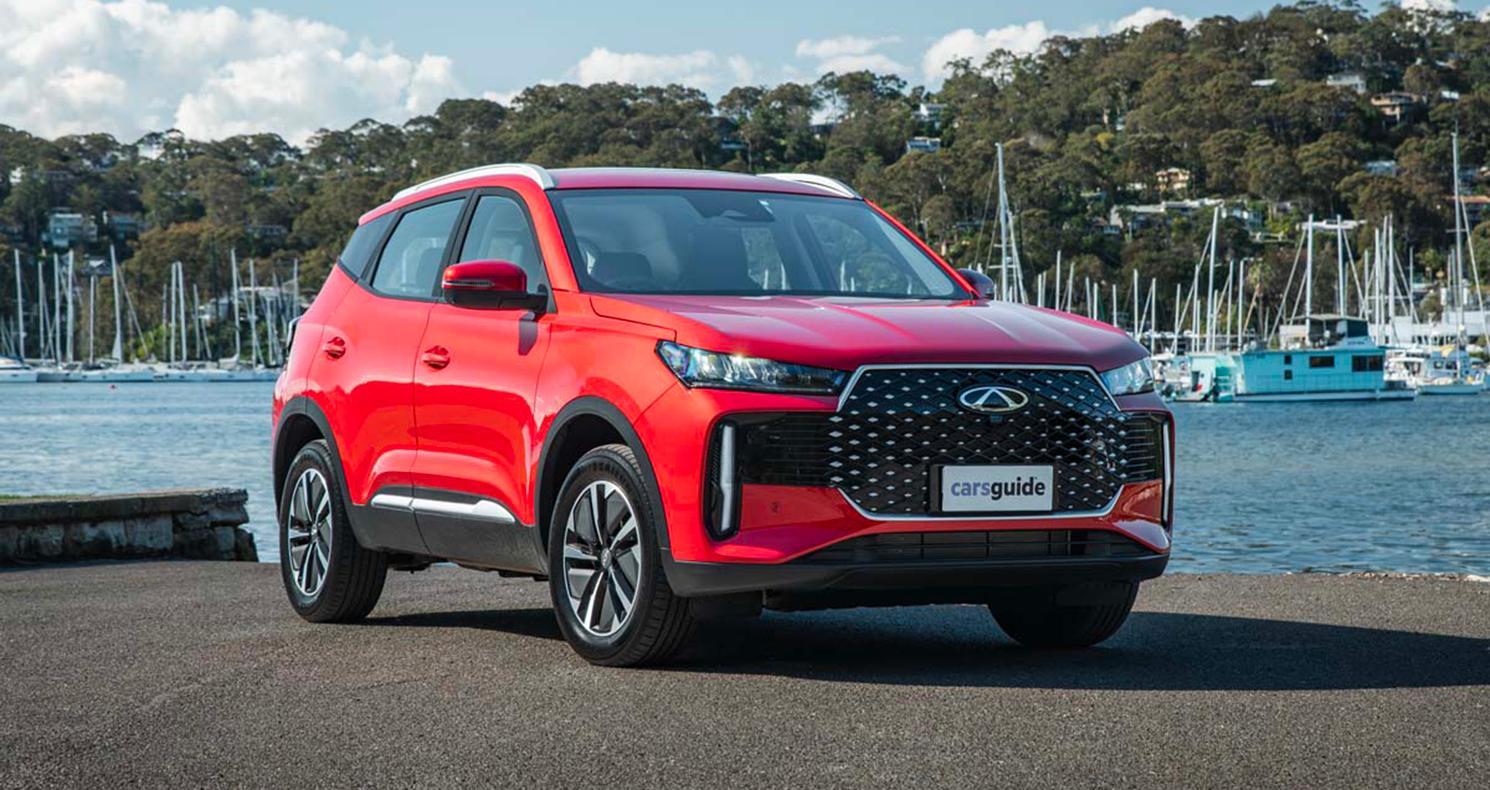
The Chery Tiggo 4 Pro is the smallest car on our list, slightly shorter than the Hyundai Kona, and comes in both pure petrol and series-parallel hybrid form. Both run on 91 RON. The Tiggo 4 has rocketed to become the best-selling small SUV in Australia in 2025, helped by its sharp pricing and standard equipment levels.
Pure petrol Tiggo 4 claims 7.4L/100km combined, which is not class-leading for a small SUV but acceptable given the price. The Tiggo 4 range opens at $23,990 drive-away, making it by far the cheapest entry point on this list. The trade-offs are familiar Chinese-brand questions, including dealer network density outside metropolitan areas and resale value compared with the Kona or X-Trail. If you keep your cars long-term, the upfront saving is real.
What to do at the dealer before signing
When you are shopping any new car, ask the dealer two specific questions before you sign. First, what is the manufacturer's minimum recommended fuel grade for this specific model and variant? Second, is that minimum recommendation different from the manufacturer's optimal recommendation? Many turbocharged petrol engines list 91 as the minimum but recommend 95 or 98 for full performance, which can shift your real-world fuel cost equation.
This matters because owner manuals often hide a recommendation that the salesperson does not volunteer. A car that lists "95 RON recommended" might still run on 91, but you may give up power and possibly increase long-term engine wear. Carseekers recommends sticking with the manufacturer's recommended grade where possible, and choosing a model with 91 RON as both minimum and recommendation for the lowest-stress ownership experience.
The bottom line for Australian buyers
If you are not ready for an EV but want to keep fuel costs as low as possible, the Hyundai Kona, GWM Haval Jolion, Nissan X-Trail, Mitsubishi Outlander and Chery Tiggo 4 Pro all let you fill up with the cheapest petrol grade on the bowser. The Kona and X-Trail are the safest long-term plays on resale and dealer support. The Outlander PHEV is the smartest pick if you can plug in regularly. The Jolion and Tiggo 4 are the cheapest entry points if upfront price is the priority.
Whatever you choose, factor fuel grade into the total cost of ownership before you sign. The $14 difference per tank is real, and a five-year ownership window adds up faster than most buyers realise.
Considering finance for your next car? Loanseekers can help you explore car loan options.
The finer details
Your questions answered.
Which new cars in Australia run on the cheapest 91 RON petrol?
The Hyundai Kona, GWM Haval Jolion, Nissan X-Trail, Mitsubishi Outlander and Chery Tiggo 4 Pro all run on 91 RON in both pure petrol and hybrid variants. All five are competitively priced and represent some of the strongest value picks in their respective segments. Always confirm the specific variant's recommended grade with the dealer.
How much can I save buying a car that runs on 91 RON instead of 98?
At current prices the gap is about 23 cents per litre. On a typical 60-litre tank that's $14 per fill, and across 15,000km of annual driving in a 7L/100km car that's around $147 per year. Across five years of ownership, that's over $700 in savings before any further widening of the price gap.
Can I put 91 RON in a car that recommends 95 RON?
Usually yes, but check the owner's manual carefully. Most modern engines list a minimum grade and a recommended grade. Using a lower grade than recommended typically reduces power slightly and may increase long-term wear on turbocharged engines. For the lowest-stress ownership, choose a car where 91 RON is listed as both the minimum and recommended grade.
Is the Mitsubishi Outlander PHEV really a 91 RON car?
Yes, Mitsubishi confirms both the pure petrol and PHEV variants of the Outlander run on 91 RON. That makes the Outlander PHEV one of the only plug-in hybrids on the Australian market that doesn't require premium fuel, which is a meaningful ownership cost advantage over rivals from Ford and BYD.
Is the Chery Tiggo 4 Pro worth considering as a cheap SUV?
Yes, the Chery Tiggo 4 Pro is the best-selling small SUV in Australia in 2025, helped by a $23,990 drive-away starting price and decent standard equipment. The trade-offs are dealer network density outside major metros, longer-term parts support questions, and weaker resale than established Japanese or Korean rivals. If you keep your cars long-term, the upfront saving is real.
Should I buy a hybrid or a pure petrol model if I want low running costs?
Hybrids deliver lower fuel use per kilometre but cost more to buy. The break-even point depends on your annual kilometres. For drivers covering more than 15,000km per year, the hybrid usually pays back over five years. For low-kilometre drivers, the pure petrol model is often the better total cost of ownership. The Nissan X-Trail is unusual in offering only a small gap between hybrid and petrol fuel use, making the petrol arguably the smarter pick.