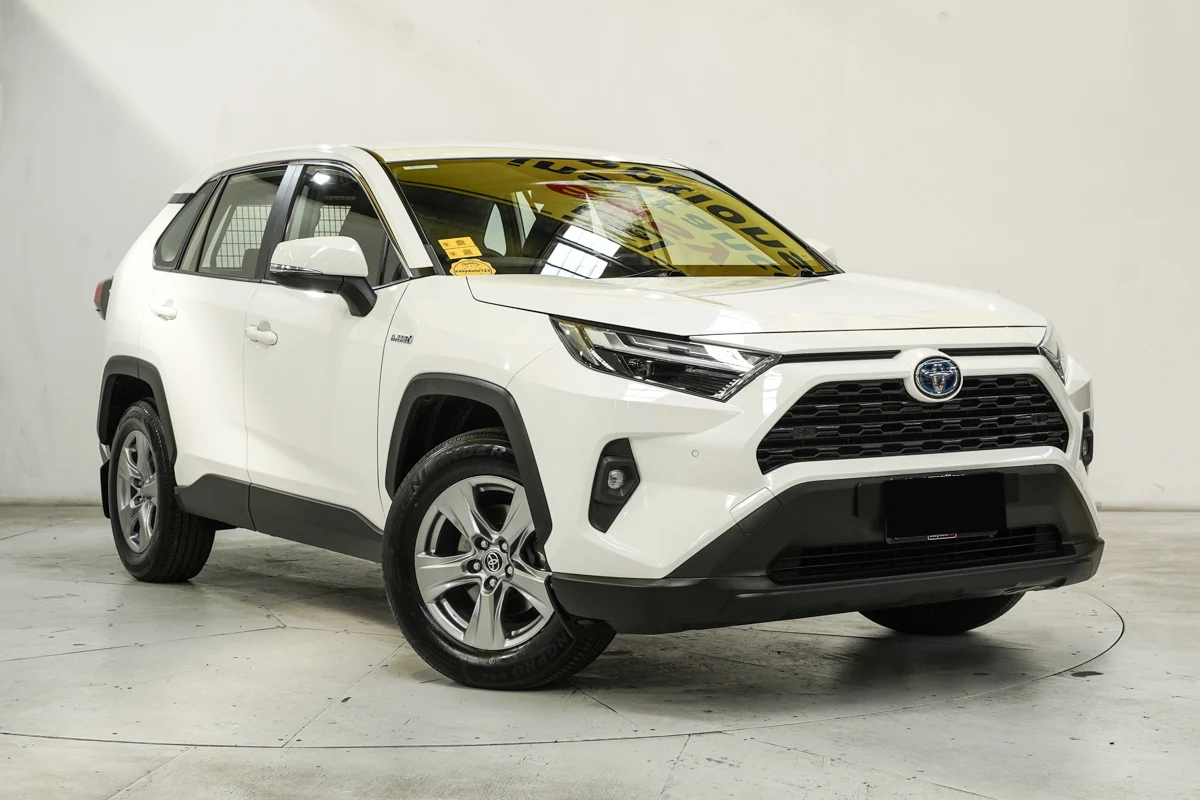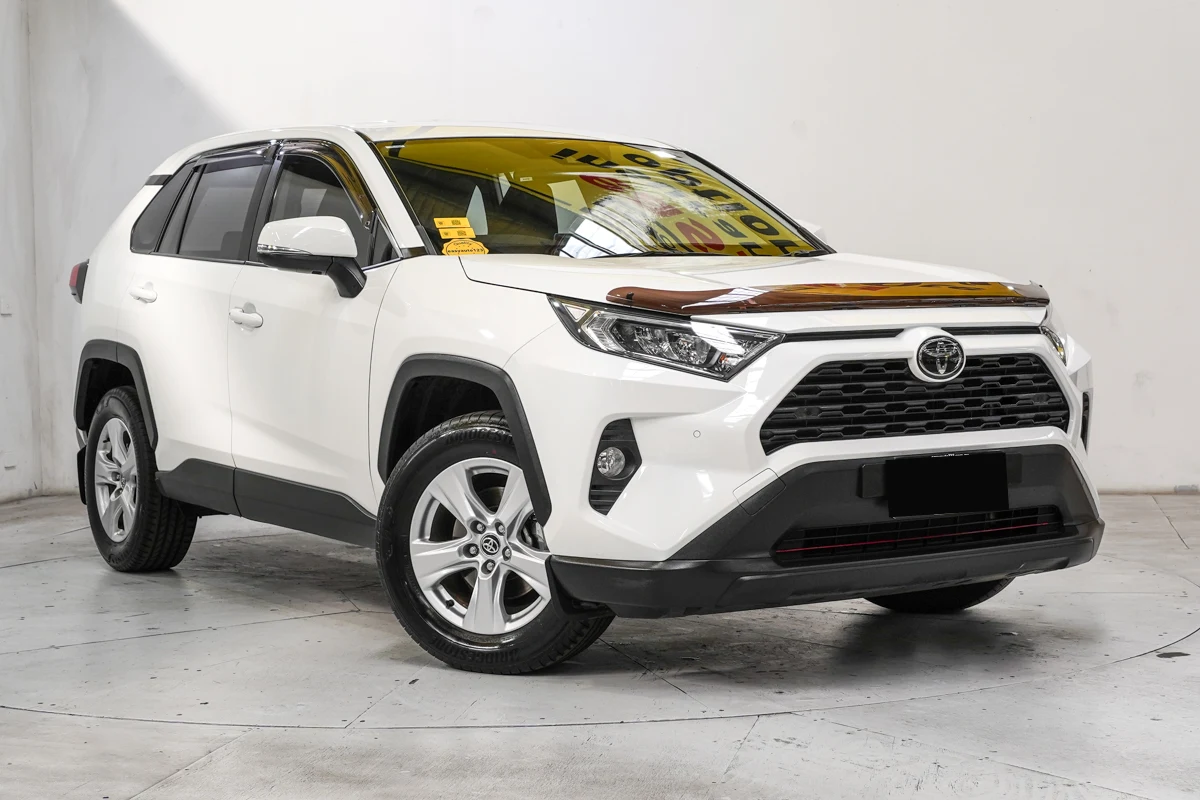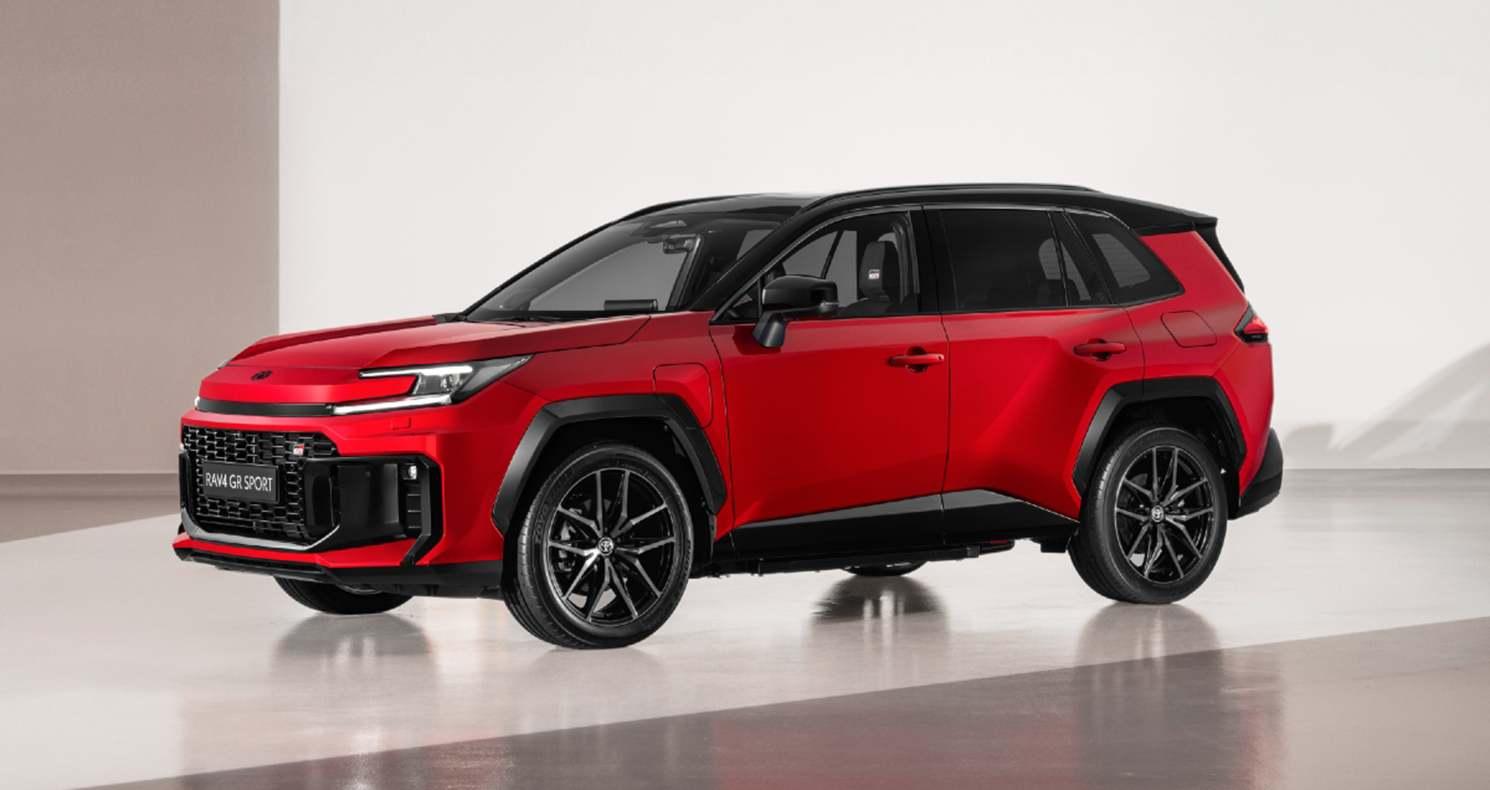

Australia's best-selling passenger car is on sale, in dealer showrooms, being driven home by thousands of families every month, and it does not have an independent ANCAP safety rating. That alone would not be a scandal. The scandal is that Toyota itself has openly admitted the new Toyota RAV4 is missing key safety technology required to meet the new-for-2026 five-star ANCAP standard, and the country's independent safety testing body has not committed to crash testing it now.
For Australian buyers, that is a serious issue. The RAV4 sold 51,947 examples in 2025, more than four times the combined volume of the Hyundai Palisade, Hyundai i30 sedan and Suzuki Swift, which ANCAP has crash tested. Carseekers thinks the case for ANCAP to crash test the RAV4 immediately is overwhelming, and the precedent being set right now could harm safety standards across the entire new-car market.
The exact situation Toyota has put buyers in
The new RAV4 was originally meant to launch in late 2025, before the updated 2026 ANCAP protocols took effect. Toyota designed the vehicle to meet the old five-star standard, planning for a quick on-sale window that would have given the car a five-star rating it could use throughout its showroom life.
That plan slipped. The RAV4 launched after the new protocols kicked in, and Toyota has openly confirmed the car as currently sold is missing some of the safety technology required for the updated five-star rating. The brand has promised updates "later this year," but has not specified when or what those updates will be. In the meantime, the country's most popular passenger car is on sale without an independent rating.
What ANCAP has actually said
ANCAP's CEO Carla Hoorweg told media that "as with any new model entering the Australian or New Zealand market, the Toyota RAV4 is a potential candidate for ANCAP assessment." She added that "details of models scheduled for testing and rating are not publicly released until assessments are complete" and that "until independent safety testing has been conducted, the updated model will remain unrated."
Hoorweg also encouraged "fleets and consumers to consider the availability of an independent safety rating when making purchasing decisions." That is sound advice. But it dodges the more important question, which is why ANCAP will not commit to crash testing the RAV4 now, when the car is already in showrooms and selling in volume.
The funding problem and the priority problem
ANCAP is funded by governments, motoring clubs and industry bodies. It does not have unlimited budget, and each crash test programme writes off six to seven cars. That makes choices about what to test a real budget question. But the basic logic of where ANCAP should focus its limited funding seems obvious. The independent body should be testing the cars Australians actually buy.
The RAV4 outsold the Hyundai Palisade, Hyundai i30 sedan and Suzuki Swift combined by more than four to one in 2025. The Palisade, i30 sedan and Swift have all received ANCAP testing in the past 12 months. If ANCAP's role is, as it states, to "play a vital role in informing consumers of the differences in safety performance of new vehicles," then testing the country's single biggest-selling family SUV must be the highest priority.
The precedent this sets for every other brand
The most troubling implication has nothing to do with Toyota. It is about the precedent. If Toyota can launch a model that is missing safety features required for the new five-star standard, sell it for months at an attention-grabbing price point, and then later add the safety features and submit it for testing, every other car maker now has a template to follow.
That would be a dangerous template. It would let brands launch cheaper models with reduced safety equipment, capture early market share with sharp pricing, and then quietly upgrade the spec later when the regulatory clock catches up. It would also make ANCAP's stars less meaningful, because consumers would have no way of knowing whether the car on the lot today is the version that was tested or an earlier, less-equipped one.
To be clear, Toyota is not the villain here
It is important to be precise. Toyota has not done anything illegal. Toyota has acknowledged the equipment gap, committed to closing it, and continued to meet all Australian Design Rules and ADR safety requirements. The original RAV4 design was simply ready for one set of testing protocols, the calendar slipped, and the car arrived under a different set.
This is a production-related timing issue, not a corporate strategy to bypass safety standards. But the structural question remains. Should a brand be able to sell tens of thousands of unrated cars in this country to consumers who reasonably assume that a Toyota family SUV is held to the latest safety benchmark? The answer must be no, and the fix is for ANCAP to step in.
What this means if you are buying a RAV4 right now
If you are shopping the 2026 RAV4 in May or June, you have three options. Option one is to buy now and accept that the car is unrated, with Toyota committed to a safety update later this year that may or may not require physical changes to your specific vehicle. Option two is to wait until the updated RAV4 specification is on sale and confirm with the dealer in writing exactly what additional safety equipment is included.
Option three is to cross-shop alternatives that already carry a full new-protocol ANCAP rating. The Mazda CX-5, Hyundai Tucson, Kia Sportage and Subaru Forester are all credible RAV4 alternatives in a similar price band. The Toyota brand premium is real, but it is not worth ignoring the safety question entirely.
What ANCAP should do, and what it probably will not
The right move is straightforward. ANCAP should crash test the current 2026 RAV4 specification, publish the result whatever it is, and let consumers make an informed choice. If the RAV4 misses five stars, buyers know what they are getting. If it scrapes a four-star rating, the market will respond. If it surprises and gets five stars anyway, Toyota gets a credibility boost.
Leaving the RAV4 unrated benefits Toyota. It avoids a potentially damaging public result, gives the brand time to update the specification quietly, and leaves consumers to assume the car must be fine because nobody important has said otherwise. That is the opposite of what an independent safety body exists to do.
The bottom line for Australian buyers
ANCAP is the independent voice on vehicle safety in Australia and New Zealand. It should be using that voice, on the country's single biggest-selling family SUV, right now. Carseekers will keep tracking the situation, and as soon as ANCAP publishes any rating data for the new RAV4, we will update buyers. In the meantime, if safety is your top priority and you cannot wait for Toyota's promised updates, the rated alternatives are right there on the dealer lot next door. The RAV4 brand premium is real, the Toyota dealer network is the deepest in the country, and resale values are class-leading. But none of those benefits are reasons to ignore an active safety question, particularly on a family SUV that you will likely keep for five to seven years. Push your Toyota dealer for a written confirmation of what the safety update will include, when it will land, and whether the car you are about to sign for will receive it free of charge. If the answers are anything less than specific, that itself is information worth acting on.
Considering finance for your next car? Loanseekers can help you explore car loan options.
The finer details
Your questions answered.
Does the 2026 Toyota RAV4 have an ANCAP safety rating?
No, the 2026 Toyota RAV4 does not currently have an ANCAP rating. Toyota has confirmed the car is missing some safety technology required for the new five-star 2026 ANCAP protocols and has promised updates later this year. ANCAP has said the model is a potential candidate for testing but has not committed to a specific date.
Why hasn't ANCAP tested the RAV4 yet?
ANCAP has not publicly explained why. The body says "details of models scheduled for testing and rating are not publicly released until assessments are complete." Given the RAV4 sold 51,947 examples in 2025, more than four times the combined volume of recently tested models like the Palisade and i30 sedan, the priority question is reasonable to ask.
Is it safe to buy a 2026 Toyota RAV4 without an ANCAP rating?
The RAV4 still meets all mandatory Australian Design Rules and ADR safety requirements. It is not unsafe in any regulatory sense. But it is missing some equipment Toyota itself acknowledges is needed for the new five-star standard. If safety is your top priority, consider waiting for Toyota's update or cross-shopping rated alternatives.
Which mid-size SUVs do have a current ANCAP five-star rating?
The Mazda CX-5, Hyundai Tucson, Kia Sportage and Subaru Forester all carry current ANCAP ratings under the latest protocols. All are priced in a comparable band to the RAV4 and represent credible alternatives if safety certainty matters to you. Confirm the specific model year with your dealer because rating dates vary.
When will Toyota update the RAV4 to get a five-star rating?
Toyota has said updates are coming "later this year" but has not specified the exact date or which safety features will be added. Buyers planning to purchase should ask their dealer in writing what equipment changes are confirmed for the updated specification, and whether their order will receive the updated or original build.
Should I delay buying a RAV4 until ANCAP tests it?
If you can wait, yes. The updated specification with the missing safety equipment is reportedly coming later in 2026, and ANCAP may test the updated car after that. That gives you a clearer safety picture than the current unrated build. If you cannot wait, cross-shop the rated mid-size SUV alternatives or buy with full awareness of the equipment gap.