Cheap electric hatchbacks are about to get harder to ignore. Hyundai has now locked in the Ioniq 3 for Australia, which means buyers weighing a budget EV no longer have to choose only between the usual Chinese suspects or waiting for something better to maybe arrive.
The catch is timing. Hyundai says the car will reach local showrooms in early 2027, well before many buyers expected, but most of the numbers people care about, price, battery size, range, and final specification, still have not been formally announced.
Early 2027 Arrival Gives Hyundai a Real MG 4 Rival
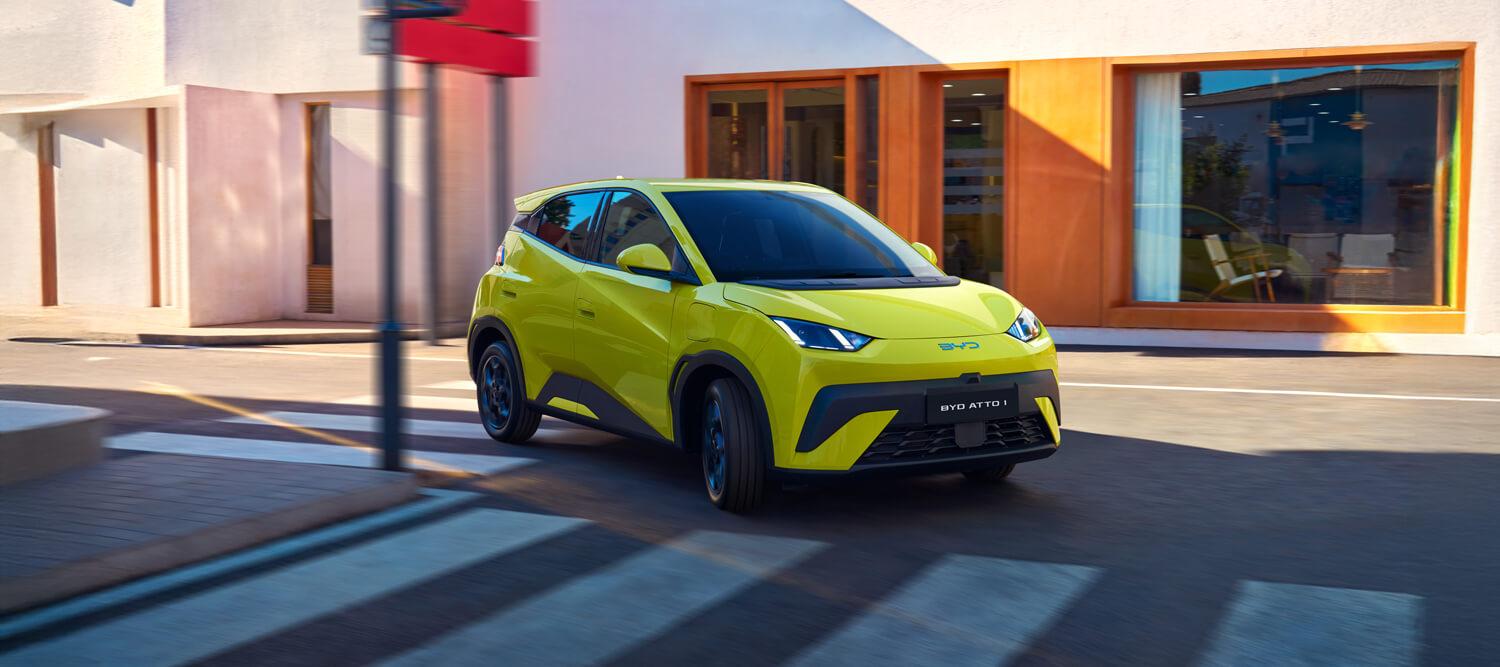
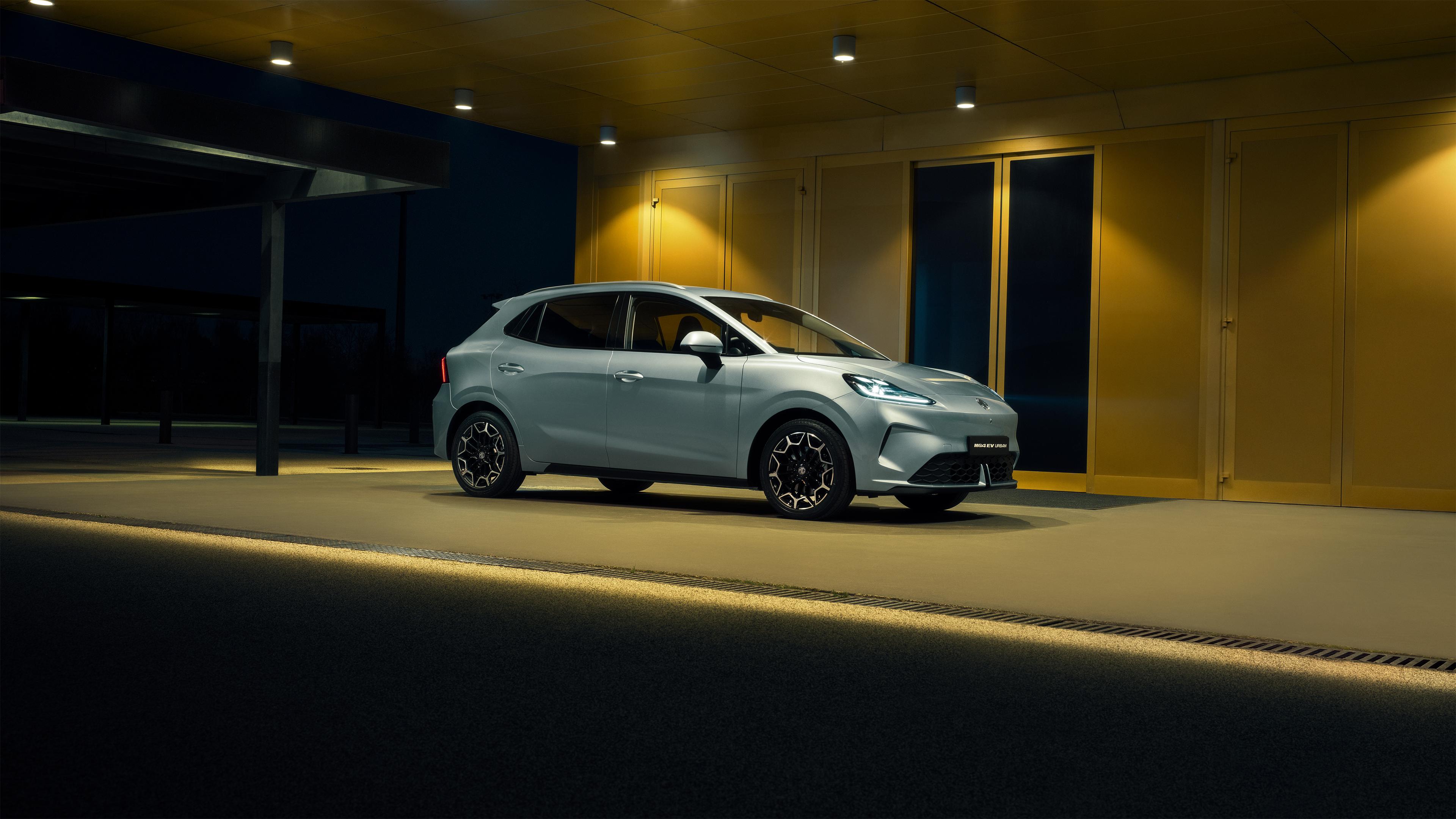
Hyundai Australia has confirmed the Ioniq 3 electric hatch will arrive in early 2027 as part of a broader push to cover more of the local EV market. It is being positioned below the Ioniq 5 and closer to cars such as the MG 4, BYD Dolphin, and the size class occupied by the Hyundai i30.
Hyundai sales director David Rodda said the brand's current EV line-up covers 85 per cent of the market and that the arrival of the Staria electric van later this year plus the Ioniq 3 next year should lift that to 96 per cent. That is Hyundai admitting it has been missing an affordable EV entry point.
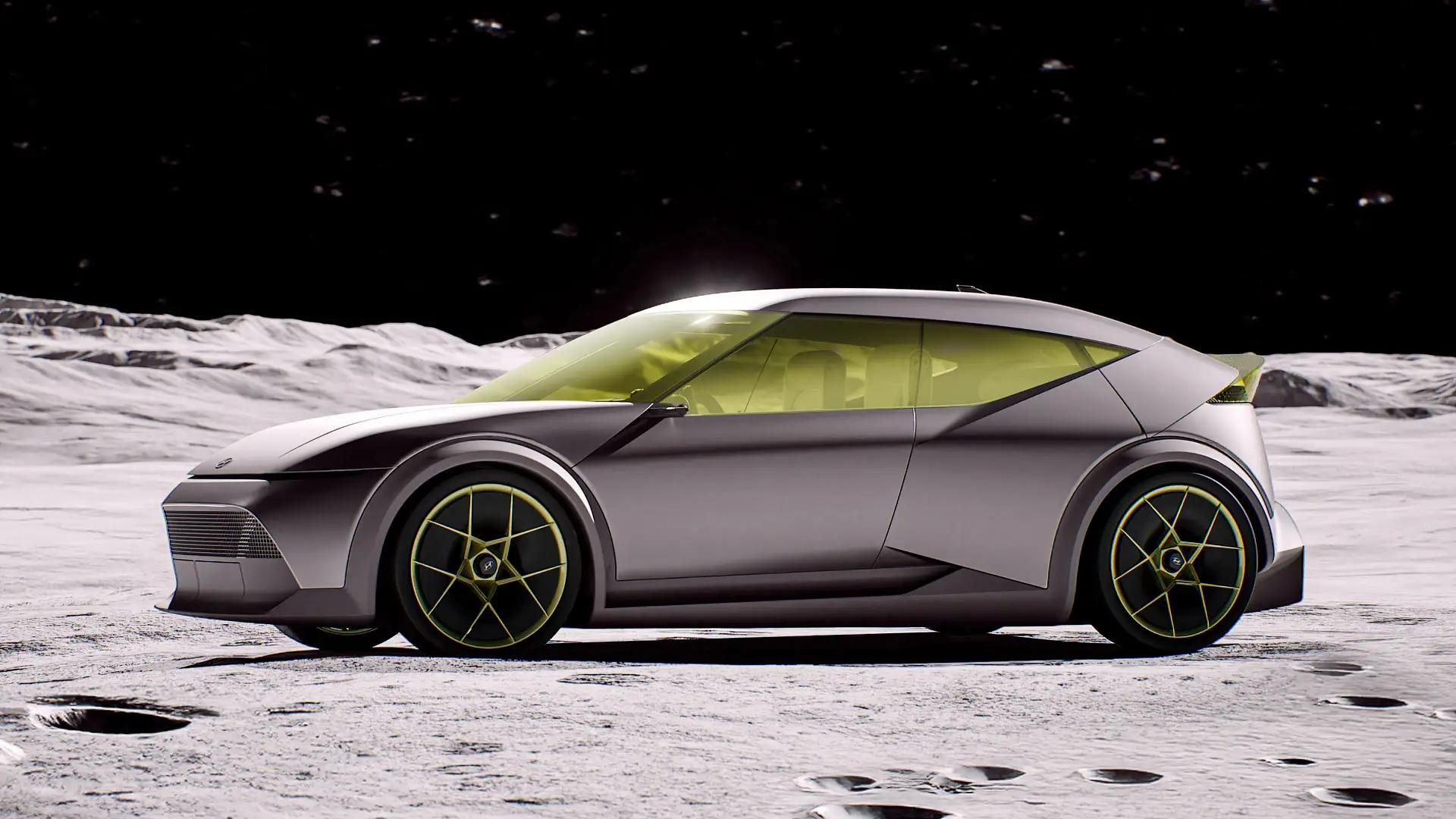
The production car has not been fully revealed yet. Hyundai has only shown the Concept Three, so buyers should treat the confirmed Australian timing as real, but the final shape, trim grades, and Australian equipment list as unfinished work.
The Turkey Production Detail Buyers Should Not Ignore
The source article spends time on the concept styling, but the more important detail is where the car will be built. The Ioniq 3 is set to come from Hyundai's Izmit plant in Turkey, not South Korea.
That matters because production location affects shipping cost, supply consistency, and sometimes pricing headroom. If Hyundai sources the Ioniq 3 from Turkey while Kia sources the related EV3 from South Korea, Hyundai may have less room to aggressively undercut its cousin in Australia.
It also tells buyers this is not simply an Ioniq 5 cut down in size. Hyundai is building a dedicated volume play for markets that want a smaller electric hatch, but it still has to land at a price that makes freight and exchange rates work.
Why Buyers Should Benchmark It Against the Kia EV3 Now
Hyundai has not confirmed battery sizes or range, but industry expectations point to the Ioniq 3 sharing much of its hardware with the Kia EV3. If that happens, Australian buyers could be looking at a 58kWh entry battery and an 81kWh long-range option.
That would roughly translate to a range bracket spanning from the mid-400 kilometre zone to just over 600 kilometres on the WLTP cycle, with front-wheel drive and around 150kW from a single motor. In plain English, that is enough to make it a serious commuter and family car, not just a city runabout.
The practical buyer takeaway is simple. If Hyundai gets close to EV3 efficiency without matching EV3 pricing, the Ioniq 3 becomes a strong badge-and-support play. If it lands too close to larger electric SUVs on price, its value case weakens fast.
The Price Battle Starts Months Before Hyundai Opens Orders
The EV3 currently gives the clearest pricing reference, starting from $47,600 before on-road costs and stretching to $63,950. Hyundai's cheaper Inster starts from $39,000, which means the Ioniq 3 probably needs to land between those two points to make commercial sense.
That sounds obvious, but it creates pressure across the segment right now. MG and BYD dealers know a mainstream brand with national dealer coverage is coming for buyers who want a smaller EV but are not ready to take a chance on an unfamiliar ownership experience.
If you are negotiating on an MG 4 or BYD Dolphin in the second half of 2026, mention the Ioniq 3 by name. Even before the Hyundai arrives, the threat of it arriving can loosen a deal on the cars already in stock.
What Hyundai Dealers Will Know Long Before the Public Does
Dealers usually get product timing, preliminary variant guidance, and expected stock windows before the full public reveal. They will not always have confirmed pricing early, but they often know whether a car is being targeted as a volume seller or a margin car.
That changes how you should ask questions. Do not ask whether the Ioniq 3 is coming, because that is already confirmed. Ask when Hyundai expects to brief dealers on variants, whether expressions of interest are being collected yet, and whether the first Australian allocation is likely to be tight.
A dealer who cannot answer those questions today is not hiding anything. A dealer who still cannot answer them later in 2026 is a signal to slow down and avoid putting down money too early.
The Smart Shopping Play Is to Wait for the Full Reveal, Not the Launch
Most buyers do not need to wait until cars hit Australian showrooms in 2027. The real decision point will come once Hyundai reveals the production version later this year and confirms the core specifications that actually affect ownership.
That is the moment to compare battery size, charging speed, boot space, warranty detail, and drive-away pricing against the MG 4, BYD Dolphin, and Kia EV3. Until then, all three competing brands retain one advantage Hyundai does not have yet, a full price sheet and a real delivery path.
If you need a car before Christmas 2026, waiting for the Ioniq 3 may be a mistake. If you can hold off into next year, the extra information should give you a cleaner decision and probably a stronger negotiating position elsewhere.
Use Hyundai's New Hatchback to Your Advantage Before It Arrives
The best buyer move today is not to place a blind deposit. It is to use the confirmed arrival of the Ioniq 3 to force sharper comparisons on the cars already available, especially if a dealer is claiming there is no credible mainstream rival in this part of the market.
That is where Carseekers becomes useful. Compare what is on sale now against what Hyundai is promising, then decide whether an immediate deal, a late-2026 discount, or an early-2027 wait gives you the strongest hand.
If Hyundai prices this car properly, it will matter. If it does not, buyers who stayed disciplined and shopped the segment with hard numbers instead of hype will be the ones who win.
Considering finance for your next car? Loanseekers can help you explore car loan options.
The finer details
Your questions answered.
Is the 2027 Hyundai Ioniq 3 coming to Australia?
Yes. Hyundai has confirmed the Ioniq 3 for Australian showrooms in early 2027. It is a compact electric hatchback positioned as the successor to the Hyundai i30's market role, targeting the $40,000 to $50,000 electric segment that has been dominated by Chinese-brand alternatives.
How much will the 2027 Hyundai Ioniq 3 cost in Australia?
Hyundai has not confirmed Australian pricing for the Ioniq 3. Based on its positioning as a compact entry EV, pricing below $50,000 is expected. Whether it undercuts or matches Chinese-brand alternatives like the BYD Dolphin and MG 4 will determine its competitiveness in the volume segment.
How does the 2027 Hyundai Ioniq 3 compare to the MG 4 EV?
Both are compact electric hatchbacks targeting the sub-$50,000 market. The Ioniq 3 carries Hyundai's established Australian brand support, stronger resale data, and a wider dealer network. The MG 4 is available now at $34,990 drive-away with competitive range. The Ioniq 3 may command a modest premium for brand assurance and better residuals.
What is the expected range of the 2027 Hyundai Ioniq 3?
Hyundai has not confirmed range specifications for the Australian-market Ioniq 3. Based on the platform and battery architecture shown in international previews, a WLTP range between 400 and 500km is expected. Confirm the exact figure when Australian specifications are published ahead of the early 2027 launch.
Is the Hyundai Ioniq 3 replacing the Hyundai i30 in Australia?
Not officially. The Ioniq 3 is positioned as the electric alternative in the same segment where the i30 sells as a petrol and hybrid option. Whether Hyundai will eventually phase out the i30 in favour of the Ioniq 3 has not been confirmed, but the Ioniq 3's arrival signals Hyundai's long-term direction for the compact hatch segment.
Should I wait for the Ioniq 3 or buy a current EV hatch now?
If Hyundai's brand assurance is important to you and you can wait until early 2027, it is worth holding. If you need an EV hatch now, the MG 4 and BYD Dolphin are strong options available today. The Ioniq 3's main advantage over Chinese rivals will likely be residual values and dealer network depth rather than specifications per dollar.