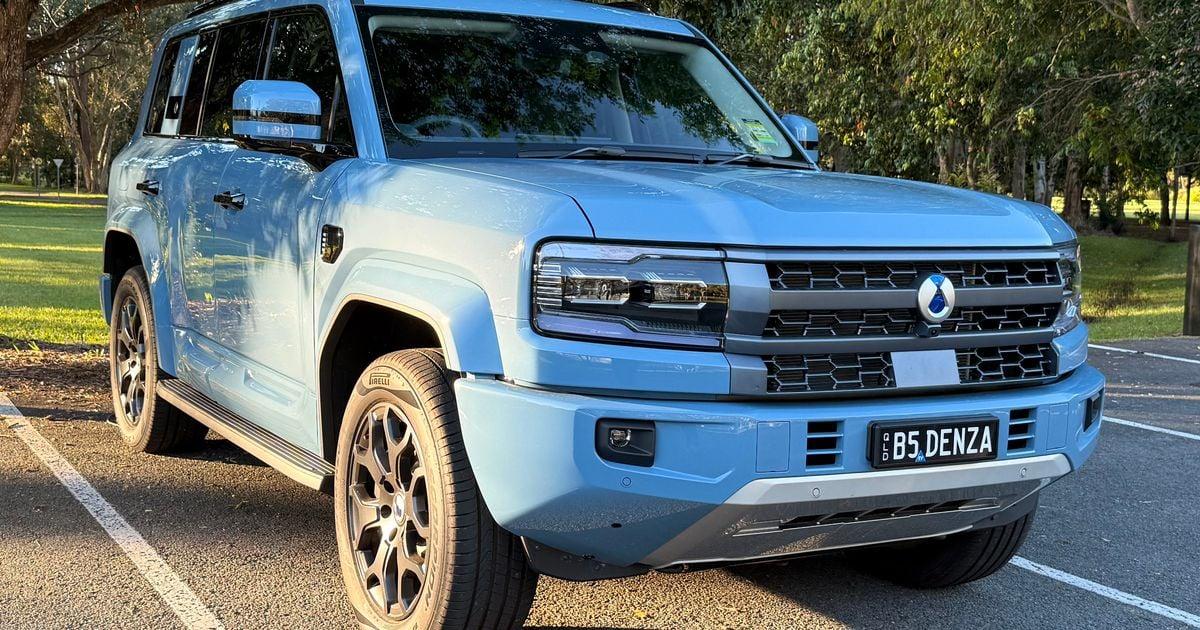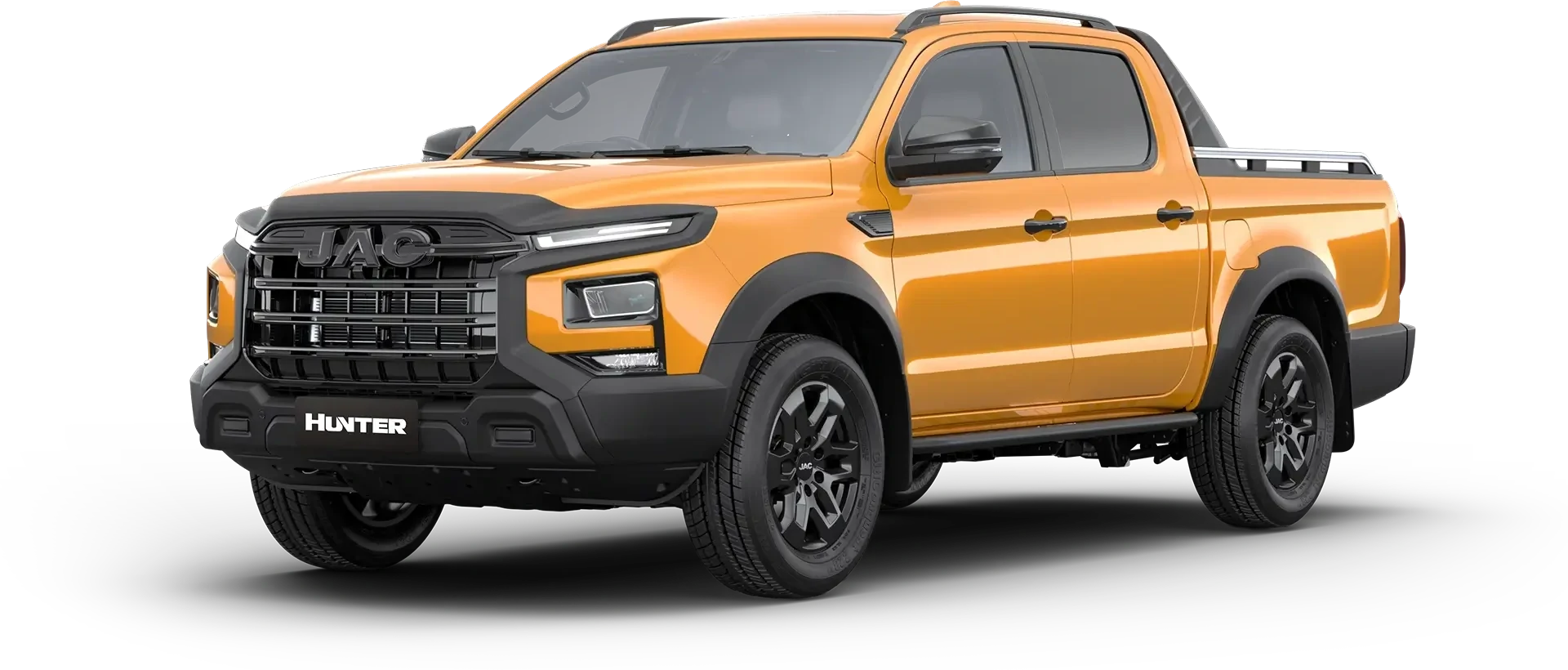
The plug-in hybrid ute segment has gone from a curiosity to a genuine four-way fight in less than eighteen months. The BYD Shark 6 captured the early imagination, the GWM Cannon Alpha PHEV arrived to challenge it on price and capability, the Ford Ranger PHEV brought the established workhorse name into the segment, and now the JAC Hunter is about to undercut the lot at under $50,000.
That is a meaningful number. The Hunter PHEV will be the cheapest plug-in hybrid ute on sale in Australia when it lands, with the BYD Shark 6 starting at $57,900, the Cannon Alpha at a small step beyond $60,000, and the recently price-cut Ford Ranger PHEV XL at $59,000 drive-away. Carseekers has worked through the four-way comparison to figure out which one is actually the right buy for Australian conditions.
Price puts the JAC in the lead
The Hunter enters the Australian market at less than $50,000, making it materially cheaper than every rival in the segment.
For context, the Shark 6's cheapest pick-up variant starts at $57,900 in Premium trim. The new Shark 6 Performance variant adds a more powerful 2.0-litre turbocharged four-cylinder engine for total system outputs of 350kW and 700Nm, boosted towing to 3500kg, and a $5,000 premium over the Premium. The Cannon Alpha PHEV opens at just beyond $60,000. The Ford Ranger PHEV XL, the recently introduced entry-level variant, lands at $59,000 drive-away.
The Hunter therefore opens roughly $7,000 to $10,000 below the cheapest rival. That is a significant gap in a segment where buyer expectations have been set by Chinese competitors and where Ford is already discounting to stay competitive.
Power and torque comparison
The Hunter has the highest peak power of any PHEV ute in the segment. JAC quotes 360kW combined from its 2.0-litre turbo-petrol engine and dual electric motors. Official combined torque has not been confirmed at the time of writing.
The BYD Shark 6 Premium produces 321kW combined from a 1.5-litre turbo-petrol and dual electric motors. The GWM Cannon Alpha PHEV is below the Shark 6 on power with its 2.0-litre and single electric motor combination, but offers higher torque. Ford's Ranger PHEV uses a 2.3-litre four-cylinder petrol producing 207kW, the least power of any rival despite competitive torque.
If raw power matters to you, the Hunter is the leader. If you care more about the broader balance of performance, towing, and drivability, the picture gets more interesting once you factor in the other numbers.
Fuel economy and electric range
This is where the comparison gets nuanced. The Hunter wins on combined fuel economy at 1.6L/100km. The Cannon Alpha is close at 1.7L/100km. The Shark 6 returns 2.0L/100km. The Ford Ranger PHEV is the highest user at 2.9L/100km.
It is worth noting that these are NEDC figures where possible, which are systematically more lenient than WLTP. Real-world fuel use will be higher across the board, and (importantly) those numbers assume a fully charged battery. BYD is the only brand of the four that publishes a separate hybrid-only fuel figure (without the battery contribution), which highlights how dependent these advertised numbers are on regular charging.
Electric-only range is the next variable. The Hunter claims 100km of electric driving from its 31kWh battery, with a total combined range of 1005km. The Shark 6 also claims 100km of electric range from a 30kWh battery, with a 800km total range. The Cannon Alpha leads the electric range race at 115km from a bigger 37kWh battery, with a 1060km total range. The Ranger PHEV is well behind with a 12kWh battery delivering 49km of WLTP electric range, and the lowest total range of the four.
For a buyer who can charge at home and primarily uses the ute for shorter daily distances, the Hunter, Shark 6 and Cannon Alpha all deliver enough electric range to genuinely run on battery for most of the working week. The Ranger PHEV requires the petrol engine to do meaningfully more of the heavy lifting, which is why its consumption figure is the highest of the four.
Towing capacity
This is the spec sheet item that determines whether a ute is genuinely a ute for many Australian buyers.
The BYD Shark 6's cheapest Premium variant tops out at 2,500kg braked towing capacity, the lowest of the four. The new Shark 6 Performance variant addresses that by boosting towing to the segment-standard 3,500kg, but you pay $5,000 more for it. The Cannon Alpha, Hunter and Ranger PHEV all offer 3,500kg braked towing as standard, matching the diesel benchmark.
If you regularly tow a caravan, boat, or trailer, the entry-level Shark 6 Premium's lower towing capacity is a deal-breaker. You either need to step up to the Shark 6 Performance or look at one of the other three rivals.
Payload
The Ranger PHEV has the highest payload of the four, with the Hunter coming in close behind. The Shark 6 follows, and the Cannon Alpha trails the segment. Payload differences are mostly in the 50 to 150kg range, which is enough to matter if you regularly carry heavy gear in the tray but small enough not to be decisive for casual users.
Where each ute makes the most sense
JAC Hunter PHEV. Best for buyers who want the cheapest entry to PHEV ute ownership, with the highest peak power and lowest fuel use of the segment. The trade-off is brand newness in Australia and a thinner dealer network than the more established players.
BYD Shark 6. The most mature offering in the segment, with the strongest brand recognition, the largest Chinese-brand dealer network in Australia, and the choice between the Premium and Performance variants. The cheapest Premium variant's reduced towing capacity is the main caveat.
GWM Cannon Alpha PHEV. The longest electric driving range and the best total range, paired with established GWM dealer support and a six-year warranty. Slightly more expensive entry point than the Shark 6 and the Hunter.
Ford Ranger PHEV. The familiar Ranger name with the deepest dealer network in the country and the highest payload of the four. The trade-offs are the smallest battery, the shortest electric range, the highest fuel consumption, and the lowest power output. Ford's recent price cut to $59,000 makes it more competitive than it was.
The deeper segment dynamics
The segment is not finished evolving. GWM will release a cheaper, smaller Cannon ute in the coming weeks. Chery is not far from launching a diesel plug-in hybrid ute that will add yet another option. Toyota's HiLux PHEV remains on the medium-term horizon. By the end of 2027, the PHEV ute segment in Australia is likely to have six or seven serious contenders.
That is good news for buyers. Pricing pressure should continue to push entry prices down, equipment levels up, and dealer flexibility on add-ons higher. The Ford Ranger PHEV's recent price cut is an early signal of where the segment is heading.
What to watch out for in the dealership
This is the bit that genuinely affects what you pay. Plug-in hybrid utes are still being sold at a premium over equivalent diesel utes, and dealers know buyers see the headline price first and worry about running costs second.
Get drive-away pricing in writing on the specific variant you want before the salesperson moves to add-ons. Paint protection, ceramic coatings, fabric protection, dash mats, sports bars and bull bars can add $6,000 to $10,000 to the deal in twenty minutes if you let the conversation drift.
Also check what is included in the towing setup. Some PHEV utes have factory-fitted tow bars and trailer wiring included at certain trim levels, others charge $1,500 to $2,500 for the same equipment as a dealer-fitted accessory. That is a real cost difference that can shift the value picture between variants.
Finance terms are the other place to push. Chinese-brand dealers have been more aggressive on subvented finance rates than Ford has, particularly on demo or end-of-quarter stock. Compare against a bank pre-approval and shop the dealer-offered finance against your own.
The Carseekers view
The JAC Hunter PHEV is going to reset the floor in the segment when it launches. Under $50,000 drive-away for a 360kW plug-in hybrid ute with 100km of electric range is a price the rest of the segment will have to react to.
The Shark 6 remains the most mature and the most familiar option, and the Cannon Alpha offers the longest electric range and total driving range. The Ford Ranger PHEV is the safest dealer-network play, but its smaller battery and higher fuel use make it the weakest of the four on pure plug-in hybrid economics.
For most Australian buyers who actually want to use the plug-in hybrid functionality, the Shark 6 Premium, Cannon Alpha or Hunter make more sense than the Ranger PHEV. The choice between those three comes down to how much you trust the brand, how confident you are in the local dealer network, and how much the Hunter's price advantage matters against the established players' track record.
Considering finance for your next car? Loanseekers can help you explore car loan options.
The finer details
Your questions answered.
How much will the JAC Hunter PHEV cost in Australia?
JAC has confirmed the Hunter will enter the Australian market at less than $50,000, making it the cheapest plug-in hybrid ute on sale. That undercuts the BYD Shark 6 Premium ($57,900), the GWM Cannon Alpha PHEV (over $60,000) and the recently price-cut Ford Ranger PHEV XL ($59,000 drive-away).
Which PHEV ute has the longest electric range?
The GWM Cannon Alpha leads with 115km of electric-only range from a 37kWh battery. The JAC Hunter and BYD Shark 6 both claim 100km of electric range. The Ford Ranger PHEV is well behind at 49km from a much smaller 12kWh battery.
Can the BYD Shark 6 tow 3.5 tonnes?
Not in entry-level Premium trim. The cheapest Shark 6 Premium variant tops out at 2,500kg braked towing. The new Shark 6 Performance variant boosts towing to the segment-standard 3,500kg for an additional $5,000. The Cannon Alpha, JAC Hunter and Ford Ranger PHEV all offer 3,500kg towing as standard.
Which PHEV ute uses the least fuel?
On combined NEDC figures, the JAC Hunter leads at 1.6L/100km, the GWM Cannon Alpha follows at 1.7L/100km, the BYD Shark 6 is 2.0L/100km, and the Ford Ranger PHEV is 2.9L/100km. These figures assume a fully charged battery, so real-world consumption depends heavily on how often you plug in.
What is the most powerful PHEV ute in Australia?
The JAC Hunter PHEV claims the highest peak power at 360kW combined. The BYD Shark 6 Performance produces 350kW combined and adds the highest performance-focused upgrade in the segment. The Cannon Alpha sits below both, and the Ford Ranger PHEV is the least powerful at 207kW.
Which PHEV ute should I buy?
The JAC Hunter is the cheapest entry and the most powerful on paper. The BYD Shark 6 is the most mature and best-known. The GWM Cannon Alpha offers the longest electric range. The Ford Ranger PHEV has the deepest dealer network and highest payload. The right choice depends on how much you tow, how often you charge, and how comfortable you are with newer Chinese brands.