Fuel prices in Australia have been on a roller-coaster through 2026. Middle East instability, fluctuating oil markets and supply-chain noise have all pushed prices higher than most of us are comfortable with. They might come down again. They might not.
The sensible response is not to wait and hope. The sensible response is to reduce how much fuel your 4WD actually uses, while also seriously considering whether your next vehicle should be a hybrid or PHEV that takes a chunk of the bill off the table permanently.
For anyone running a Toyota HiLux, Ford Ranger, Toyota LandCruiser 300, Nissan Patrol, Isuzu D-Max or Mitsubishi Triton, the following changes will lower your weekly fuel bill noticeably. Most are free. A couple require some honesty about what you actually use your 4WD for.
Delete the weight you do not actually use
This is the single biggest win for most 4WD owners. A bullbar, winch, roof-top tent, tray canopy, heavy-duty spare carrier, MaxTrax, long-handled shovel and a full toolkit add hundreds of kilograms to a vehicle. Every kilogram is fuel.
If you actually go bush every weekend, keep it all. If you go bush twice a year and the rest of the time you commute and drop kids at school, take it off. Yes, putting the bullbar back on for the Easter long weekend is a hassle. The fuel saving the other 50 weekends of the year is worth it.
A typical decked-out LandCruiser 300 carrying 250kg of permanent aftermarket gear will burn somewhere between 0.5 and 1.0 litres per 100km more than the same vehicle running stripped. Over 20,000km that is 100 to 200 litres of diesel, or $200 to $400 a year. Easy money back.
Run the correct tyre pressures, and check them cold
On bitumen, most 4WDs want 30 psi or higher up front. Always check the tyre placard inside your driver's door for the specific recommendation for your vehicle and tyre size.
The critical detail is to check pressures cold, when the vehicle has not been driven for at least three hours. Tyres that have been driven on for an hour will read 2 to 4 psi higher than their actual cold pressure, which makes it impossible to set them correctly.
Under-inflated tyres increase rolling resistance, which increases fuel use. Michelin's tyre engineers describe rolling resistance directly: "A 30 per cent increase in rolling resistance generates between 3 and 5 per cent of fuel overconsumption."
The practical implication is that a vehicle running at 28 psi instead of the recommended 35 psi will use 3 to 5 per cent more fuel. Over a 20,000km year on a diesel 4WD averaging 10 litres per 100km, that's roughly $300 in additional fuel costs that a $20 tyre gauge would have saved.
Get the right tyres for the actual job
Aggressive mud-terrain tyres look great. They also kill fuel economy. A set of large mud-terrains versus highway-friendly SUV tyres typically costs you 1 to 1.5 litres per 100km in additional fuel use, plus they wear out faster and are noisier.
If you do not actually drive in mud or rocks, you do not need mud-terrains. A mild all-terrain tyre with a closed-tread design gives you 95 per cent of the off-road grip you need for most rural-track driving, with significantly better fuel economy and longer life on bitumen.
Wheel size also matters. Bigger wheels and steel rims add unsprung weight, which increases the rotational mass the engine has to move. If you have upgraded to 20-inch wheels and steel rims, you are paying for that visually with fuel costs.
Drive smoothly, drop the heavy right foot
Aggressive acceleration and hard braking are the easiest fuel waste in any vehicle. Imagine your job is to make sure everyone on the road arrives at their destination safely, including the impatient guy behind you. Drive at the speed limit, accelerate smoothly, anticipate traffic ahead and brake gradually.
The quoted fuel saving for moving from aggressive to smooth driving is typically 15 to 25 per cent in real-world testing. That is significantly more than any tyre pressure or weight reduction will deliver. It is also completely free.
The other half of this is reading the road ahead. Coasting toward red lights and roundabouts rather than braking heavily, looking three or four cars ahead in traffic, and timing your acceleration to match the green-light sequence on familiar streets all add up.
Maintain the vehicle properly
A well-maintained engine uses less fuel than a neglected one. The basics: change the engine oil and filter at the recommended interval. Replace the air filter when due (more often if you drive on dirt regularly). Keep the fuel filter clean. Use the correct grade of fuel.
Diesel particulate filters that are clogged from short-trip-only urban driving will hammer fuel economy. If your 4WD lives mostly in suburbia, take it for a 30-minute highway run once a month to give the DPF a chance to regenerate. This single habit can save 1 litre per 100km on a clogged-DPF vehicle.
Under-inflated suspension, dragging brake calipers and out-of-alignment wheels all increase rolling resistance. Annual service and check-up addresses these issues before they cost you fuel.
Plan your trips
Cold engines use significantly more fuel than warm ones. A 5km school run followed by a 7km drive to work followed by a 10km errand uses meaningfully more fuel than the same 22km done in one continuous trip.
If you can bundle errands together, do them in one drive. The fuel saving from completing 25km of mixed trips in one outing rather than three separate cold-start trips can be 10 to 15 per cent.
This also reduces wear on starter motors, batteries, transmissions and exhaust systems, all of which save money longer-term.
Stop carrying things you do not need
The back seat of a 4WD often becomes a permanent storage area for gear that should not be there. Sports equipment, work materials, a fridge that has not been turned on in months. Every kilogram of permanent passenger cargo is fuel.
Clean the boot out. Take out the kids' bikes. Remove the fridge if it is not currently in use. The fuel saving is small per kilogram but it adds up across hundreds of kilograms of accumulated gear that lives permanently in the back of most 4WDs.
Honest question: should you switch to a hybrid?
This is where the conversation gets uncomfortable for traditional 4WD owners. A modern hybrid 4WD or PHEV ute genuinely uses less fuel than a conventional diesel.
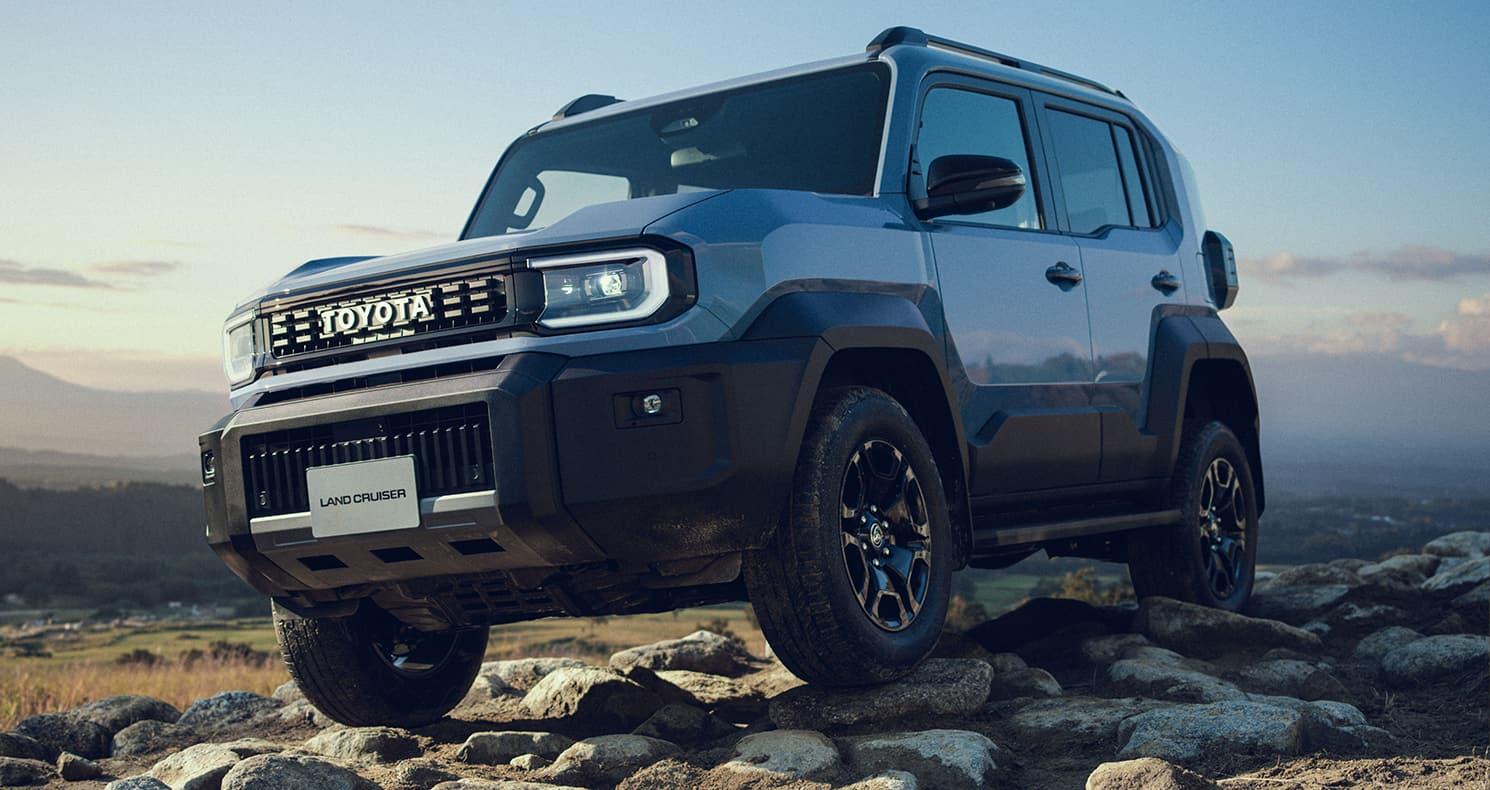
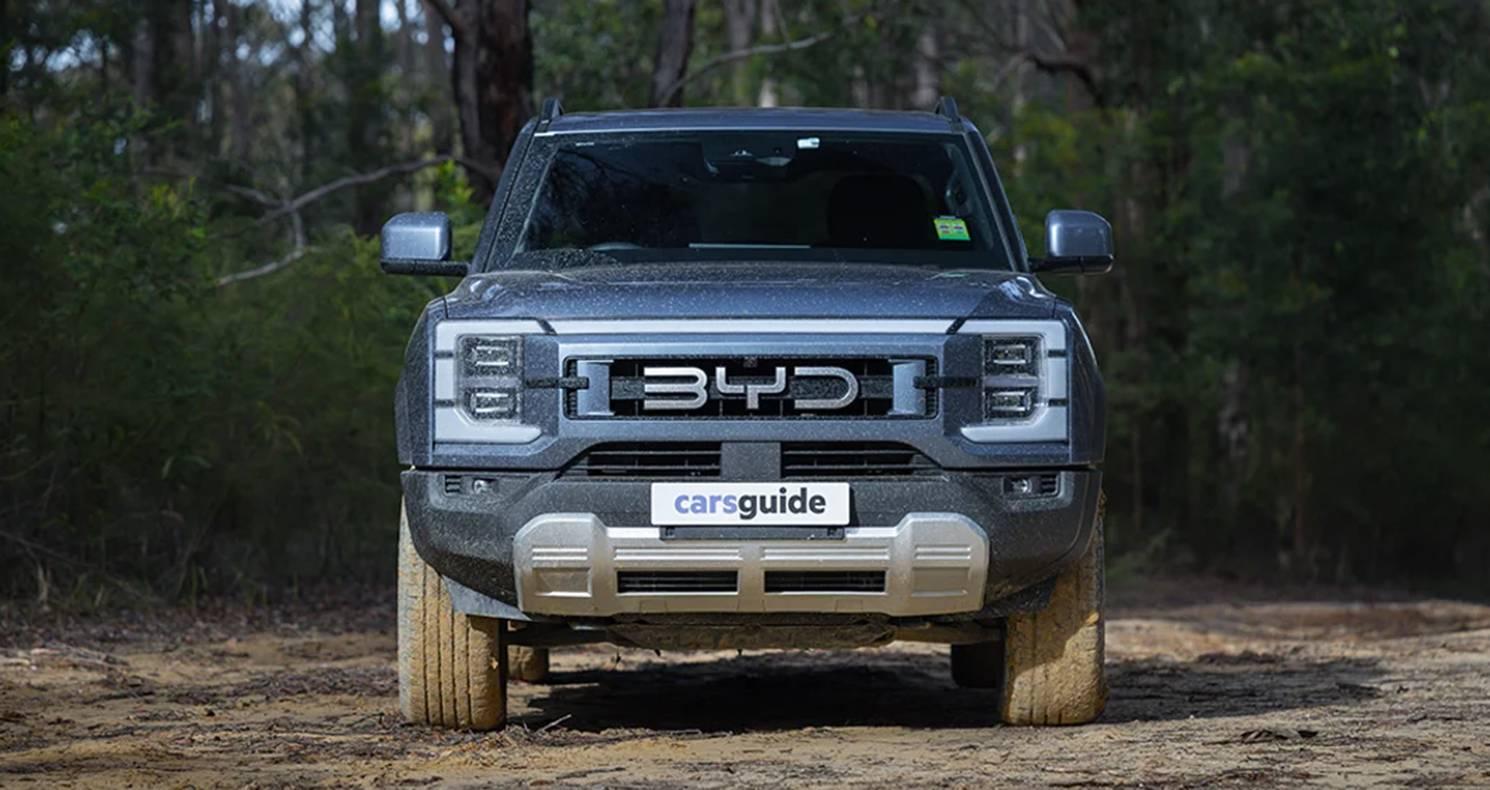
The Toyota LandCruiser 300 hybrid arrived earlier this year and significantly lowers fuel use compared to the diesel-only previous generation. The BYD Shark 6 PHEV ute averages around 2 litres per 100km on the combined cycle when its battery is full, climbing to 7 to 8 litres per 100km in long-distance use once the battery is depleted. The Ford Ranger PHEV arrives in showrooms over the next few months with similar claims.
For a buyer doing 25,000km a year, switching from a diesel HiLux to a BYD Shark 6 PHEV can save $3,000 to $4,000 in annual fuel costs, depending on how much of the driving is short-trip (where the battery does the work) versus highway (where the engine does).
The trade-off is the upfront price. A Shark 6 starts around $58,000 drive-away, which is similar to a high-spec HiLux. So the financial case is essentially neutral upfront, with PHEV winning over the ownership period through fuel savings.
For full off-road duty in remote conditions, a diesel still wins because you cannot refuel an empty battery in the middle of nowhere. For everything else, hybrid and PHEV options now genuinely make sense.
What the numbers look like together
Applied together, the changes above can realistically cut a 4WD's fuel use by 20 to 35 per cent. That is not theoretical. It is the cumulative effect of correct tyre pressures, smooth driving, removing unused weight, proper maintenance and trip planning all stacking together.
On a vehicle that averages 11 litres per 100km, that is a reduction to 7 to 8.5 litres per 100km. Over 20,000km a year at $2 per litre, that is $1,000 to $1,400 in annual fuel savings. Real money, no equipment purchases required.
Where dealers will not help you
Nobody at the dealership benefits from telling you that the 35-inch tyres on your wishlist will cost you 1.5 litres per 100km. Nobody benefits from explaining that your sports bar and roof-rack basket add 80kg of permanent weight. The aftermarket-accessories conversation is one of the highest-margin parts of a 4WD sale.
If fuel efficiency matters to you, make accessories an explicit conversation. Ask which items affect fuel economy. Get the answer in writing or at least documented in the deal notes. Choose the lighter wheel option. Skip the cosmetic bullbar if you do not actually need the front protection.
Bottom line
Reducing 4WD fuel use comes down to three things: weight, drag and driving style. Address all three and the saving is substantial. Add the option of a hybrid or PHEV powertrain on your next vehicle and the saving becomes structural rather than incremental.
For anyone replacing a 4WD in the next 12 months, the Carseekers buyer tools let you compare diesel, hybrid and PHEV options across the Toyota HiLux, Ford Ranger, Mitsubishi Triton and Isuzu D-Max line-ups alongside the BYD Shark 6 and GWM Cannon Alpha. Match the powertrain to how you actually drive, not how the marketing pictures suggest.
Considering finance for your next car? Loanseekers can help you explore car loan options.
The finer details
Your questions answered.
What is the biggest fuel-saving change I can make to my 4WD?
Driving style. Moving from aggressive to smooth driving typically reduces fuel use by 15 to 25 per cent in real-world testing. It is completely free and bigger than any tyre pressure, weight or maintenance change. Anticipate traffic, accelerate smoothly and brake gradually.
Will running higher tyre pressure save fuel?
Yes, within manufacturer limits. Running at the placard pressure rather than under-inflated saves 3 to 5 per cent in fuel use. Check pressures cold when the vehicle has not been driven for three hours, and use a quality gauge. Do not exceed the maximum pressure on the tyre sidewall.
Do bigger wheels really cost more fuel on a 4WD?
Yes. Larger wheels add unsprung rotating mass which the engine has to constantly accelerate and decelerate. Combined with the typical use of mud-terrain tyres on bigger wheels, the fuel penalty is usually 1 to 1.5 litres per 100km versus standard 17 or 18-inch wheels with mild all-terrain tyres.
Is a BYD Shark 6 PHEV cheaper to run than a diesel HiLux?
Significantly, in mixed urban and rural driving. The Shark 6 averages around 2 litres per 100km when its battery is full and 7 to 8 litres per 100km once depleted. Over 25,000km a year, fuel savings versus a diesel HiLux are typically $3,000 to $4,000 depending on how much driving is short-trip vs highway.
Does a roof rack really increase fuel consumption?
Yes, both through added weight and aerodynamic drag. An empty roof rack typically costs 0.3 to 0.6 litres per 100km. A loaded roof rack can cost 1 to 1.5 litres per 100km. If you only use the rack occasionally, remove it between trips.
How much does a clogged diesel particulate filter affect fuel use?
Significantly. A heavily clogged DPF can cost 1 litre per 100km or more in additional fuel use. If your 4WD lives mostly on short suburban trips, take it for a 30-minute continuous highway run once a month to allow the DPF to regenerate fully. This single habit also extends DPF life dramatically.