Australia's appetite for new cars has hit a five-year low, with Roy Morgan reporting that just 16 per cent of Australians aged 14 or over now intend to buy a new car in the next four years. That is a significant drop from the 20 per cent recorded in March 2023, when consumer confidence and household balance sheets were stronger.
Overall buying intention, covering both new and used vehicles, has also softened, falling to 47 per cent from a high of 52 per cent two years ago. Used car intent has held up better, with 26 per cent of Australians planning a second-hand purchase within four years, slightly higher than the 25 per cent recorded in March 2023.
The headline message is straightforward. Buyers are not walking away from cars. They are walking away from new cars, while the second-hand market quietly absorbs the displaced demand. That is consistent with what dealers report on the ground.
Cost-of-living is the obvious culprit
Roy Morgan CEO Michele Levine summed up the underlying driver in a statement, saying buying a new car is a big decision and the latest data reflects Australians believing now is not a good time to make big purchase decisions in the middle of a cost-of-living crisis. That language is unusually direct for an industry data release.
The ANZ-Roy Morgan Consumer Confidence index, which sits alongside the buying-intent survey, remains near a record low. Only 13 per cent of respondents say now is a good time to buy major household items, while 49 per cent say it is a bad time. New cars sit firmly inside the bad-time category, alongside major appliances and renovations.
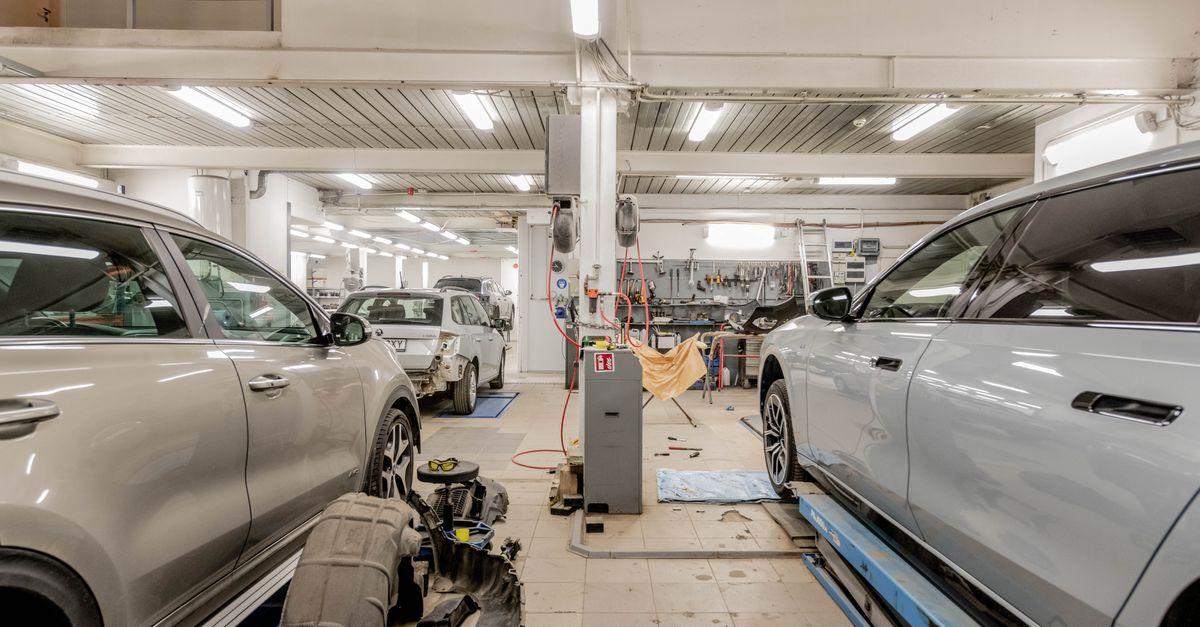
The practical consequence is that buyers who would have replaced a car in 2024 or 2025 are stretching ownership of their existing vehicle. That is putting pressure on independent mechanics, who are seeing more cars come through workshops, and is also feeding into the recent survey showing 64 per cent of Australian drivers are skipping or delaying car servicing.
SUVs are still dominant
Within the buying-intent data, SUV dominance has not slowed. Roy Morgan found 56 per cent of intending new-car buyers want an SUV as their next purchase. Passenger cars (non-SUVs) have collapsed to just 23 per cent of intent, down from 30 per cent in March 2023.
That is not a marginal shift. It is a structural one, and it matches the latest VFACTS data from the Federal Chamber of Automotive Industries, which shows SUVs made up about 62 per cent of the total new car market in April 2026, up from 60 per cent over the same period last year. Traditional passenger cars accounted for just 13.3 per cent of the market, down from 13.7 per cent.
The practical effect is that brands with strong SUV ranges, particularly in the medium SUV segment, are taking share even as the overall market contracts. The shopping list buyers are running is now Toyota RAV4, Mazda CX-5, Hyundai Tucson, Kia Sportage and an expanding wave of Chinese mid-size SUVs.
Chinese brands are the other story
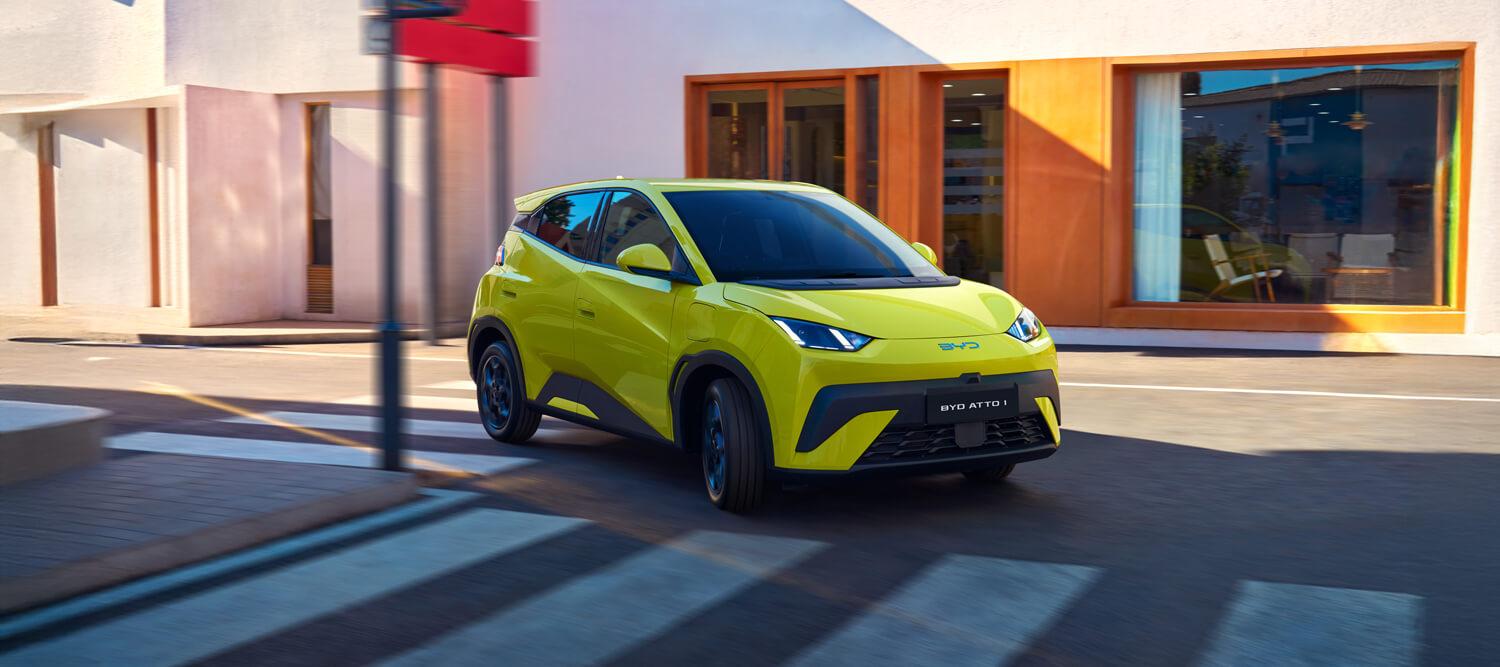
April 2026 VFACTS results also highlighted the speed of the Chinese brand surge. Toyota remained the market leader with 15,185 sales, but BYD moved into the number two slot with 7,702 vehicles, capturing 8.3 per cent of the market. Chinese manufacturers collectively accounted for roughly 30 per cent of total sales during April.
That is not a marketing claim. It is the new floor for Australian retail share, with Chery, GWM, MG, BYD, Geely and now Xpeng all competing in the same pricing bands occupied by Toyota and Hyundai. Levine made the point bluntly, saying the increased popularity of medium SUVs is good news for Chinese car manufacturers and that improved price competition in the segment is now likely.
For buyers, that means the next 12 months will deliver more new model launches, sharper drive-away pricing and broader trim choice in the segments where Chinese brands are pushing hardest. The medium SUV battle will be the most visible front. The mid-size dual-cab ute war is the second.
What this means for buyers in 2026
The softening intention figure is good news if you are still planning to buy. It signals more discounting, more drive-away campaigns and more flexibility from dealers and finance providers competing for a smaller pool of buyers. The current EOFY round, with sharp cuts on Kia Tasman, Hyundai Kona Electric, BYD Sealion 5 PHEV and Ford Ranger PHEV, is exactly that environment in action.
It is also a useful data point against any dealer claiming the market is hot and stock is short. The market is not hot. Demand is soft. Stock is patchy because of supply timing rather than buyer enthusiasm. Use that knowledge when negotiating.
Used car buyers should expect prices to remain firm. Roy Morgan's data shows used car intention is actually slightly up against 2023, which is keeping a floor under second-hand values. That is fine if you are selling, but cuts the value of an aggressive new-car negotiation that assumes you can dump the trade-in cheaply.
What this means for dealers
Dealer behaviour in a softening intent market becomes more defensive. Expect more bundled-add-on packages, more aggressive aftermarket protection sales, and more steering toward higher-trim models because that is where dealer margin lives. Buyers should resist trim creep and ask explicitly for the variant they actually want.
Some smart dealers will pivot toward used and approved-used programs, recognising that the relative health of second-hand intent makes that channel more durable. For Carseekers buyers, a well-maintained two-year-old example of a previously popular model is often the smartest economic choice in this market.
Carseekers shoppers should also push for transparent driveaway pricing including all on-road costs. In softer demand, dealer paperwork tends to add more accessories and protection packs to defend margins. Strip those out unless they genuinely add value to you.
Why brand share is shifting fast
Toyota's lead is intact, but its growth has stalled. BYD nearly doubled its market share in the first four months of 2026 versus 2025, Chery has almost doubled its share over the same period, and GWM has lifted too. At the same time, Toyota's volume is down more than 20 per cent for the year to date, with Corolla, Yaris Cross, Prado, Kluger and even Hilux all softening.
This is not a coincidence. The Chinese brands are using the same playbook the Japanese and Korean brands used 20 to 40 years ago, pricing aggressively to capture first-time customers and build loyalty. The buying-intent collapse accelerates that shift, because price-sensitive buyers are exactly the ones who switch most readily.
For brand-loyal Toyota buyers, the message is the same as it has been for two years. The Japanese giant is still in a dominant position, but the surrounding price environment has changed. Cross-shop Chinese rivals before you commit. The dollar saving is often material.
The Carseekers take
A five-year low in buying intent is a real market signal, not a temporary blip. Households are stretched, used cars are absorbing the displaced demand, and brands that cannot match Chinese pricing on equipment and warranty will keep losing share through the rest of 2026.
For Carseekers shoppers actively in market, this is one of the better windows of the past five years to negotiate. Expect dealers to chase your business harder, drive-away campaigns to be sharper, and aftermarket add-ons to be more flexible than usual. Use that leverage, and put used and approved-used options on the same shortlist as new cars.
Considering finance for your next car? Loanseekers can help you explore car loan options.
The finer details
Your questions answered.
How many Australians plan to buy a new car?
Roy Morgan's latest data shows just 16 per cent of Australians aged 14 or over intend to buy a new car in the next four years, down from 20 per cent in March 2023. That is a five-year low. Used-car intent has held firmer at 26 per cent, slightly above the 2023 reading.
Why is new car buying intention falling?
Cost-of-living pressure is the headline driver. Roy Morgan CEO Michele Levine said Australians believe now is not a good time to make big purchase decisions. The ANZ-Roy Morgan Consumer Confidence index remains near a record low, with only 13 per cent rating it a good time to buy major household items.
Which car segment is winning right now?
SUVs. Roy Morgan found 56 per cent of intending new-car buyers want an SUV next, and VFACTS shows SUVs made up about 62 per cent of total new car sales in April 2026. Passenger cars (non-SUVs) have collapsed to just 13.3 per cent of the market, down from 13.7 per cent a year earlier.
How are Chinese car brands performing in Australia?
Very well. BYD moved into second place behind Toyota in April 2026 with 7,702 sales and 8.3 per cent share. Chinese brands collectively now account for around 30 per cent of total Australian sales, with BYD, Chery and GWM all roughly doubling their share versus the same period in 2025.
Is now a good time to buy a new car in Australia?
For buyers who can afford it, yes. Soft buying intent means dealers chase business harder, drive-away campaigns are sharper, and aftermarket add-ons are more flexible. The current EOFY round has unusually deep cuts on PHEVs and EVs. Just make sure your household finances are genuinely ready for the purchase.
Are used car prices going down with new car intent dropping?
No, the opposite. Used car intention is slightly up versus 2023, which is keeping a floor under second-hand values. That helps if you are selling or trading in, but reduces the leverage of trading in to fund a new purchase. Plan around firm used values when negotiating.