The fastest shift in Australian automotive market history is happening right now. And the party may not last as long as the brands involved are hoping.
What's Happening
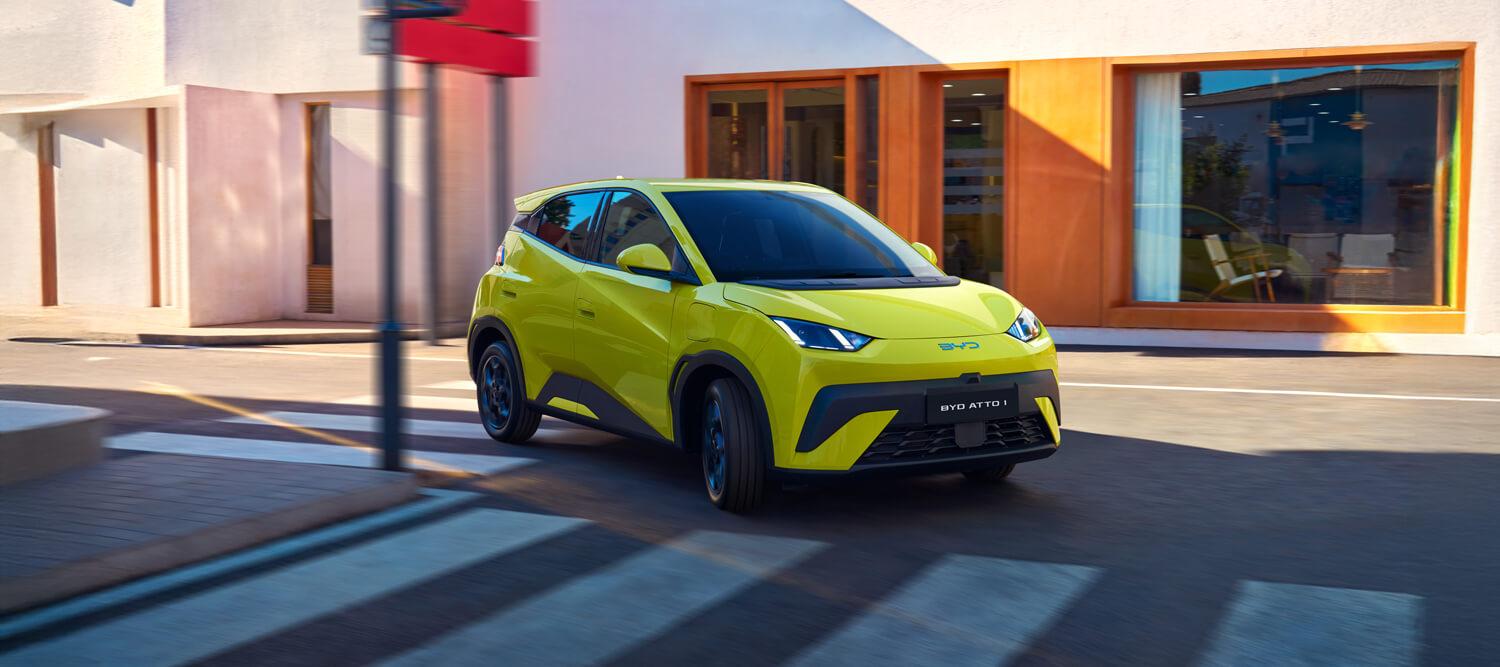
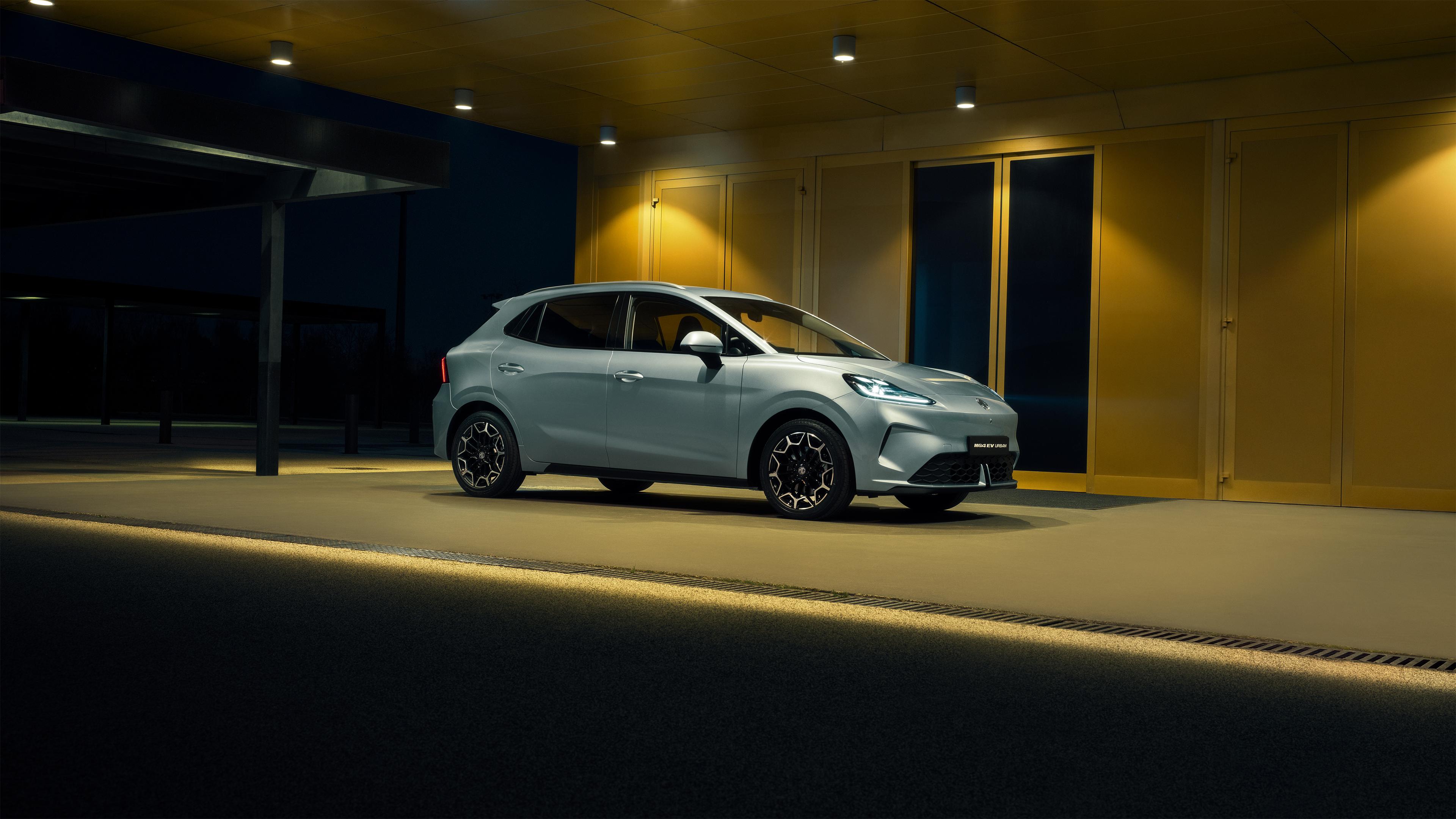
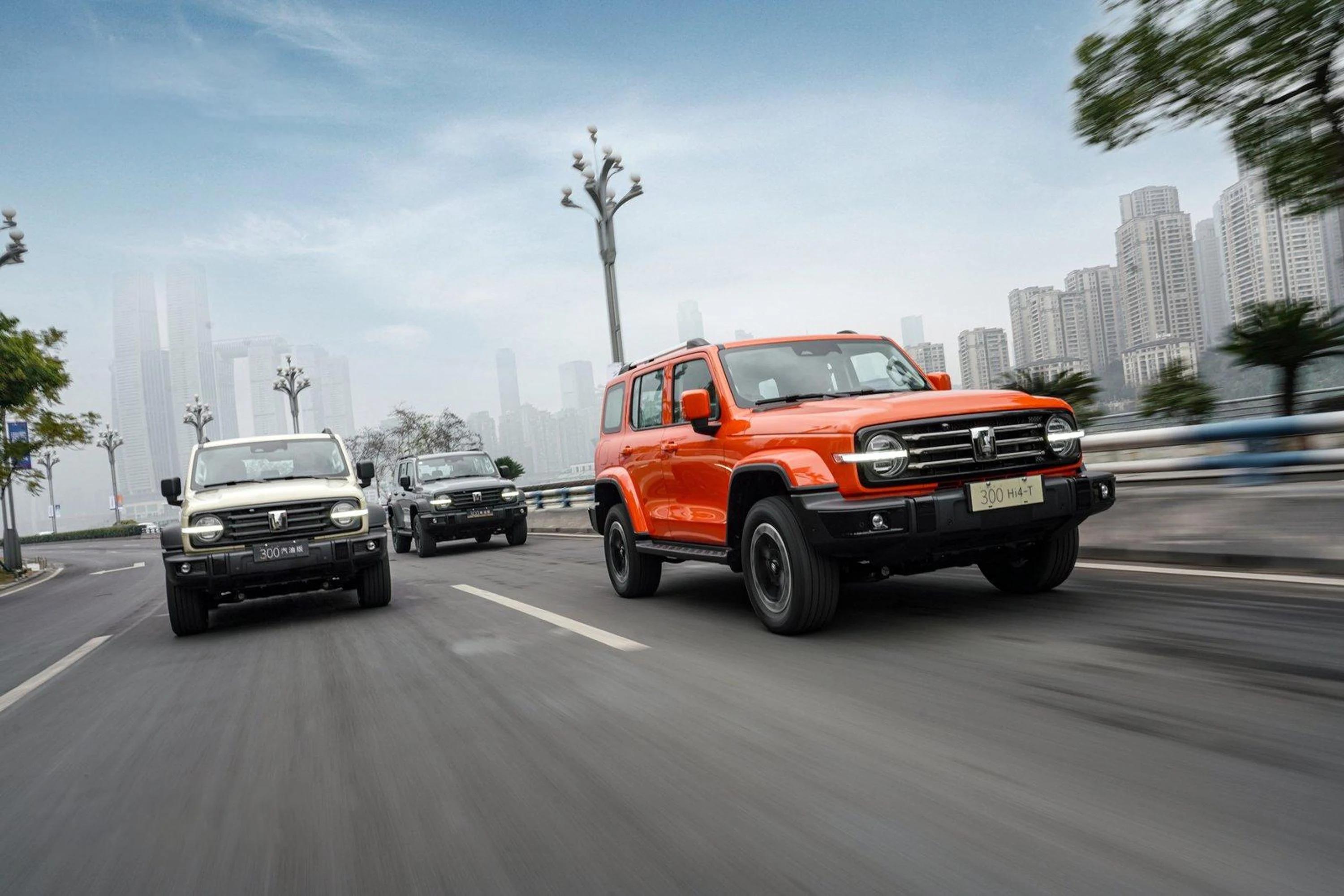
Accounting and automotive advisory firm BDO presented data at an Australian Automotive Dealer Association (AADA) event confirming that Chinese car brands collectively held 24 per cent of Australia's new vehicle market across the first two months of 2026. That is up from 14 per cent at the same point in 2025, representing year-on-year growth of 62 per cent for Chinese brands combined.
The contrast with the broader market is stark. Total new vehicle sales in Australia contracted by approximately 2 per cent over the same period, while established players Toyota and Mazda saw combined volume fall by more than 6 per cent.
BDO's automotive partner presented these figures alongside a pointed warning: the current rate of dealer expansion by Chinese brands is unlikely to be sustainable. New brands are opening dealerships at pace, signing up operators and committing to showroom fitouts and stock, but the customer base they are drawing from has limits.
Why This Matters for Buyers
For buyers, a Chinese brand holding a quarter of the market is not an abstract number. It represents genuine purchase options, active dealer competition, and downward pricing pressure on the broader market.
When a new brand is expanding aggressively, it is almost always doing so with favourable dealer terms and competitive product pricing. The motivation is market share, and the tool to acquire it is value. Buyers shopping for a new SUV or family car right now are in an exceptionally strong position because the competition for their business has never been more intense.
The BDO warning about sustainability is also buyer-relevant. A Chinese brand that pulls back from Australia, reduces dealer support, or adjusts its pricing strategy mid-ownership cycle creates complications for resale value and service availability. Market share growth built on below-market pricing is not always maintained once the growth target is hit.
Timing Your Purchase
The current period is one of the most buyer-favourable markets in Australian automotive history for value shopping. Brands competing for market share means deals, incentives, and specification generosity that won't last once the competitive landscape stabilises.
If you're open to Chinese brand alternatives, shop now. The pressure on dealers to close sales and justify their investment in new franchises is highest in the early expansion phase. That is exactly where the market is right now.
If you prefer an established brand, use the Chinese brand competition as leverage. Walk into a Toyota, Mazda, or Hyundai dealer with specific competing quotes. The establishment brands are aware of the threat and their salespeople have been given tools to respond.
How to Use This to Your Advantage
Get a minimum of three competing quotes across different brands before you negotiate any single deal. The market competition makes this more effective than it has ever been. A buyer who walks in knowing the competitive landscape is an entirely different negotiation opponent to someone who walked in off the street.
Track which Chinese brands have invested in Australian-specific tuning, local warranty support, and genuine parts infrastructure. These are the brands with long-term commitment. The ones who haven't made those investments are the ones whose sustainability is most questionable.
Final Word
The Chinese brand surge is real and it is reshaping what Australian buyers can expect for their money. Use the competition while it lasts, and choose a brand with the infrastructure to be here in five years.
Considering finance for your next car? Loanseekers can help you explore car loan options.
The finer details
Your questions answered.
How much market share do Chinese car brands have in Australia in 2026?
Chinese brands collectively reached 24 percent of the Australian new car market in the first two months of 2026, up from 14 percent in the same period of 2025. This represents the fastest market share shift in Australian automotive history and is driven primarily by BYD, GWM, MG, and Chery group brands.
Is the Chinese car brand boom in Australia sustainable?
Industry analysts suggest the rapid growth phase will moderate as the market reaches saturation in the segments where Chinese brands compete most aggressively. Long-term sustainability depends on resale values improving, dealer networks expanding to regional Australia, and brands maintaining quality as volumes scale.
Will Chinese car brands keep growing their Australian market share?
Likely yes, but at a slower rate than the 2025 to 2026 surge. The ceiling is determined by how many Australian buyers are willing to accept the current trade-offs on resale value and dealer network density. As those trade-offs narrow, Chinese brand share will continue growing but the step-changes seen recently will moderate.
Are Chinese car brands about to face tariffs or restrictions in Australia?
No Australian tariffs on Chinese vehicles have been announced as of mid-2026, and the government's free trade position has generally resisted calls for protective tariffs. However, trade policy can change with geopolitical conditions. The risk is lower in Australia than in the EU or US, which have introduced specific EV tariffs.
Which Chinese car brands are winning in Australia and which are struggling?
BYD and MG are the two strongest performers by volume. GWM and its sub-brands (Haval, Cannon, Tank) are growing steadily. Newer entrants including GAC, Zeekr, and various Chery-group brands are still building awareness. Smaller and less-established Chinese brands face significant challenges differentiating in an increasingly crowded market.
Should I buy a Chinese car now while they are aggressively priced or wait?
If the car meets your needs today and the price is strong, buying now is rational. Chinese brands in Australia are profitable and the current aggressive pricing reflects strategy, not desperation. Prices are unlikely to fall significantly further; in fact, as brands mature and establish premium positioning, entry prices may increase over time.