Stellantis has confirmed that the Citroen 2CV will return in 2028 as an all-electric back-to-basics city car, with a starting price below 15,000 euros, or roughly A$24,500. After 36 years out of production the nameplate is being revived as part of a sweeping turnaround plan that will see Stellantis launch 60 new models and roll out 50 significant updates by 2030.
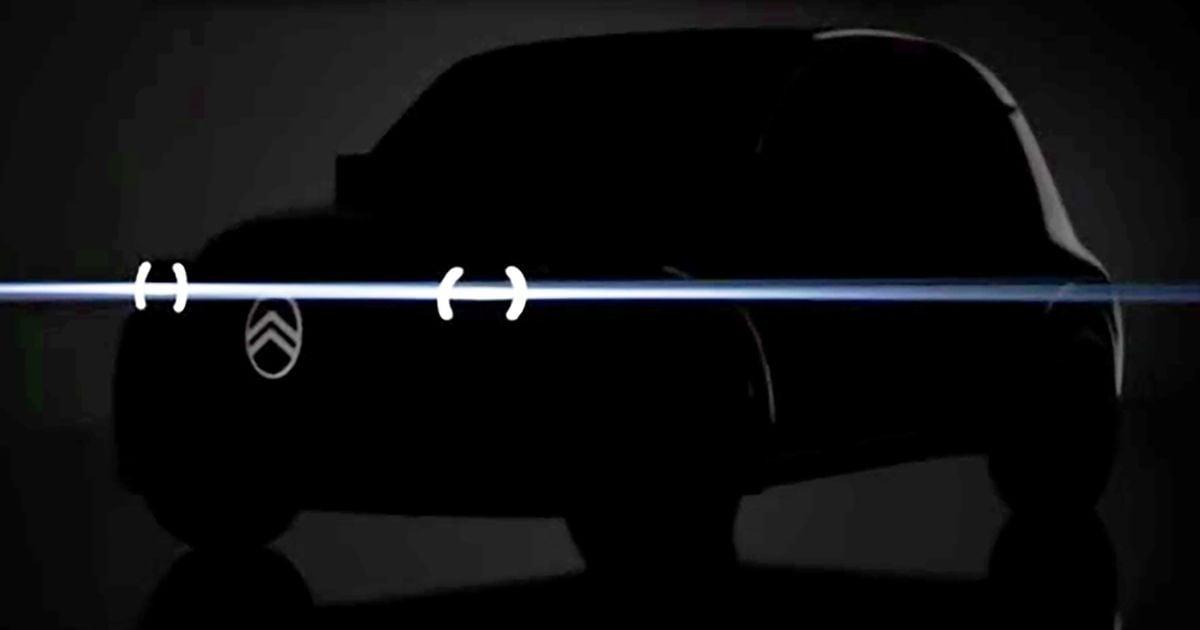
A preview concept is locked in for the 2026 Paris motor show in October, with full production set to begin in Naples, Italy in 2028. The teaser shadow released by Citroen reveals the tall roof, snail-like silhouette and round headlights that defined the 1949 original.
Citroen CEO Xavier Chardon confirmed at the brand's annual investor presentation that the new 2CV will be 100 per cent electric and made in Europe. He framed it as a true people's car for real life, leaning on lightweight design rather than feature overload to keep the cost down.
A sub-$24,500 EV is a big claim, even in Europe
The headline number, under 15,000 euros, is aggressive even by European standards. Citroen's cheapest current EV, the e-C3, lists at 19,090 euros in France before incentives. France and Germany both currently offer rebates of several thousand euros, which can pull prices lower at the point of sale.
The 15,000 euro target appears to be Citroen's pre-rebate ambition. That puts it in genuine bargain territory if it lands, particularly compared with the current crop of European small EVs that still sit closer to 25,000 euros.
Stellantis is using economies of scale to make the maths work. The new 2CV will share most of its electrical and mechanical hardware with a new Fiat Panda, also being positioned as a sub-15,000 euro EV, and the two cars will be built side by side at the Naples plant.
Why Australian buyers should still care
For Australian readers tracking small EV pricing, the 2CV is more useful as a benchmark than a shopping option. Citroen exited the Australian market in 2024, and the brand has shown no public intent to come back. That makes a Down Under launch of the new 2CV highly unlikely.
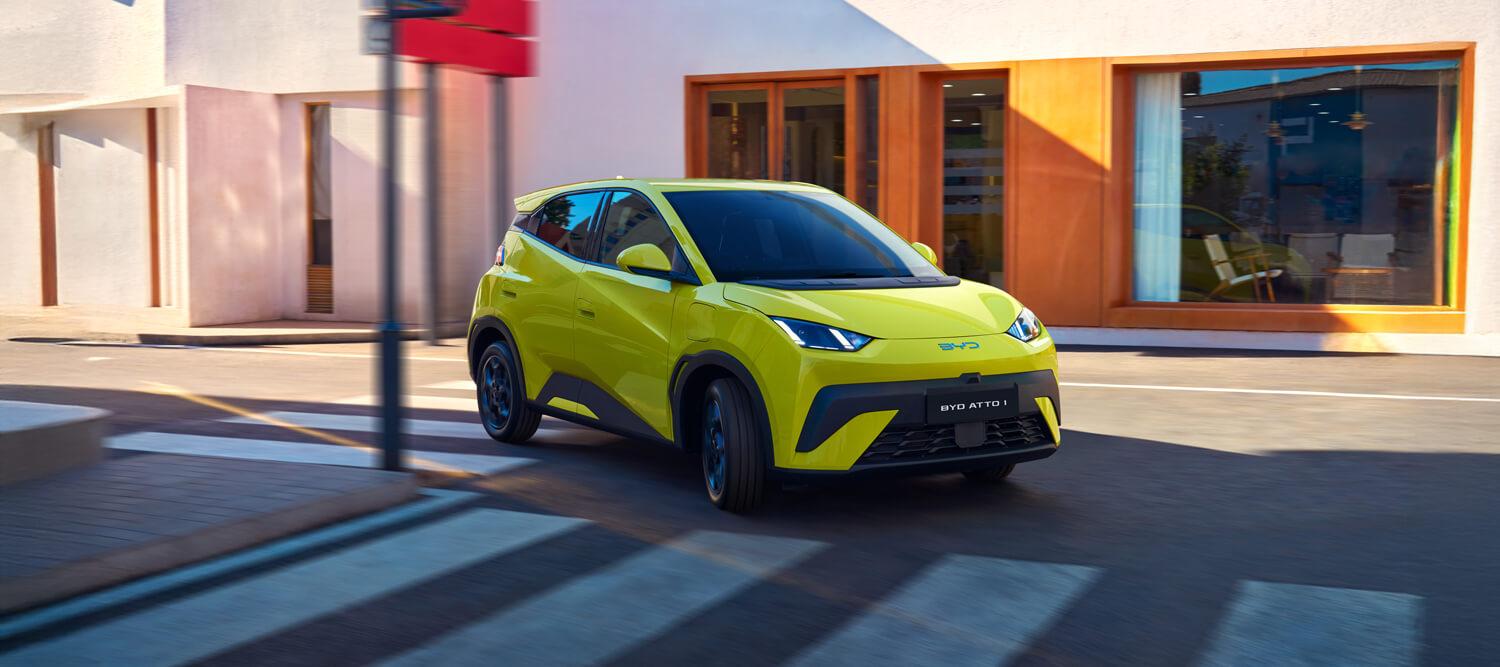
But the price tag matters. Australia is in the middle of a long debate about whether genuinely affordable EVs will ever land here, with the cheapest electric cars currently sitting in the $30,000 to $40,000 zone. Cars like the Hyundai Inster and BYD Atto 1 have started pulling that floor down, but anything close to a sub-$30,000 ticket is rare.
A European EV pitched at A$24,500 would, if landed here unchanged, undercut almost every electric car in the local lineup. The fact Citroen and Fiat believe they can hit that number with proper European supply chains is a tell about where Chinese pricing pressure is dragging the segment.
Lightweight design over tech-feature bloat
Citroen has stated that the new 2CV will lean on a lightweight design philosophy, with the company saying true innovation is about making life better, not adding more. Translated, that means a stripped-back EV that prioritises range, weight and price over feature lists.
This is a different bet to the current premium-EV arms race, where touchscreens, driver-assistance suites and luxury materials inflate sticker prices. Whether the formula resonates with European buyers will be a live test of Stellantis' core thesis: that there is a market for cheap, durable EVs that do less but cost much less.
It is also not clear whether the new 2CV will meet the European Union's emerging E-car category, a regulatory class being prepared to give smaller, simpler EVs lighter rules and easier homologation. If it qualifies, that could unlock the volume Stellantis needs to make sub-15,000 euro pricing sustainable.
What the original 2CV did, and why this matters
The original 2CV was conceived in the 1930s after Michelin pulled Citroen out of bankruptcy, with the goal of getting French farmers out of horse-drawn carts and into cheap, durable transport. Work paused during World War II, then resumed under tight post-war rationing rules.
The production 2CV finally hit the market in 1949 with a 6.6kW 375cc engine. It introduced radial tyres, a folding fabric roof, long-travel suspension built to cope with rural French roads, and front-wheel drive long before mainstream brands adopted it.
The model spawned the Ami sedan, the Mehari off-roader, the Acadienne van and the Dyane hatchback that was supposed to replace it. The 2CV outlived its replacement, only going out of production in 1990 after around 9.2 million examples were built across more than four decades.
What this means for the wider Stellantis EV push
The 2CV revival is part of a much broader Stellantis plan to roll out 60 new models by 2030. That includes new product across Jeep, Peugeot, Citroen, Fiat, Alfa Romeo, Dodge, Ram and Chrysler, with the company trying to shake off a brutal 2025 in which sales and margins both slid.
The Naples plant where the 2CV and new Panda will be built is being reconfigured as a low-cost EV factory. Pairing a high-volume Fiat with a lower-volume but iconic Citroen on the same platform is exactly the kind of move that lets Stellantis hit a 15,000 euro price target without losing money on every car.
That is also the strategy other legacy brands will be watching. If Stellantis can land a profitable sub-15,000 euro European EV, Volkswagen, Renault and Toyota will all face pressure to follow with their own genuinely cheap electric cars rather than continuing to stretch upmarket.
The dealer angle for Australian shoppers
With Citroen gone from Australia, the showrooms that used to sell the C3, C5 Aircross and Berlingo have largely moved on to other Stellantis brands or different distributors entirely. Buyers chasing French design today are mostly limited to Peugeot and Renault, both of which have their own pricing problems in the small SUV segment.
Renault Australia has just confirmed it will not bring back the Captur, leaving its small SUV slot to the Duster and the incoming Symbioz. Peugeot's pricing has drifted upmarket, with the 208 GT now well above $40,000 driveaway.
That leaves a gap at the cheap, characterful European end of the market that the 2CV would have filled if it ever came here. Instead, Carseekers shoppers chasing affordable EV transport are best served by the new wave of Chinese small electrics, with the Inster, the Atto 1 and the upcoming GWM Ora the realistic short-term options.
What to watch next
The key milestones are the October 2026 Paris motor show concept reveal, then Stellantis' decisions through 2027 on final pricing, range claims and trim structure. European launch timing in 2028 will give Australian observers a clear sense of whether the formula works.
If the 2CV lands at 15,000 euros and sells, expect quiet pressure on Citroen's parent to reconsider the Australian market. The brand left in 2024 because its volumes did not stack up, but a true cheap EV halo car can change that maths quickly.
For now, treat the news as a long-range signal rather than a buying decision. The retro 2CV is a story about where European EV pricing is heading, and a useful yardstick when Australian dealers tell you a sub-$30,000 electric car is impossible.
The Carseekers take
French retro is having a moment, and reviving the 2CV at this price point is an honest test of whether legacy European brands can still build a genuinely cheap car. If Stellantis pulls it off, the pressure on Australian distributors to bring sharper-priced EVs Down Under will only grow.
We will keep tracking the 2CV story as Paris 2026 approaches. In the meantime, Carseekers shoppers can use this as a reminder that the cheap end of the EV market is finally getting interesting, even if the 2CV itself stays a French passport away.
Considering finance for your next car? Loanseekers can help you explore car loan options.
The finer details
Your questions answered.
When will the new Citroen 2CV go on sale?
Citroen will reveal a preview concept at the October 2026 Paris motor show, with production starting in Naples, Italy in 2028. European deliveries will follow once volume builds, putting the on-sale window in late 2028 at the earliest.
Will the new Citroen 2CV come to Australia?
It is highly unlikely. Citroen pulled out of the Australian market in 2024 and the brand has no announced plans to return. Even if it did, right-hand-drive prioritisation would be a separate hurdle. Australian buyers chasing cheap EVs will need to look at Chinese alternatives instead.
How much will the Citroen 2CV cost?
Citroen has confirmed a starting price below 15,000 euros, which converts to roughly A$24,500. That is before European EV incentives, which can knock several thousand euros off in markets like France and Germany. It would be one of the cheapest new European EVs on sale.
What will the Citroen 2CV compete with in Europe?
The 2CV will go up against the new Fiat Panda EV from within the Stellantis group, plus the Dacia Spring, Renault Twingo E-Tech and Volkswagen ID.1. All target the same sub-20,000 euro electric city car segment that has been missing affordable players.
Is the new Citroen 2CV related to the original 2CV?
Only in name and silhouette. The new car shares the tall roof, round headlights and back-to-basics philosophy of the 1949 original, but underneath it uses a modern EV platform shared with the next Fiat Panda. The original 6.6kW petrol engine has been replaced with an electric drive.
Why does the Citroen 2CV matter for Australian buyers?
Even without coming here, the 2CV sets a global benchmark for how cheap European EVs can get. If Stellantis can hit 15,000 euros in Europe, it pressures every brand that sells small EVs in Australia to justify why our entry-level electric cars still start above $30,000.