Electric Cars Could Cut Australia’s Fuel Use by 1 Billion Litres. But Are Buyers Actually Switching?
If you’re thinking about buying a new car right now, this is no longer just a conversation about petrol vs electric.
It’s about cost, availability, and whether switching actually makes sense in the real world.
A recent report found that replacing 1 million petrol cars with electric vehicles could cut Australia’s fuel use by more than 1 billion litres per year.
That’s a huge number.
But here’s the reality.
Most Australians still haven’t made the switch.
Why the 1 billion litre number actually matters
This isn’t just about being environmentally friendly.
Australia relies heavily on imported fuel. When global prices move, local drivers feel it almost instantly.
Electric vehicles reduce that reliance because they don’t depend on petrol in the same way.
That’s why EVs are now being talked about not just as a trend, but as part of Australia’s long-term energy strategy.
But that doesn’t automatically mean they’re the right move for every buyer today.
Are Australians actually switching to EVs?
EV sales are growing. That part is clear.
Battery electric vehicles made up 11.8 percent of all new car sales in February 2026, which is the highest monthly share on record.
In January 2026:
- EVs made up 8.4 percent of sales
- Hybrids made up 17.4 percent
- Plug-in hybrids made up 5.9 percent
Plug-in hybrids alone increased 170.5 percent compared to the year before.
So yes, the market is moving.
But zoom out.
EVs still only make up around 2 percent of all cars on Australian roads.
That means the majority of drivers are still sticking with petrol or hybrid options.
Why more buyers are considering EVs now
There are three main reasons EVs are getting serious attention in 2026.
First is running costs.
Fuel prices are unpredictable, and more buyers are starting to look at long-term ownership costs instead of just the purchase price.
Second is availability.
There are now over 150 EV models available in Australia, and the public charging network continues to expand.
Third is competition.
More brands are entering the market, especially from China, which is driving prices down and giving buyers more options than ever before.
What’s still holding buyers back
If EVs are improving so quickly, why hasn’t everyone switched?
The biggest factor is still the upfront decision.
Even if an EV is cheaper to run, buyers still need to justify the purchase price, understand charging, and feel confident in long-term ownership.
Charging access is another major factor.
If you have a house with a garage, EV ownership is much easier.
If you live in an apartment or rely on street parking, it becomes a different equation.
Then there’s confidence.
Many buyers are still unsure about long-term reliability, resale value, and how EVs will hold up over time compared to traditional cars.
That’s why hybrids are growing so fast. They feel like a safer middle ground.
So what’s actually happening in the market?
The shift is real, but it’s happening in stages.
EVs are growing.
Hybrids are booming.
Petrol cars are slowly declining.
But the majority of buyers are still making practical decisions based on their situation, not just following trends.
What this means for you as a buyer
The biggest mistake right now is thinking the decision is simply EV vs petrol.
It’s not.
The smarter way to look at it is:
What suits your lifestyle?
What suits your budget?
And most importantly, what deal are you actually getting?
Because in this market, pricing can vary massively between dealers.
The smart way to buy right now
Whether you’re looking at an EV, hybrid, or petrol car, the biggest savings don’t come from the type of car.
They come from how you buy it.
Dealers price differently based on stock, targets and timing.
Comparing multiple offers is where the real advantage is.
Conclusion
Electric cars could cut Australia’s fuel use by more than 1 billion litres a year.
That’s a powerful shift.
But for most buyers, the decision isn’t about the country.
It’s about what works for you right now.
EVs are growing, improving, and becoming more relevant.
But the right choice still comes down to your situation and the deal in front of you.
Carseekers helps you compare real offers on brand new cars so you can make the right decision and avoid overpaying.
Considering finance for your next car? Loanseekers can help you explore car loan options.
The finer details
Your questions answered.
Are Australians actually switching to electric vehicles in 2026?
Yes, at an accelerating pace. EV market share reached 14.6 percent of new car sales in March 2026, up from under 8 percent in the same month the prior year. The majority of growth is concentrated in the $40,000 to $70,000 segment, driven by Chinese brands and more competitive pricing from Korean manufacturers.
How much money can switching to an EV save an Australian on fuel?
An Australian driving 15,000km per year on petrol at $2.20 per litre in a car averaging 8L/100km spends roughly $2,640 annually on fuel. The equivalent EV charged at home at 30 cents per kWh covering the same distance costs approximately $600. Annual savings of $1,500 to $2,200 are realistic for average Australian drivers.
What is stopping Australians from switching to electric vehicles?
The main barriers in Australia are upfront purchase price, concerns about public charging availability and reliability, limited range for outback and regional travel, and uncertainty about resale values. As more affordable EVs enter the market and charging infrastructure expands, these barriers are shrinking but have not disappeared.
Is Australia's EV charging network good enough to own an EV without home charging?
It depends heavily on where you live. Major capital city corridors now have reasonable public charging density. Regional and rural areas remain underserved. Without the ability to charge at home or work, owning an EV in Australia currently requires more planning and inconvenience than in countries with denser public charging.
Which EVs under $60,000 sell the most in Australia?
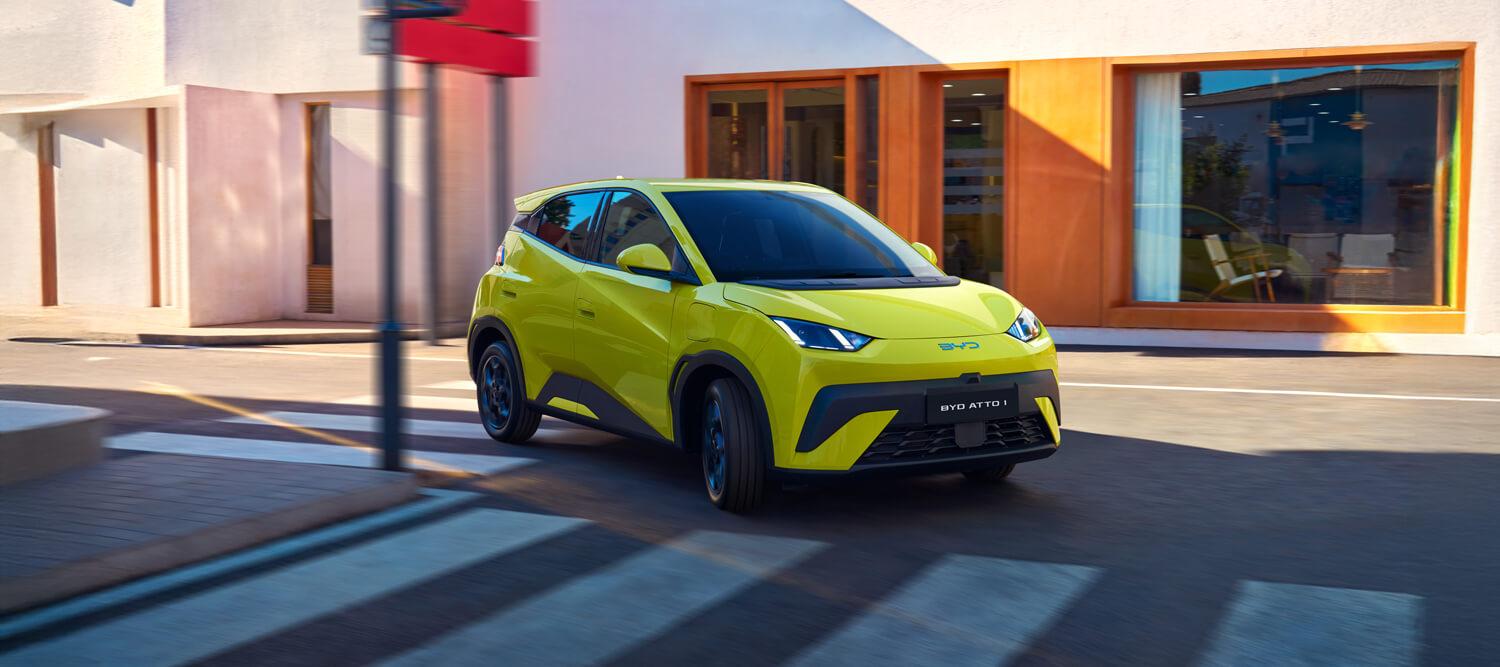
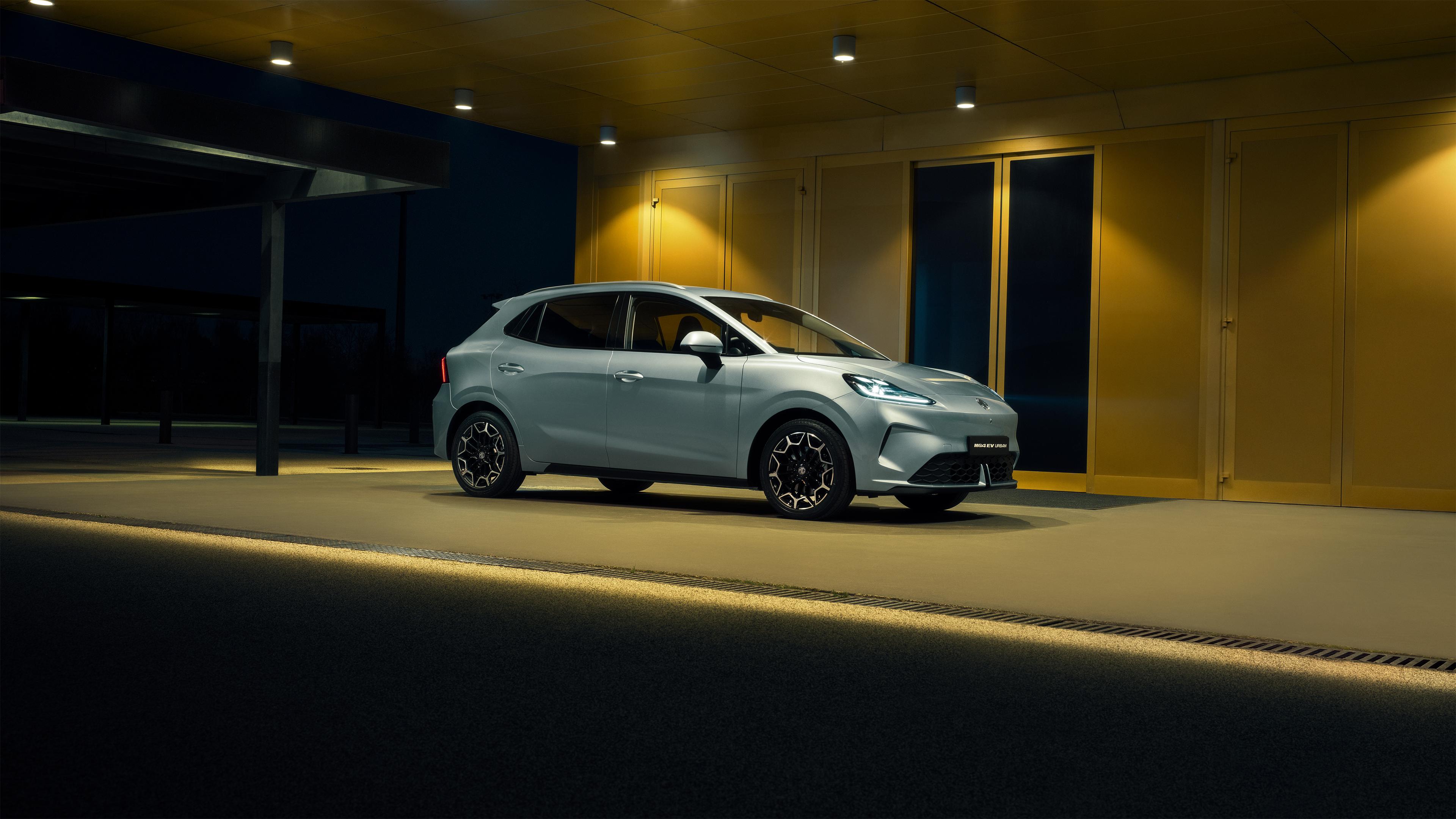
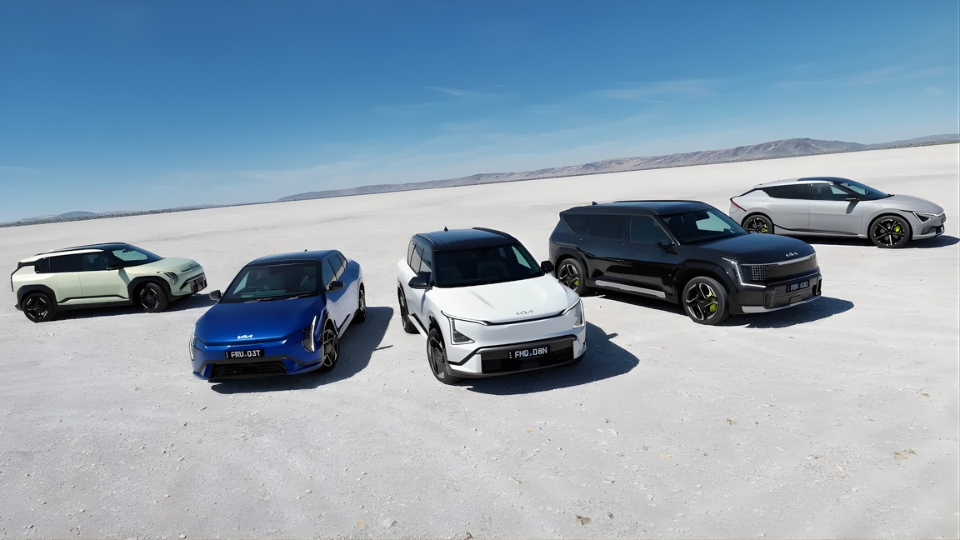
The BYD Atto 3, MG 4 EV, Kia EV6, Hyundai Ioniq 5, and Tesla Model 3 have been among the top-selling EVs in Australia under $60,000 through 2025 and into 2026. Chinese brands are rapidly increasing their share at the volume end of this bracket with competitive drive-away pricing.
Do electric vehicles cost less to maintain than petrol cars in Australia?
Generally yes. EVs have fewer moving parts, no oil changes, and regenerative braking that extends brake pad life. Servicing costs for EVs are typically 30 to 50 percent lower than equivalent petrol cars annually. The main wildcard is battery replacement after 10-plus years, though battery warranties of 8 years or more are now standard on most models.