Fuel prices crossed $2.50 a litre and Australian car buyers did something the industry didn't expect at this scale. They stopped hesitating and started buying electric vehicles in numbers that have never been recorded here.
Record Market Share Backed by Hard FCAI Numbers
A record 14.6 per cent of new cars, SUVs, utes and trucks sold in March 2026 were battery electric. That is 15,839 vehicles, up 88.9 per cent compared to March 2025 and up 42.3 per cent on February 2026.
The total market came in at 108,703 vehicles, down 2.6 per cent year-on-year. Sales of purely petrol vehicles fell 20.8 per cent. Diesel dropped 10.1 per cent.
Plug-in hybrids added 8,215 to the EV-adjacent total, up 18.5 per cent year-on-year. Conventional hybrids contributed 17,953 more, though only up 6.7 per cent due to a Toyota RAV4 model changeover.
What the Sales Report Left Out
The Federal Chamber of Automotive Industries combines petrol and electric variants under one entry where a model is available in both. That means the reported EV total is a floor, not a ceiling.
Commonwealth Bank reported a 161 per cent increase in new electric-car finance since the start of March. That pipeline is not fully reflected in March's registration data yet, because finance decisions precede delivery by weeks.
The government's 32-cent-per-litre fuel excise cut only landed after March closed. Buyers who locked in EV purchases during March were reacting to fuel at its worst. The ripple effect on April's figures is still building.
How Rising Fuel Costs Shifted the Maths on New-Car Buying
When diesel passed $3.00 a litre and 91-octane regular unleaded pushed past $2.50, the running-cost equation on a new car shifted permanently for many households.
For buyers travelling 15,000 kilometres a year in a petrol vehicle consuming 7 litres per 100 kilometres, the annual fuel bill exceeded $2,600. A comparable EV charging at home costs roughly $600 to $800 a year depending on electricity rate and usage.
That $1,800 to $2,000 annual saving adds up to $9,000 to $10,000 over a five-year loan term. Buyers who ran this calculation in March 2026 had cleaner numbers than any previous generation of Australian car shoppers.
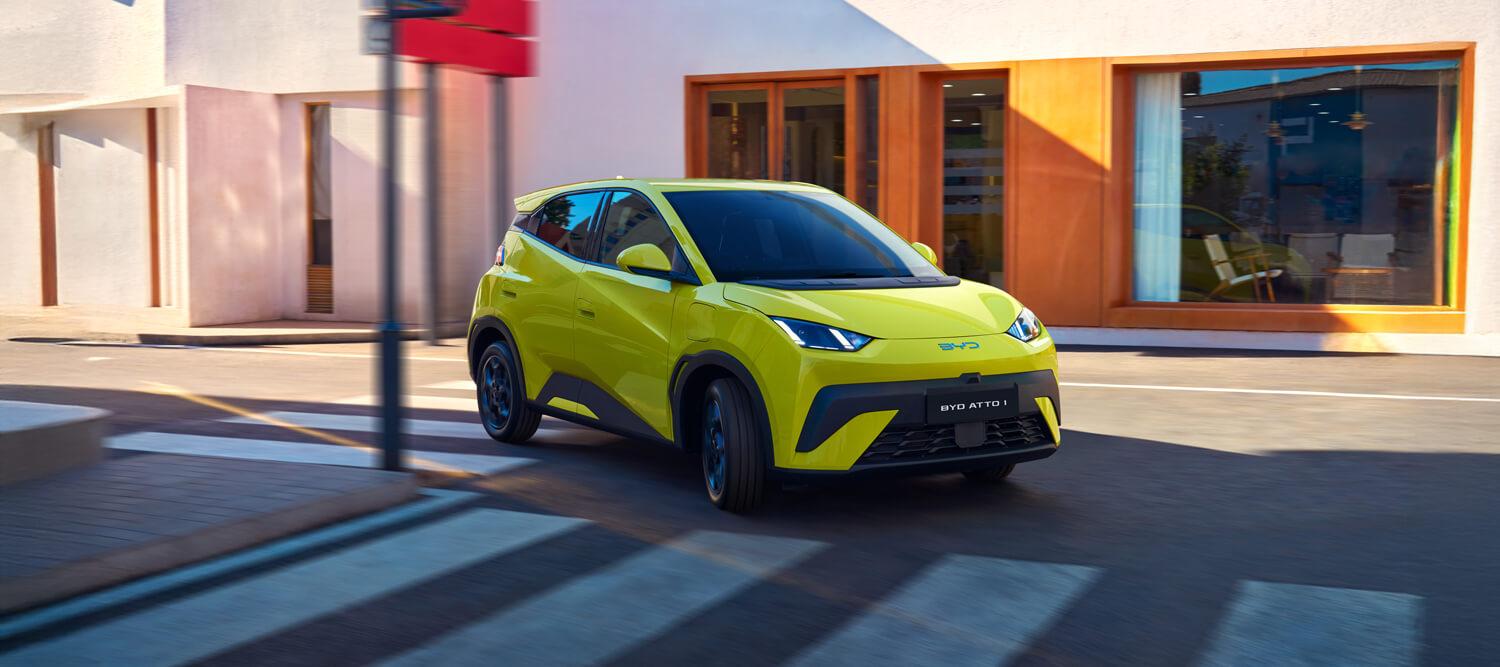
Tesla Model Y placed third nationally with 2,818 units registered, up 63.4 per cent. BYD Sealion 7 surged 244 per cent to 1,970 units, reaching 11th place. Four Chinese brands finished in the Top 10 overall.
Tesla Model Y placed third nationally with 2,818 units registered, up 63.4 per cent. BYD Sealion 7 surged 244 per cent to 1,970 units, reaching 11th place. Four Chinese brands finished in the Top 10 overall.
These models are moving fast. Dealers selling them don't need to negotiate. They are aware their waitlists are growing and their stock is clearing.
Contrast that with Ford Ranger deliveries, down 9.7 per cent year-on-year. Petrol and diesel ute dealers are carrying more days of supply than they were 12 months ago, and that changes what they can offer.
Tactics That Work in April 2026's Market
For petrol and diesel models, use the sales decline as your lever. Ask the dealer directly: how many weeks of stock do you currently have? A number above six to eight weeks means you have room.
For PHEVs, demand is rising but from a smaller base. The 18.5 per cent year-on-year growth sounds strong, but total PHEV volumes are still well below EVs. Dealers in this segment are more willing to flex on accessories, charging equipment or extended warranty terms than on the drive-away price itself.
For popular EVs, your negotiation target shifts from price to delivery timing. Ask what the current order-to-delivery gap is, whether there is existing stock in transit, and whether you can inspect a specific vehicle before committing.
April Is the Quietest Negotiating Window Until September
Carseekers compares real drive-away pricing across all powertrain types so you can run the numbers on the car you're actually considering. Start there, bring the data into the showroom, and the conversation changes.
For buyers who are ready to purchase within the next 30 days, this is a window. Dealers need to keep their April numbers consistent after a strong March, and they know the EOFY wave will give them a cushion later.
Being in a dealership the week of 14 April or 21 April, when April quotas are still unsatisfied, is tactically different from being there the week before 30 June when the dealer already has enough traffic.
One Number That Should Drive Your Decision
The running-cost difference between petrol and electric is now measurable, documented and roughly $1,800 a year at current fuel prices. Whether that justifies the price premium on a specific model is a decision only you can make with your own budget.
Carseekers compares real drive-away pricing across all powertrain types so you can run the numbers on the car you're actually considering. Start there, bring the data into the showroom, and the conversation changes.
Considering finance for your next car? Loanseekers can help you explore car loan options.
The finer details
Your questions answered.
What was EV market share in Australia in March 2026?
Battery electric vehicles accounted for 14.6 percent of all new vehicles sold in Australia in March 2026, a record high. That represents 15,839 electric vehicles sold in a single month. The spike was driven by fuel prices crossing $2.50 per litre and improved availability of sub-$50,000 EVs from Chinese brands.
What drove record EV sales in Australia in March 2026?
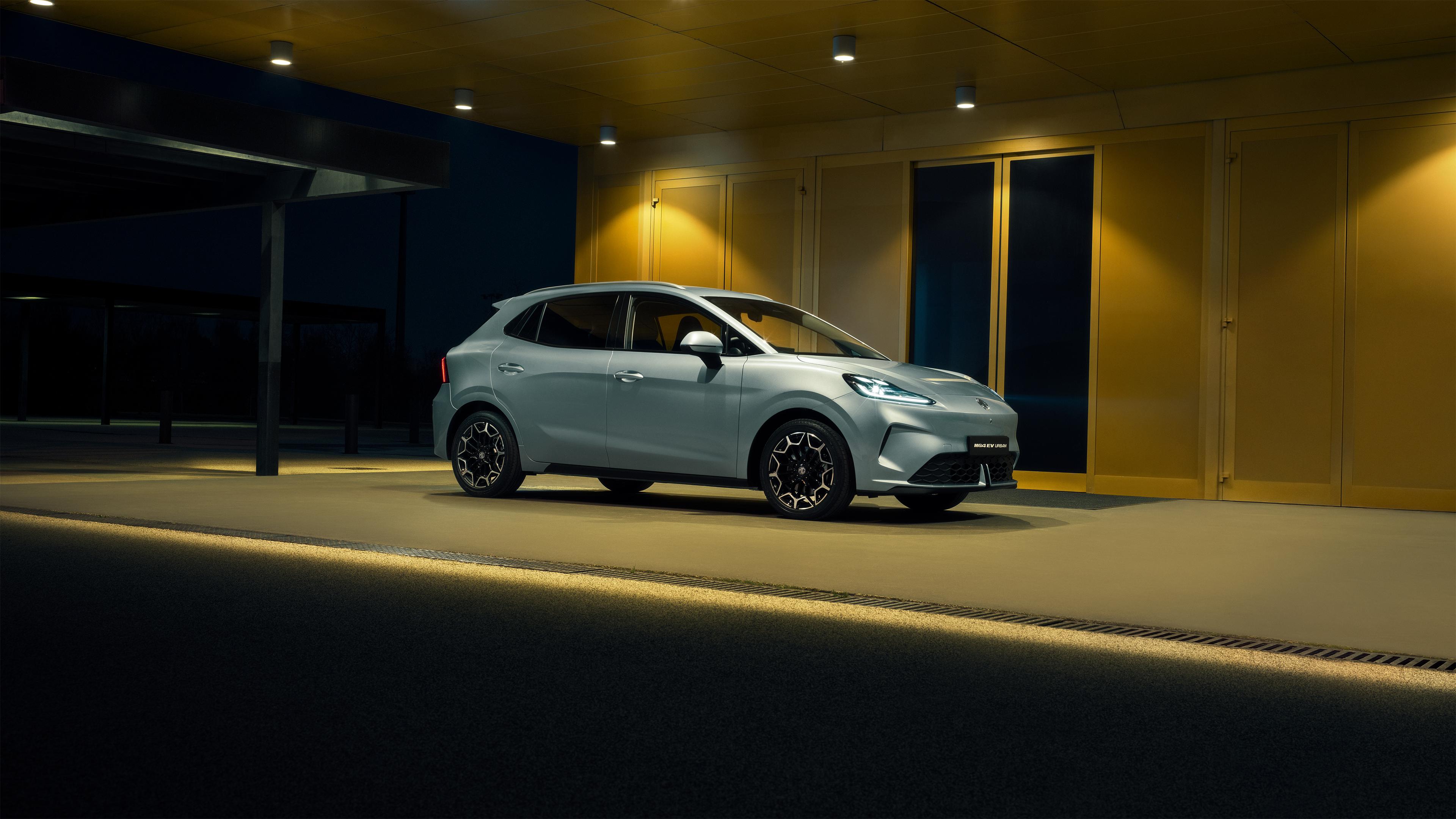
The combination of $2.50 per litre fuel prices, expanded sub-$40,000 EV availability from brands like MG and GWM, and the BYD cargo ship delivering 30,000 vehicles all contributed. The surge reflects both demand pull and supply push — buyers were more motivated and more stock was available simultaneously.
Which EV brands drove the sales increase in Australia?
BYD, MG, and GWM drove the bulk of the volume surge in March 2026. Tesla maintained its position while Kia and Hyundai also contributed meaningfully. Chinese brands collectively accounted for the majority of the EV sales growth as their lower price points captured buyers who had previously been waiting for affordable options.
Is Australia's EV growth rate sustainable?
The March 2026 spike was partly a supply surge, and monthly figures will fluctuate. The underlying trend toward electrification is genuine and driven by structural factors including falling EV prices, rising fuel costs, and expanding infrastructure. A sustained 12 to 15 percent annual EV share through 2026 and 2027 is the most likely scenario.
Does the EV sales surge mean petrol cars are about to get cheaper in Australia?
Not immediately, but increasing EV competition reduces the hold Japanese and Korean brands have on high-demand models. As Chinese EVs take more market share, traditional brands will need to sharpen pricing on their petrol and hybrid equivalents to retain buyers. The effect is gradual but the direction is clear.
Should I buy an EV now given high fuel prices in Australia?
If you have home charging and your daily driving is within EV range, the economics strongly favour buying an EV at current fuel prices. $2.50 per litre accelerates the payback on the purchase price premium significantly. The best time to buy an EV for fuel cost reasons is when fuel is expensive, which is now.