The Chinese brand race to own the Australian market is no longer a prediction. It is already happening, and a new challenger just confirmed its seat at the table. For buyers, that means more options, sharper pricing pressure, and a window of opportunity that will not stay open forever.
GAC's Plan: Four Models Now, Ten by 2030
GAC launched in Australia late in 2025 with three vehicles: the Emzoom petrol small SUV, the Aion V electric mid-size SUV, and the M8 plug-in hybrid people mover. The Aion UT electric city hatch has since joined the range, bringing the current total to four models.
The brand is targeting 10 models and more than 100 dealer locations by 2030. Today it operates from 30 sites nationally. That is a lot of ground to cover in roughly four years.
The Number Nobody Is Publishing
To crack the top 10 in Australia, GAC needs to sell around 40,000 vehicles per year based on 2025 VFACTS figures. GWM, currently sitting seventh, moved 52,809 vehicles last year. BYD in eighth and MG in tenth are also well above that threshold.
GAC does not yet report sales to the Federal Chamber of Automotive Industries, which means its current volumes are invisible in the official data. That is not unusual for a brand this early in its Australian journey, but it does mean buyers have no independent benchmark for demand, wait times, or residual value trends yet.
Where Chinese Brand Ambition Meets Australian Buyer Reality
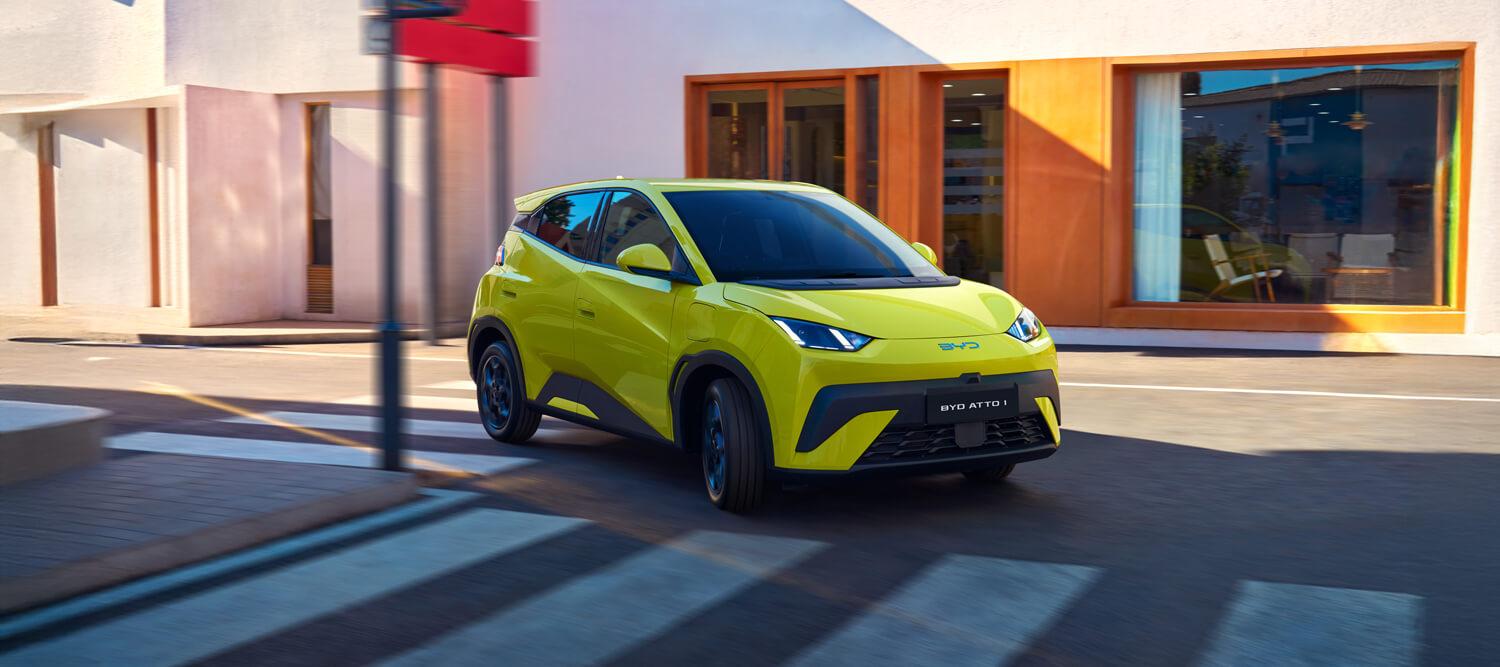
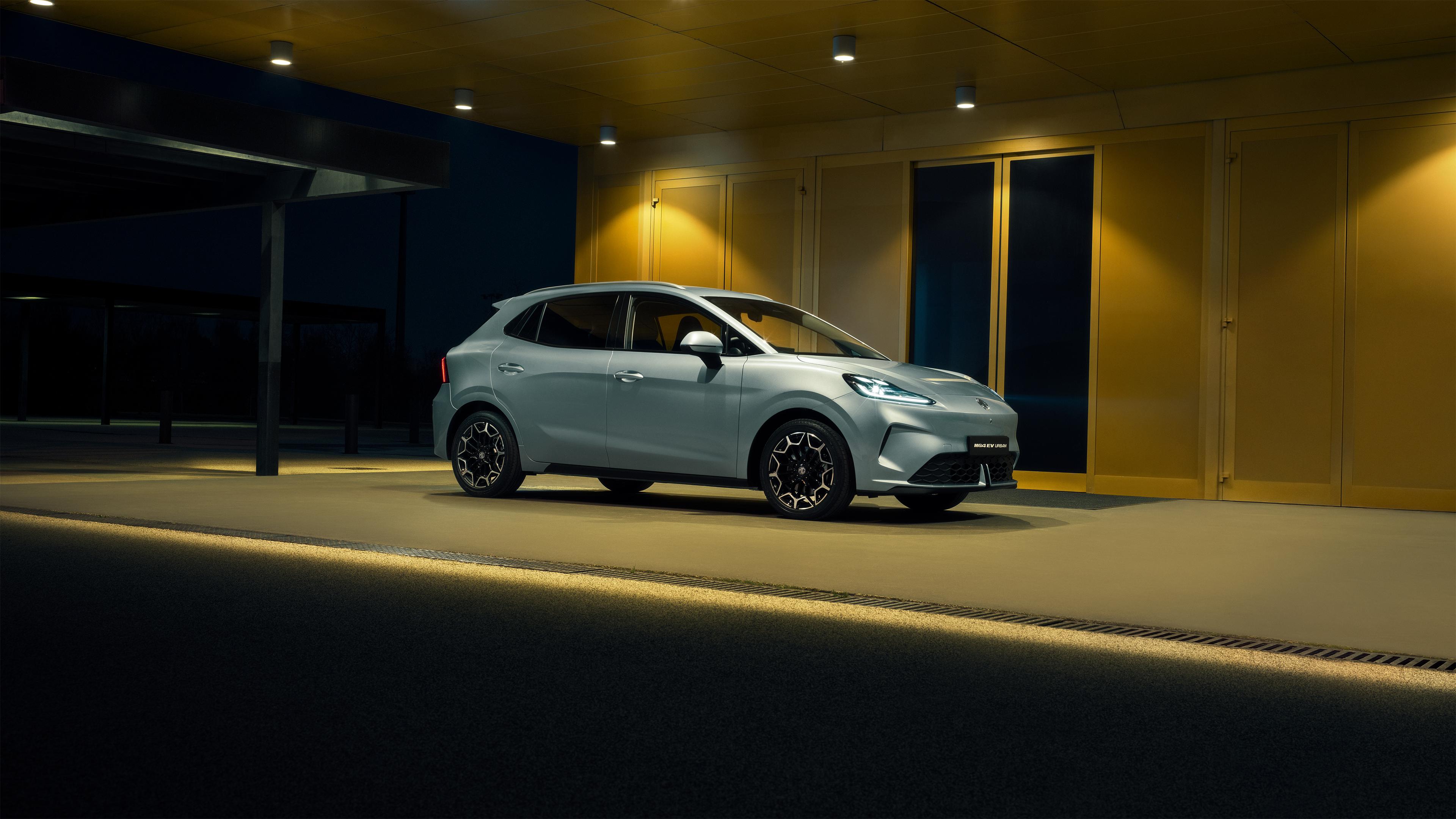
Every major Chinese brand entering Australia has made top 10 or top five promises. Chery wants to be top five by 2027 with a second brand also in the top 10. MG is targeting top five by 2027 and top three by 2030. BYD is pushing for close to the top three in 2026. GWM wants a sustainable top five.
The pattern matters for buyers because brands fighting for the same slots in the same segments create pricing tension. That tension benefits buyers directly in the form of lower drive-away prices, stronger standard features, and dealers willing to deal. The competition is not theoretical. It is already compressing margins across the small SUV and electric vehicle categories.
What a 30-Dealer Network Actually Means for After-Sales
Thirty locations across a country the size of Australia is thin coverage. Major metropolitan areas will have representation, but regional buyers face longer service travel and potentially slower parts availability during the early years. GAC's target of 100 dealers by 2030 is significant, but the growth trajectory matters as much as the end number.
Buyers in metro areas are well covered now. Buyers outside the major capitals should factor in the nearest authorised service location before committing, particularly for the Aion V and Aion UT where software updates and battery servicing require trained technicians.
How to Use This Expansion Window at the Dealership
Early in a brand's Australian rollout, dealers are typically running on volume-building mode rather than margin-extraction mode. Targets are set to establish market presence, not maximise per-unit profit. That means the first 18 to 24 months of GAC's full product rollout is likely to be the most favourable window for buyers.
Use the thin network to your advantage. With fewer competing dealers in most cities, you can legitimately negotiate by referencing the online price and asking what the dealer can add rather than reduce. Floor mats, extended service packs, and charging accessories are easier wins than headline price cuts at this stage. Ask for all of them before discussing price.
The Quarter to Watch for GAC Deal Activity
GAC does not yet have the EOFY sales history in Australia that established brands carry. That actually works in a buyer's favour because dealers are creating their own urgency cycles rather than following a well-worn pattern. March and June quarter-ends are the most likely pressure points as the network hits early sales targets.
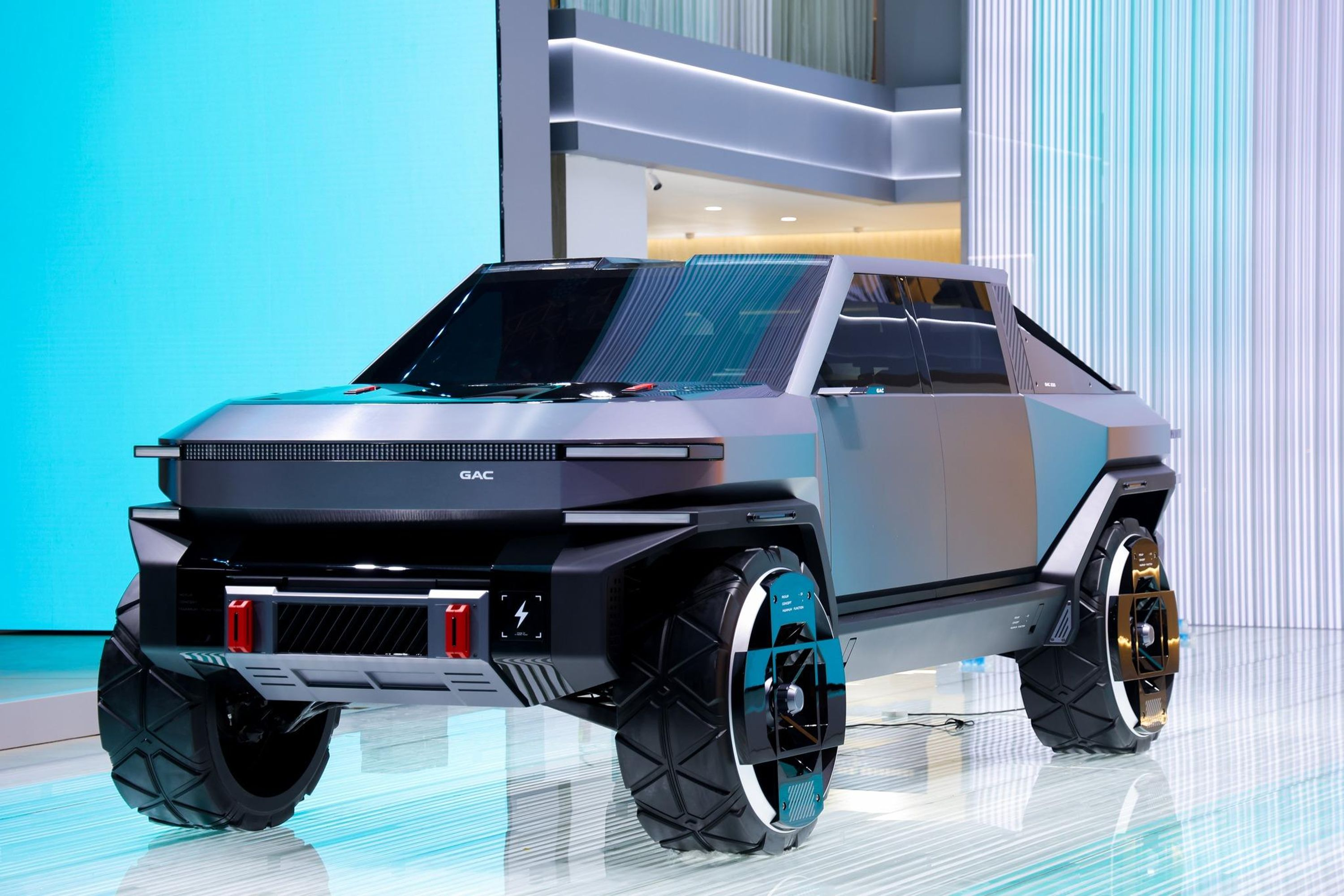
The pickup segment, flagged specifically by GAC's CEO as a priority, will also be worth watching. If a ute-style product lands before mid-2027, the announcement period before local deliveries begin is historically when the best pre-order deals and specification upgrades are available.
What GAC's Parent Company Backing Changes
GAC is not a startup. Guangzhou Automobile Group produces more than two million vehicles annually across China and Thailand. The Australian operation carries the financial backing to sustain losses during a market-building phase, which means the brand is unlikely to exit quietly if early sales disappoint.
That stability matters for buyers making a three to five year ownership decision. The risk of buying into a brand that quietly disappears is lower with GAC than with some of the smaller names attempting the same entry. It does not eliminate residual value uncertainty, which remains the single biggest financial risk when buying a new Chinese brand vehicle in Australia right now.
The Honest Answer on Residual Values
No credible three or five year residual value data exists yet for GAC in Australia. Brands that are less than 18 months old with sub-100 dealer networks simply have not had enough transactions to produce reliable forecasts. The Aion V and Emzoom are the models with the most time in market, and independent valuations are still forming.
If total cost of ownership is your priority, build a buffer into your budget assumptions. Price the vehicle as if the residual comes in 10 to 15 percent below an equivalent Hyundai or Kia. If it performs better, that is upside. If it does not, you are not caught short.
Considering finance for your next car? Loanseekers can help you explore car loan options.
The finer details
Your questions answered.
What GAC cars are available in Australia in 2026?
GAC launched in Australia in late 2025 with the Emzoom, Emkoo, and GS8 SUVs. The brand is planning to expand to 10 models by 2030 as part of its target to reach the top 10 in Australian sales. Visit a GAC dealer or the brand's Australian website for current pricing and availability.
Is GAC a reliable car brand in Australia?
GAC is a new entrant in Australia and has not yet established a long track record locally. The brand has been selling cars in China and other markets for over a decade with a broadly positive reliability reputation. Australian owner data is still accumulating. The standard five-year warranty provides practical coverage while the local track record develops.
How does GAC compare to GWM and BYD in Australia?
GAC, GWM, and BYD all compete in the Chinese-brand segment of the Australian market. GAC is newer and has a smaller model range. GWM has the deepest range and longest Australian track record. BYD leads on EV and PHEV technology. All three offer strong features per dollar compared to Japanese and Korean equivalents at similar prices.
Should I consider buying a GAC car given it is still new to Australia?
If a specific GAC model meets your needs and the price is competitive, it is worth considering alongside established Chinese rivals. Verify the service network near you, understand the warranty claims process, and check parts availability before committing. Being an early buyer of a new-to-market brand carries more risk than buying an established one.
Is GAC planning electric or hybrid models for Australia?
Yes. GAC's global lineup includes electric and hybrid vehicles, and the brand has indicated these will come to Australia as part of its planned range expansion. Specific EV models and timing for Australia have not been confirmed. Monitor GAC Australia's announcements for details.
Can I negotiate on a GAC car price in Australia?
Yes. As a new brand still building volume, GAC dealers have strong incentives to move stock and establish the brand. Early buyers of new-to-market brands typically have more negotiating leverage than buyers of established high-demand models. End of month and end of quarter are the best times to push for a deal.