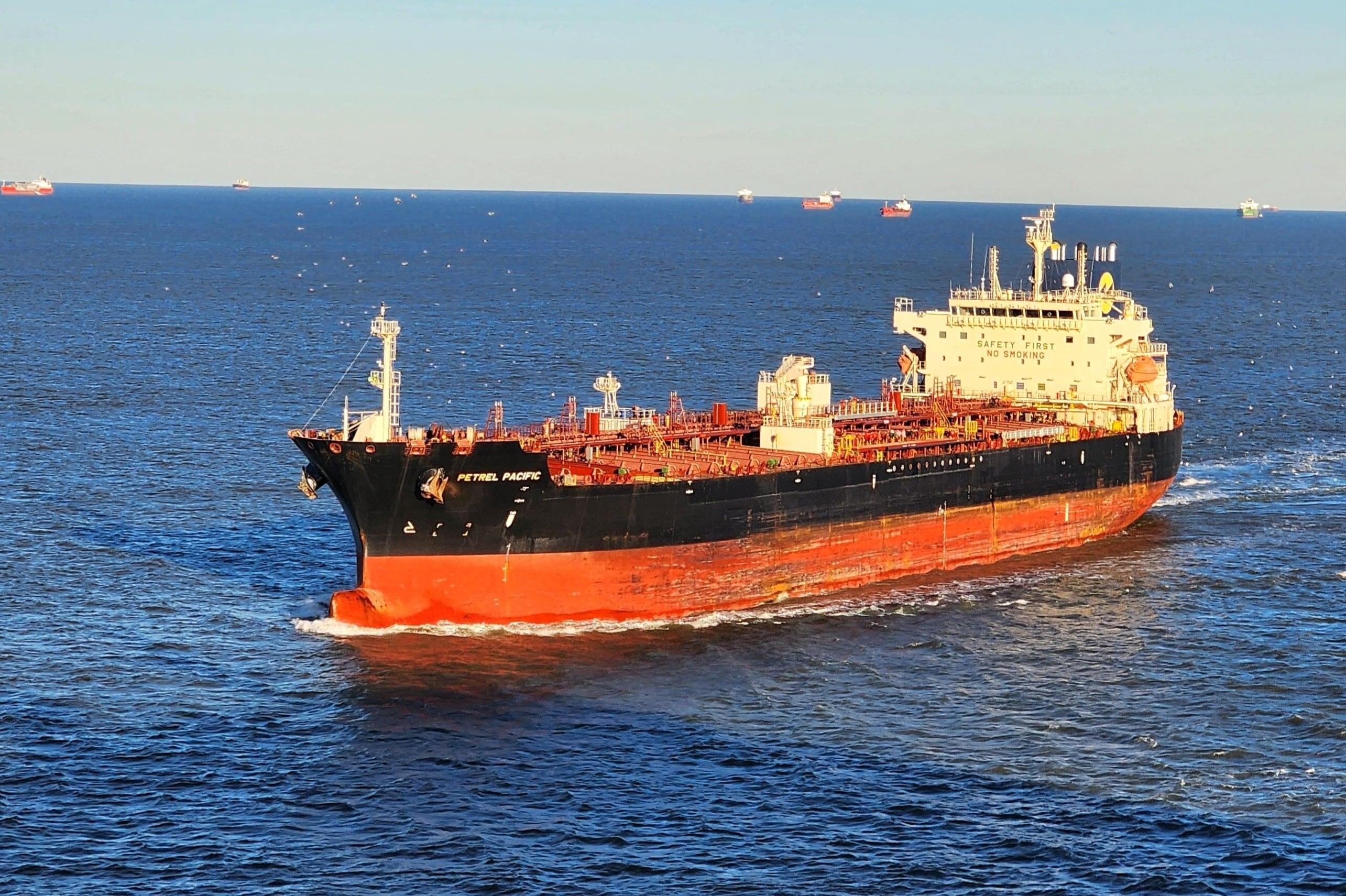

The supply crunch at the Strait of Hormuz has moved beyond petrol pumps and is now hitting the inputs that go into electric vehicle batteries. According to Reuters and commodity analyst Kpler, sulphur shipments through the chokepoint have dropped from an average of 1.27 million tonnes per month at the start of the Iran conflict to just 30,000 tonnes in April. That is a 97 per cent collapse in 60 days.
For Australian car buyers, the headline does not stop at fuel prices. It feeds directly into how long you might wait for a new EV or plug-in hybrid this year, and how much it will cost when it finally arrives. Carseekers has been hearing from dealer contacts that order books on certain Chinese-built EVs are already extending past their original estimates, and the supply story behind it starts in the Middle East.
Why sulphur matters to your EV order
Sulphuric acid is essential for extracting battery-grade nickel from Indonesian ore. Indonesia happens to be one of the world's biggest sources of nickel used in lithium-ion batteries, and the global supply chain depends on a steady flow of sulphur from Middle East oil refining. When that sulphur stops moving, nickel processors slow down, which means battery makers in China, Korea, and Japan have to fight harder for limited cathode material.
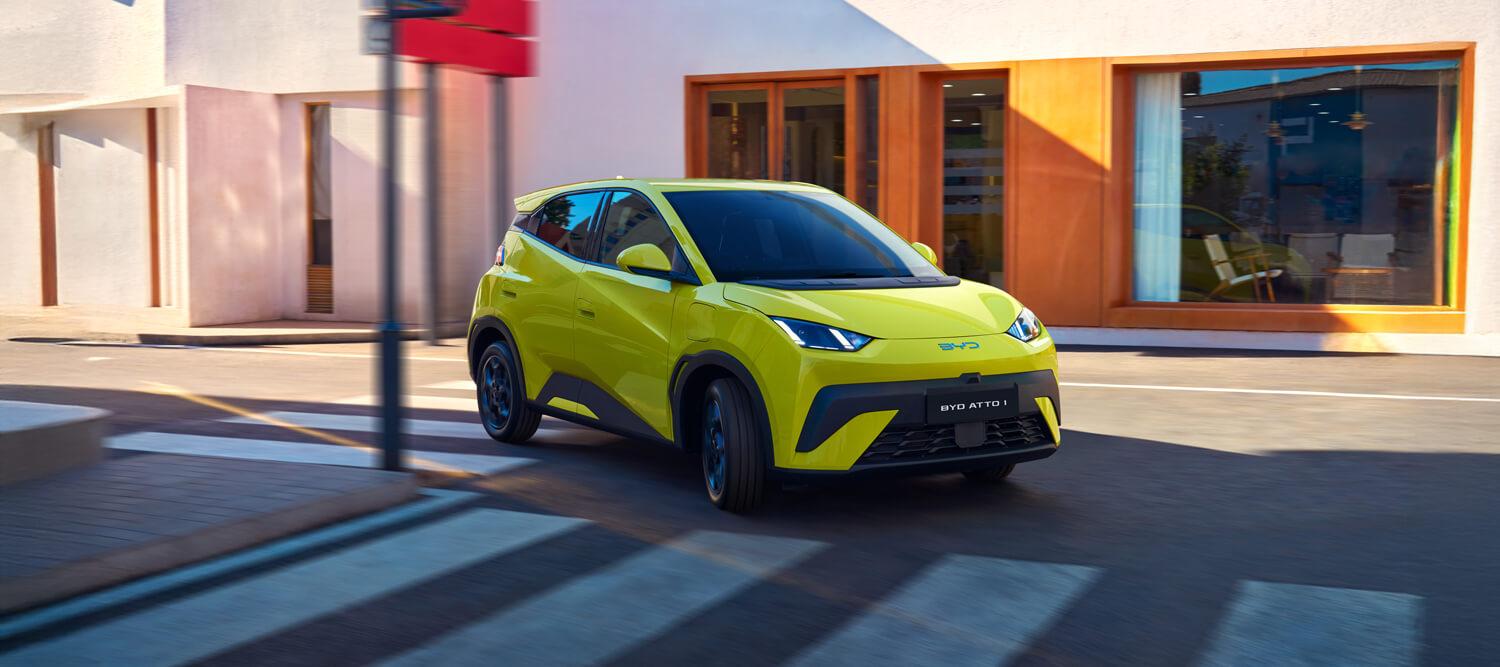
Kpler's data has the sulphur price up around 50 per cent already, with knock-on price rises now flowing into copper, lithium, and nickel. Battery suppliers are starting to issue warnings to car makers about reduced output and higher unit costs. If you have a deposit down on a Tesla, BYD, or any of the new Chinese arrivals, this is the upstream story that explains why your delivery window may be moving.
What it means for waiting lists in Australia
Australian new car buyers have lived through this once before. The 2021 and 2022 chip shortage stretched Toyota RAV4 waiting lists past 12 months and pushed dealers into aggressive markup behaviour on the few cars that did arrive. Battery cell shortages would not hit the same models in the same way, but they would compress availability across the EV and PHEV segments at the worst possible time.
Demand is already climbing. Petrol prices in Australia are sitting above 200c per litre for 91 RON and the EV share of new car sales has been hovering around 14 to 15 per cent of the market through the first quarter of 2026. Buyers who were on the fence about going electric are now signing contracts, and stock on dealer lots is thinner than it has been since the post-Covid recovery in 2023.
If battery supply slows during a demand spike, three things tend to happen at dealer level. First, the discounting that we saw across Hyundai and Subaru in May quietly disappears. Second, demonstrator units start getting locked into stock for sale rather than test drives. Third, dealers stop honouring drive-away campaign pricing on cars that have not arrived in port yet. All three are early signals worth watching.
Dealer behaviour to watch in coming months
The dealer playbook in a supply crunch is well documented. Watch for the language shift. Quotes go from "we have stock in port" to "we are quoting on the next allocation". The trade-in allowance gets tighter because dealers do not need your old car to move the new one. And the famous "dealer delivery fee" starts creeping back into drive-away calculations because there is no competitive pressure to absorb it.
The playbook for buyers is the same in reverse. If you have a confirmed VIN on an order, hold the price. Get the dealer to acknowledge in writing that the contracted price covers the car regardless of supplier cost movements. If you are in market for a new EV, place an order on a unit that physically exists rather than one expected to arrive in three months. The supply situation is not predictable.
Beyond batteries: the broader hardware crunch
The materials moving through Hormuz are not limited to sulphur. Helium, shipped from Kuwait and Qatar and used in semiconductor production, is also at risk, with priority going to medical applications. That means downward pressure on chip output at exactly the moment when every new car generation is more dependent on integrated chips, ADAS modules, and large-screen infotainment systems.
If chip availability tightens, expect the same waiting list dynamic to hit conventional petrol and hybrid cars as well as EVs. The 2022 chip shortage pushed Toyota and Mazda to ship cars with deleted features and missing options. There is no indication that has happened in 2026 yet, but it is the next domino to watch.
What you should actually do this month
For buyers who do not need a car right now, June is probably the smarter month to commit than September. The current drive-away campaigns from Hyundai and Subaru are still live, and dealer trade-in allowances are still relatively generous. If supply tightens later in the year, both will move against you quickly.
For buyers already on a waiting list, talk to your dealer this week. Ask whether your order is on an in-transit ship or in a forward allocation pool. The two answers carry very different risk profiles, and your dealer should be willing to confirm one way or the other. If they cannot, you may want to broaden your shortlist to include cars that are physically in country.
The Hormuz situation is not finished, and the second-order effects on Australian new car supply are only just starting to show in dealer order books. The buyers who are paying attention now will be the ones who avoid the worst of the wait list when it lands.
Considering finance for your next car? Loanseekers can help you explore car loan options.
The finer details
Your questions answered.
How does the Strait of Hormuz affect Australian car buyers?
The Strait carries roughly half of the world's sulphur supply, a key input in producing battery-grade nickel for EVs. Falling shipments are pushing up battery costs and could slow EV production. Australian buyers are likely to see longer waiting times and fewer discounts in coming months.
Will EV prices in Australia go up in 2026?
Possibly, in the second half of the year. Battery material costs are rising and Hyundai, Subaru, and Polestar have all run aggressive drive-away campaigns in May that may not be repeated. If you are EV shopping, the next six to eight weeks may be the cheapest window.
Is now a good time to order a new EV in Australia?
If the car is physically in stock, yes. If the order is on a forward allocation that has not yet shipped, the delivery window is now harder to predict. Ask the dealer to confirm whether the VIN is in transit or in a future build slot before committing.
Which EV brands are most exposed to the Hormuz disruption?
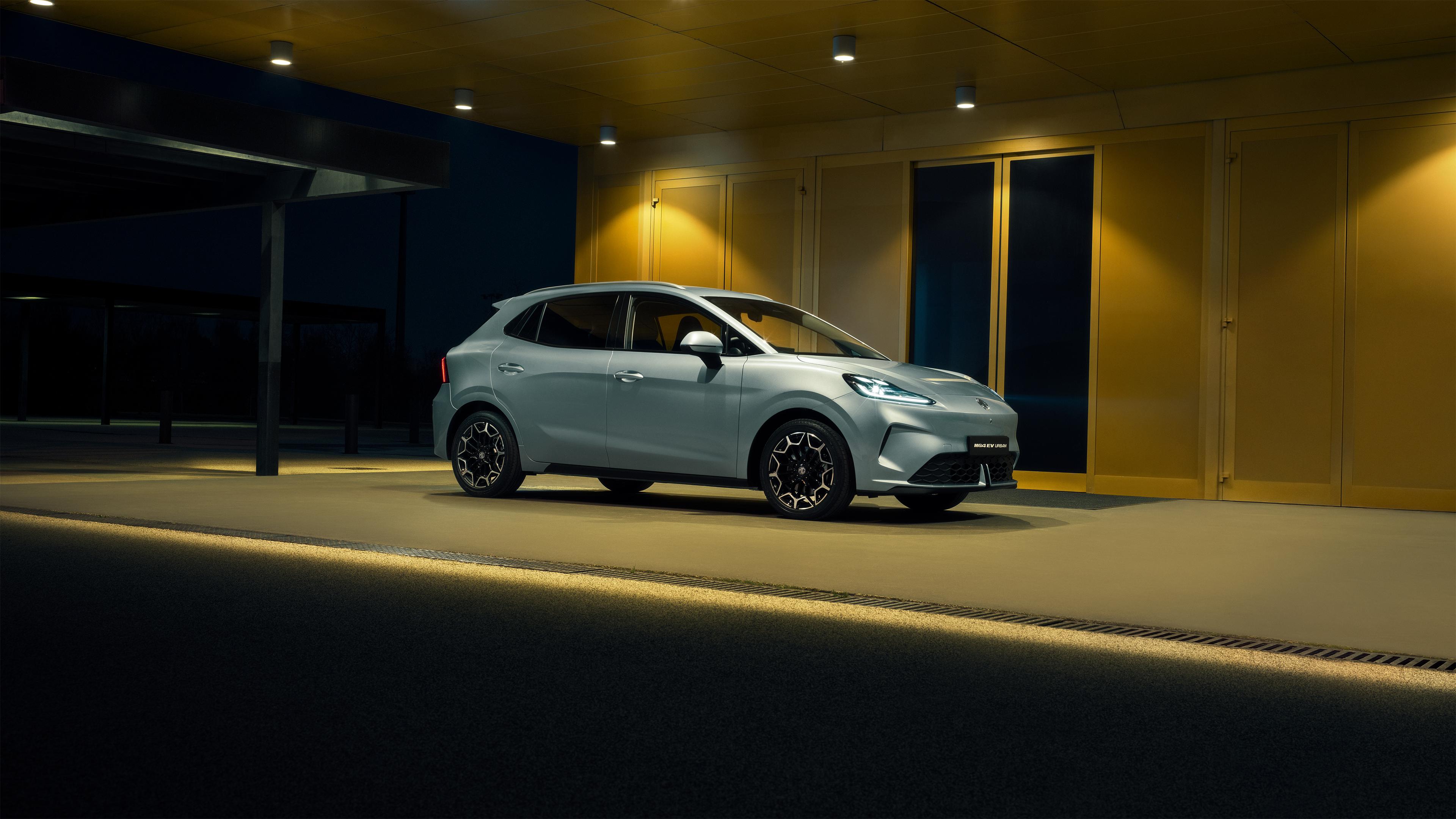
Chinese-built brands like BYD, MG, and Zeekr are most exposed because their battery supply chains rely heavily on Indonesian nickel. Korean and Japanese brands have more diversified supply but are not immune. European brands generally have longer lead times to begin with.
Could the chip shortage of 2022 happen again?
It is on the radar. Helium supply from the Middle East feeds semiconductor production, and that supply chain is now under similar pressure. The 2022 shortage stretched Toyota waiting lists past 12 months and would hit petrol and hybrid cars as well as EVs if it recurred.
What should I do if I already have a deposit on an EV?
Confirm in writing that the contracted drive-away price is locked regardless of supplier cost movements. Ask whether your VIN is on an in-transit shipment or a forward allocation. If your delivery window slips by more than a month, you may have grounds to renegotiate or cancel without losing your deposit.