
Most buyers think strong car brands mean higher prices. That is not always how it plays out on the ground.
When a manufacturer becomes highly profitable, the real shift happens at dealer level. That is where pricing decisions, stock pressure, and negotiation power actually sit.
What’s Happening
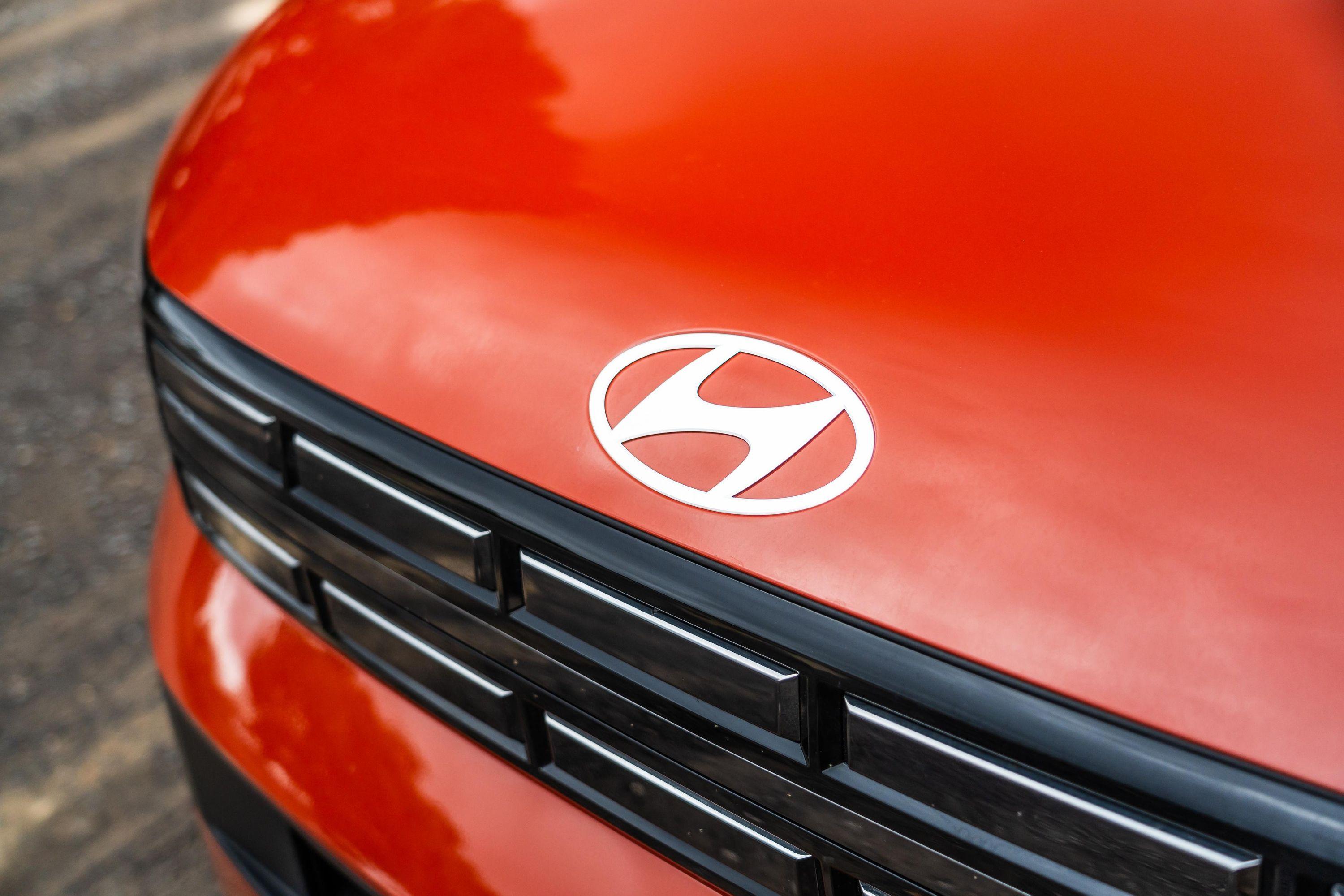
Hyundai has officially moved into one of the top global positions for automotive profitability, overtaking major players like Volkswagen.
This is not just about sales volume. It is about margin per vehicle, disciplined pricing, and strong demand across key models.
Hyundai has tightened its global strategy. Fewer discounts at a factory level, better product positioning, and higher perceived value.
On paper, that suggests prices should stay firm or even increase.
But that is not the full picture when you look at how dealers actually operate in Australia.
Key Details You Need to Know
Hyundai is generating more profit per vehicle than many traditional brands.
The brand has strong demand across SUVs and hybrid models, which typically carry higher margins.
Factory incentives are becoming more targeted rather than broad discounting.
Dealer supply is still flowing, especially on high-volume models.
Australian dealers still have monthly targets they must hit regardless of global performance.
This last point is where the opportunity sits.
Why This Matters Right Now
A more profitable manufacturer changes dealer behaviour in a very specific way.
Dealers rely less on factory bonuses and more on hitting volume targets to maintain profitability.
That creates pressure at the dealership level, not the brand level.
Even if Hyundai globally is making more money, your local dealer still has the same problem every month. They need deals on the board.
This becomes more aggressive at the end of the month.
If a dealer is behind target, they will sacrifice margin to secure volume.
That means pricing becomes inconsistent. Two buyers can walk into the same dealership days apart and get completely different deals.
The key is timing and positioning.
Buyers who are ready to move immediately are far more valuable to a dealer than someone “just looking”.
That is where leverage comes from.
What Most Buyers Get Wrong
Most buyers assume strong brands do not negotiate.
They walk in expecting fixed pricing, especially with brands like Hyundai that now have strong market positioning.
That is a mistake.
Dealers still discount. They just do it selectively.
Another mistake is asking for pricing too early.
If you are not ready to proceed, dealers will protect their margin.
They will give you a safe number, not their best number.
Buyers also underestimate timing.
Walking into a dealership mid-month with no urgency puts you at the bottom of the priority list.
There is no pressure on the dealer to move.
And finally, most buyers negotiate with one dealer.
That removes competitive pressure entirely.
What This Means for You
Hyundai’s profitability does not remove your ability to get a strong deal.
It just changes how you approach it.
You need to be positioned as a serious buyer.
That means knowing the exact car you want, being ready to proceed, and making it clear you can move quickly if the price is right.
You also need to create urgency from your side.
Dealers respond to buyers who can close, not buyers who are exploring options.
And most importantly, you need multiple dealers competing.
That is where pricing actually breaks.
One dealer will hold margin.
Three dealers will start undercutting each other.
That is when you see real movement.
How Carseekers Gives You an Advantage
This is exactly where Carseekers changes the dynamic.
Instead of negotiating with one dealer, you position yourself in front of multiple dealers at once.
That immediately creates competition.
Dealers know they are not the only option, which forces sharper pricing from the start.
You are also presented as a ready buyer.
Not someone browsing, not someone comparing casually.
That changes how dealers treat the opportunity.
They respond faster, price more aggressively, and are more willing to move to secure the deal.
If you are serious about buying a new car, using Carseekers removes the biggest disadvantage most buyers have.
You are no longer negotiating from a weak position.
You are controlling the process.
And in a market where brands like Hyundai are getting stronger, that leverage matters more than ever.
Considering finance for your next car? Loanseekers can help you explore car loan options.
The finer details
Your questions answered.
Are Hyundai prices going up in Australia because the company is more profitable?
Hyundai's improved profitability has not automatically translated into price increases in Australia. The brand still competes on value as a key selling point. However, a highly profitable Hyundai has less incentive to discount aggressively at dealer level, which can reduce negotiation room compared to brands under margin pressure.
Is Hyundai still good value compared to Toyota in Australia in 2026?
Yes. Hyundai consistently matches or exceeds Toyota on standard features and warranties at comparable price points. The Tucson, Santa Fe, and Ioniq 5 all represent strong value against Toyota RAV4, Kurarawong, and bZ4X equivalents. Hyundai's longer warranty coverage is a concrete advantage.
Does Hyundai's strong financial position affect how dealers negotiate in Australia?
Dealer-level pricing in Australia is influenced by stock levels and manufacturer support rather than global profitability directly. When Hyundai has strong demand and tight stock, dealers negotiate less. When stock is available, particularly at quarter end, deals are still accessible regardless of parent company margins.
What Hyundai models offer the best value for Australian buyers in 2026?
The Tucson hybrid, Ioniq 5, and Santa Fe hybrid stand out as strong value propositions in 2026. The Tucson hybrid specifically offers a competitive blend of features, running costs, and warranty coverage that rivals the Toyota RAV4 hybrid at a lower price point in most configurations.
How does Hyundai's warranty compare to Toyota and Kia in Australia?
Hyundai offers a five-year unlimited kilometre warranty across its range, matching Kia and exceeding Toyota's three-year 100,000km standard warranty. The five-year unlimited cover is a meaningful ownership advantage, particularly for high-kilometre drivers.
Is Hyundai's profit growth a sign it will cut back on discount programs in Australia?
Potentially over the long term, yes. Brands that achieve sustained profitability through disciplined pricing tend to reduce below-cost promotional activity. In the short term, Australian dealers still use national campaigns and end-of-quarter pressure. Watch for campaign offers thinning over the next 12 to 18 months if Hyundai maintains its current margin discipline.