The Federal Government has quietly closed the door on one of the cheapest paths to a fuel-efficient car in Australia. A small change to Australian Design Rule 79/05, brought in last December, means thousands of Japanese hybrid imports will no longer make it onto local roads. For buyers chasing low-kilometre Prius hatches, Alphard people movers, or kei trucks for the farm, the next few months are critical.
Importer trade groups call it an industry killer. The Carseekers team has tracked this story since the rule landed, and the picture for buyers is now clearer, and tighter, than the official line suggests.
The rule that quietly closed the gate
ADR 79/05 took effect from December 2025 as part of Australia's leap to Euro 6d tailpipe emissions standards. The previous rule held imports to Euro 5, the same yardstick Japan moved past in 2018. Australia did not stop at Euro 6, the standard Japan has used for the past seven years. It went straight to 6d, the European version that adds a Real Driving Emissions test on the road and a 160,000 km durability requirement.
The catch is in those last two letters. Japan's Euro 6 only checks emissions over 80,000 km and does not require an on-road test. Australia now wants double the kilometres, plus proof that the car still meets emissions on the road, not just on a dyno in a lab. Almost no Japanese domestic-market vehicle has been approved against that standard.
The Department of Infrastructure has effectively decided that what flies in Tokyo no longer flies in Brisbane, Hobart, or Geelong.
How big the JDM hybrid pipeline really was
In 2025, around 30,000 second-hand vehicles were imported into Australia. Of those, 18,987 came in via the Specialist and Enthusiast Vehicle Scheme register. About half of that volume was approved under fuel-efficiency criteria, and most of those cars came from Japan. Hybrids and plug-in hybrids dominated.
Roughly 10,000 fuel-efficient cars made the trip last year alone. That is not a niche. That is a real, working pipeline of cheap, low-kilometre hybrids that gave Australian buyers an alternative to a $40,000 new car.
Peter Greenwood from the Australian Imported Motor Vehicle Industry Association said the rule eliminated a key source of affordable, environmentally-friendly vehicles at exactly the moment buyers most need fuel relief. With petrol prices still well above the long-term average, the timing looks worse the longer you stare at it.
Which hybrids vanish from the import line
The cars affected are not obscure. They are the JDM staples that local importers have been moving for years.
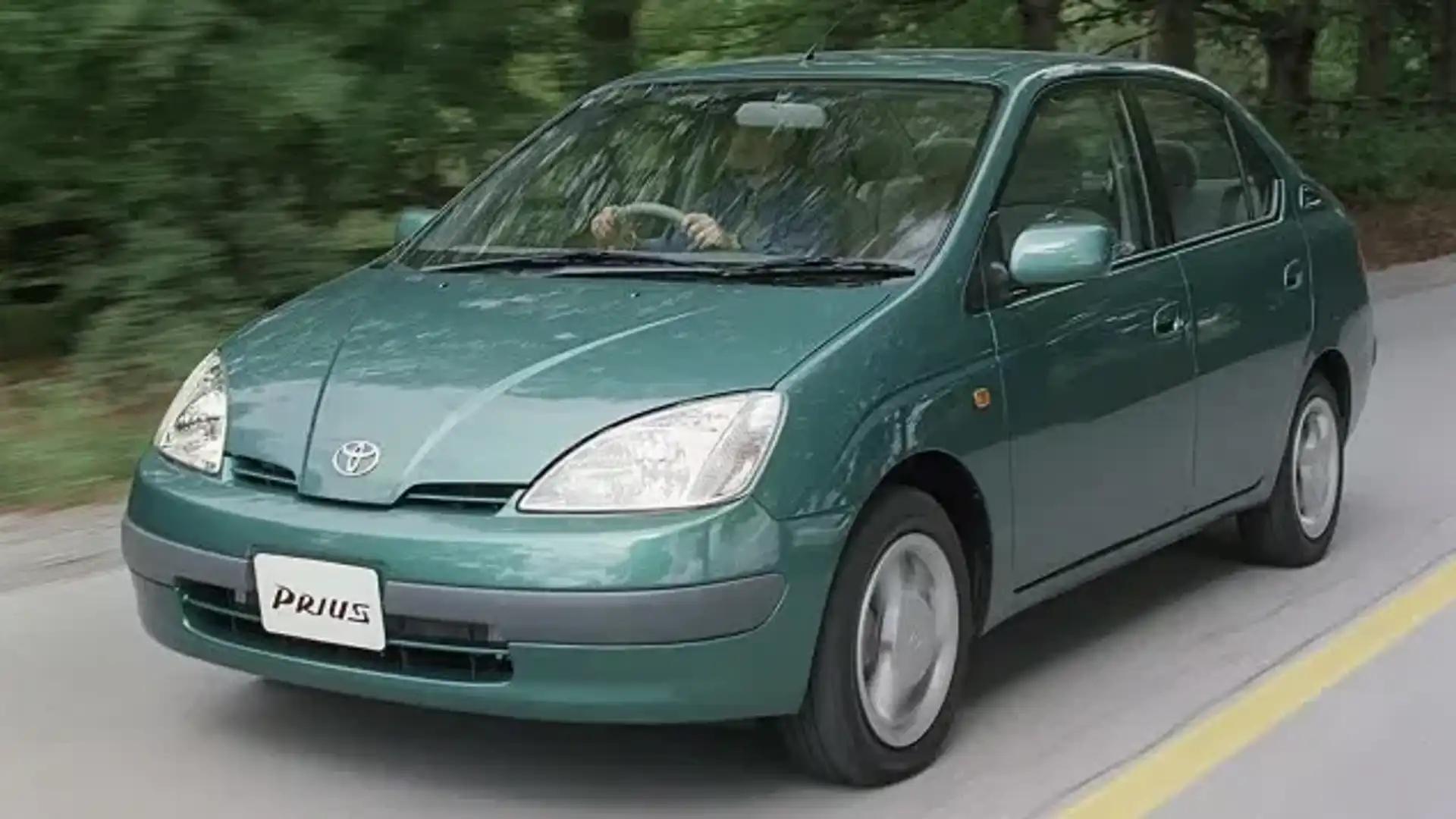
Current-model Toyota Prius hatches are out. So is the Toyota Alphard and its Vellfire twin, the people movers that became suburban status symbols and the unofficial chauffeur car of every Australian capital city. The Nissan Note hybrid disappears, as does the Daihatsu Hijet kei truck and the Mitsubishi Delica Mini that has built a quiet following with grey nomads. The Toyota Crown hybrid sedan also gets squeezed.
If you walk into a Toyota Camry showroom this month, the salesman knows all of those cars existed as a private-import alternative. By 2027, that knowledge becomes a sales tool against trade-ins, not a price comparison.
Existing approvals expire, and they cannot be renewed
The wording of the rule matters. Cars already on the SEVS register before December 2025 keep their permission. Importers can keep bringing those approved models in until each model's listing expires.
The hard stop is renewal. SEVS approvals last a maximum of three years. Once that window closes, the approval cannot be renewed under the new rule. Models that drop off the register stay off. New models that have never been approved cannot be added.
That gives importers a runway, not a future. Iron Chef Imports' Kristian Appelt said the timeline is brutal once you do the maths. Some cars will meet the new performance criteria. Any fuel-efficient ones, in his words, will be gone.
Why the official fix does not work for importers
The Department of Infrastructure has flagged a workaround that lets Japanese cars demonstrate they meet Australia's noxious emissions limits. On paper that sounds like a solution. In practice, importers say it is a wall.
The catch is who holds the proof. Real Driving Emissions data and 160,000 km durability records sit with the manufacturers, not the import shops. Toyota Japan is not in the business of handing testing dossiers to a small business in western Sydney that wants to bring in three Priuses next quarter.
The fallback the Department has floated is for importers to test a low-kilometre example and a 160,000 km example themselves. Appelt called the proposal completely unworkable and very expensive. His view is that the cost would put cars out of reach of the buyers they were meant to serve.
Why the new-car lobby loves it
The Federal Chamber of Automotive Industries, which represents the new-car brands, has backed the rule firmly. Chief executive Tony Weber said all vehicles in the market should meet the same safety, environmental and regulatory standards, and that FCAI members already do that through the official type-approval pathway.
That is the polite version. The blunt version is that grey-import hybrids compete directly with new-car franchises, and franchises run on margin, not volume. Every $18,000 imported Prius the importer sells is a buyer who is not signing a new-car finance contract or accepting a dealer add-on package.
A buyer cross-shopping a 60,000 km Alphard against a brand-new Kia Carnival is the kind of customer no dealer wants to negotiate with. With JDM hybrids closing off, the dealer's hand strengthens. Wait times stretch. Discounts shrink. Buyer leverage walks out the door at the same time as Iron Chef's stock list.
What this does to second-hand and new-car prices
Two effects are likely. First, prices on the existing pool of already-imported JDM hybrids will harden. Sellers know the supply is finite, and pricing on a ten-year-old Toyota Prius with low kilometres is already drifting up. Expect that pressure to continue.
Second, mainstream hybrids in showrooms get a reprieve from the cheaper alternative. The Toyota Corolla hybrid and Toyota RAV4 hybrid keep their wait lists. Hyundai's hybrid push, including the Hyundai i30 range and Tucson, picks up buyers who would have looked sideways at a JDM Prius. That is good for dealer order books, less good for buyer wallets.
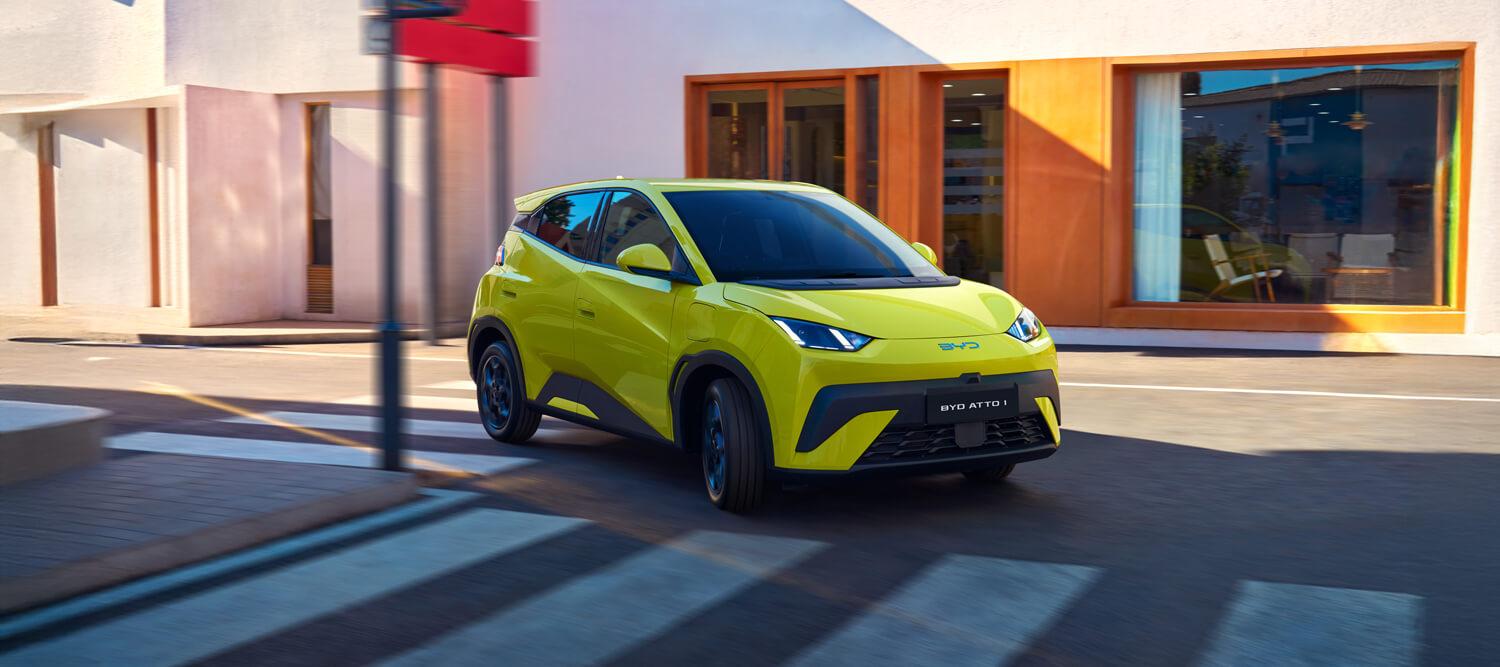
The path being filled by Chinese brands at a higher price point is covered in our take on the BYD push to ship 30,000 cars into Australia during the fuel surge. Same buyer brief, different pricing reality.
Already own a Japanese import? You are fine
The rule is forward-looking. Cars that are already in Australia, registered, and on the road are not affected. They can be bought, sold, registered, and driven exactly as before.
The used market for these cars is suddenly more interesting. A privately imported 2018 Toyota Prius with 70,000 km and a clean compliance plate is a known quantity. The supply does not grow. Demand does. Owners considering selling in the next year should think carefully about timing.
For buyers, the second-hand pool of already-imported cars becomes the only path to a JDM hybrid in 2027 and beyond. Inspect the compliance paperwork, the import history, and the service book before you sign anything. A car that came in legitimately under SEVS will have the documentation. A car that came in under one of the workshops the Government cracked down on in 2022 may not.
What buyers should do before stock dries up
If a JDM hybrid was on your shortlist, the timeline is short. Importers are still bringing in cars under existing approvals, and stock that lands in 2026 is still legal to register. Once those approvals lapse, the only supply is the cars already here.
Three actions worth taking now. Talk to a SEVS-registered importer about lead times for the specific car you want. Ask which approvals expire when. Get a written quote that locks in the price before currency moves and before the supply pinch tightens further.
If you are cross-shopping new-car hybrids instead, this is a moment to use the import threat as a bargaining chip while it still exists. Tell the dealer you are considering a JDM Alphard against the Kia Carnival they want to sell you. The number on the screen at the end of that conversation tends to come down.
Where this leaves Australia's net-zero pitch
The political tension in this rule is real. The Federal Government is pushing a new-vehicle emissions standard at the same time it is closing off the cheapest legal source of low-emission second-hand cars. AIMVIA's Greenwood called it a blow to the Federal Government's desire to reach net-zero emission targets. Importers argue that buyers swapping a 2003 Commodore for a 2018 Prius do more for fleet emissions than any showroom incentive.
Whether that argument lands or not, the practical effect is the same. The cheap hybrid pipeline is closing. The replacement pipeline of new-car hybrids and EVs costs more. For the average Australian buyer, the gap between intent and budget just got bigger.
For now, the message from Carseekers is simple. If you are eyeing a JDM hybrid, move fast, get the paperwork right, and assume the door closes in months, not years.
Considering finance for your next car? Loanseekers can help you explore car loan options.
The finer details
Your questions answered.
What is ADR 79/05 and when did it take effect?
ADR 79/05 is the Australian Design Rule that requires imported vehicles to meet Euro 6d emissions standards, including Real Driving Emissions testing and 160,000 km durability. It took effect from December 2025 and applies to private imports through the SEVS register.
Can I still buy a private-import Toyota Prius from Japan in 2026?
Yes, but only if the specific model has an existing SEVS approval that has not yet expired. Talk to a SEVS-registered importer about lead times. Once approvals lapse they cannot be renewed under the new rule.
Are existing Japanese imports already in Australia affected?
No. The rule is forward-looking. Cars already registered in Australia keep their rego and can be bought, sold and driven exactly as before. The change only applies to new private imports going forward.
Which Japanese hybrid models are most affected by the new rule?
The Toyota Prius, Toyota Alphard and Vellfire, Nissan Note hybrid, Mitsubishi Delica Mini, Daihatsu Hijet kei truck and Toyota Crown hybrid sedan are all in the firing line once their existing SEVS approvals expire.
How does this change affect used hybrid prices in Australia?
Expect prices on already-imported JDM hybrids to harden as supply shrinks. Mainstream hybrid stock in showrooms, including the Toyota RAV4 and Hyundai Tucson, gains pricing power because the cheap private-import alternative is closing off.
Does the rule change make new-car dealers more powerful?
Yes. Dealers lose a major source of cross-shop competition when JDM hybrids dry up. Expect tighter discounting on hybrids and longer wait times as buyer leverage shrinks. Use the remaining import option as a bargaining chip while you still can.