
The Luxury Car Tax (LCT) is heading for its biggest restructure since its 1999 introduction. The Federal Government is preparing changes tied to a proposed Australia-European Union Free Trade Agreement that could see European-sourced electric vehicles attract a much higher $120,000 LCT threshold from July 2027. For buyers shopping a premium EV right now, the timing of that change matters more than the modest July 2026 indexation lift that's also on the way.
Here's what's actually happening with the LCT, when each piece kicks in, and how Australian buyers should think about it.
What the LCT is and how it works today
LCT is charged at 33 per cent on the value of a vehicle above the relevant threshold. There are two thresholds. Fuel-efficient vehicles (those using under 3.5L/100km) get a higher threshold. Non-fuel-efficient vehicles (everything else) get the lower threshold.
In the current 2025 to 2026 financial year, the non-fuel-efficient threshold sits at $80,567 and the fuel-efficient threshold at $91,387. Any portion of the vehicle's value above the relevant threshold is taxed at 33 per cent.
LCT applies regardless of whether the buyer is private, fleet or novated lease. It's calculated on landed value plus customs duty, before GST, so the effective impact on retail pricing is significant once you start pricing premium SUVs and prestige sedans.
The July 2026 indexation: smallest lift in years
The LCT thresholds are indexed annually to the Consumer Price Index. From 1 July 2026, the non-fuel-efficient threshold rises by $242 to $80,809. The fuel-efficient threshold rises by $274 to $91,661.
These are the smallest annual adjustments to the fuel-efficient and standard caps since 2016 and 2008 respectively. The takeaway: don't expect meaningful LCT relief through indexation alone in 2026. If you're shopping a premium car that's currently sitting just above the LCT threshold, the July uplift will move it by a few hundred dollars at most.
The July 2027 EU change: where the real money sits
The more important date is 1 July 2027. Under the proposed EU Free Trade Agreement, European-sourced vehicles would lose import duties, and zero-emission vehicles from the EU would attract a new, much higher LCT threshold of $120,000.
That would effectively split LCT into three categories:
The first is zero-emission EVs from the EU: $120,000 threshold (proposed).
The second is low-emission vehicles (under 3.5L/100km): the existing fuel-efficient threshold, indexed annually.
The third is everything else: the standard non-fuel-efficient threshold.
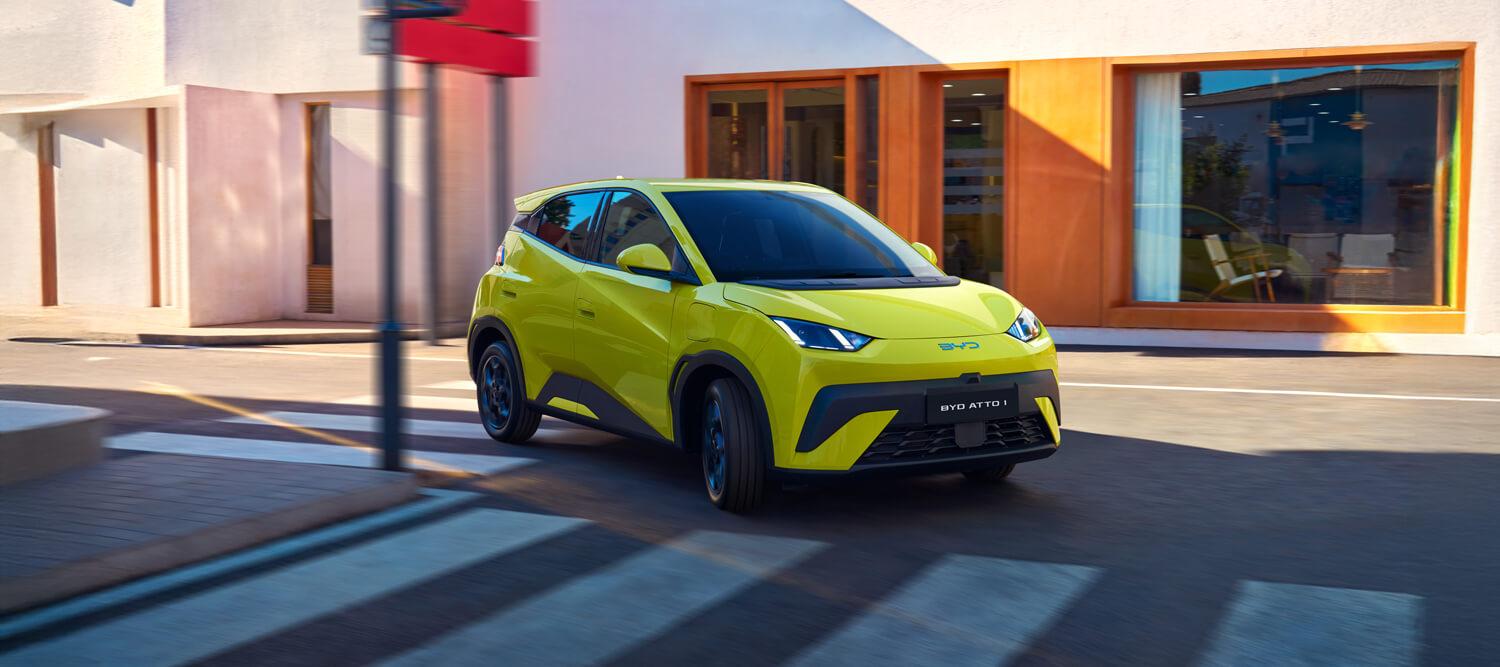
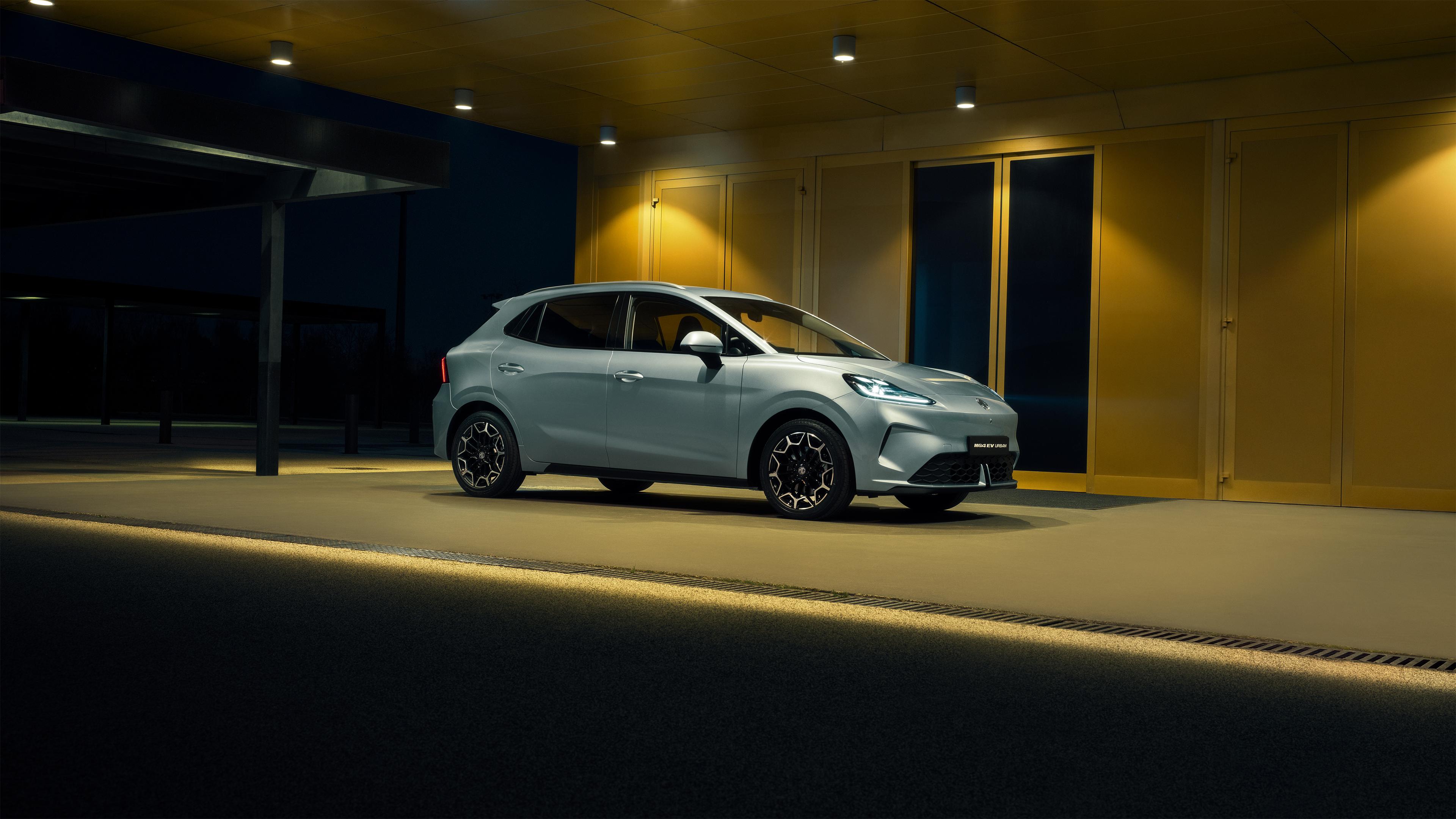
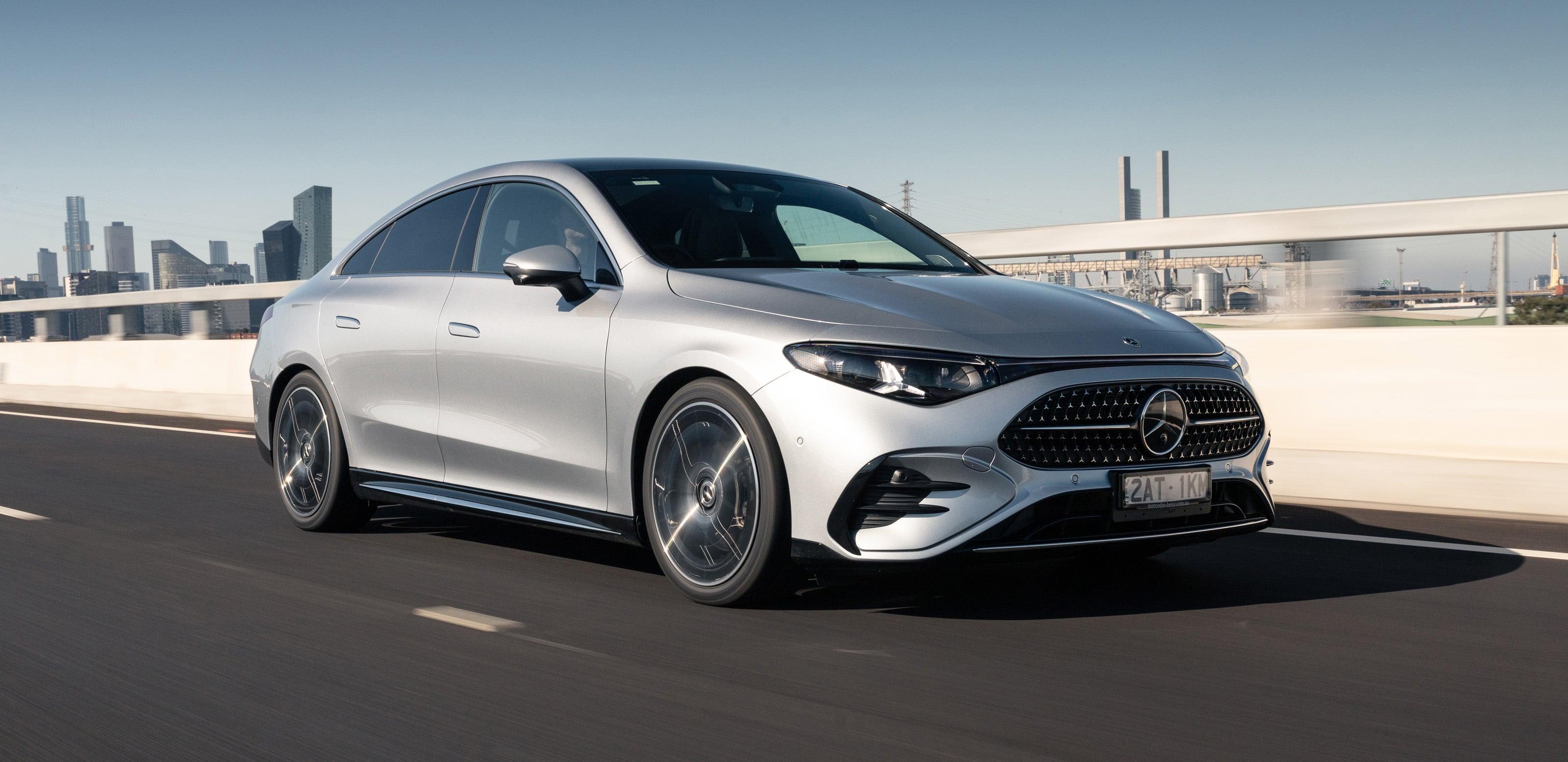
For European EVs above $120,000 today (think top-end Audi Q8 e-tron, Mercedes EQS, Porsche Cayenne Electric, BMW iX and BMW i7 variants), the change could drop tens of thousands of dollars off the on-road price overnight. The relief would not apply to Chinese, Japanese, Korean or American EVs, which keeps the existing $91,661 (indexed) threshold in play for cars like the BYD Sealion 7, Tesla Model X, Hyundai Ioniq 6 and Kia EV9.
The proposal is not yet adopted. Federal Government documents indicate an expected 1 July 2027 introduction, but that depends on the FTA being finalised and the LCT changes passing legislation. Buyers should treat the change as likely but not yet certain.
What this means for buyers shopping right now
Four scenarios cover most buyer situations:
If you're shopping a European EV above $120,000, hold if you can. A Porsche Cayenne Electric or BMW iX bought today carries LCT calculated on the value above $91,661. The same car bought after 1 July 2027 could carry LCT calculated on the value above $120,000. On a $200,000 car, the saving is around $9,400 in LCT alone, plus the loss of import duty saving on the broader EU FTA package. That's real money.
If you're shopping a European EV under $120,000, the proposed change is irrelevant to your LCT exposure. The current fuel-efficient threshold already covers you. Buy when the car you want is available at the right price.
If you're shopping a non-European EV at any price, the proposed change does nothing for you and may actually shift dealer pricing strategy. European brands will likely use the 2027 change to hold prices through 2027 and reset post-change. Chinese, Japanese, Korean and American EV brands will keep competing on price as they do today.
If you're shopping a non-EV premium car of any origin, the changes are mostly background noise. Indexation will lift thresholds modestly in 2026, and the 2027 changes don't restructure LCT for combustion or hybrid powertrains.
How dealers will play this
Expect three patterns from premium dealers through 2026 and into 2027.
First, holding pricing on European EVs through the proposal window. Dealers and importers will resist discounting cars they expect to be cheaper post-2027 because of the LCT change. That removes a normal source of negotiation leverage on premium European EVs.
Second, accelerated discounting on non-European premium EVs. Tesla, BYD, Polestar and rivals know the European brands are about to get a structural pricing advantage on EU-sourced product. Expect more aggressive pricing on Chinese and American EVs to lock buyers in before the change.
Third, lease structuring discussions. Novated lease providers will start modelling 2027 LCT scenarios as part of the pitch. For high-income buyers leasing into a European EV, the right structure can capture the post-July 2027 LCT change mid-lease through balloon recalculations or refinancing.
If you're cross-shopping premium EVs, you can compare current Australian drive-away pricing across European, Chinese, Korean and American options on Carseekers before committing to a strategy.
Why this matters beyond luxury buyers
The LCT change is also part of a broader Australia-EU trade conversation that includes resale value, parts availability and brand investment in the Australian market. A successful FTA that brings down EU-sourced EV pricing will likely lift Australian volumes for those brands, which over time changes service network density and parts availability for owners.
For mainstream buyers, the LCT change is mostly an indirect signal: the cars at the top of the price chain are getting more competitive, which usually pulls pricing pressure down through the rest of the lineup. Watch for Mercedes-Benz, BMW, Audi and Porsche to refresh entry-level pricing through 2026 to keep pace with what they expect to do at the top of the range from 2027.
The 2026 indexation is small. The 2027 change is big. For buyers shopping premium European EVs, the year you sign matters more than the model year on the badge.
Considering finance for your next car? Loanseekers can help you explore car loan options.
The finer details
Your questions answered.
What is the Luxury Car Tax threshold in Australia for 2026?
From 1 July 2026, the non-fuel-efficient LCT threshold rises by $242 to $80,809, and the fuel-efficient threshold rises by $274 to $91,661. These are the smallest annual increases to the fuel-efficient and standard caps since 2016 and 2008 respectively.
When will the new EU Luxury Car Tax changes start?
The Federal Government has signalled a 1 July 2027 introduction date for the proposed Luxury Car Tax changes tied to the Australia-EU Free Trade Agreement. The proposal still needs to be formally adopted and pass legislation, so buyers should treat the date as likely but not yet certain.
Will the LCT change make European EVs cheaper in Australia?
Yes, potentially significantly. Zero-emission vehicles sourced from the European Union would attract a new $120,000 LCT threshold from July 2027 under the proposed FTA. On a $200,000 European EV, the saving in LCT alone is around $9,400, plus the loss of import duty under the broader FTA.
Will Chinese EVs benefit from the EU Luxury Car Tax changes?
No. The proposed $120,000 threshold applies only to zero-emission vehicles sourced from the European Union. Chinese, Japanese, Korean and American EVs will continue to be assessed against the existing fuel-efficient threshold of $91,661 from July 2026, indexed annually.
Should I wait until 2027 to buy a European EV in Australia?
If the car you want sits above the $91,661 fuel-efficient threshold today and the proposed $120,000 EU threshold goes ahead, waiting until July 2027 could save five-figure sums on LCT alone for cars above $120,000. If the car is below $120,000, the proposed change is irrelevant and you should buy when pricing and availability suit.
How does the Luxury Car Tax work in Australia?
LCT is charged at 33 per cent on the value of a vehicle above the relevant threshold. Fuel-efficient vehicles (using under 3.5L/100km) get a higher threshold than non-fuel-efficient vehicles. The tax is calculated on landed value plus customs duty before GST, and applies to private, fleet and novated lease purchases equally.