Mitsubishi Australia is about to do something it hasn't done since 2012: put a full battery-electric car in its showrooms. The brand's first EV in 14 years is confirmed for an Australian launch before the end of 2026, and what makes it notable isn't just that it's electric. It's that the vehicle has been specifically developed with Australia as the primary market.
A Taiwanese EV Built Around Australian Roads
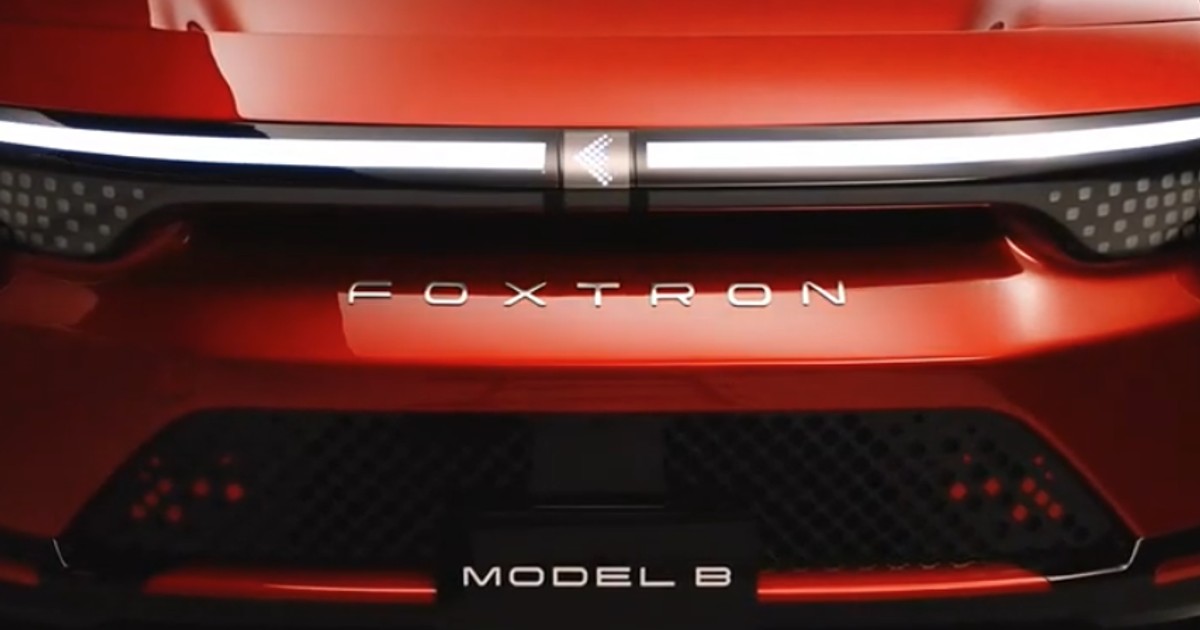
The new electric SUV isn't being made by Mitsubishi itself. It comes from Foxtron, a Taiwanese joint venture between Foxconn, the company that assembles iPhones, and local automaker Yulon. What distinguishes this arrangement from most brand partnerships is the level of Australian involvement in development.
Foxtron engineers physically brought vehicles to Australia for development testing. They evaluated local road conditions, took feedback from Mitsubishi Australia and Mitsubishi Motors Corporation (MMC), and made changes based on what they heard. Bruce Hampel, Mitsubishi Australia's product strategy general manager, described the process as genuine collaboration rather than a rubber-stamp exercise.
"They've done that independent of us [Mitsubishi Australia], but we have been invited to some joint evaluation tests with MMC and Foxtron, which we can then evaluate and provide our input as to how we think the vehicle is performing versus the competitors. The final evaluation test that we did really demonstrated that they had listened to our recommendations and have made significant improvements that put it into a really good position."
Australia and New Zealand are confirmed as the only two markets that will receive the Mitsubishi-badged version of this vehicle. That specificity is worth noting. This isn't a global car being handed to the local team and told to make it work. It was designed with Australian buyers as the intended audience.
What the Hardware Looks Like
No official specs have been released for the Australian market model. Mitsubishi has confirmed detailed specifications won't emerge until August 2026. But the vehicle is widely expected to share significant underpinnings with the Foxtron Bria, which is already on sale in Taiwan.
If that's the case, the base model would carry a 57.7kWh lithium iron phosphate (LFP) battery with a claimed NEDC range of 516km and a 171kW rear-mounted electric motor. The top-specification variant would use the same battery pack but add dual-motor all-wheel drive, producing 299kW and hitting 0-100km/h in 3.9 seconds, though range trims to 466km under the NEDC cycle.
Real-world Australian range will sit lower than those figures. NEDC numbers are optimistic even under ideal conditions. In mixed highway and urban driving across Australia's climate, expect usable range closer to 380-440km for the single-motor version and around 350-400km from the AWD. That's still a substantial step above the original i-MiEV, which managed barely 100km in real-world Australian conditions and moved only 192 units between 2010 and 2012.
LFP battery chemistry is worth noting. It's generally considered more durable and thermally stable than nickel-manganese-cobalt alternatives, which matters for resale value over a five to seven year ownership cycle. It's less energy-dense, which is why the range figures aren't class-leading, but for most Australian daily driving patterns it's more than sufficient.
The Name Question
Mitsubishi hasn't confirmed what the car will be called. Australian trademark applications filed by the brand include "ASX GT-e" and "ASX VR-e." Those filings suggest the EV might arrive under the existing ASX nameplate with a performance sub-brand suffix, trading on recognition while signalling an electric shift.
Whatever name it carries, Hampel was clear it will look and feel like a Mitsubishi. Styling cues from MMC will feature prominently, separating it visually and in branding from the base Foxtron Bria sold in Taiwan.
The ASX connection is interesting commercially. The current ASX is a rebadged Renault Captur. Sales have been slow by the brand's own admission. A fresh EV variant under the same badge could either rejuvenate the nameplate or confuse buyers who associate it with a modest European-sourced small SUV. Mitsubishi will need to market this clearly.
Why Foxtron Over Renault or Nissan?
The obvious question: Mitsubishi is part of the Renault-Nissan-Mitsubishi Alliance. There are existing electric vehicles in that group it could have adapted for Australia. The Renault Scenic E-Tech is one example. Nissan's Ariya is another. Given that the second-generation ASX is already a rebadged Renault Captur, using more Alliance technology seems logical.
So why go outside the Alliance?
Hampel's answer was direct: the Foxtron model's Australia-specific development made it the right choice. Alliance EVs would have been shaped around European or Japanese markets first, with Australia adapting products developed for different conditions and buyer expectations.
"We've considered all of them, we've looked at them, we've studied the business cases, but at this stage, the Foxtron is the most attractive one for the near-term. A lot of effort has gone in to make sure that this vehicle is tuned and developed to meet Australian conditions and Australian customer expectations," said Hampel.
This doesn't close the door on Alliance EVs arriving in future. It means that for the first EV launch, local relevance was prioritised. That's the right call commercially. A product launched with genuine local tuning generates better word-of-mouth than a product that works adequately but feels like it was designed for someone else.
Ride and Handling: The Real Selling Point
Most brands competing in the EV space lead with range, charging speed, and tech. Hampel deliberately avoided that framing when describing the competitive advantage of the Mitsubishi EV. He pointed to ride and handling as the standout feature.
"I think the main unique selling point is the ride and handling. That's the big thing that sets it apart from the rest. It's a very attractive vehicle, it's got competitive performance versus what is out there at the moment, but really it's the fun-to-drive element, and that confidence to really tackle Australian conditions will set us apart in the market."
This is a pointed statement with context behind it. Many Chinese and Taiwanese EVs launched in recent years have been criticised for suspension tuning that prioritises comfort on smooth Asian urban roads over the mixed conditions Australian drivers face, from sealed highways to corrugated country roads to multi-lane urban freeways with aggressive lane changes.
If the extensive Australian development testing has genuinely translated into a chassis that handles the country's road diversity with confidence, that's a real differentiator in a market where most budget EVs still ride like softly sprung city cars.
Carseekers will track pricing and specifications as they emerge from August onwards.
How NVES Is Forcing the Conversation
Australia's New Vehicle Efficiency Standard (NVES) is creating a structural push across every brand to electrify faster. Brands that miss emissions targets pay financial penalties. Brands that exceed them earn credits that can offset petrol-powered sellers. An EV in the lineup gives Mitsubishi both compliance headroom and a market signal.
Mitsubishi has been carrying its electrification load in Australia primarily via the Outlander PHEV, which received a meaningful update with more power and electric range. But plug-in hybrids alone won't satisfy tightening NVES thresholds as the decade progresses. A full BEV makes Mitsubishi's regulatory position significantly more comfortable going into the late 2020s.
There's a market timing argument here as well. Entering before the end of 2026 positions the brand ahead of the anticipated wave of sub-$50,000 Chinese EVs expected to arrive in force during 2027 and 2028. Getting dealer staff trained, service networks prepared, and early buyers into cars before that wave of competition intensifies is a strategically sound move, particularly for a brand that has struggled to generate buzz in Australia's rapidly changing EV space.
What Comes After This Launch?
Hampel confirmed Mitsubishi is actively evaluating all powertrain options for the Outlander's eventual replacement: internal combustion, conventional hybrid, PHEV, and full BEV. The Foxtron model is positioned as a market temperature check.
"That's really where we're pushing on the electrification phase in the immediate term, to see if the timing's right in the market to enter in with that type of powertrain option."
In practical terms, the commercial outcome of this launch will directly shape how aggressively Mitsubishi pursues EVs in Australia post-2027. A car that finds buyers quickly will accelerate the EV roadmap. A model that struggles against cheaper competition will keep PHEV front and centre as the primary focus for the brand.
This also matters for independent Mitsubishi dealers, who have been navigating a product range with patchy success in recent years. A genuinely competitive EV gives showrooms a reason to bring in buyers who might otherwise walk past.
How It Compares to the Competition
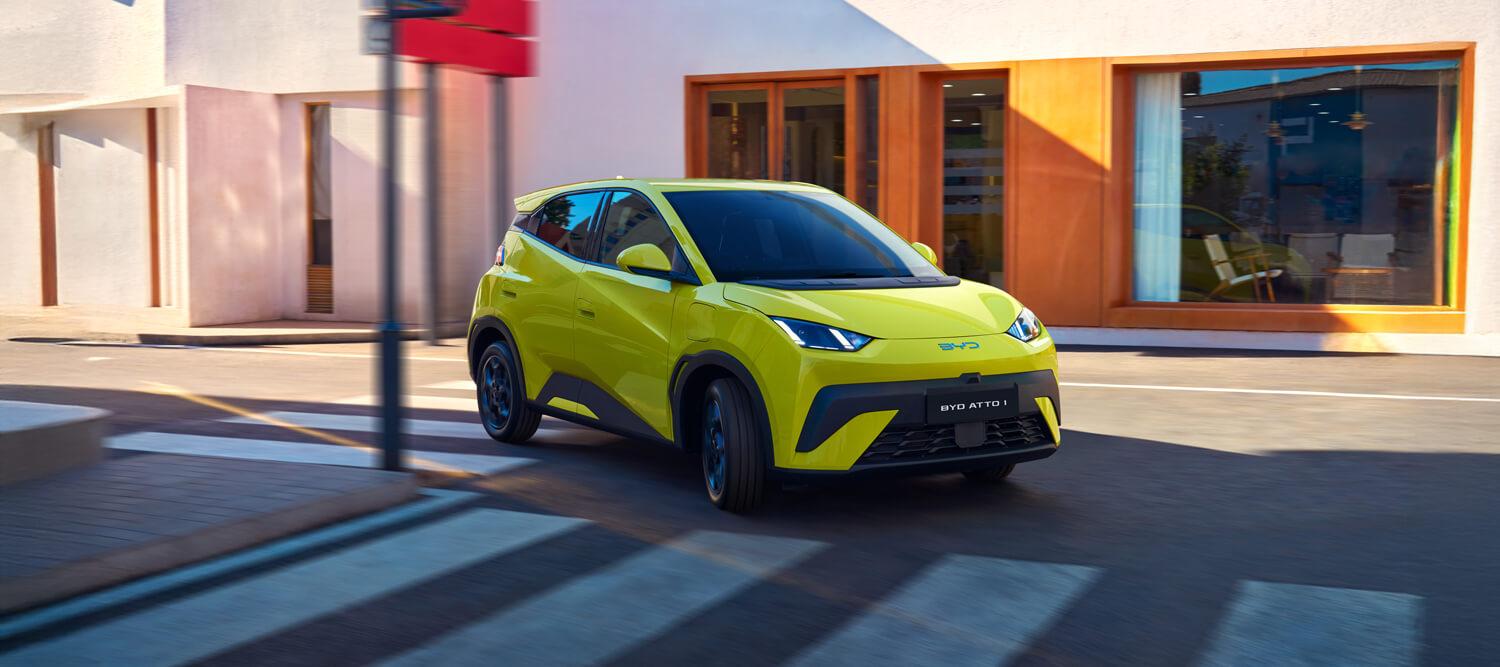
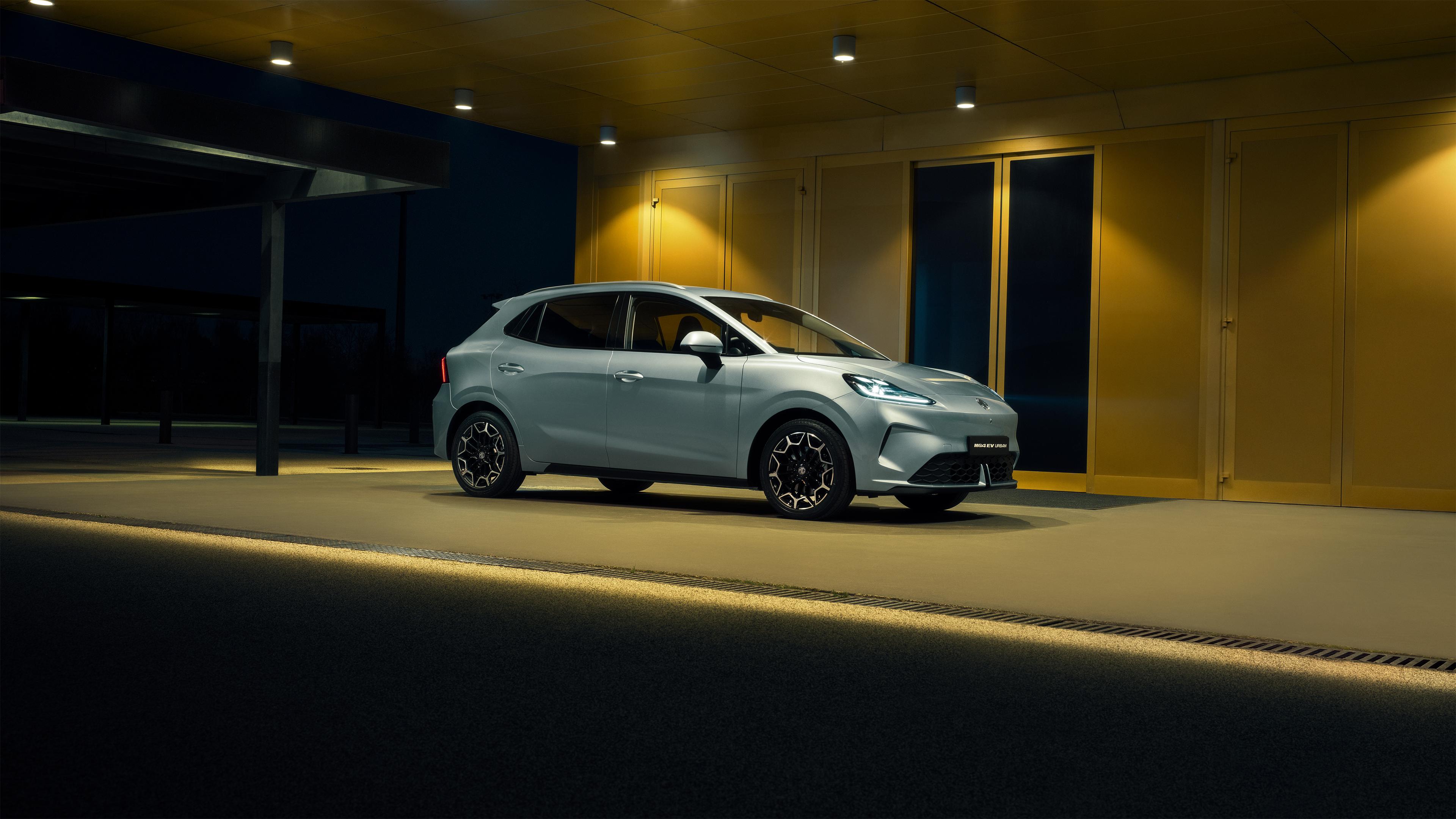
By the time this car launches, the sub-$60,000 electric SUV market in Australia will be deeply contested. The MG4 EV starts from $34,990 drive-away. The BYD Atto 3 is similarly priced at the entry level. The Kia EV3 and Kia EV5 will be established by then. And the Hyundai Kona Electric remains a popular choice for buyers who want brand reassurance.
Mitsubishi's pitch needs to be sharper than "here's another option." The Australia-tuned ride quality is a credible point of difference if it delivers on the promise. Familiarity with the Mitsubishi service network (over 160 dealer locations nationally) gives it an advantage over newer Chinese brands with thinner coverage. And the Foxtron partnership, backed by Foxconn's manufacturing scale, suggests parts availability won't be the uncertainty it is with some smaller entrants.
Pricing will be the deciding factor. If the base variant lands above $55,000 before on-road costs, it will face a steep climb against cheaper alternatives. If Mitsubishi can price it into the $45,000-$50,000 range with competitive warranty and service inclusions, the Australia-specific story becomes a genuine sell.
What Buyers Should Do Now
Full details, pricing, and order book openings aren't expected until August 2026. If you're in the market for a small to medium electric SUV, add this to your shortlist. Pay attention to the pricing announcement in August and compare it directly against the MG4 EV Urban Long Range, the BYD Atto 3 Evo, and the Kia EV3 at launch.
If ride quality is a genuine priority for you, the development story here is worth more weight than the spec sheet alone. But verify that in a test drive before committing. Manufacturer claims about handling are one thing. How a car feels on your regular roads is what matters.
Considering finance for your next car? Loanseekers can help you explore car loan options.
The finer details
Your questions answered.
When is Mitsubishi launching its new EV in Australia?
Mitsubishi Australia has confirmed the launch will happen before the end of 2026. Detailed specifications and pricing are due in August 2026, with sales expected to open shortly after. Dealers are expected to have the car in showrooms by late 2026.
How much will the Mitsubishi Foxtron EV cost in Australia?
Mitsubishi has not confirmed pricing yet. Based on the expected positioning against mid-range competitors like the MG4 EV and BYD Atto 3 Evo, most analysts expect a starting price in the $45,000-$60,000 range before on-road costs. Pricing details are expected in August 2026.
What is the range of Mitsubishi's new electric SUV?
If based on the Foxtron Bria as expected, the single-motor base model would offer around 516km under the NEDC cycle, translating to real-world range of approximately 380-440km. The dual-motor AWD variant would have slightly less range but adds 299kW output and 3.9-second 0-100km/h performance.
How does the Mitsubishi EV compare to the MG4 or BYD Atto 3?
Mitsubishi's key advantage over cheaper rivals is that the car was tuned specifically for Australian road conditions, with local engineers involved in development testing. Ride quality is the claimed standout. The MG4 and BYD Atto 3 start from around $35,000-$37,000 drive-away, so pricing will be a critical factor in how it competes.
Will Mitsubishi dealers be able to service the new EV?
Yes. Mitsubishi Australia has over 160 dealer locations nationally. The service infrastructure for the new EV is expected to be part of that existing network, giving it an advantage over newer Chinese brands with limited service coverage. EV-specific training will be completed before the launch date.
Why did Mitsubishi use Foxtron instead of Renault or Nissan technology?
Mitsubishi chose Foxtron because the Taiwanese manufacturer specifically developed and tested the vehicle for Australian and New Zealand conditions, making it the only markets for the Mitsubishi-badged version. Alliance models from Renault and Nissan were considered but were developed for other markets first, making them a less tailored fit for Australian buyers.