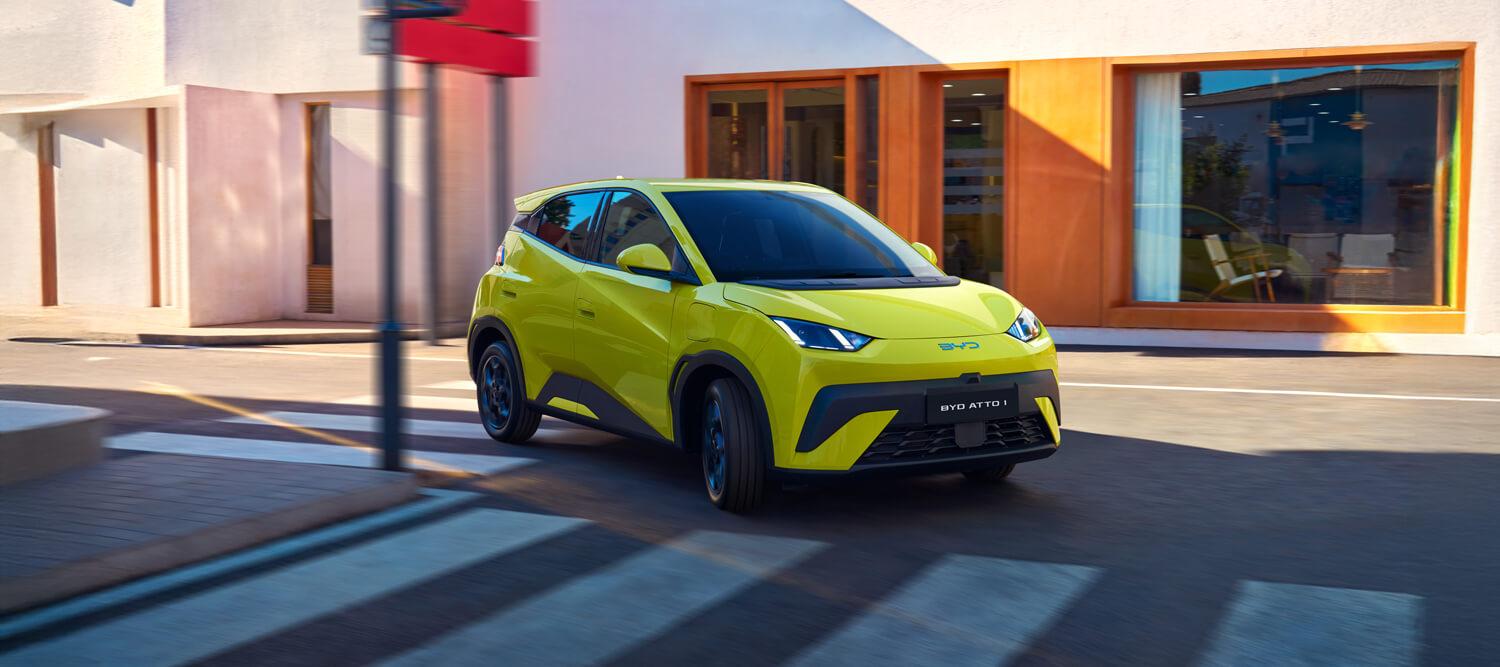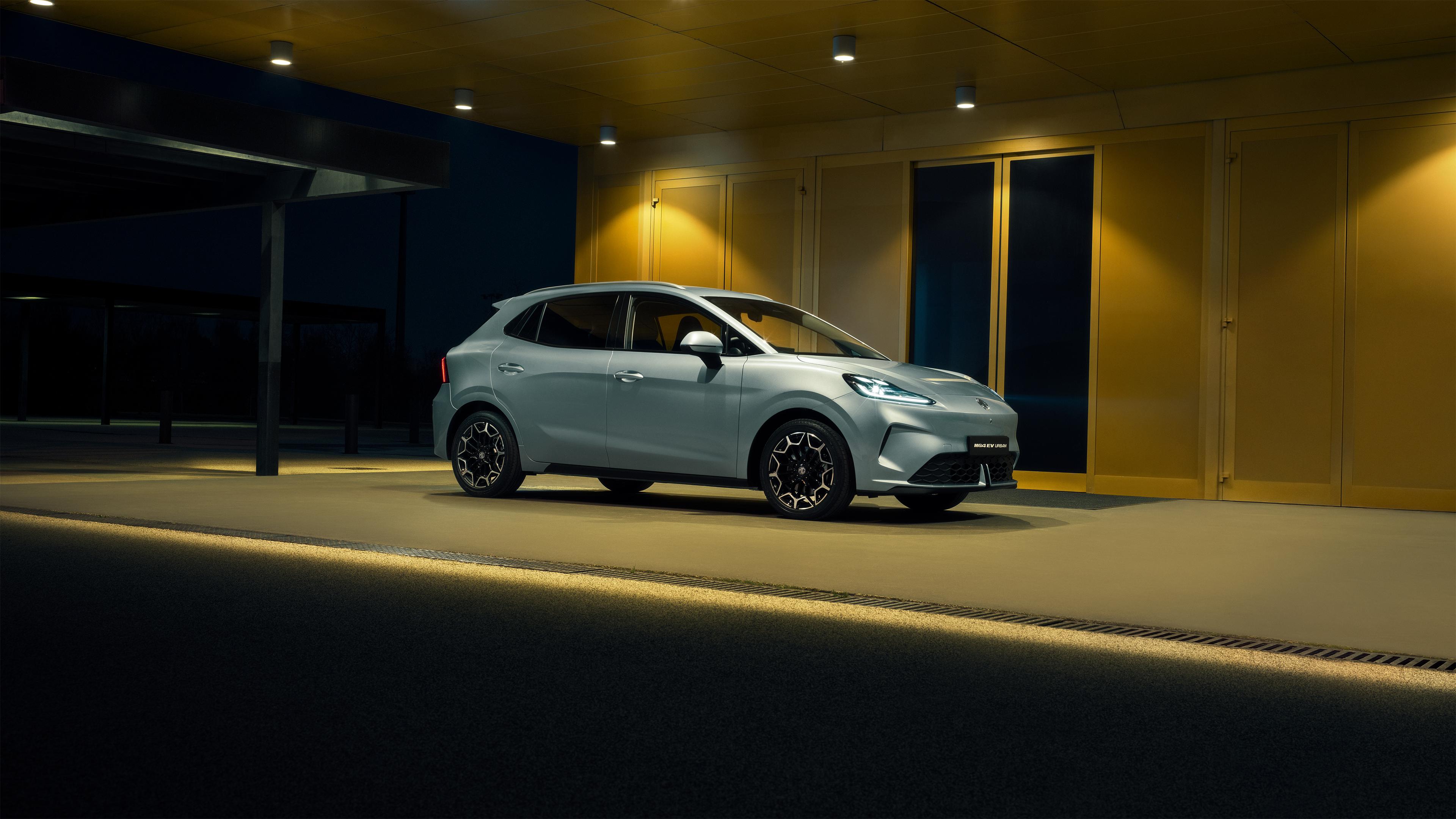
Peugeot has confirmed plans to manufacture cars in China for both domestic Chinese sale and for export, with Australia listed as a potential destination. This is part of parent company Stellantis's broader cost-reduction strategy, and it puts Peugeot in the same Chinese-built category as MG, GWM, and BYD.
At Carseekers we think Australian Peugeot shoppers need to think carefully about what this changes, because the badge stays the same but the ownership story gets more complicated.
Why Peugeot is making this move
Peugeot's European factories are expensive to run, and Stellantis has been blunt about needing to cut its cost base. Building cars in China for export markets means cheaper labour, more efficient supply chains for batteries and electronics, and better margins on each unit shipped.
The question for buyers is whether those savings get passed on at retail, or whether Stellantis pockets the difference and keeps Peugeot pricing roughly where it sits today.
What this means for resale value in Australia
This is the part most Peugeot buyers are not thinking about. Australian used-car buyers are still working through their feelings about Chinese-built cars, and trade-in valuations reflect that. Even if a Chinese-built Peugeot drives identically to a French-built one, the resale market may not treat them the same.
If you are buying a current French-built Peugeot in 2026, that distinction may quietly become a value lever in three years. Keep your build sheet, keep your VIN, and keep documentation that proves origin if you plan to sell privately.
How this plays against the broader Chinese car brand wave
If Peugeot starts shipping Chinese-built cars to Australia, the brand effectively joins the Chinese-built bracket while keeping its European premium pricing. That is a tough sell against MG and GWM, which have built their pricing strategy on transparency about being Chinese-built.
The brands that will struggle hardest with this shift are the ones charging European money for Chinese assembly. Buyers should ask their Peugeot dealer directly where each model is built before signing, and use that information at the negotiating table.
What you should do as a buyer
If you are interested in a Peugeot in 2026 or 2027, ask the dealer to confirm the build location in writing. That detail will matter at trade-in time, and you should not need to chase it after the fact.
If the answer is China, expect to negotiate harder. If the answer is France, recognise you may be paying for one of the last Western-built generations of the model.
Considering finance for your next car? Loanseekers can help you explore car loan options.
The finer details
Your questions answered.
Will Peugeot cars sold in Australia be made in China?
Peugeot's parent company Stellantis has confirmed plans to manufacture vehicles in China for export, with Australia listed as a potential destination. No specific models or timelines for Australian deliveries have been confirmed yet, but the direction is clear. Current Australian-market Peugeots are still built in Europe.
Does it matter if a Peugeot is built in China versus France?
For daily driving quality and reliability, the manufacturing location is unlikely to matter significantly given Stellantis's quality control processes. The more important consideration is resale value: Australian used-car buyers are still forming opinions on Chinese-built European brands, and trade-in valuations may not treat them identically to European-built equivalents for several years.
Will Chinese-built Peugeots be cheaper in Australia?
Lower manufacturing costs do not automatically translate to lower retail prices. Stellantis has indicated the China manufacturing shift is primarily a margin improvement strategy. Australian buyers should not expect significant price cuts when Chinese-built Peugeots arrive; if anything, prices are likely to hold while Stellantis recaptures margin.
How will Chinese-built Peugeots affect resale value in Australia?
This is the key risk for prospective Peugeot buyers. Australian used-car valuers are still calibrating how to treat Chinese-built European badges, and early trade-in data suggests a small but measurable discount compared to the same model from a European plant. Buyers planning a three-year exit should factor a slightly softer trade-in into their purchase calculation.
Is it worth buying a current French-built Peugeot before China-built models arrive?
Possibly, if build origin matters to you for resale. A French-built Peugeot purchased in 2026 will have documented origin that you can use in a private sale to distinguish it from later Chinese-built examples. Keep your build sheet and VIN documentation. Whether the market actually prices this difference in three to four years depends on how buyers respond to the shift overall.
How does a Chinese-built Peugeot compare to MG or GWM on value?
MG and GWM have built their Australian pricing strategy on transparency about Chinese manufacturing, pricing aggressively to reflect that context. A Chinese-built Peugeot sitting at European brand premium pricing creates a difficult comparison: buyers can get more features per dollar from MG or GWM, while paying Peugeot prices for a badge that no longer carries a European manufacturing story.