
Most buyers assume brands like Porsche are untouchable when it comes to pricing. They believe demand is always strong, supply is always tight, and negotiation is pointless. That assumption is starting to break.
What’s Happening
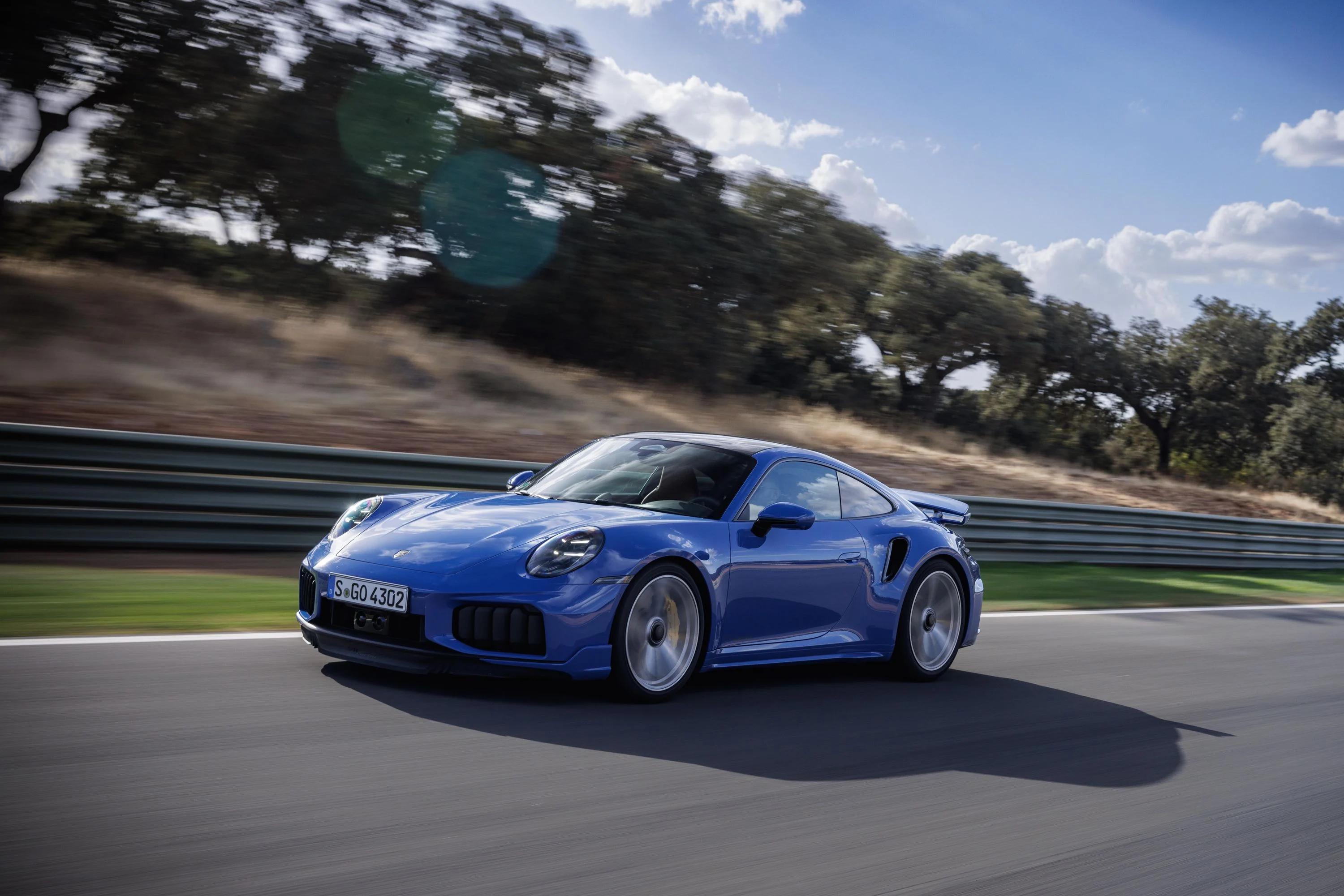
Porsche has reported a noticeable decline in global sales across 2025, with volumes dropping around 10 percent year-on-year. On the surface, that looks like a simple demand issue, but it runs deeper than that.
This is the result of multiple pressures hitting at once. Global economic conditions have tightened, interest rates remain elevated, and buyer confidence has softened. At the same time, demand in key markets like China has slowed significantly, which has a direct impact on global allocation and production strategies.
Luxury buyers are no longer behaving the same way they did during the peak supply shortage years. The urgency to secure any available stock at any price has disappeared. Buyers are now more selective, more patient, and far more price-sensitive.
For a brand like Porsche, which has historically controlled supply and maintained strong margins, even a moderate drop in demand changes dealer behaviour quickly. That is where the opportunity begins for buyers.
Key Details You Need to Know
• Porsche global deliveries are down roughly 10 percent in 2025
• China is a major contributor to the slowdown in demand
• Electrification is progressing, but not all buyers are transitioning yet
• Some core models are experiencing softer demand compared to peak years
• Inventory pressure is beginning to increase in certain regions
• Dealers are becoming more flexible, especially when chasing targets
While Porsche operates differently to volume brands, the same core principle applies. When demand softens, pressure builds behind the scenes.
Why This Matters Right Now
This is not just about Porsche. It reflects a broader shift across the new car market, particularly at the higher end.
From 2021 through to 2023, supply shortages gave dealers complete control. Buyers had limited options, long wait times, and almost no negotiating power. Paying full price or above was normal.
That environment has changed.
Dealers are now facing longer stock holding periods, more cancelled or delayed orders, and buyers who are actively comparing multiple options before committing. At the same time, interest rates are forcing buyers to think more carefully about total cost, not just monthly repayments.
As a result, pricing flexibility is returning, but it is not being advertised publicly. Premium brands protect their image, so discounts happen quietly through negotiation.
That creates a gap between what is advertised and what is actually achievable.
What Most Buyers Get Wrong
Most buyers are still operating with the mindset from the peak shortage period. They assume there is no point negotiating, that stock is still limited everywhere, and that delaying a decision means missing out.
That thinking is costing buyers money.
Dealers are now sitting on more stock than they would like. They are under pressure to hit targets that were set during stronger market conditions. They are willing to negotiate, but only with buyers who are clearly ready to proceed.
The biggest mistake buyers make is showing interest without commitment. Dealers will not offer their best price to someone who appears uncertain or still early in their decision process.
Serious pricing only appears when the dealer believes the deal can close immediately.
What This Means for You
If you are in the market for a new car, this shift is significant. It applies across the entire market, not just luxury brands.
Models like the Hyundai Tucson, Kia Sportage, and Toyota Corolla are all influenced by the same macro conditions.
To take advantage of this environment, your positioning matters more than anything else.
You need to be clear on your exact model and variant. You need to have your timing aligned, ideally ready to proceed within a short window. You need to signal to dealers that you are comparing offers and prepared to move forward quickly if the price meets your expectations.
Timing also plays a role. End-of-month and end-of-quarter periods still create pressure on dealers, and that is often where the most aggressive pricing appears.
The key is simple. You need to look like a buyer who will act, not someone who is still exploring.
How Carseekers Gives You an Advantage
Most buyers limit themselves to a single dealership and negotiate within that environment. That approach puts the dealer in control.
Carseekers changes that dynamic.
Instead of relying on one dealer, multiple dealers compete for your business at the same time. That competition forces pricing to move immediately.
When dealers know they are competing directly against others, they stop holding margin unnecessarily. They respond faster, they take the enquiry more seriously, and they push harder to secure the deal.
In a market where demand is softening but still active, dealers prioritise buyers who are ready to proceed. Carseekers positions you exactly that way.
You are not seen as someone browsing. You are seen as a buyer who has already decided and is now choosing the best offer.
That is how you access pricing that is not visible publicly.
Final Takeaway
Porsche’s 10 percent sales decline is not just a brand-specific issue. It signals a shift in market leverage.
For the past few years, dealers held the advantage. That balance is now moving back toward buyers.
But it only benefits those who approach the market correctly.
If you remain passive or uncertain, you will see little difference. If you position yourself as a serious buyer and create real competition between dealers, the outcome changes completely.
This is where the best deals are now being made.
Considering finance for your next car? Loanseekers can help you explore car loan options.
The finer details
Your questions answered.
Is now a good time to negotiate on a Porsche in Australia?
Better than it was 12 months ago, yes. A 10 percent global sales decline shifts stock dynamics and puts dealer volume under pressure in a way that creates negotiation room on slower-moving models. Cayenne E-Hybrid, Macan, and Panamera inventory are the most likely to have movement. Ultra-hot models like the 911 GT3 remain constrained.
Why are Porsche sales dropping globally in 2025?
Porsche's decline is driven by a combination of macro factors: higher interest rates reducing luxury spending, Chinese market weakness affecting global allocation, and buyer hesitation around the Taycan electric range as EV technology continues to evolve. In Australia, competition from electric alternatives at lower price points is also a factor.
Will Porsche prices drop in Australia due to falling global sales?
List prices are unlikely to drop, but dealer negotiating room on demonstrators and stock units increases when global demand softens. The practical impact for Australian buyers is improved deal quality on in-stock cars rather than formal list price reductions.
Is the Porsche Cayenne still worth buying in Australia in 2026?
Yes. The Cayenne remains one of the strongest all-round luxury SUVs available in Australia for buyers who value driving engagement alongside practicality. The Cayenne E-Hybrid is a particularly strong proposition, combining Porsche's driving character with meaningful running cost savings compared to the petrol-only variants.
How does Porsche's sales decline affect resale values for existing owners?
A modest sales decline at Porsche's volume level is unlikely to materially impact resale values for existing Australian owners. Porsches have consistently strong residuals driven by buyer desirability rather than volume scarcity. A sustained multi-year decline would matter more than a single-year fluctuation.
Is the Porsche Taycan a good EV buy given Porsche's sales pressure?
The Taycan received a major update in 2024 and is a genuinely strong luxury EV, particularly in Sport Turismo wagon form. Porsche's sales pressure does improve the deal environment on Taycans modestly. For buyers who have been considering a Taycan, mid-2026 is a better negotiating environment than late 2024.