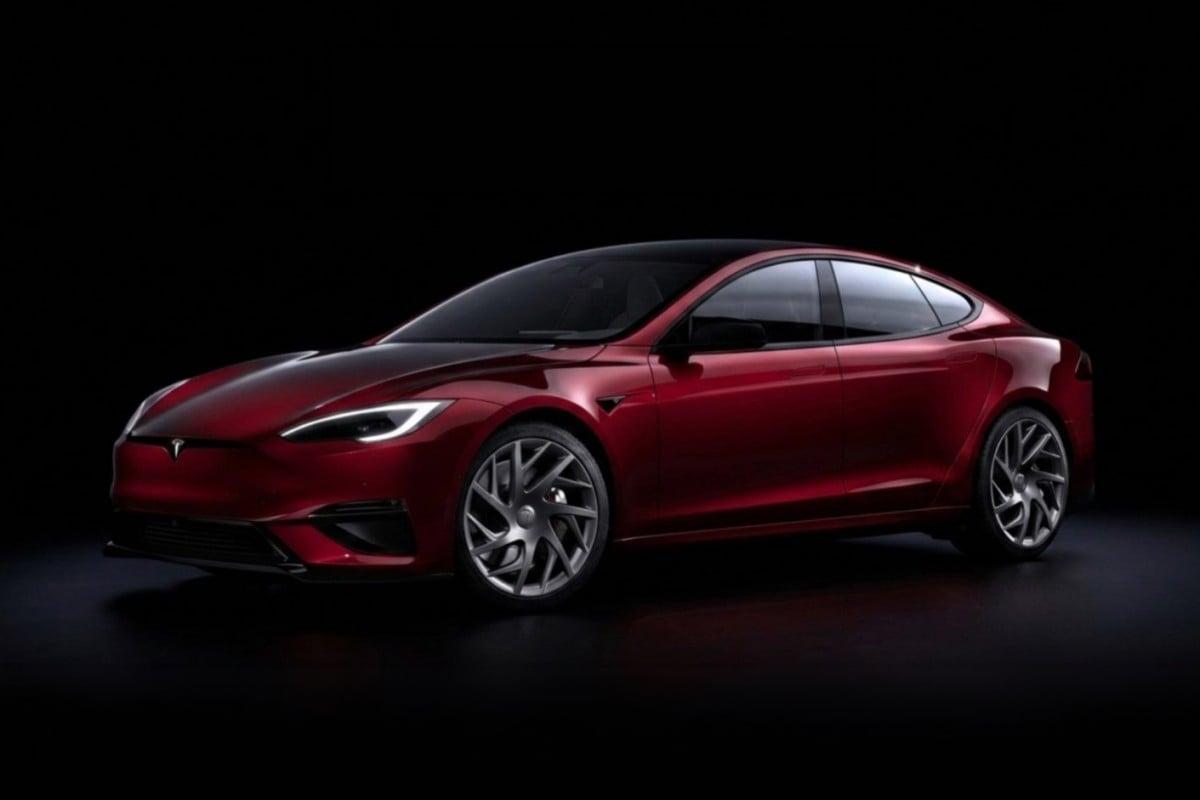
Tesla has officially killed off the Model S and Model X. The company confirmed on Elon Musk's social media platform X that "the last Model S and the last Model X have been produced at Fremont Factory". It is the end of two cars that defined Tesla's early years and the broader idea of what an electric vehicle could be in the premium market. It also marks a clear strategic shift away from cars at the top end of the lineup, in favour of humanoid robots.
Musk first floated the idea of culling both models in January 2026, saying the world's second-largest EV maker would repurpose its Fremont facility, where both cars were built, to manufacturing the forthcoming Optimus humanoid robot. Five months later, it is done.
For Australian buyers, the direct impact is limited. Neither the Model S nor the Model X has been sold here since 2020, when Tesla confirmed it would no longer build either model for right-hand drive markets. But the symbolism of this decision matters far more than the immediate sales effect, and it shapes what Tesla looks like as a brand going forward.
The sales math behind the decision
Both models were declining for years. In 2025, the Model S accounted for just 0.6 per cent of total Tesla sales globally. The Model X did slightly better at 1 per cent. Together, that is less than 2 per cent of Tesla's volume from two cars that consumed manufacturing capacity, supply chain bandwidth and engineering attention.
The rest of Tesla's volume is dominated by Model Y at 66.4 per cent and Model 3 at 30.5 per cent. The polarising Cybertruck added 1.5 per cent. So between Model Y, Model 3 and Cybertruck, Tesla covers 98.4 per cent of its sales with three products.
From a pure business perspective, retiring the Model S and Model X is not surprising. The cars were not being refreshed at the pace of newer rivals. Their tech, particularly in the cabin, was visibly trailing what was appearing on the Model 3 facelift and the Cybertruck. Production economics did not work.
From a brand perspective, however, this is a significant break with Tesla's premium-market positioning. The Model S Plaid was, for years, the brand's flagship statement. Without it, Tesla is essentially a mass-market EV company with a cult truck on the side.
The Signature Edition send-off
Tesla farewelled both cars with a special run of Signature Edition models based on the Plaid variants. Just 250 Signature Edition Model S and 100 Signature Edition Model X were produced, priced at US$159,420. Those will become collector items immediately, particularly the Model X with its lower production volume.
For Australian fans of either car, the Signature Editions are essentially unobtainable. They were US-market only, sold in left-hand drive, and the small allocation means most went to existing Tesla owners with relationships to the brand. Even on the secondary market, expect prices well above the original sticker within a year.
What this says about Tesla's wider strategy
The Optimus pivot is not new, but its prioritisation over established product lines is. Musk has publicly said Optimus could eventually generate revenue that dwarfs Tesla's car business. Repurposing Fremont, the factory where Tesla's premium EV story began, is the most concrete signal yet that the company believes its future is more robots than cars.
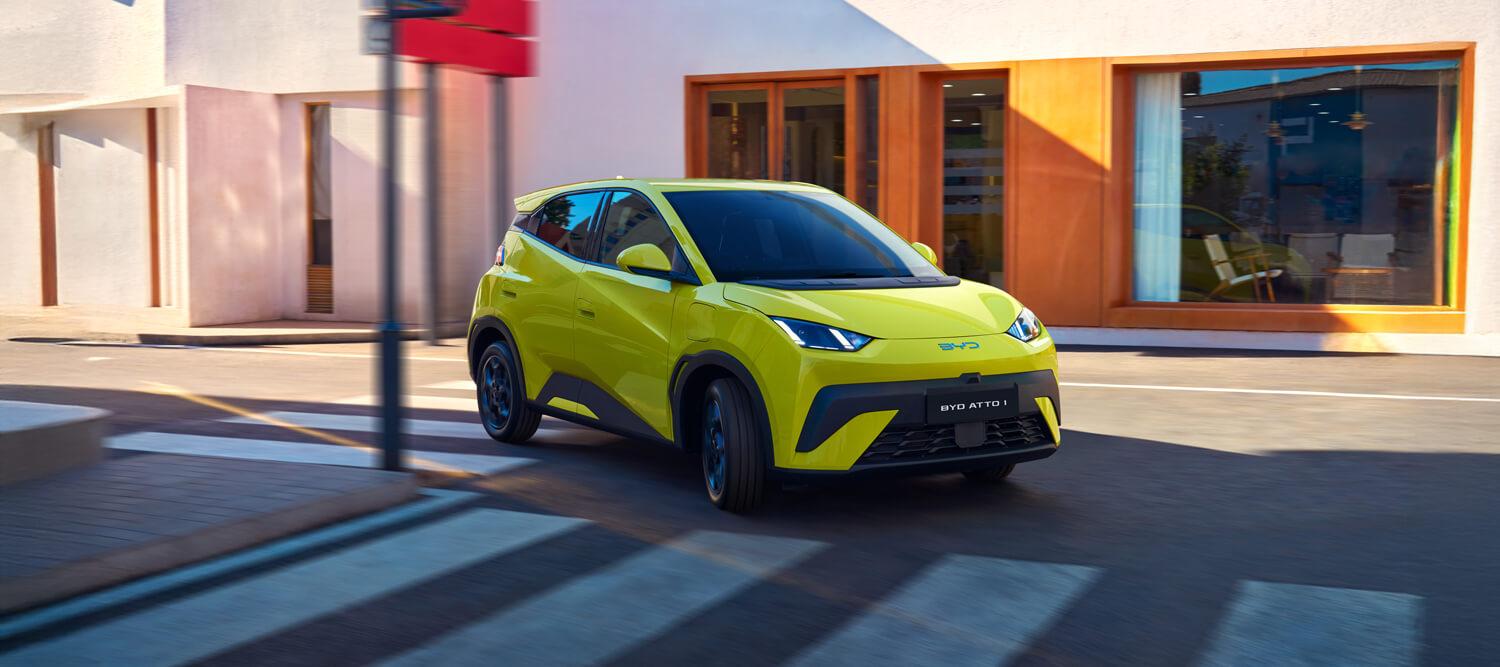
This matters for Carseekers readers cross-shopping a Tesla against Chinese EV alternatives. Tesla's product cadence has slowed visibly. The promised "affordable Tesla" has been delayed. The Roadster, originally promised in 2020, is still vapourware. The Cybertruck arrived years late and has not converted into the volume hit some predicted. Meanwhile, BYD has overtaken Tesla in Australian EV sales in April 2026 according to VFACTS data.
A company that is winding down its premium products while accelerating its non-automotive division is, by definition, less focused on cars. Buyers shopping the Tesla Model Y and Model 3 should factor this into their expectations for future model refreshes and feature improvements.
What replaces the Model S in the lineup?
Nothing, in the immediate term. Tesla has no large sedan in development that has been credibly confirmed. The new Model 3 facelift will continue serving as Tesla's flagship sedan, which is a sentence that would have sounded ridiculous five years ago.
The Model Y remains the volume product. The Cybertruck handles the unconventional flagship role. The Roadster, if it ever arrives, would sit in a different category entirely.
There have been rumours of a Model 2 or affordable Model 3 derivative, but nothing has been formally confirmed for production. Tesla's pipeline is, in product terms, surprisingly thin compared to where it was even two years ago.
Why this matters for Australian Tesla buyers
Australian Tesla buyers have not had access to the Model S or Model X since 2020, so the direct showroom impact is zero. But the brand's strategic direction now influences what gets built in right-hand drive at all.
The Model Y and Model 3 remain available locally. The Cybertruck has not been confirmed for Australia in any meaningful way. There is no certainty about whether the next Tesla model designed for Australian markets will arrive in a reasonable timeframe.
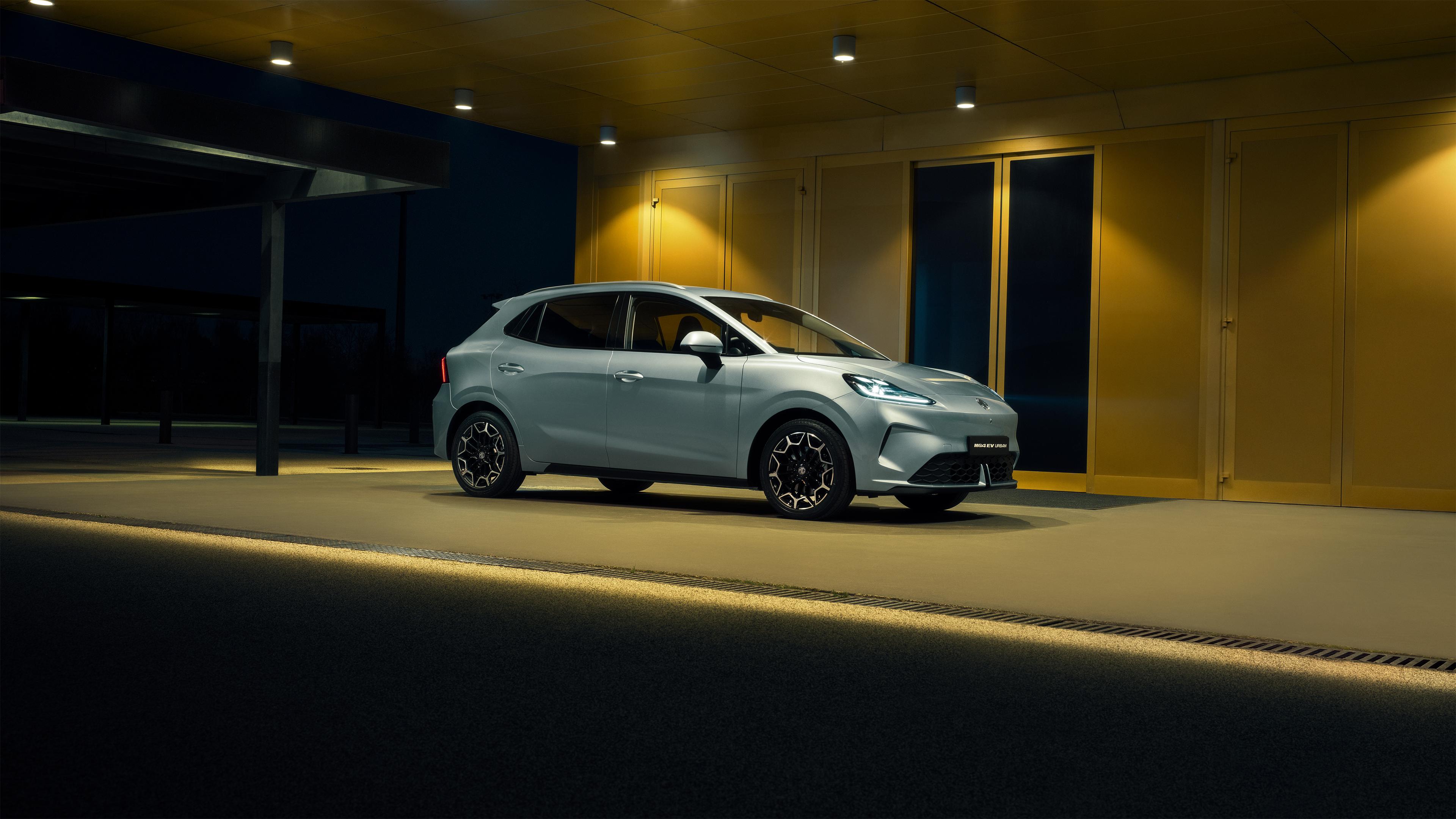
This is part of why Chinese rivals have been eating Tesla's lunch in Australian sales. BYD, Zeekr, and now MG with the IM5 are launching new models faster than Tesla is. The Model Y is brilliant, but it cannot carry an entire brand's product offer forever.
What savvy buyers should do
If you currently drive a Model S or Model X imported privately into Australia, your car just became a collector item. Even if not, parts supply and service support from Tesla will continue, but the cars will not receive significant software updates beyond bug fixes and security patches. Plan ownership accordingly.
If you are shopping a Model Y or Model 3 right now, the value proposition remains strong, but pay close attention to what the resale picture looks like over the next 24 months. Strong competition from Chinese EVs is pressuring used Tesla values, and a brand visibly de-prioritising its car business is not an obvious tailwind for residual values.
If you have been holding out for a new Tesla flagship to replace your aging Model S, the answer is now clear. It is not coming. The next-best alternatives in Australia are the BMW i7, Lucid Air (not officially sold here), or stepping into the Porsche Taycan family. Tesla's premium sedan era is genuinely over.
Considering finance for your next car? Loanseekers can help you explore car loan options.
The finer details
Your questions answered.
Why has Tesla axed the Model S and Model X?
Tesla has repurposed its Fremont factory to manufacture the upcoming Optimus humanoid robots. Both cars had also seen sharp sales declines, accounting for just 0.6 per cent (Model S) and 1 per cent (Model X) of total Tesla volume in 2025.
Will the Tesla Model S or Model X be sold in Australia again?
No. Neither model has been sold in Australia since 2020, when Tesla stopped building them in right-hand drive. With production now ended entirely, there is no path back. Australian buyers will need to look at the Model Y, Model 3 or alternative brands.
What is replacing the Model S in Tesla's lineup?
Nothing, at least not in the short term. The Model 3 will continue serving as Tesla's flagship sedan globally, with the Model Y remaining the volume product. Tesla has no announced replacement for the Model S premium sedan position.
How much do the final Tesla Signature Edition Model S and X cost?
US$159,420 for both the 250-unit Signature Edition Model S Plaid and the 100-unit Signature Edition Model X Plaid. Both were US-market only and sold in left-hand drive, with most going to existing Tesla customers.
Should I be worried about owning a Tesla Model Y or Model 3 now?
Not for daily use. Both models remain in production and are well-supported. The concern is more strategic. Tesla's product cadence has slowed, Chinese rivals are launching faster, and resale values are under pressure. Plan ownership timelines accordingly.
What does the Tesla shift to Optimus robots mean for car buyers?
It signals that Tesla sees its long-term growth in robotics rather than expanded vehicle lineups. Expect slower car product cycles and less aggressive vehicle refreshes than in the early 2020s. Buyers chasing the latest EV tech may find Chinese rivals like BYD and Zeekr launching newer products more frequently.