Most buyers think waiting for a new model is the smartest move. That strategy is about to become far less effective. Toyota is shifting how long its vehicles stay on the market, and it directly changes how pricing, timing, and negotiation works for new car buyers.
What’s Happening
Toyota is reportedly planning to extend the lifecycle of its core models to up to nine years. Instead of frequent redesigns every few years, vehicles will remain largely the same for much longer, with only minor updates introduced over time. This means fewer all-new models and fewer major changes that typically trigger aggressive dealer discounting. From a buyer’s perspective, the car you are considering today may still be on sale in a very similar form years from now, removing the urgency tied to “buy before the new model arrives.”
Key Details You Need to Know
Toyota is aiming to reduce development costs and stabilise production by keeping models in the market longer. Full redesigns will be less frequent, replaced by smaller updates such as technology improvements and minor styling changes. This reduces the need for dealers to clear outgoing stock quickly, which traditionally created strong discounting opportunities. Instead of large run-out sales tied to new model arrivals, pricing will become more stable across the lifecycle of the vehicle.
Why This Matters Right Now
This shift gives Toyota stronger control over pricing, and that flows directly down to the dealership level. When a new model is about to launch, dealers typically rush to clear existing stock, creating some of the best deals in the market. If models stay around longer, that pressure disappears. Dealers are no longer forced into heavy discounting based on model timing alone. Instead, pricing pressure shifts toward internal targets, monthly volume goals, and how long specific units have been sitting in stock. End-of-month periods become even more critical, because that is when dealers are most motivated to move units and hit targets.
What Most Buyers Get Wrong
Most buyers still rely on outdated thinking. They wait for a new model announcement expecting prices to drop, but under this strategy, those moments become less impactful. Another mistake is assuming Toyota pricing cannot be negotiated. While Toyota holds value well, dealers still operate on targets and still need to close deals. Buyers also underestimate timing within the month. Walking into a dealership without urgency or leverage mid-month rarely produces strong results. The biggest mistake is negotiating with only one dealer. Without competition, there is no reason for a dealer to offer their best price.
What This Means for You
You need to shift your approach. Instead of waiting for the “perfect time” based on model cycles, focus on creating leverage through timing and readiness. Being clear on the exact car you want and being ready to proceed immediately puts you in a stronger position. End-of-month buying becomes more important than ever, as that is when dealers are under the most pressure. Stock age also becomes a hidden advantage, as dealers still need to move vehicles that have been sitting too long, even without a model changeover. The key is to create competition and urgency from the dealer’s side, not your own.
How Carseekers Gives You an Advantage
Carseekers flips the dynamic completely. Instead of negotiating with one dealer, you create a competitive environment where multiple dealers are working to win your business. That forces sharper pricing and removes the need for back-and-forth negotiation. In a market where models stay longer and dealers are protecting margins, competition is what unlocks real discounts. Carseekers allows you to time your purchase properly, align with dealer pressure points, and secure a stronger outcome without the usual friction.
Considering finance for your next car? Loanseekers can help you explore car loan options.
The finer details
Your questions answered.
Why is Toyota extending model lifecycles to nine years?
Toyota is shifting to longer model cycles to reduce development costs, stabilise supply chains, and focus engineering investment on electrification. Rather than full redesigns every four to five years, models will receive incremental updates, with major refreshes replacing generation changes for most of its lineup.
Does Toyota's longer model lifecycle mean fewer new cars in Australia?
Fewer fully new-generation models, yes. Toyota will continue updating its range, but the changes will be evolutionary rather than revolutionary. For buyers, this means the car on the lot in 2026 is likely to be recognisable through most of the decade with only mild-cycle updates separating model years.
Should I wait for the next-generation Toyota RAV4 or buy the current one?
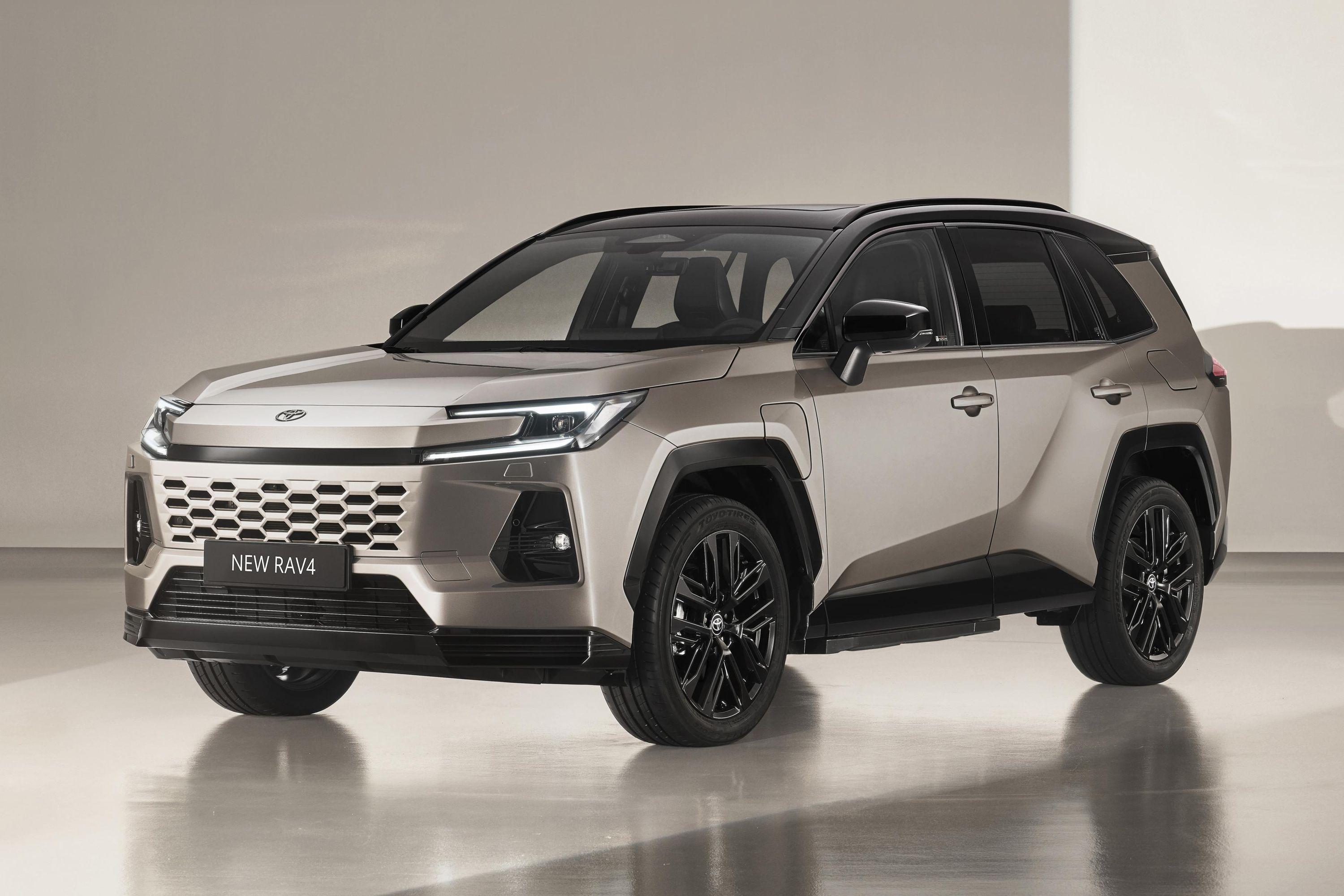
If Toyota is moving to nine-year cycles, the next RAV4 generation may not arrive until 2030 or later. Waiting that long is not rational for most buyers. If the current RAV4 meets your needs and the deal is right, buy it — there is no compelling 'new generation imminent' argument for at least four to five years.
How does Toyota's nine-year lifecycle affect trade-in values in Australia?
Longer lifecycles can slightly soften mid-generation trade-in values as buyers know a refresh or replacement is not imminent to drive urgency. However, Toyota's resale strength is driven primarily by demand volume and reliability reputation, both of which are unlikely to be dented by a slower refresh cycle.
Does a longer model lifecycle mean Toyota will fall behind Chinese brands in technology?
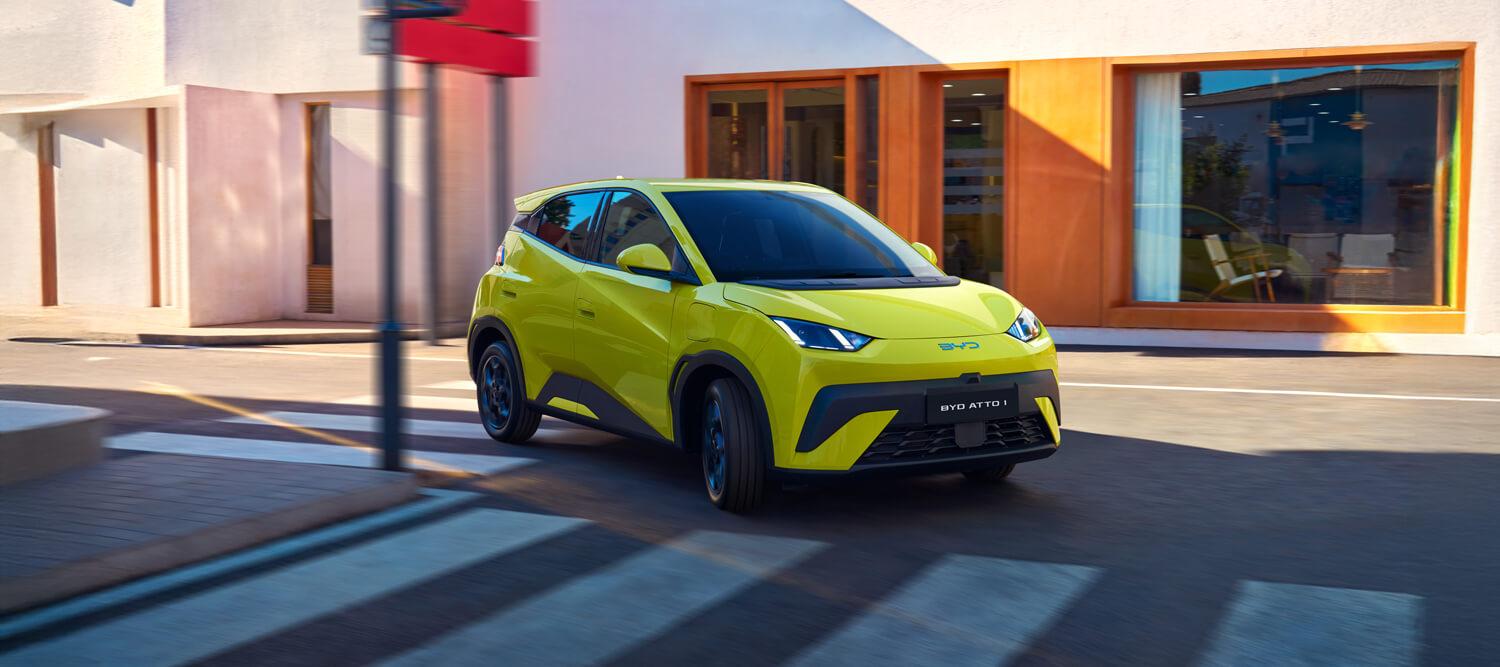
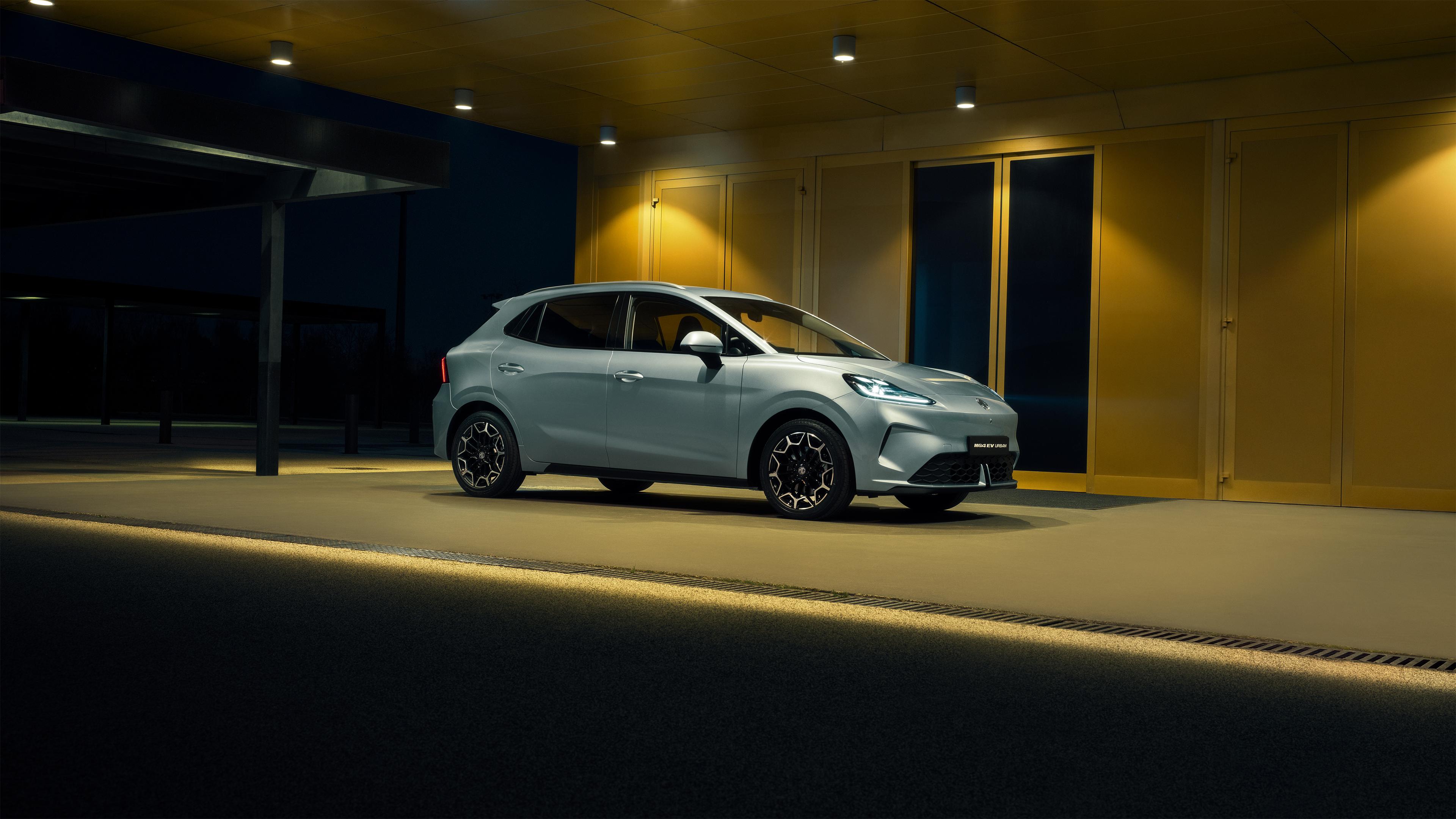
Potentially, yes. Chinese brands are cycling new models every two to three years and updating technology rapidly. A Toyota on a nine-year cycle risks falling behind on infotainment, driver assistance, and electrification by the end of its run. This is the core tension in Toyota's strategy and a legitimate concern for technology-focused buyers.
Which Toyota models are most affected by the nine-year lifecycle plan?
Toyota has not specified which models will move to nine-year cycles. Core volume sellers like the HiLux, RAV4, and Corolla are the most likely candidates. Niche or performance models like the GR Yaris and LandCruiser 300 may operate on different timelines.