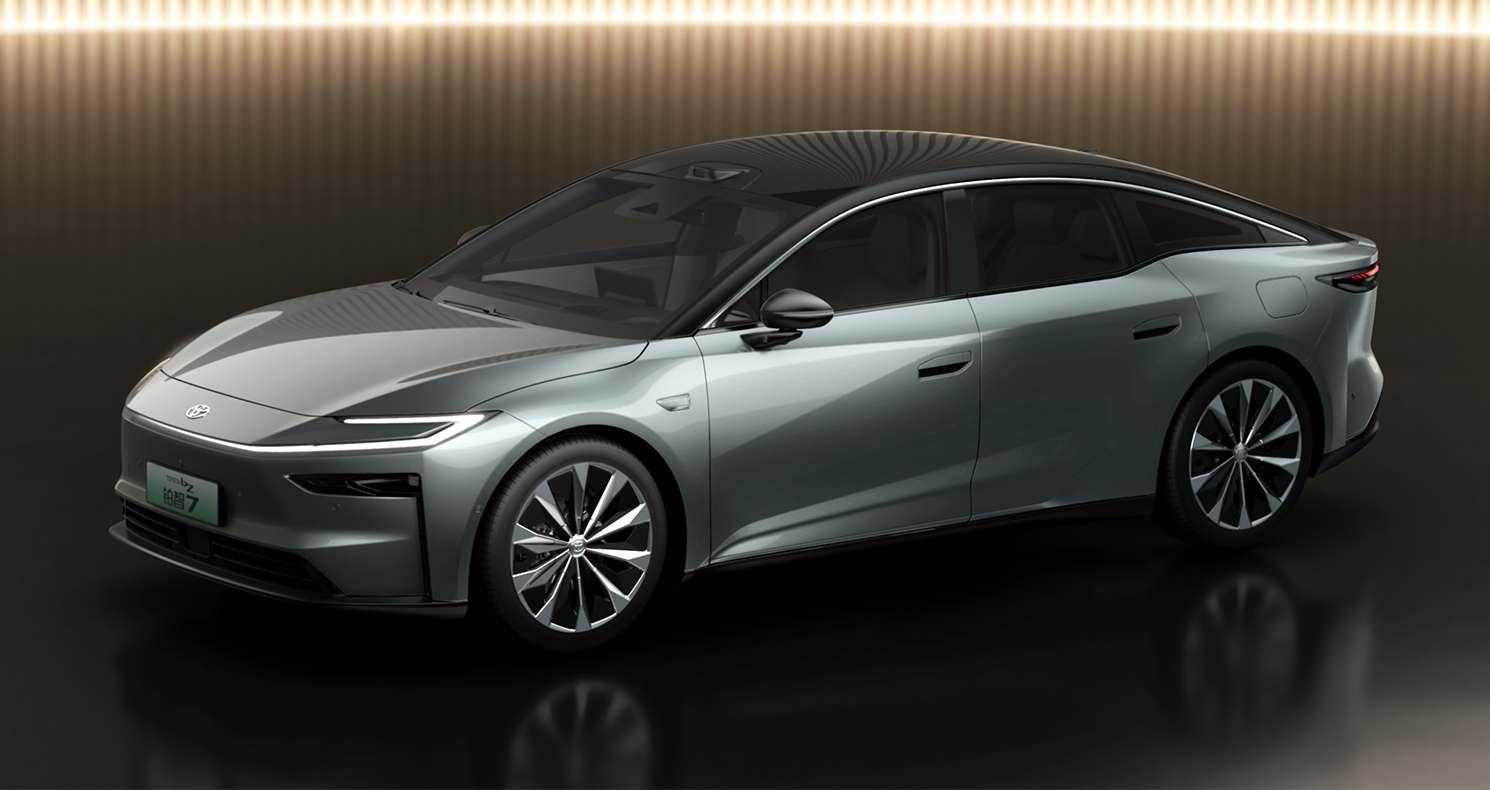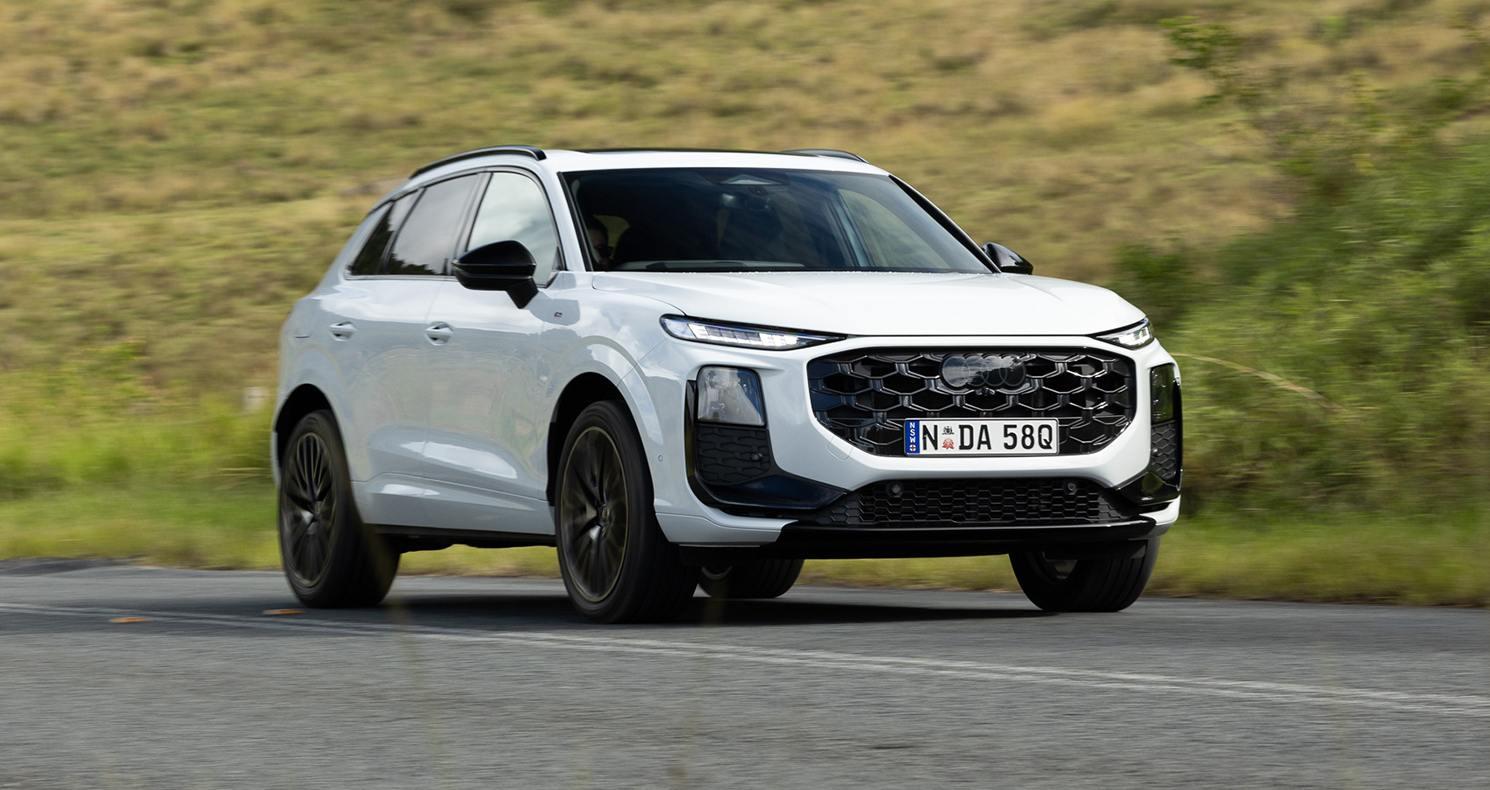

Toyota is the world's biggest carmaker and the best-selling brand in Australia by a country mile. One of the reasons for that dominance is a global model range broader than any other manufacturer. But broader doesn't mean complete. There are three Toyota models on sale overseas right now that would clean up in Australian showrooms if the brand could find a way to bring them here. None of them are scheduled, but each is closer than it looks.
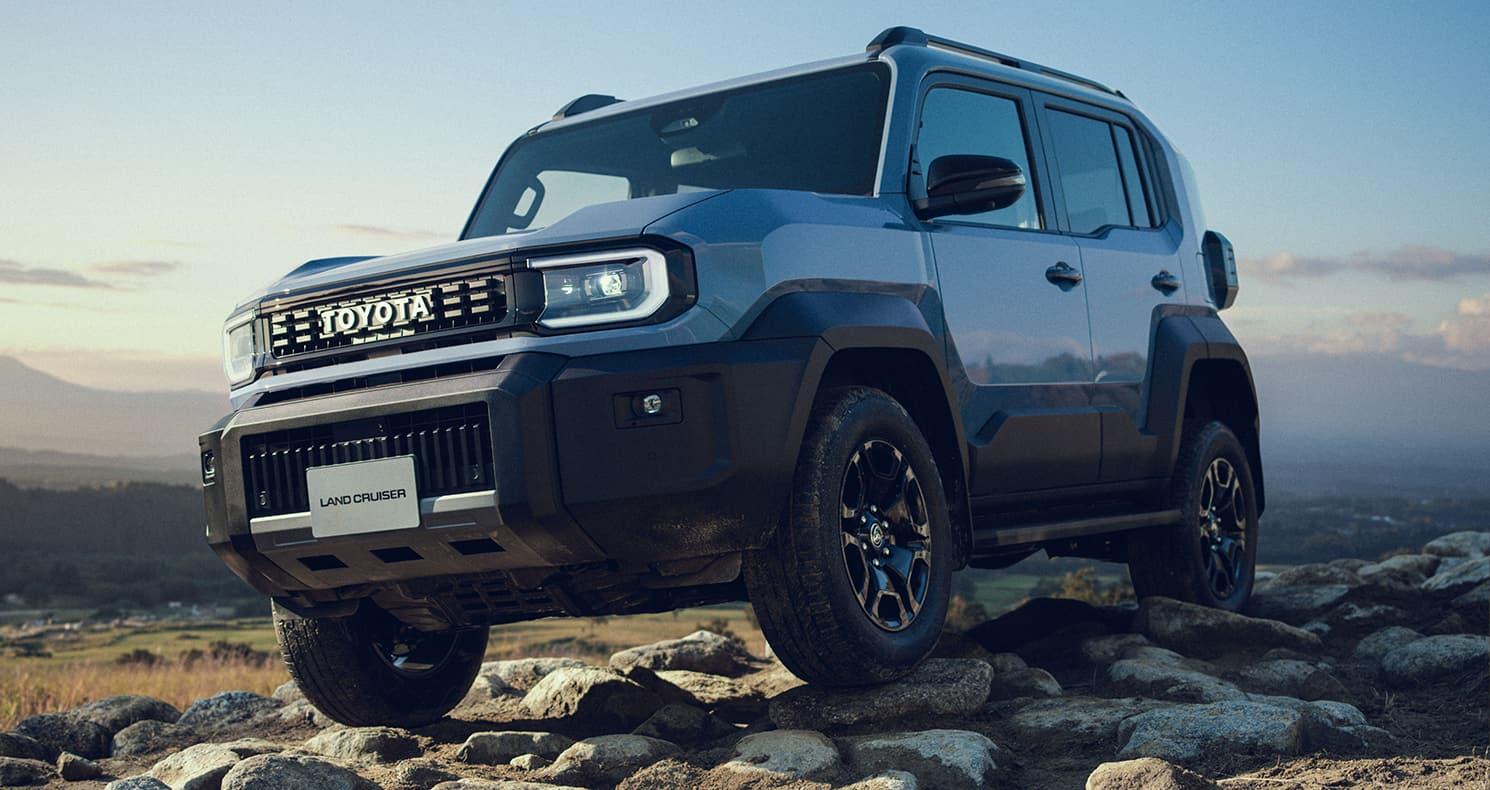
The mini FJ LandCruiser nobody can buy
The small FJ LandCruiser broke the internet when Toyota revealed it last year. It is about the size of a RAV4 but built with the off-road hardware of a HiLux. Pricing in markets where it sells starts under $45,000, which is a meaningful number against the Suzuki Jimny and any compact 4WD with serious dirt credentials.
The problem is regulation. The current FJ uses a petrol engine that does not meet Australia's incoming Euro 6 emissions standard, which is now the floor for new model approval. Sean Hanley, Toyota Australia's former vice president of sales and marketing, said it plainly: "We're moving to Euro 6 emissions standards. That's the reality."
The door isn't fully shut. Toyota is reportedly planning Indian production of a hybrid FJ for domestic and export markets later this decade. A petrol-electric powertrain would meet Euro 6 and put the FJ back on the Australian table at a price likely under $50,000. For buyers who want a proper small off-roader that isn't a Jimny, that's worth waiting for. The current FJ won't be in Australian showrooms, but the next FJ could be.
The Alphard is already here, just not from Toyota Australia
The people-mover segment in Australia isn't dead, it's just owned by the Kia Carnival, which sells in volume to families who need eight seats and don't want a LandCruiser Sahara. Toyota has the answer in the global lineup. It's called the Alphard.
Walk through Sydney's inner west or any large Melbourne suburb and you'll already see grey-imported Alphards on the road. They're big, boxy, luxurious, hybrid-powered and serenely refined. The Alphard is built in right-hand drive for Japan and South East Asia. The closely related Lexus LM, which uses the same body, is on sale here through Toyota's premium arm.
The absence is a marketing call, not an engineering one. Toyota Australia clearly worries that an Alphard at premium pricing would cannibalise the Lexus LM, while a cheaper Alphard would cannibalise the Granvia and what's left of the people-mover segment Kia owns. The sportier Vellfire variant, and the smaller Voxy and Noah people-movers, are in the same boat.
Buyers shopping a Carnival or thinking about a grey import should know that Toyota Australia's silence isn't because the Alphard wouldn't work. It's because it would work too well, against products Toyota already sells here.
A small Toyota lifestyle ute
Toyota has been linked to a small SUV-based ute for years, with persistent rumours pointing at a Corolla Cross or RAV4 platform under a Maverick-style lifestyle body. A prototype matching that description has now been spotted testing in Brazil.
The car is roughly Corolla Cross sized, uses hybrid power and is positioned as a small lifestyle ute. The closest Australian analogue is the Falcon and Commodore utes of the past, which dominated tradie and lifestyle buyers until the segment died with local manufacturing.
For now this car looks like a Latin America-first product. North American Toyota executives have separately hinted at a bigger SUV-based ute to fight the Ford Maverick in that market, which would likely sit on RAV4 underpinnings. Either of those products would slot neatly into Australia, particularly against the rising Chinese ute segment and the smaller end of the dual-cab market that HiLux is starting to feel pressure on.
Why Toyota Australia is missing these slots
The explanations follow a pattern. Regulation closes the door on cars like the FJ. Brand cannibalisation closes the door on cars like the Alphard. And cautious model planning, particularly for new sub-segments like lifestyle utes, leaves Toyota waiting until competitors prove the demand exists before committing.
That last pattern is the most expensive for buyers. Toyota waited years on hybrid utes while Ford Ranger PHEV and BYD Shark 6 established a market it now has to chase. The HiLux BEV arrives in Q1 2026 partly because Chinese rivals forced the timing. A similar pattern is playing out around lifestyle utes and people-movers right now.
What buyers should do in the meantime
If you want a small dedicated off-roader, the Suzuki Jimny is still the most credible option in the segment, with the Toyota GR Yaris and GR Corolla covering the performance brief if dirt isn't the priority. For a people-mover, the Kia Carnival is the default. Buyers who want the Alphard experience at any price can still pursue grey imports through specialist importers, but compliance and warranty become your problem.
For lifestyle ute buyers, the Ford Ranger and the BYD Shark 6 still set the practical floor. The Toyota Corolla Cross-based ute would change that conversation if it arrives.
If you want to track current Toyota stock and pricing on the models that are sold here, you can compare across Carseekers before walking into a dealer.
The broader point is that Toyota's Australian range, while wide, isn't the global range. Three of the most interesting Toyotas in the world right now aren't sold here, for reasons that range from regulation to commercial caution. The next two to three years should change the FJ situation. The Alphard and the lifestyle ute remain a question of whether Toyota Australia, or its competitors, force the timing.
Considering finance for your next car? Loanseekers can help you explore car loan options.
The finer details
Your questions answered.
Why isn't the Toyota FJ LandCruiser sold in Australia?
The current FJ LandCruiser uses a petrol engine that does not meet the Euro 6 emissions standard Australia is moving to. Toyota Australia has ruled out the current car. A hybrid FJ built in India for export markets is reported to arrive later this decade and would meet Euro 6 emissions rules.
Will Toyota sell the Alphard in Australia?
Toyota Australia hasn't committed to selling the Alphard despite right-hand drive availability in Japan and South East Asia. The likely reason is brand overlap with the Lexus LM, which uses the same body and is already sold here, and the Toyota Granvia. Grey-imported Alphards are common on Australian roads through specialist importers.
Is Toyota building a small ute based on the Corolla Cross?
Toyota has been spotted testing a small lifestyle ute roughly the size of the Corolla Cross using a hybrid powertrain, with current testing in Brazil. The car is positioned as a Latin America-first product, but North American executives have hinted at a related SUV-based ute aimed at the Ford Maverick. Neither is confirmed for Australia.
What is the best alternative to the Toyota Alphard in Australia?
The Kia Carnival dominates the Australian people-mover segment and is the default cross-shop. Buyers who want the Alphard experience specifically can pursue grey imports through specialist importers, accepting that warranty and compliance become the buyer's responsibility. Toyota Australia's Granvia is the closest factory-supplied option.
How much would the Toyota FJ LandCruiser cost in Australia?
Based on pricing in markets where the current FJ is sold, the petrol FJ would have landed under $45,000 in Australia. A future hybrid FJ built in India for export is expected to keep pricing under $50,000 if it reaches Australian showrooms, which would slot it neatly above the Suzuki Jimny and below a base HiLux.
Why does Toyota Australia keep its global range so narrow?
Toyota Australia's range decisions follow three patterns: regulation (Euro 6 emissions block cars like the current FJ), brand cannibalisation (the Alphard would compete with the Lexus LM and Granvia) and cautious model planning that waits for competitors to prove demand. The HiLux BEV arriving in Q1 2026 was forced by Chinese ute competition, which suggests other segments could move similarly.