Australian new-car buyers crossed a real milestone in April 2026. Battery-electric vehicles accounted for 16.4 per cent of all new vehicles sold, a record share for the second month running. Nearly one in six cars handed over last month was an EV. The numbers also show where the buyer leverage really sits, and the answer is not where some dealer pitches still suggest.
The headline is the share. The story underneath the headline is the model and brand reshuffle that took the share to a record. Toyota's RAV4 is still the country's top-selling car. BYD's Sealion 7 is the top-selling EV. Tesla's Model Y, the model that defined Australian EV demand for three years, finished 34th. The Carseekers read on the data is below, with the angles that matter when you walk into a showroom.
The headline numbers from VFACTS April 2026
Federal Chamber of Automotive Industries and Electric Vehicle Council data shows 94,049 new vehicles sold in April 2026, up 3.0 per cent on the same month a year ago. That makes it the second-highest April sales result on record, behind only April 2024.
Within that total, EVs hit 15,459 deliveries. The figure is down slightly on March 2026's 15,839, but only because the overall market shrank from March to April. Year on year, EV sales are up 157 per cent compared to April 2025's 6010 deliveries. The 16.4 per cent share is a record.
Hybrids climbed 27.1 per cent year on year, to 18,162. Plug-in hybrids climbed 270 per cent, to 9628. Petrol-only sales fell 30.1 per cent. Diesel was down 21.7 per cent. Read the data plainly. The transition is not coming. It is here, on April 2026 dealer order books.
Why the EV share keeps growing
Three forces are driving the share. Sustained high fuel prices through late March and early April pushed buyers off the petrol fence. Tax incentives, including the FBT exemption on novated leases for EVs under the LCT threshold, continue in their current form until the end of March 2027. And new-model EV stock, especially from Chinese brands, has finally arrived in volume.
Demand is clearly strong, but so is supply. BYD shifted 7702 cars in April to finish second on the brand chart behind Toyota. Kia took third, Hyundai took fourth. Ford and Mazda were pushed back to fifth and sixth. Four Chinese brands sit in the top ten: BYD, GWM, Chery, and MG. The brand pecking order in Australian car sales has been quietly redrawn.
For more on the supply pipeline behind these numbers, the Carseekers analysis of BYD's accelerated shipments to Australia explains why dealer lots have suddenly filled with Chinese EV stock.
The Tesla Model Y problem
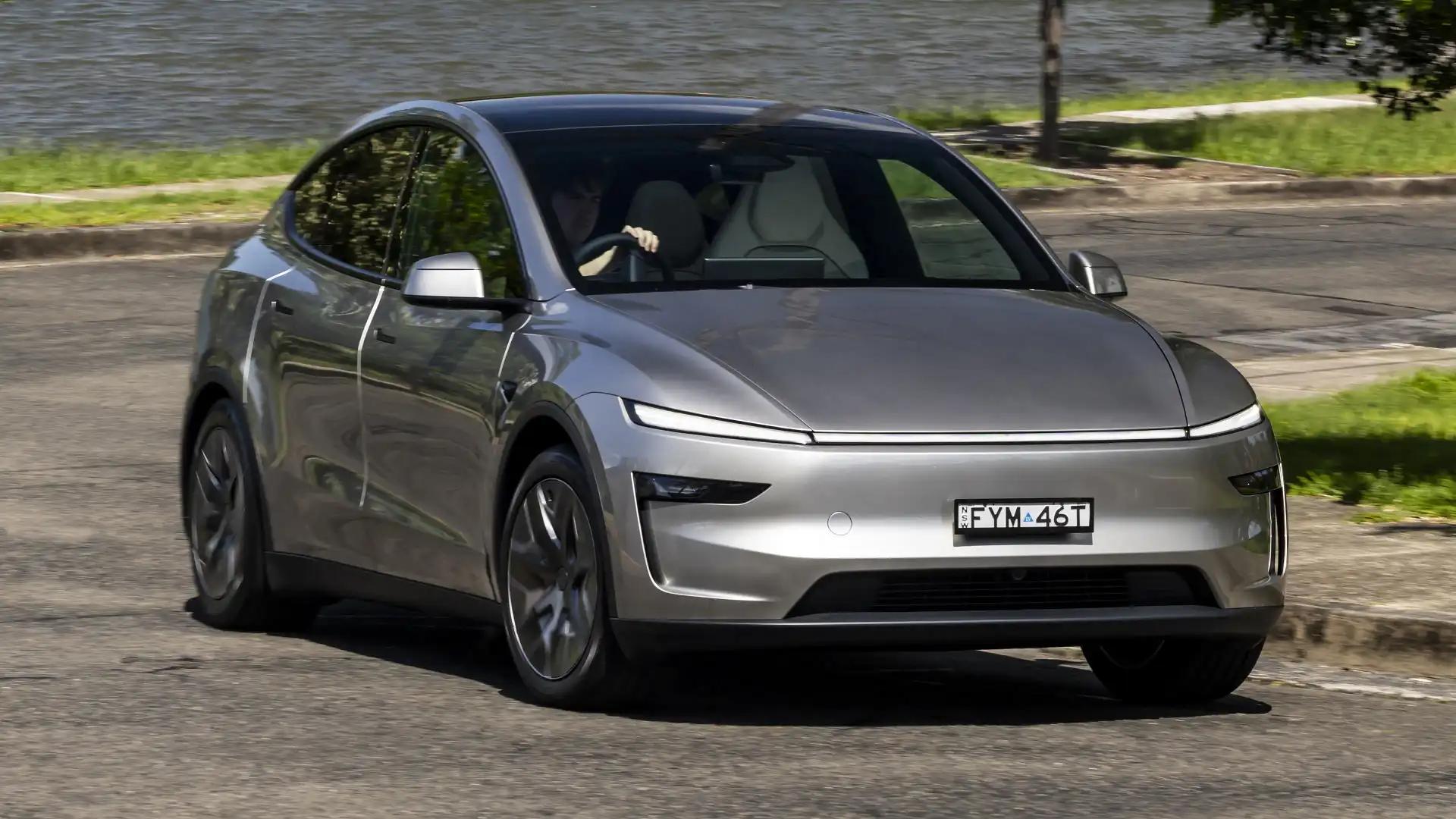
Tesla Model Y sales are up 193.6 per cent year on year, which sounds great until you read the absolute number. Just 822 registrations in April 2026 left the Model Y in 34th on the overall sales chart, and well off the EV top spot.
The context matters. Tesla was running out the outgoing Model Y in April 2025, so the percentage uplift compares to a low base. The new car is on sale. Demand exists. The result still says the Model Y is no longer the default Australian EV. The buyer who walked into a Tesla store in 2024 and signed a contract without much cross-shopping is now looking elsewhere first.
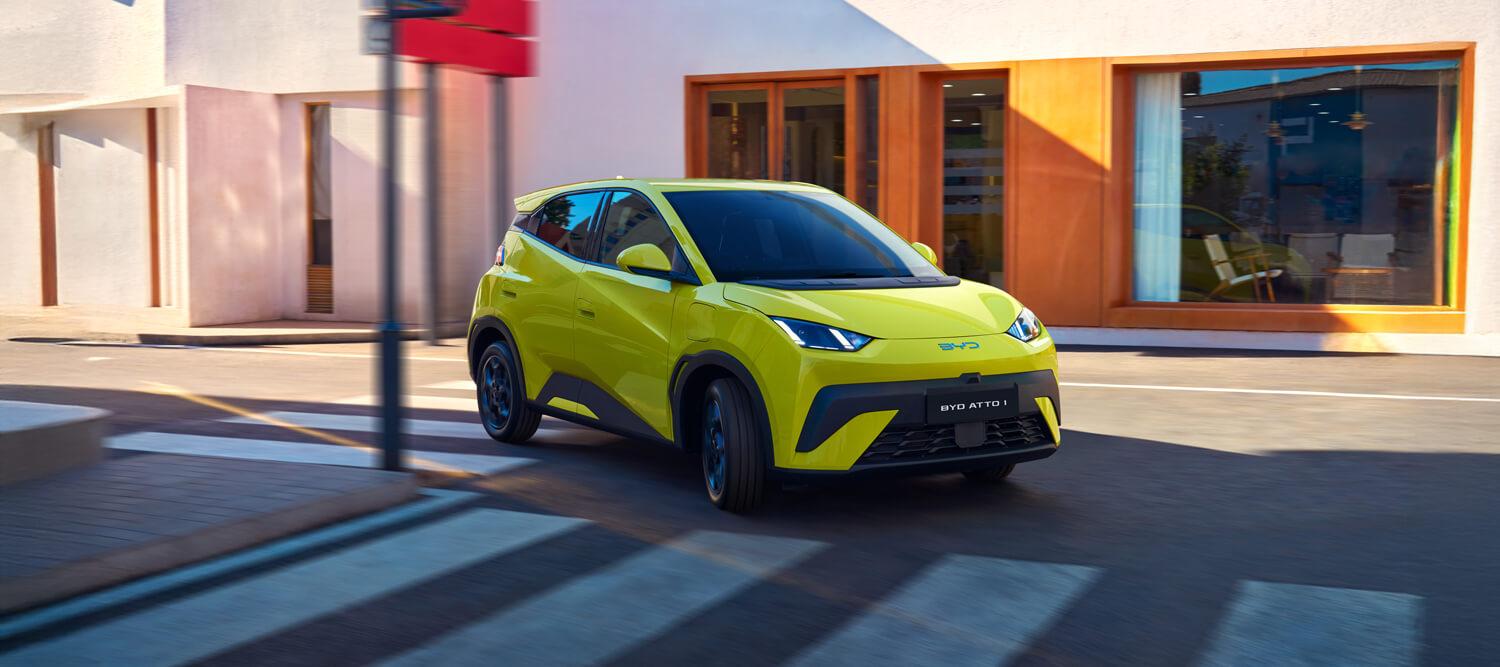
The new top EV is the BYD Sealion 7, with 1780 deliveries in April. The Geely EX5 took 1202 deliveries, ahead of established names like the Toyota Corolla Cross. Zeekr crossed 1000 cars in a month for the first time, with the 7X SUV booking 973 of the brand's 1006 total. The Chinese brands are not nibbling at the edge of the EV market. They are running it.
What this means for the EV buyer right now
The practical question for an EV buyer is what these numbers do to dealer leverage. Three effects worth thinking about.
First, EV stock is no longer scarce. Where the Tesla Model Y order book defined wait times two years ago, today there is real, immediate stock at BYD, Geely, Zeekr, and Tesla itself. That changes the negotiating posture. The buyer can walk if the deal is wrong.
Second, dealer competition between brands is fierce. BYD pricing on the Sealion 7, Geely on the EX5, and Zeekr on the 7X all sit in the high-thirties to mid-forties drive-away. That is the same money as a mid-spec Hyundai Tucson hybrid. Cross-shopping a Sealion 7 against a Tucson is a real, sensible, financially relevant comparison in 2026 in a way it was not in 2024.
Third, the FBT window is closing. Novated lease incentives in their current form continue until 31 March 2027. After that, the discount tightens. Buyers who can use a novated lease and want to lock in the full incentive should be planning the paperwork in 2026, not 2027.
Toyota RAV4 still leads, but the picture is changing
The Toyota RAV4 returned to the top of the sales charts in April 2026 with deliveries of the new generation ramping up after the late-March arrival. April deliveries were still down 2.1 per cent year on year because handovers are still building. The new model has already racked up 10,000 orders.
Ford Ranger was second on 3661 deliveries, ahead of Toyota HiLux on 2835. Both utes are down year on year, the Ranger by 9.2 per cent and the HiLux by a steep 31.2 per cent. Five of the top ten best-sellers were still powered by diesel, but the share is shrinking. The diesel ute remains a workhorse, not a default choice.
Toyota brand sales overall were down 21.6 per cent year on year, partly because of new-model ramp-ups for both the RAV4 and HiLux. The brand still accounted for close to one in six new vehicles sold, but the lead it once held over BYD and Kia has compressed.
Mainstream brands feeling the squeeze
Ford and Mazda were bumped to fifth and sixth on the brand chart. Mazda is also winding down current CX-5 stock ahead of a new model due within weeks, which suppresses its monthly figure. Mitsubishi dropped out of the top ten to 11th. Isuzu clung to tenth.
The pattern is clear. Brands with broad, affordable hybrid and EV ranges are climbing. Brands relying mostly on petrol and diesel models are slipping. Hyundai and Kia continue to ride a hybrid push that started two years ago. BYD entered the year as a challenger and is now a top-three Australian car brand.
For buyers, that reshuffle changes which dealers are hungry. A Mazda dealer in 2026 has more discounting room on a CX-5 than a Toyota dealer has on a RAV4. A BYD dealer has stock and pricing flexibility that a Tesla store still rarely offers. Knowing where the brand stands in the monthly sales mix is genuine negotiating intelligence.
What buyers should do this month
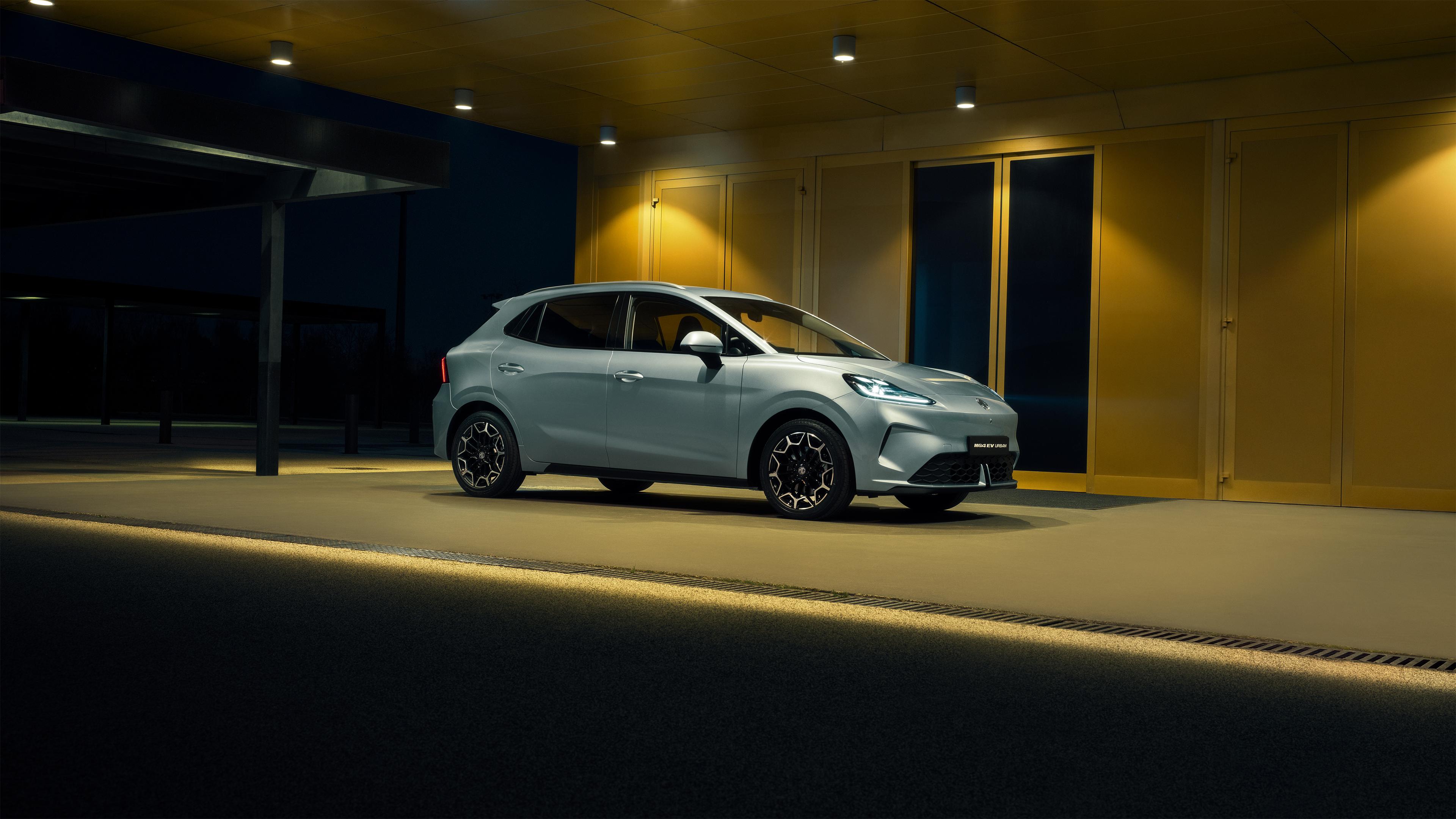
Three practical actions. First, take the EV cross-shop seriously. The Sealion 7, EX5, Zeekr 7X, MG S5 EV, and Tesla Model Y all sit in a competitive band. Test drive at least three before signing. The differences in interior quality, software, and after-sales access are larger than the spec sheet suggests.
Second, decide on the FBT angle now. If a novated lease is on the table, the next 11 months are the optimal window. After 31 March 2027, the discount narrows. The Carseekers FBT explainer at australia-ev-fbt-incentives-wind-back-2027 walks through the timing.
Third, do not assume Toyota or Tesla is the default answer. The April 2026 numbers say the Australian buyer has more real choice than at any point in the last decade. Use it.
The broader takeaway from April 2026 is that demand is rotating, supply is widening, and dealer leverage is shifting toward the buyer in segments where Chinese EV stock is plentiful. That is not the case in every segment. It is the case in EV. Use the leverage while it is real.
Considering finance for your next car? Loanseekers can help you explore car loan options.
The finer details
Your questions answered.
What was the EV share of new car sales in Australia in April 2026?
Battery electric vehicles accounted for 16.4 per cent of all new car sales in April 2026, a record share for the second consecutive month. That equates to 15,459 EVs sold, up 157 per cent compared to April 2025. Total market volume was 94,049 vehicles.
Which is the top-selling electric car in Australia right now?
The BYD Sealion 7 took the top spot with 1780 deliveries in April 2026, ahead of the Geely EX5 on 1202 and the Zeekr 7X on 973. The Tesla Model Y, once Australia's default EV, slipped to 34th overall on 822 registrations.
Why are Tesla Model Y sales lower than expected in 2026?
Cross-shopping has expanded sharply. BYD, Geely and Zeekr now offer comparable or better-value EVs at similar price points, and dealer lots are full. The Model Y is no longer the default Australian EV choice and buyer leverage on Tesla has increased as alternatives multiply.
Is now a good time to buy an electric car in Australia?
Yes for many buyers. Stock is plentiful, brand competition is the strongest it has been, and the FBT exemption on novated leases continues until 31 March 2027 before being wound back. The next 11 months are the optimal window if you are using a novated lease.
Which brands gained ground in the April 2026 VFACTS data?
BYD finished second on the brand chart with a record 7702 sales, behind Toyota and ahead of Kia, Hyundai, Ford and Mazda. Four Chinese brands made the top ten: BYD, GWM, Chery and MG. Mitsubishi dropped out of the top ten to 11th.
How are diesel utes performing in the new sales mix?
Diesel utes still dominate the top ten with five of the ten best-sellers, but volume is shrinking. The Ford Ranger and Toyota HiLux are both down year on year, by 9.2 and 31.2 per cent respectively. The diesel ute remains a workhorse choice, not a default one.