The May 2026 VFACTS sales figures are out, and they read less like a monthly scorecard and more like a turning point. For the first time, a battery-electric vehicle, the Tesla Model Y, was the single best-selling new vehicle of any kind in Australia. Not the best-selling EV. The best-selling car, full stop.
That headline alone would be enough to mark the month. But underneath it sits a wave of numbers that every Australian new-car buyer should understand before they sign anything in the next few months.
Total new-vehicle deliveries came in at 106,887 for the month, down 2.3 per cent on the same month last year. A softer overall market usually means more motivated dealers and sharper deals. The detail is where the real leverage lives.
Tesla's Model Y just rewrote the sales script
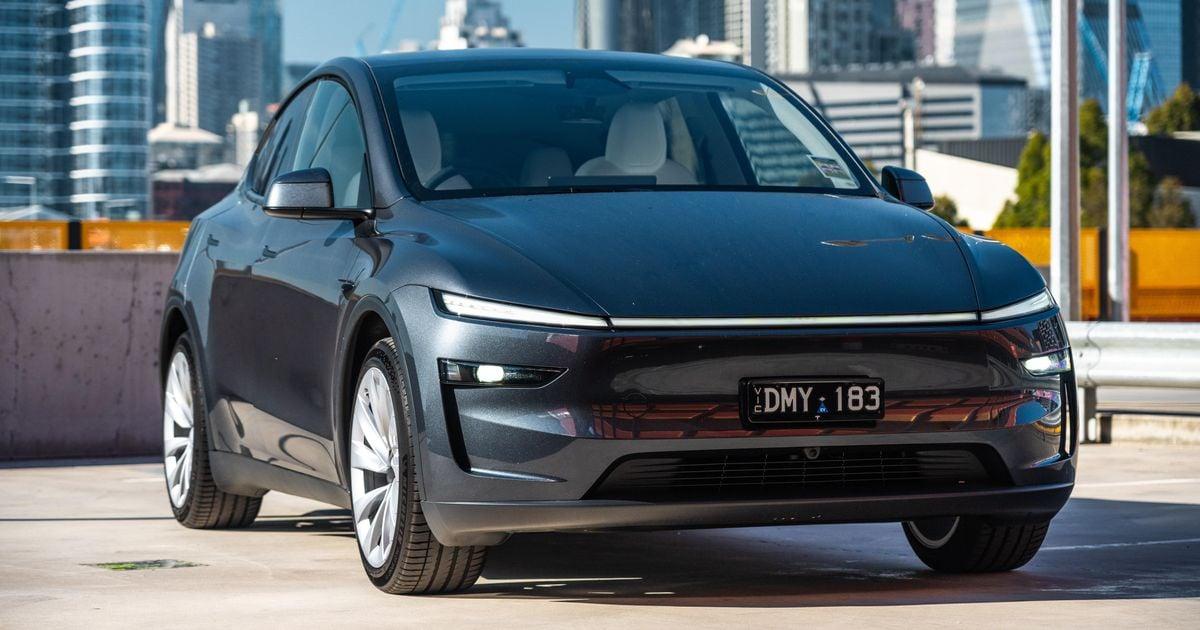
The Model Y recorded 5605 deliveries in May, enough to top the entire market. That is a milestone Australia has been creeping towards for a couple of years, and it has finally arrived.
What matters for you as a buyer is what this kind of volume does to pricing and availability. When a single model sells in those numbers, supply is strong and the brand is fighting hard to keep momentum. That is a buyer's market, not a seller's.
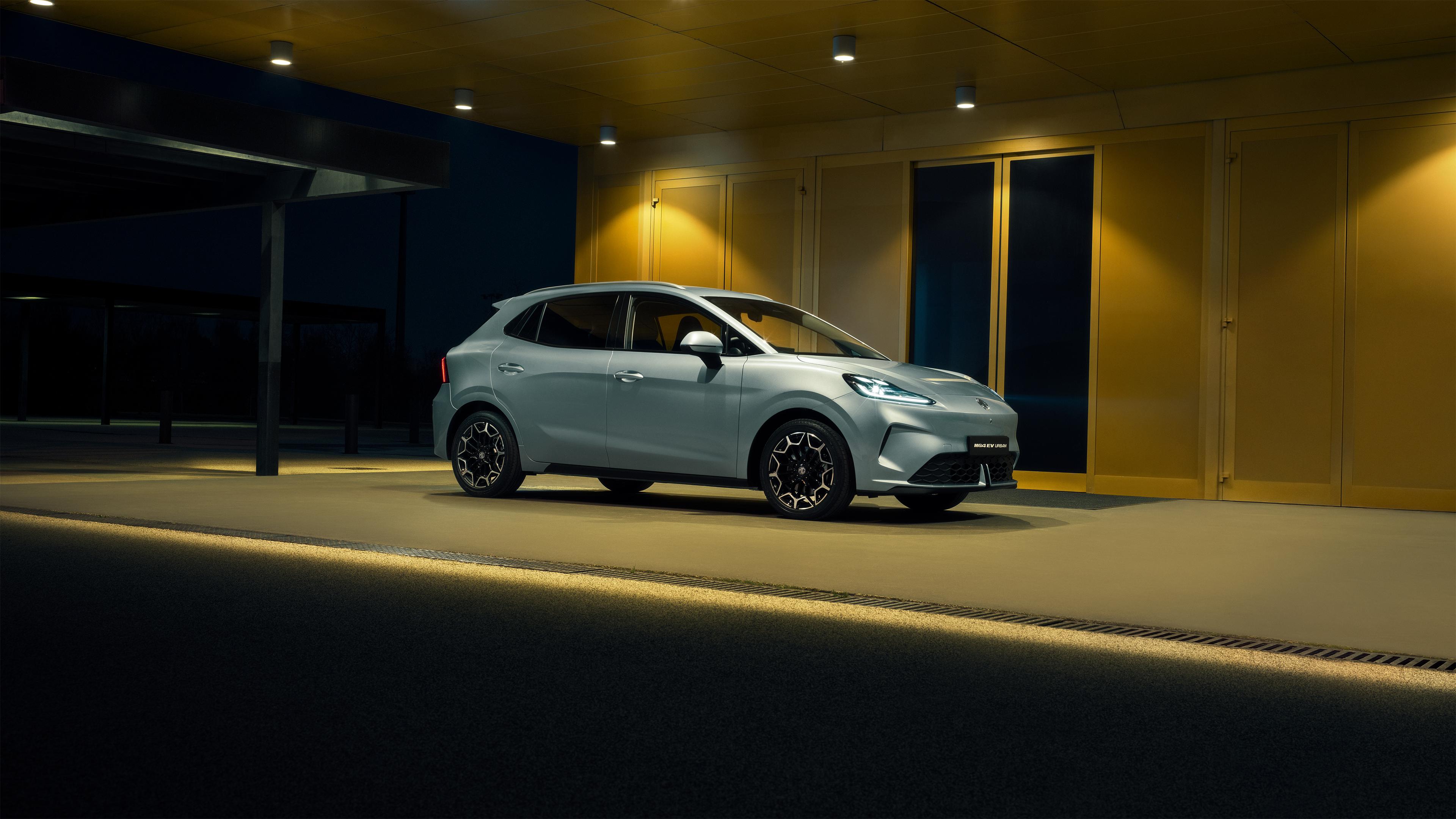
If you have been waiting on the sidelines for the Model Y, the competition from rivals like the 2026 MG S6 EV and the Zeekr 7X means you are negotiating from a position of strength. Use it.
What 21,303 EV sales actually means for your wallet
Battery-electric vehicles hit 21,303 sales in May, a 111.6 per cent jump year on year and a record 19.9 per cent share of the market. Put simply, almost one in five new cars delivered that month was a full EV.
A year ago, EV share sat in the low teens. The April 2026 figure was already a record at the time. May blew past it. The direction of travel is unmistakable, and it is accelerating, not levelling off.
For buyers, rising share is not just a feel-good statistic. It signals deeper discounting, more model choice, and stronger trade-in competition between brands desperate to win a slice of a fast-growing segment.
It also changes the running-cost maths. As more EVs land, charging infrastructure expands and used-EV values stabilise, which removes two of the biggest hesitations buyers have carried for years.
Toyota still leads, but the 30 per cent drop tells a story
Toyota remained Australia's number-one brand in May with 16,342 sales. That is still a commanding figure. But it was down a heavy 30.7 per cent year on year, and that decline is the part worth reading closely.
Some of that drop is stock and shipping timing, which can swing a single month. Toyota itself has flagged that it secured an extra 10,000 units for the back half of 2026, so supply is improving. But part of the slide is structural.
Buyers who once defaulted to a RAV4 or a Corolla are now cross-shopping hybrids and EVs from BYD, MG, GWM and Kia, often at lower drive-away prices. When the default brand loses 30 per cent in a month, it tells you the default is no longer automatic.
For you, a softer Toyota month is a negotiating gift. Popular Toyota models rarely discount, but when volume slips and the brand has extra stock arriving, dealers have more reason to deal. Ask. The worst they can say is no.
BYD is closing the gap faster than anyone predicted
BYD finished second overall with 8211 sales, up a staggering 154.6 per cent year on year. That is its second consecutive month in the runner-up spot, and it puts the Chinese giant within striking distance of names like Ford, Hyundai and Kia.
BYD's own vice president has been careful to play down talk of toppling Toyota any time soon, and the raw numbers back that caution. Toyota still sells roughly twice what BYD does. The gap is real.
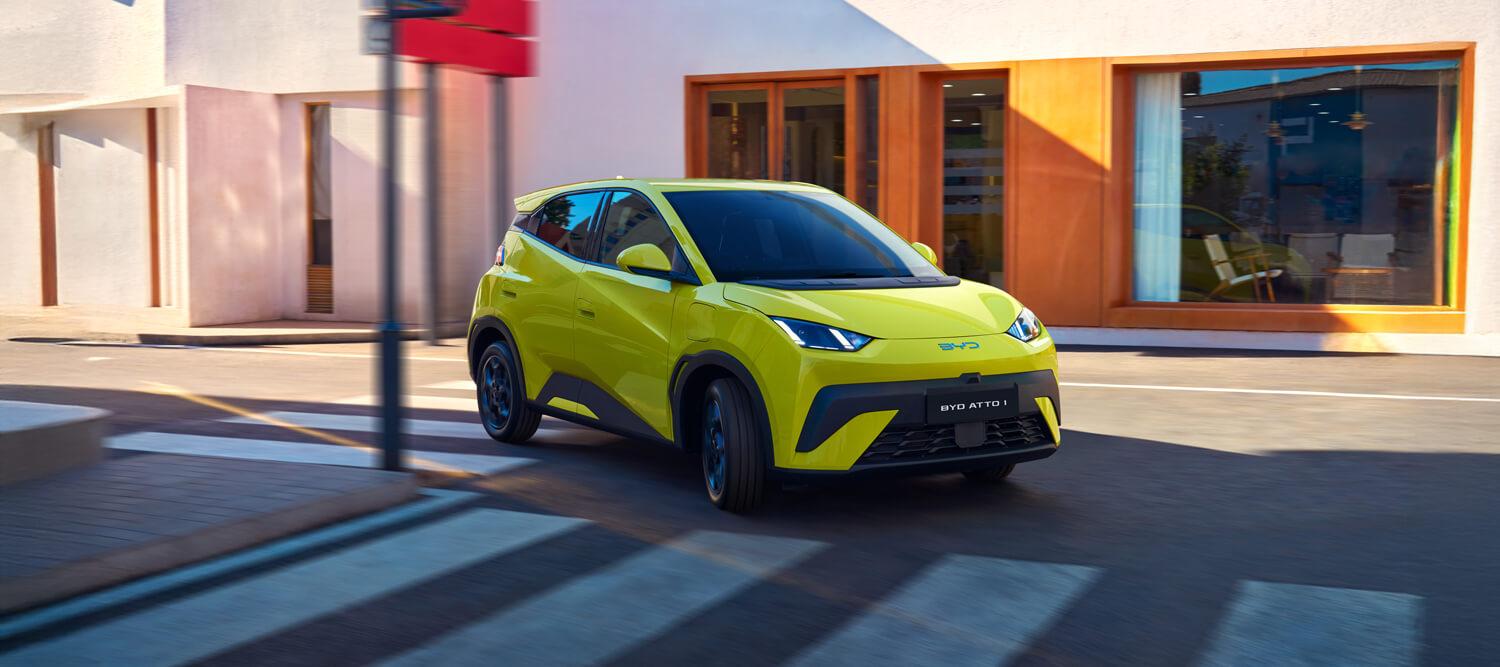
But the trajectory is what unsettles the established players. BYD has gone from curiosity to second place in a single year, helped by sharp pricing, plug-in hybrids like the Shark 6, and a steady stream of new models. The brand recently shipped 30,000 cars to Australia in one go, a sign of how seriously it is taking this market.
For buyers, BYD's surge is pure leverage. Its aggressive drive-away pricing forces rivals to respond, and that pressure flows straight through to the deals you can negotiate across the board, not just on BYD's own cars.
PHEVs tripled, and that changes the conversation
Plug-in hybrids were the quiet story of the month. PHEV sales hit 9315, up an enormous 202.3 per cent year on year. That is more than triple the volume of a year ago.
This matters because PHEVs sit in the sweet spot for a lot of Australian buyers who want electric running costs around town but the reassurance of a petrol engine for long trips. With fuel prices under pressure, that appeal is only growing.
Models like the Ford Ranger PHEV, the BYD Shark 6 and the new RAV4 plug-in are driving the surge. The choice is broadening quickly, which means brands are competing harder on price and equipment to win plug-in buyers.
If you are weighing a PHEV, the tripling of the segment works in your favour. More models means more substitutes, and more substitutes means more bargaining power when you sit down to do a deal.
The brands going backwards, and why that helps you
A 2.3 per cent dip in the overall market hides a lot of variation. Some brands grew strongly while others went backwards hard, and the ones losing ground are often where the best deals hide.
When a brand misses its volume targets, two things happen. Stock builds up on dealer lots, and the manufacturer leans on dealers to move it. Both push prices down. A slow month for a brand is frequently a great month to buy from it.
This is especially true heading into the end of the financial year, when dealers chase plate clearance and quarterly bonuses. The slower-selling petrol and hybrid models are exactly where motivated buyers can extract real discounts right now.
What record EV share means for resale and incentives
A common worry with EVs has been resale value. The logic went that fast-moving technology and constant price cuts would crush used values. Record sales volume actually works against that fear over time.
As EVs become a fifth of the new market, the used-EV pool deepens, demand broadens, and values steady. A car that millions understand and want holds its price better than a rare oddity that few buyers know how to value.
There is also the emissions angle. Under the New Vehicle Efficiency Standard, brands face penalties for selling too many high-emitting cars. That pushes them to discount EVs and hybrids to balance their fleet average, which is part of why electrified pricing has become so sharp.
For you, that means the incentives baked into EV and hybrid pricing are not a temporary gimmick. They are tied to a regulatory framework that runs for years, so the value on offer is structural, not a one-month sale.
How to use this data at the dealership
Numbers like these are only useful if you turn them into leverage. Start by knowing the drive-away price of the direct rivals to whatever you are shopping. A Model Y quote means more when you can name what the MG S6 EV and Zeekr 7X are charging.
Next, time your purchase. A softer overall market plus end-of-financial-year pressure is one of the strongest buying windows of the year. Dealers chasing targets will move further on price in June than they will in a quiet month.
Get multiple quotes in writing. Brands fighting for share, which right now is most of them, respond to a buyer who has rival numbers in hand. Make them compete for you rather than the other way around.
Finally, do not fixate on the sticker. Look at the total cost including on-road costs, finance terms, and what the trade-in is actually worth in this market. The Carseekers approach is to compare the genuine all-in number across rivals, because that is the figure you actually pay.
The bottom line for Australian buyers
May 2026 was not just another month of sales charts. A full EV topped the entire market, electric share hit a record, plug-in hybrids tripled, and the brand that has dominated Australian roads for decades shed nearly a third of its volume in a single month.
That combination spells one thing for buyers: leverage. Competition is fierce, supply is strong, and brands are fighting over a softening overall market. When sellers compete that hard, the person buying the car holds the cards.
Whether you want a Tesla, a BYD, a plug-in hybrid or a good old petrol runabout, the May data says the same thing. Do your homework, line up rival quotes, and negotiate hard. The market has rarely been more in your favour.
The ute and SUV split is where most buyers still live
While the EV headlines grab attention, the bread and butter of the Australian market is still utes and SUVs, and that is where most buyers reading this will be shopping. The May result shows that even these strongholds are not immune to the shift.
Dual-cab utes remain enormously popular, but the arrival of plug-in versions like the Ford Ranger PHEV and the BYD Shark 6 has fractured what used to be a simple two-horse race. Buyers now have genuine choice, and choice is the single most powerful negotiating tool you can carry.
Mid-size SUVs tell a similar story. The segment is the most contested in the country, packed with petrol, hybrid, plug-in and full-electric options. When a buyer can credibly walk from a RAV4 to a Tucson to an MG to a BYD, no single dealer can assume the sale.
The lesson from the May numbers is that segment loyalty is weakening across the board. That works for you. The more cross-shopping you do, and are seen to do, the harder every dealer has to work to keep you in the showroom.
Hybrids are the bridge most buyers are crossing
For all the EV records, the quiet workhorse of the transition remains the conventional hybrid. Plenty of buyers who are not ready to plug in are still moving away from pure petrol, and brands know it.
That demand is why hybrid variants are spreading across almost every mainstream range, from small SUVs to large family haulers. As supply broadens, the price premium hybrids once commanded over petrol is shrinking, and in some cases disappearing entirely.
If you are not ready for an EV but want lower running costs, this is a strong moment to buy a hybrid. The technology is mature, the choice is wide, and competition is dragging prices toward parity with petrol equivalents.
The key is to compare the hybrid premium against your real annual mileage. For high-kilometre drivers the maths is compelling. For weekend-only cars it can be marginal, so run the numbers rather than buying on the badge.
A closer read of the top sellers
The Model Y leading outright is the standout, but the supporting cast matters too. Toyota holding the brand crown despite a heavy fall shows how deep its base is, even on a bad month. Do not write off the value in a Toyota just because volume slipped.
BYD's second place is built on a handful of sharply priced models rather than a sprawling range, which tells you the brand is winning on value rather than habit. Expect that pricing pressure to keep rivals honest right through the rest of the year.
The established mid-pack brands, the Fords, Hyundais, Kias and Mazdas of the market, are now squeezed between Toyota above and BYD surging from below. That squeeze is exactly the condition that produces aggressive drive-away offers and bonus campaigns.
When you see a brand caught in that middle, treat it as an opportunity. Caught-in-the-middle brands discount to defend share, and a defended sale is a discounted sale for the buyer who asks.
What the rest of 2026 likely holds
One month is a snapshot, not a trend, but the direction here lines up with everything that has come before it this year. EV and plug-in share has climbed steadily, and there is no obvious force about to reverse it.
With more new models landing, emissions rules tightening, and fuel prices under pressure, the incentives that have made electrified cars so sharply priced are set to continue. That points to a buyer-friendly second half of the year, especially around the end of the financial year.
For petrol and hybrid buyers, the same competitive pressure means slower-selling stock will keep attracting discounts as brands manage their fleet emissions and clear inventory. The deals are not confined to EVs.
The single most useful takeaway from the May VFACTS data is this. The market is fragmenting, loyalty is loosening, and almost every brand is fighting for your signature. In that environment, the prepared buyer who compares widely and negotiates hard will always come out ahead.
Your action plan off the back of these numbers
If you take one thing from the May figures, make it this: do not shop a single car in isolation. Build a shortlist of three or four genuine rivals across brands, because cross-brand competition is what unlocks real movement on price.
Get drive-away quotes in writing from more than one dealer for each car, then let them know you are comparing. A softening market and end-of-financial-year targets mean dealers have every reason to sharpen their pencils for a buyer who is clearly ready to act.
Finally, look past the monthly noise to the structural shift underneath. Electrified cars are now a core part of the market, supply is strong, and the pricing pressure is here to stay. That is a backdrop that rewards patience, preparation and a willingness to walk away.
Considering finance for your next car? Loanseekers can help you explore car loan options.
The finer details
Your questions answered.
What was Australia's best-selling car in May 2026?
The Tesla Model Y was the single best-selling vehicle of any type in May 2026, with 5605 deliveries. It outsold every ute, SUV and passenger car in the country for the month, the clearest sign yet that electric vehicles have moved from niche to mainstream in Australia.
How much of the Australian new-car market is now electric?
Battery-electric vehicles hit a record 19.9 per cent share in May 2026, with 21,303 EVs delivered. That is up 111.6 per cent year on year. Roughly one in five new cars sold that month was a full EV, before you even count plug-in hybrids.
Why did Toyota's sales fall in May 2026?
Toyota remained the number-one brand with 16,342 sales, but that was down 30.7 per cent year on year. The slide reflects stock timing, a buyer shift toward electrified rivals, and aggressive pricing from Chinese brands. For buyers it means more room to negotiate on popular Toyota models.
Is BYD about to overtake Toyota in Australia?
Not yet. BYD finished second in May with 8211 sales, up 154.6 per cent, but it is still roughly half of Toyota's volume. BYD's own executives have played down talk of overtaking Toyota soon. The gap is closing fast, but Toyota's lead remains substantial.
Should I wait for better EV deals in 2026?
With record supply and rising competition, EV pricing is under real pressure, especially from BYD, MG and Tesla. If you are buying an EV, the leverage sits with you right now. Get quotes from multiple dealers and use rival drive-away prices as your anchor.
What does record EV share mean for petrol car buyers?
More EV competition is pushing some petrol and hybrid models into discount territory as brands clear stock and chase emissions targets under NVES. If you still want petrol or hybrid, slower-selling models can offer strong end-of-financial-year deals right now.