
Victoria's Numbers Are in a Category of Their Own
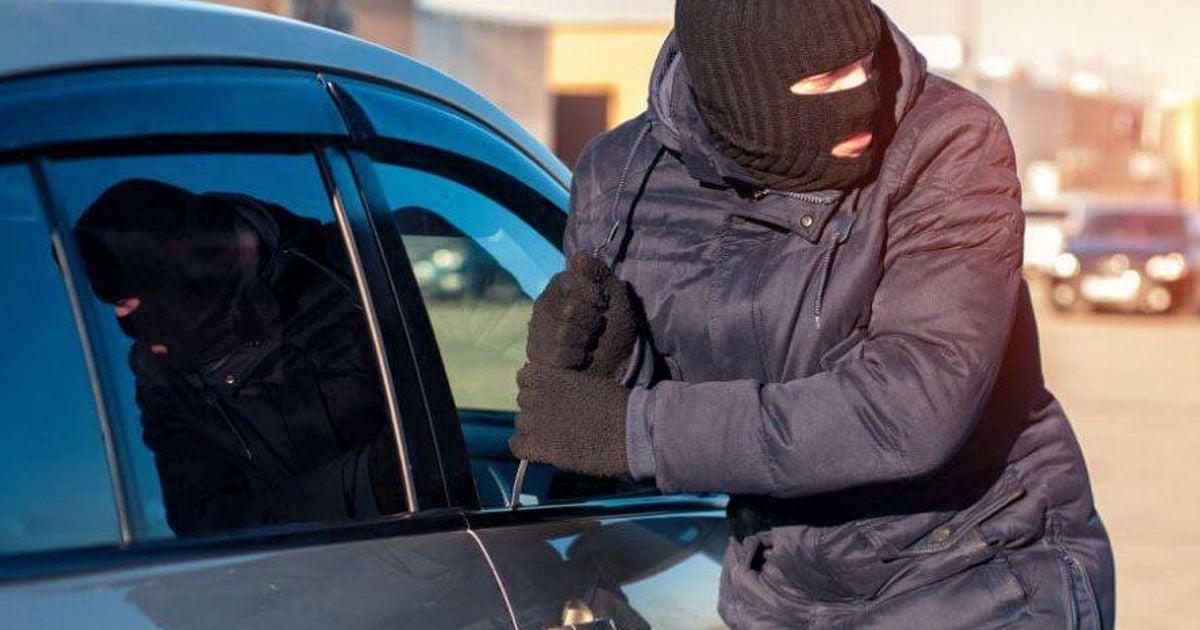
Car theft in Victoria has become a national outlier. In 2025, around 32,000 vehicles were stolen in the state, the highest figure since 2001. Insurance claims reached $243 million, more than the combined total of every other Australian state.
That figure from the Insurance Council of Australia (ICA) is not a rounding difference. It is a structural gap. While every other state recorded falling theft rates in 2025, Victoria continued its steep climb. Western Australia saw claims drop 15 per cent, South Australia down 14 per cent, Queensland down 12 per cent, and New South Wales fell 1.6 per cent.
Victoria went the other way. Claims rose 25 per cent in 2025, on top of an already record-high base in 2024. The previous year's Victorian claims bill was $173 million, itself a significant jump from $46 million the year before. The trajectory is alarming and it has direct financial consequences for every Victorian car owner.
What the Numbers Actually Mean for Insurance Costs
Insurance premiums are actuarial products. When claims in a region spike, insurers respond by raising premiums for all policyholders in that region to cover their aggregate exposure. Victorian drivers are now cross-subsidising a theft crisis that their counterparts in other states are not experiencing.
The ICA's chief executive Andrew Hall summarised the situation: a car is stolen or broken into every 42 minutes in Victoria. That rate has persisted long enough that it is no longer treated as an anomaly by underwriters. It is now the assumed baseline.
For buyers shopping for a new car in Victoria, the insurance premium calculation now requires serious attention. Comprehensive cover on a vehicle in a high-theft postcode can cost hundreds of dollars more per year than the same vehicle in a comparable address in Queensland or Western Australia. Over a five-year ownership cycle, that difference compounds.
Carseekers recommends buyers in Victoria get insurance quotes from multiple providers before committing to a purchase, not after. The variance in premiums for the same vehicle in different Victorian postcodes can be significant, and knowing your exact monthly cost upfront is part of calculating true cost of ownership.
The Geographic Pattern and What It Tells Buyers
More than 12,500 insurance claims for vehicle theft were made in Victoria in 2025, with the majority concentrated in metropolitan areas. This is consistent with previous years, where the inner and middle suburbs of Melbourne have appeared repeatedly in insurer-defined high-risk zones.
The pattern matters for buyers who are weighing up a vehicle's desirability to thieves. Certain models are disproportionately targeted based on demand for parts, ease of key relay theft, and aftermarket value. Older Toyota, Kia, and Hyundai models without modern immobiliser technology have historically been among the most frequently stolen.
For buyers purchasing a new car with a current-generation immobiliser, keyless entry security, and factory tracking, the risk profile is lower. But it is not zero. Relay theft attacks on keyless entry vehicles have been documented in Australian suburbs, and the technology to execute these attacks is commercially available.
What the State Government and Insurers Are Doing
The ICA's language around Victoria's situation has become increasingly pointed. Andrew Hall's statement that the gap between Victoria and other states is "widening" and that "each year, Victoria's numbers stand apart" signals frustration with the pace of policy intervention.
Police resources, judicial sentencing patterns, and social factors all contribute to the theft rate. These are slow-moving levers. From the perspective of a car buyer, the more immediately relevant question is what you can do to protect your own vehicle.
Steering wheel locks, GPS tracking devices, and driveway security cameras are all documented theft deterrents. Comprehensive insurance with low excess is more important in Victoria than in most other Australian states, given the statistical likelihood of claiming. Factory alarm system options on new vehicles are worth ticking if available.
Carseekers notes that some insurers offer premium discounts for vehicles fitted with approved tracking devices or stored in a locked garage rather than on the street. These discounts can meaningfully offset the cost of security upgrades.
Why the Rest of Australia Is Moving in the Opposite Direction
The contrast with other states deserves emphasis. Western Australia's 15 per cent decline and South Australia's 14 per cent fall did not happen by accident. These states have seen sustained investment in vehicle security awareness, police task forces targeting serial offenders, and higher rates of GPS tracking adoption in high-risk areas.
New South Wales, with its much larger vehicle fleet, managed a small decline in claims. Queensland's 12 per cent improvement is particularly notable given the state's rapid population growth, which typically correlates with more vehicles on the road and more potential targets.
Victoria's divergence suggests the problem is not a function of economic conditions or vehicle security technology alone. The issues are structural and local. From a buyer's perspective, that means the Victorian premium environment is likely to remain elevated for the foreseeable future. Factor it into your cost calculations accordingly.
The Models Most at Risk
Historically, the most stolen vehicles in Australia have included popular utes and SUVs, particularly older models with less sophisticated immobiliser technology. Vehicles that are commonly used for parts stripping, such as high-volume sellers with expensive components, also attract disproportionate theft rates.
For buyers purchasing a new vehicle, the theft risk is substantially lower than for an older model. Modern factory immobilisers, encrypted key fobs, and over-the-air software updates have meaningfully raised the technical barrier to theft. But no vehicle is theft-proof, and relay attacks on keyless systems remain a documented risk.
If you are buying in Victoria, prioritise vehicles with a factory-fitted GPS tracking option, keep your key fobs in a signal-blocking pouch at home, and ensure your address and vehicle registration are set up with your insurer before you take delivery. These are small steps that meaningfully reduce your risk exposure.
How to Protect Yourself as a Victorian Car Buyer
Beyond insurance, there are practical steps buyers can take to reduce exposure. Steering wheel locks remain effective deterrents because they add visible friction that most opportunistic thieves do not want to deal with. They are cheap, available at any automotive store, and they work.
Garage parking reduces risk substantially. Metropolitan Melbourne homes without a garage face statistically higher theft exposure than those with secure off-street parking. If your home has a garage, use it consistently for your new car, particularly during the first year of ownership when the vehicle is most visible and most likely to attract attention.
For buyers in areas with documented high theft rates, aftermarket GPS tracking with real-time monitoring is worth the investment. Several Australian providers offer these at reasonable monthly subscription rates, and some insurers will reduce your premium in recognition of the tracking capability.
Carseekers sees the Victorian insurance situation as a meaningful input into the total cost of ownership calculation for any car purchase in the state. Know the premium before you sign, not after.
Considering finance for your next car? Loanseekers can help you explore car loan options.
The finer details
Your questions answered.
How many cars are stolen in Victoria each year?
In 2025, around 32,000 vehicles were stolen in Victoria, the highest number since 2001. That equates to roughly one car stolen or broken into every 42 minutes, according to the Insurance Council of Australia. Every other state recorded lower theft rates in the same year.
How much did car theft cost Victorian insurance policyholders in 2025?
Vehicle theft in Victoria generated $243 million in insurance claims in 2025, more than every other Australian state combined. This was a 25 per cent increase on the previous year's $173 million. The compounding year-on-year growth has made Victoria an outlier in the national claims environment.
Are car insurance premiums higher in Victoria because of theft rates?
Yes. Insurance premiums are based on claims data, and Victoria's elevated theft rate translates directly into higher premiums for policyholders, particularly in metropolitan Melbourne postcodes with documented high theft rates. Getting multiple insurance quotes before purchasing a car in Victoria is essential to understanding your true ownership cost.
Which cars are most commonly stolen in Australia?
Older Toyota, Kia, and Hyundai models with less sophisticated immobiliser technology have historically appeared frequently in theft statistics. High-volume utes and SUVs are also targeted for parts. New vehicles with modern immobilisers and GPS tracking carry substantially lower risk than older models.
What is relay theft and should I be worried about it with a new car?
Relay theft involves amplifying the signal from your keyless entry fob at home to trick your car into unlocking and starting, without needing the physical key. It has been documented in Australian suburbs. The simplest protection is a signal-blocking key fob pouch, which costs under $20 and prevents your key's signal from being intercepted.
What practical steps can Victorian car buyers take to protect their vehicle?
Parking in a locked garage is the single most effective deterrent. Steering wheel locks add visible friction that deters opportunistic thieves. Aftermarket GPS tracking provides recovery capability and can reduce insurance premiums. Getting comprehensive insurance with a reasonable excess before you take delivery, rather than after, is also important.