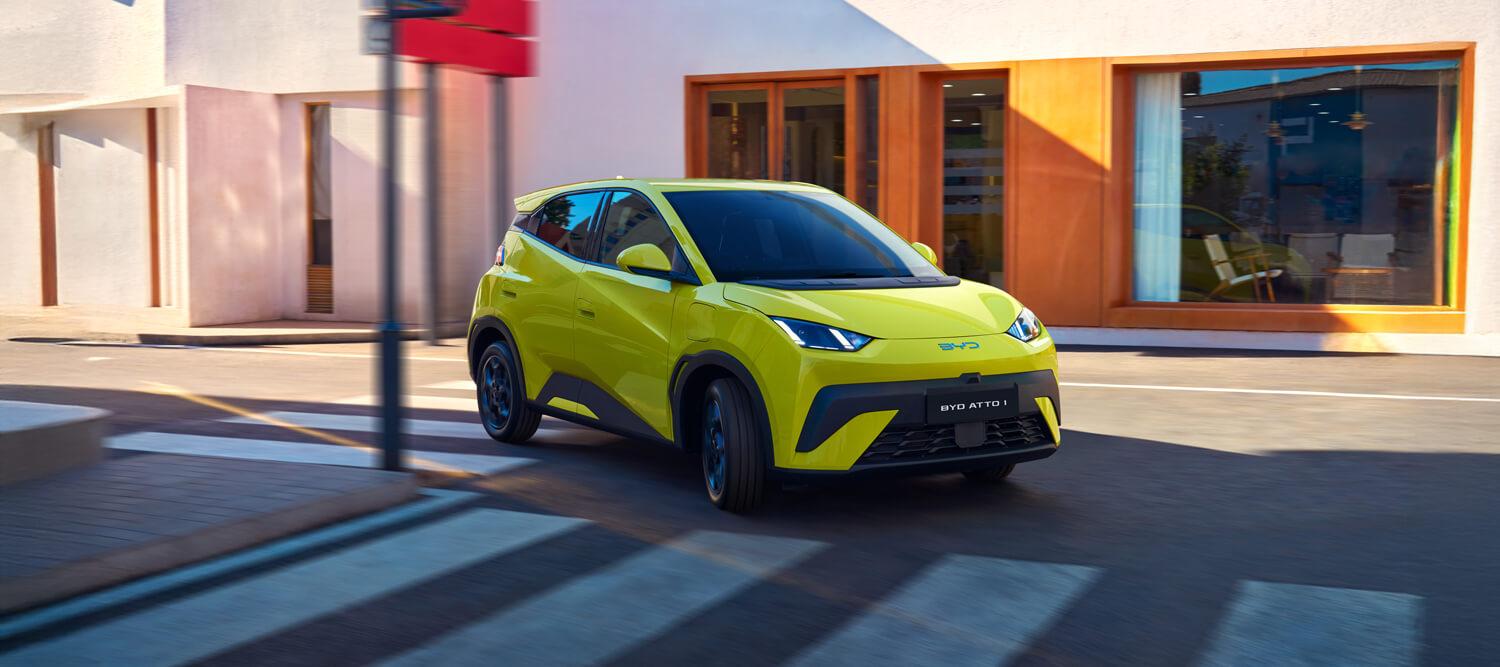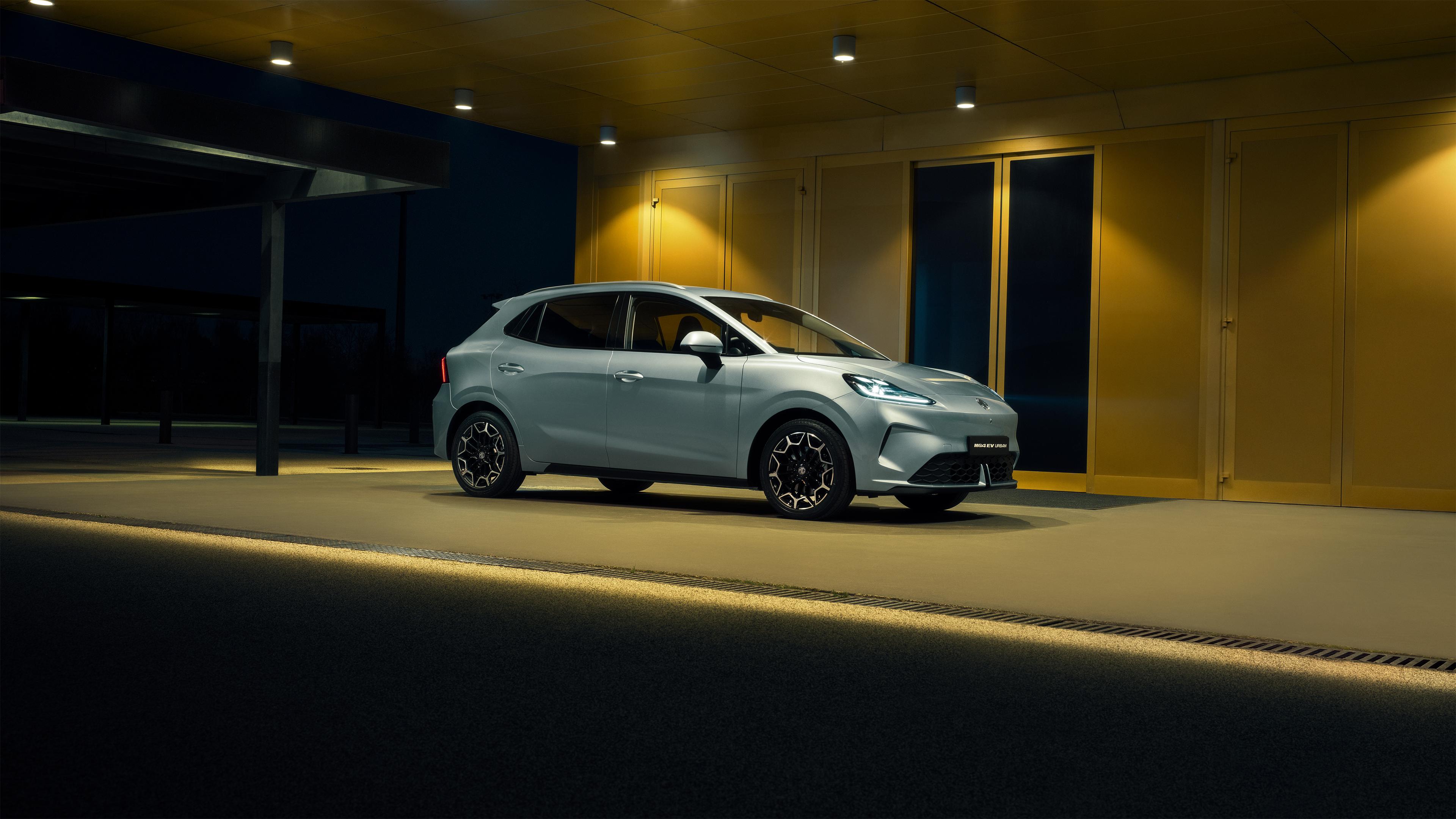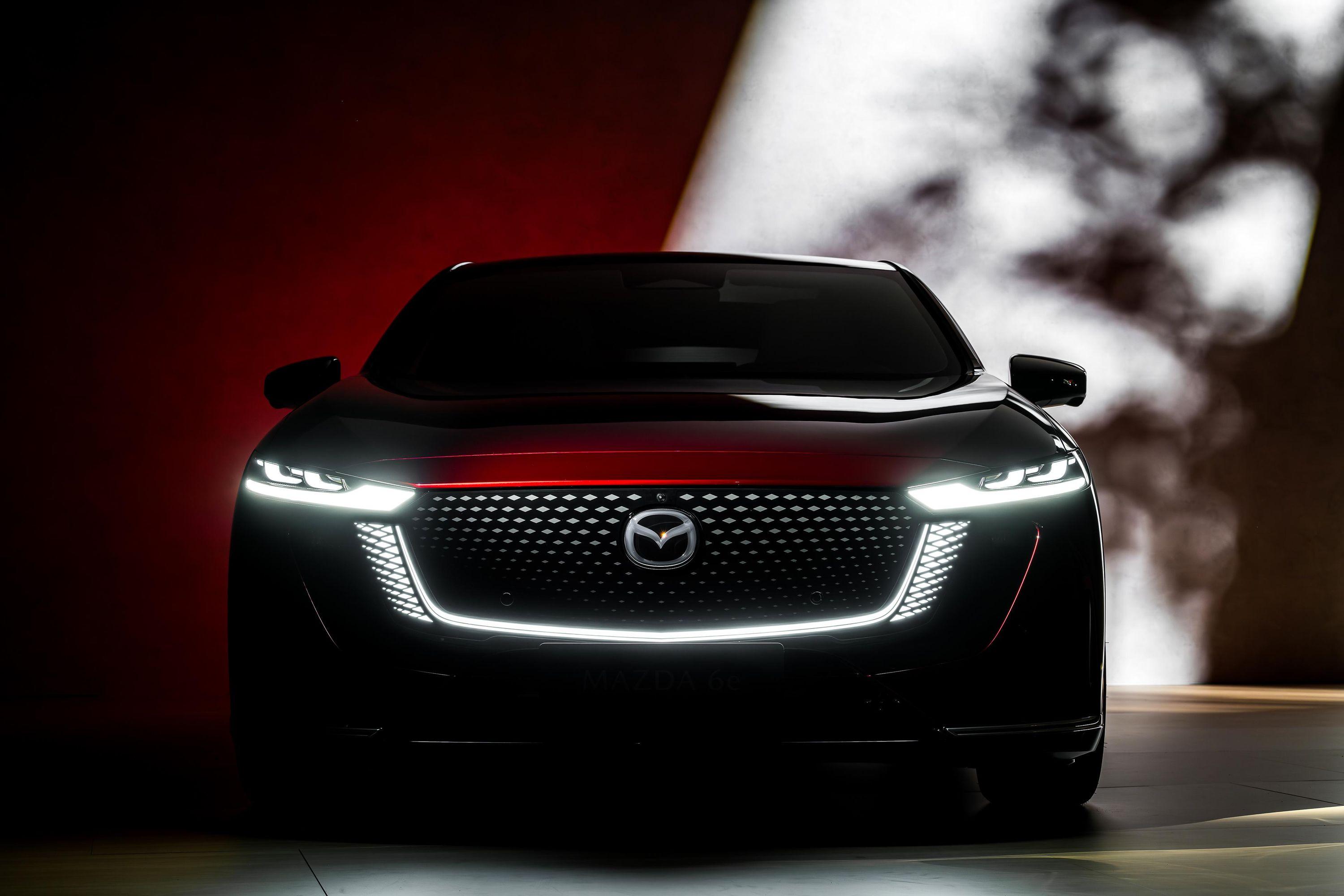
If you’ve been shopping for a new car recently, you’ve probably noticed something feels different. Prices are shifting faster, new models are arriving with unfamiliar tech, and brands that used to dominate are now being undercut more often. What most buyers don’t realise is that a big part of this shift is coming from one place. China.
What’s Happening
Japanese and Korean car brands are increasingly relying on Chinese manufacturers, suppliers, and technology to stay competitive, particularly in the electrified vehicle space. This is not something coming in the future. It is already shaping the cars being sold in Australia today.
Brands that traditionally engineered everything in-house are now sourcing key components like batteries, software systems, and even full vehicle platforms from Chinese partners. In some cases, entire vehicles are being co-developed. This is happening because China currently controls a large portion of the EV supply chain, including battery production, raw materials, and large-scale manufacturing.
For brands like Hyundai, Kia, Toyota, and Nissan, competing without access to this ecosystem is becoming increasingly difficult. The outcome is a new generation of vehicles that are faster to develop, more technology-driven, and often more aggressively priced.
Key Details You Need to Know
Chinese battery and EV technology is now embedded across multiple Japanese and Korean brands, allowing them to reduce production costs and accelerate model launches. Some vehicles are being co-developed with Chinese partners, which means shared platforms, shared software, and shared engineering.
This is putting downward pressure on pricing across the market, especially as Chinese brands themselves continue to expand in Australia. As a result, traditional brands are being forced to respond.
Electrified models are expanding rapidly, particularly in segments like mid-size SUVs. Vehicles such as the Hyundai Tucson and Kia Sportage are already seeing this shift through hybrid and future EV developments.
At the same time, supply chains are improving. Chinese manufacturing scale is helping reduce delays that previously caused long wait times. Technology is also evolving faster, especially in areas like infotainment, battery efficiency, and driver assistance systems.
Why This Matters Right Now
This shift is already changing how cars are priced and sold in Australia. Chinese brands entering the market are not just adding competition. They are resetting what buyers expect to pay. That forces established brands to adjust quickly.
You will start to see sharper drive-away deals, more standard features included in base models, and increased pressure on dealers to move stock.
At the dealer level, there is now a balancing act. Dealers are trying to protect margins on existing models while also staying competitive against newer, more aggressively priced alternatives. This creates inconsistency in pricing between dealerships.
One dealer might hold firm. Another might discount heavily to secure the deal. This is where opportunity exists for buyers.
Timing is also becoming more important. As new models and updates arrive, older stock becomes harder to sell. Dealers become more aggressive clearing inventory, which creates short windows where pricing drops significantly.
What Most Buyers Get Wrong
Most buyers still approach the market like prices are fixed and negotiation margins are small. That is no longer the case. Pricing now varies depending on stock levels, factory incentives, incoming competition, and how ready the buyer is to proceed.
Another mistake is focusing only on brand reputation without understanding how vehicles are being built today. Two different brands may now share similar battery systems or technology platforms. That changes how value should be assessed.
The biggest mistake is shopping without commitment. The most competitive pricing is only available when a buyer is ready to move forward immediately. If you are just comparing options, you will not see the real deal.
What This Means for You
If you are buying a new car in Australia right now, this shift creates an advantage if you approach it correctly. You should be locking in your exact model choice before negotiating, comparing multiple dealers instead of relying on one quote, and being aware of when model updates are coming.
Vehicles like the Hyundai Tucson and Kia Sportage are strong examples of where this is playing out. As electrified variants and updates continue to roll out, existing stock becomes more negotiable.
Toyota’s hybrid lineup is also benefiting from improved supply, which means availability is increasing. More available stock typically leads to more competitive pricing.
If you are ready to proceed and the price aligns, that is when you unlock the best deals.
How Carseekers Gives You an Advantage
This is where most buyers lose money. Not because they cannot negotiate, but because they are only speaking to one dealer.
Carseekers changes that dynamic completely.
Instead of relying on a single quote, multiple dealers compete for your business. That matters more in today’s market than ever before.
When brands are under pressure from cheaper, tech-driven competition, dealers are more willing to move on price to secure a serious buyer. But they will not offer their best deal upfront.
Carseekers forces that competition and brings those offers to the surface.
If you are serious about buying a new car and want to make sure you are not overpaying in a rapidly changing market, Carseekers gives you the leverage that most buyers never access.
Considering finance for your next car? Loanseekers can help you explore car loan options.
The finer details
Your questions answered.
Why are Toyota, Nissan, and Hyundai using Chinese technology in their cars?
Chinese manufacturers have developed world-leading capabilities in EV batteries, software, and electronics at lower cost than Japanese and Korean alternatives. Brands like Nissan, Toyota, and Hyundai are partnering with Chinese suppliers and manufacturers to remain competitive on technology and price, particularly in the EV and PHEV segments.
Does it matter if my Toyota or Hyundai uses Chinese-made components?
For most buyers, no. Chinese-manufactured batteries, electronics, and software are used across premium and mainstream vehicles globally, including in European and American brands. What matters is the vehicle's overall quality, warranty, and the importer's Australian support capability, not the country of origin of specific components.
Are Japanese and Korean car brands losing ground to Chinese brands in Australia?
Yes, gradually. Chinese brands reached 24 percent market share in Australia in early 2026, up from 14 percent in the same period of 2025. Japanese brands have lost the most ground as their slower EV transition leaves them exposed at price points where Chinese brands are most competitive. Korean brands Hyundai and Kia have held up better due to their earlier EV investment.
Will Japanese car brands eventually be replaced by Chinese brands in Australia?
A complete replacement is unlikely. Toyota, Mazda, and Honda retain strong brand loyalty, dealer networks, and resale value advantages that Chinese brands cannot displace quickly. The more realistic outcome is a sustained split market where Chinese brands own 25 to 35 percent of volume while Japanese brands retain loyalty-driven buyers.
Is a Chinese-developed Japanese or Korean car as reliable as a traditional one?
Early data from Chinese-market Japanese and Korean vehicles suggests quality is comparable to equivalent models built in other countries. Global brand quality control processes apply regardless of manufacturing location. Australian compliance requirements provide an additional quality check before any vehicle reaches local showrooms.
What Chinese technology features are appearing in new Japanese and Korean cars in Australia?
Chinese battery cell technology, LiDAR-based driver assistance systems, in-car infotainment software, and connected vehicle platforms are the most common Chinese-origin technology components appearing in new Japanese and Korean vehicles. These features are generally improvements over previous-generation equivalents at lower cost.