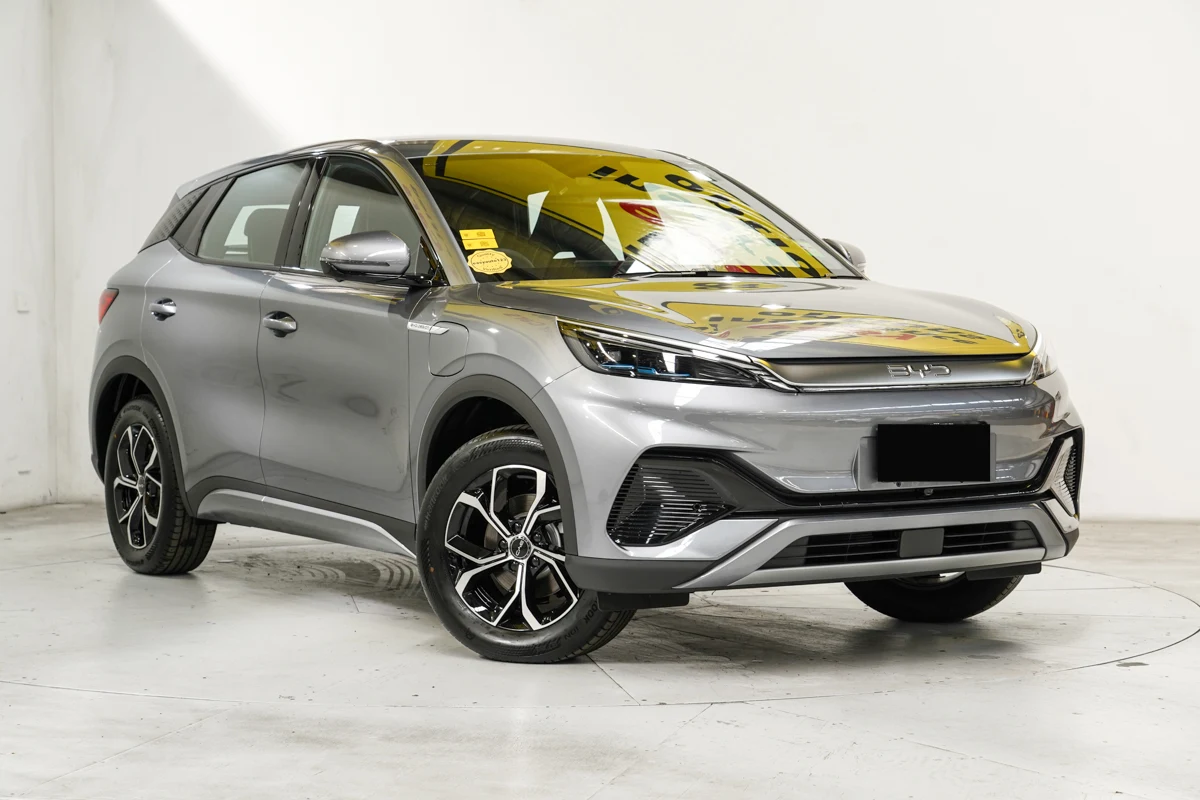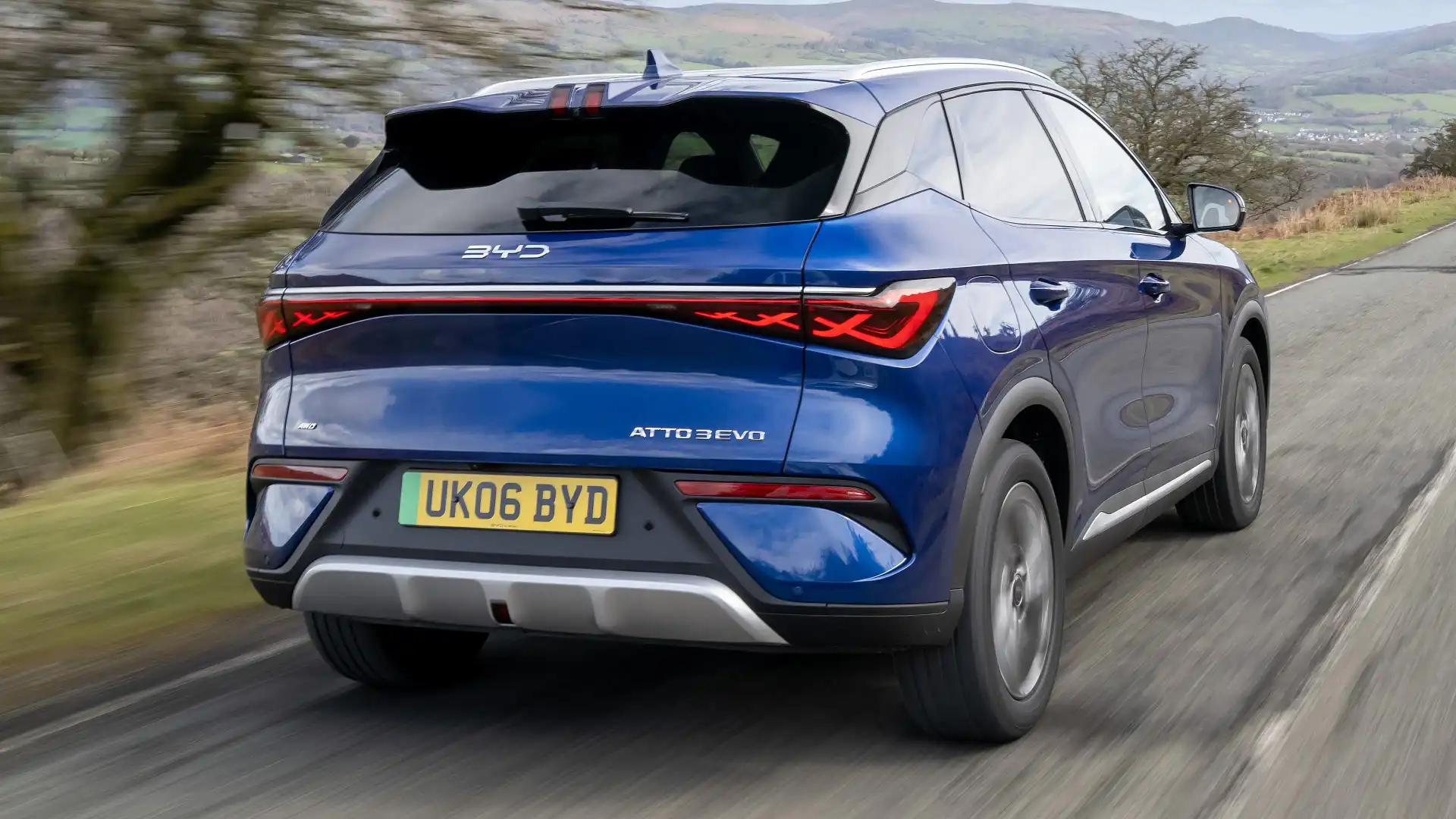
BYD Australia has confirmed the 2026 Atto 3 Evo will land in Australian showrooms in the second half of the year, with a substantial mechanical and styling refresh that finally answers some of the criticisms levelled at the outgoing model. The car that put BYD on the radar of mainstream Australian buyers is getting more power, more range, faster charging, a switch to rear-wheel drive, and an all-wheel-drive option for the first time.
More importantly for the segment, BYD has chosen to bring the Evo to Australia rather than the all-new Yuan Plus revealed in China last month. The Yuan Plus, which will be sold as the Atto 5 in New Zealand, sits on a different platform with a bigger body, longer range, and ultra-fast charging. Australia gets the heavily revised current car instead. Why that matters for pricing and competitive positioning is the more interesting story.
The Evo is a real upgrade, not a facelift
The outgoing BYD Atto 3 Premium uses a front-mounted 150kW/310Nm electric motor driving the front wheels through a 60.5kWh battery. The Atto 3 Evo throws all of that out.
The rear-wheel-drive Evo runs a single 230kW/380Nm motor on the rear axle, good for a 0 to 100km/h time of 5.5 seconds. That is a significant jump in performance, and the layout change from front-wheel drive to rear-wheel drive is the kind of structural decision that signals a serious rework rather than a sticker job.
For the first time, an all-wheel-drive variant joins the line-up, adding a front motor for a combined 330kW and 560Nm and a claimed 3.9-second 0 to 100km/h sprint. That puts the Atto 3 Evo AWD in BYD Sealion 7 and Tesla Model Y Performance territory on paper, in a car a full size class smaller.
The battery grows to 74.8kWh across both grades. Range jumps to 510km on the rear-wheel-drive Evo and 470km on the all-wheel drive, against 340km and 420km in the outgoing 49.9kWh and 60.5kWh Atto 3 variants. Real-world delivery will land below those WLTP figures, but the improvement is real.
Faster DC charging is the headline
The outgoing Atto 3 has always been hamstrung at the charger. Drive's testing of the Premium reported 10 to 80 per cent recharges taking more than 40 minutes, which is poor by 2026 standards and a clear limit on long-distance use.
The Evo accepts up to 220kW DC, with a claimed 25-minute 10 to 80 per cent recharge. That is closer to the Tesla Model Y and ahead of many Chinese rivals at the price point. It also unlocks a different ownership pattern. The previous Atto 3 was best suited to buyers who charged at home overnight. The Evo is genuinely usable as a single-car household EV doing long-distance trips.
BYD has also flagged a broader rollout of its 'Flash' DC charging network in Australia this year, which adds a high-voltage buffer battery on the charger side to bypass grid limitations. That infrastructure is being shaped specifically around fast-charging Chinese EVs.
Pricing is the most interesting unknown
BYD Australia has not confirmed Evo pricing. The outgoing Atto 3 sits at $39,990 to $44,990 plus on-road costs for Essential and Premium grades. BYD COO Stephen Collins has told Drive the brand is still working through Evo planning, with second-half launch as the most likely window.
There are two pressures pulling the new price in opposite directions. On one side, the Evo is a substantially better car with a bigger battery, more powerful motors, faster charging, and added AWD. A modest price increase would be commercially defensible.
On the other, the EV pricing landscape has shifted hard since the current Atto 3 was priced in early 2025. The smaller BYD Atto 2 launched at $31,990 to $35,990 plus on-roads with a feature set that overlaps the current Atto 3 Essential. The Geely EX5, MG4, GWM Ora and others have piled in below $45,000.
If BYD pushes the Evo above $50,000, it walks into the Tesla Model Y base price and a wave of Chinese competitors. If it keeps the Evo close to current Atto 3 money, the value pitch is hard to refuse.
Our read is BYD holds the line near current pricing on the rear-wheel-drive Evo to protect volume, and prices the all-wheel-drive variant as a halo product closer to $55,000.
Styling and interior changes
The Evo gets new front and rear bumpers, restyled silver 18-inch alloy wheels, Dolphin-esque tail-light signatures, slimmer side skirts, a new rear window pillar garnish, and a sportier rear spoiler with twin brake lights. None of it is radical, but the overall result reads cleaner than the slightly fussy original Atto 3.
Inside, the centre console has been reshaped to fit a ventilated wireless phone charger. The gear selector has moved to a column stalk in the style of Tesla and the BYD Sealion 7, freeing up storage space below. The steering wheel and seats have both been reworked, and the 15.6-inch infotainment screen now includes Google Maps and other Google services in European-spec cars. A new 8.8-inch instrument display sits behind the wheel.
Boot space grows by 50 litres. A 110-litre frunk has been added, which the outgoing Atto 3 lacked. Rear suspension moves from four-link to five-link, which Drive expects will improve composure on coarse-chip Australian roads where the current Atto 3 can feel busy.
Australia, New Zealand and the Yuan Plus split
The all-new Yuan Plus, sometimes referred to as the Atto 5 in New Zealand, sits on a different architecture with a longer wheelbase, bigger body, and ultra-fast charging. BYD has chosen to keep that car for the Chinese and New Zealand markets initially, while sending Australia the heavily revised current platform.
The likely reason is volume protection. The Atto 3 has been BYD's volume leader in Australia. Replacing it mid-cycle with an entirely new car would mean a longer launch gap, fresh ANCAP testing, and a more expensive bill of materials. The Evo strategy lets BYD keep production lines moving and refresh the model without resetting the price ladder.
Whether the full Yuan Plus eventually arrives in Australia under another name is an open question. BYD has not ruled it out for the medium term.
How it stacks up against the segment
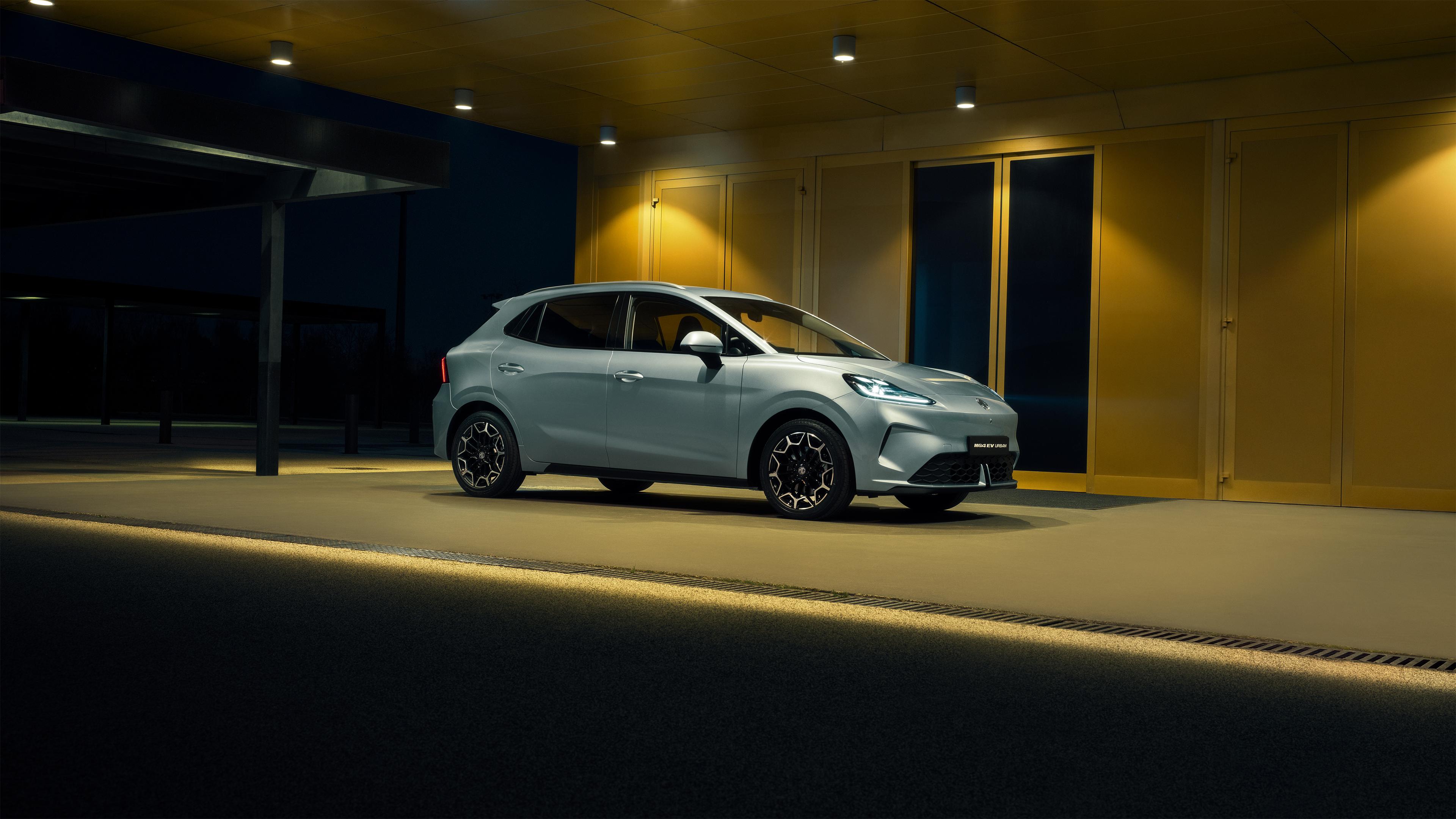
The Atto 3 Evo will land into a small electric SUV segment that has changed significantly in 12 months. Direct competitors include the Tesla Model Y (technically a size up but priced close), the MG4, the GWM Ora, the Hyundai Kona Electric, the Volvo EX30, and the upcoming Geely EX5.
Where the Evo will win is range, charging speed and the AWD halo grade. Where it will be tested is interior quality against the EX30 and Hyundai, software polish against Tesla, and pricing against MG and GWM.
For buyers who waited out the first wave of Chinese EVs because of charging or range concerns, the Evo is the most credible mainstream electric SUV BYD has built for Australia so far. Carseekers will be tracking pricing, drive-away offers, and any FBT exemption implications as the launch approaches.
The bottom line
The 2026 BYD Atto 3 Evo is a significant rework rather than a facelift. Rear-wheel drive, optional AWD, 510km of range, 220kW DC charging, and reworked styling and interior all land in the second half of this year. The pricing call is the variable that will define how aggressively BYD pushes for volume. If the Evo lands close to current Atto 3 money, it becomes the default mainstream EV recommendation for buyers under $50,000.
Considering finance for your next car? Loanseekers can help you explore car loan options.
The finer details
Your questions answered.
When is the 2026 BYD Atto 3 Evo coming to Australia?
BYD Australia has confirmed a second-half-of-2026 launch. COO Stephen Collins said the brand is still working through the final plans, but the most likely arrival window is the back half of the year, with detailed pricing and grade information closer to launch.
What is the range of the BYD Atto 3 Evo?
The rear-wheel-drive Atto 3 Evo claims 510km of WLTP driving range and the all-wheel-drive variant claims 470km, both from a 74.8kWh battery. That is up significantly from the 340km and 420km figures of the outgoing 49.9kWh and 60.5kWh Atto 3 variants.
How fast does the new BYD Atto 3 Evo charge?
DC charging has lifted to 220kW, with a claimed 10 to 80 per cent recharge of 25 minutes. That is more than 40 minutes quicker than the outgoing Atto 3 Premium tested by Drive, and brings the Atto 3 close to the Tesla Model Y on usable highway range top-ups.
How does the Atto 3 Evo compare to the new BYD Yuan Plus?
The Yuan Plus is a different all-new model on a fresh platform, with a longer wheelbase and a bigger body. It is heading to China and New Zealand first (sold as the Atto 5 in NZ). Australia is getting the heavily refreshed current Atto 3, branded Evo, instead.
How much will the 2026 BYD Atto 3 Evo cost in Australia?
BYD has not confirmed pricing. The outgoing Atto 3 lists at $39,990 to $44,990 plus on-roads. With Chinese rivals cutting hard below $45,000, expect the rear-wheel-drive Evo to land close to current money and the new all-wheel-drive grade to push closer to $55,000.
Is the BYD Atto 3 Evo eligible for the FBT exemption on a novated lease?
Yes, assuming the Evo lands below the current $91,387 fuel-efficient Luxury Car Tax threshold. With the FBT exemption being wound back to a $75,000 cap from April 2027, BYD has strong commercial reasons to keep the Evo's pricing under both thresholds.