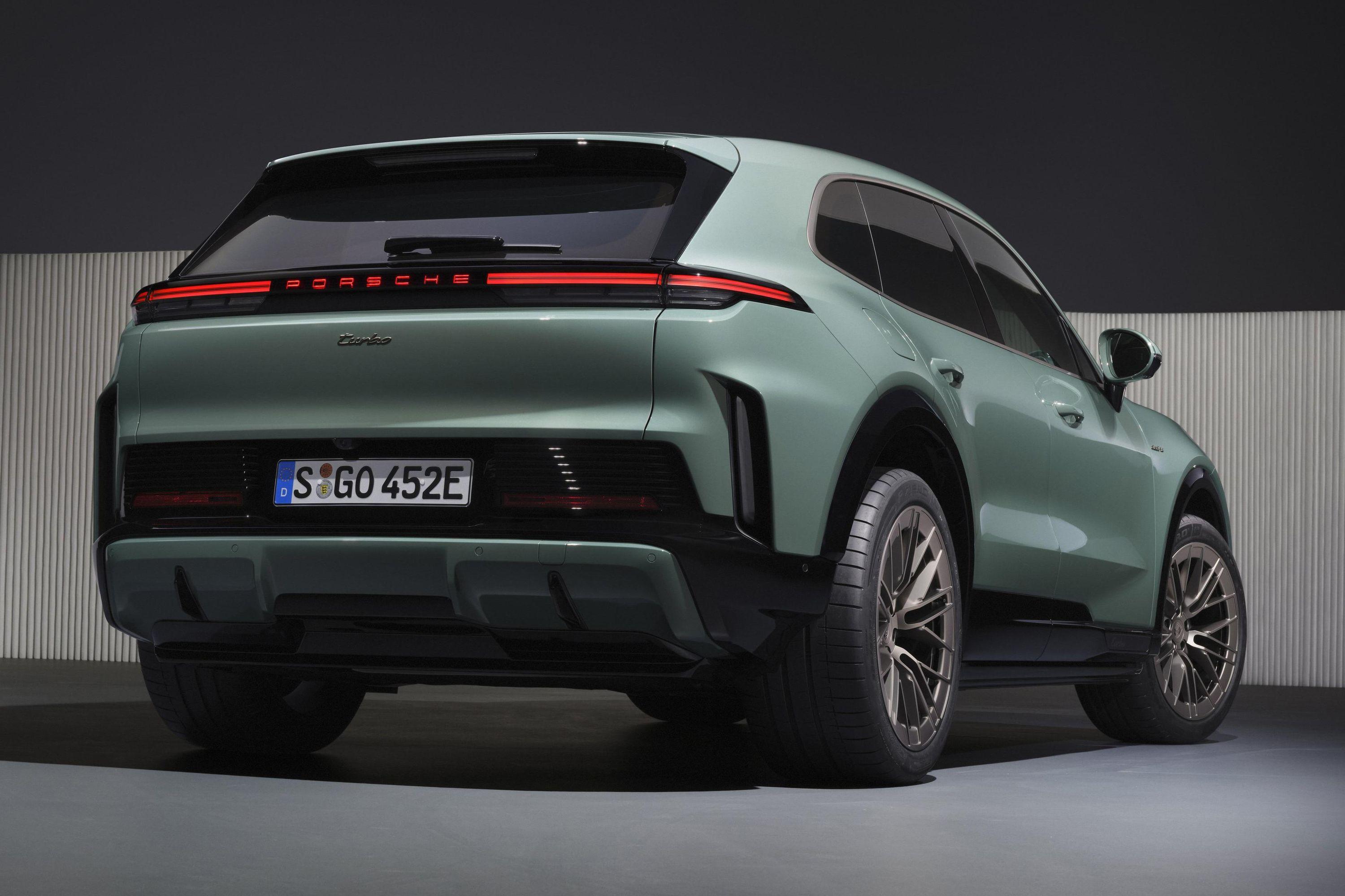

Most buyers still think EVs come with trade-offs. Limited range, high pricing, and less excitement compared to petrol performance cars. Porsche has just challenged all three at once with the upcoming electric Cayenne, and this changes how buyers should be thinking about the premium SUV market right now.
What’s Happening
Porsche has confirmed key early details of its next-generation electric Cayenne, and it is clear this is not a cautious transition. The brand is going all-in on performance and range. The new model is targeting up to 642km of driving range, putting it at the top end of what buyers expect from a luxury EV. That alone removes one of the biggest objections buyers have had. But the real shift is in performance. Porsche is aiming for acceleration and driving capability that competes with some of its most aggressive petrol vehicles. This is a deliberate move to prove that going electric does not mean giving anything up. It also signals that Porsche sees this model as a core part of its future lineup, not just a side option.
Key Details You Need to Know
The electric Cayenne will be built on a dedicated EV platform designed specifically for high-output performance and long-distance usability. The expected range of up to 642km places it ahead of many current competitors in the luxury SUV segment. Performance is a major focus, with Porsche targeting extremely fast acceleration and a driving experience that remains true to its brand identity. Charging capability will also be critical, with ultra-fast charging expected to support long trips and reduce downtime. This model will sit above existing electric offerings like the Macan Electric, both in size and positioning. Pricing has not been confirmed, but it will sit firmly at the premium end and likely exceed current Cayenne pricing, especially at launch when demand is strongest.
Why This Matters Right Now
This announcement impacts more than just Porsche buyers. It affects the entire premium SUV market in Australia. When a brand like Porsche commits this heavily to an electric performance SUV, it forces competitors to respond. That creates pressure across multiple brands at once. Dealers holding current petrol and hybrid SUVs will start to feel that shift. Buyers begin delaying decisions, waiting to see what comes next, and that slows momentum on existing stock. Dealers still need to hit targets, particularly toward the end of the month, and that is where negotiation becomes more flexible. This creates a short window where buyers gain leverage. The gap between announcement and arrival is where pricing opportunities typically open up, especially on in-stock vehicles.
What Most Buyers Get Wrong
Most buyers assume waiting for the new model is always the smarter move. In reality, new releases almost always come with strong demand, limited supply, and minimal discounting. Early buyers pay close to full price. At the same time, many buyers ignore what is happening in the current market. Once a new model is announced, existing stock becomes harder to move. Dealers rarely advertise major discounts publicly, but behind the scenes they become more willing to negotiate to secure deals before demand drops further. Another mistake is assuming EV growth will immediately reduce prices across petrol models. That shift happens gradually. The real opportunity is during this transition period when both models exist and dealers are managing stock pressure.
What This Means for You
If you are in the market for a premium SUV, this announcement gives you leverage even if you have no intention of buying the electric Cayenne. The market is about to adjust, and that creates opportunity. Focus on vehicles that are already in stock or arriving soon, as those are the units dealers are most motivated to move. Push harder on pricing toward the end of the month when targets become more urgent. If you are specifically waiting for the electric Cayenne, be realistic about timing and pricing. Expect limited negotiation early, potential wait times, and strong demand holding pricing firm. The decision comes down to whether you want the latest model or the strongest deal, because those two rarely align.
How Carseekers Gives You an Advantage
Most buyers approach this the wrong way by negotiating with a single dealer and assuming that is the market price. In reality, pricing can vary significantly between dealers depending on their stock levels and targets. Carseekers changes that by creating competition. Instead of chasing one offer, you have multiple dealers pricing against each other. This becomes even more powerful during periods like this when new models are coming and existing stock needs to move. Some dealers will hold firm, others will deal, and the difference can be substantial. Carseekers exposes those gaps and gives you access to real market pricing without the usual back and forth. If you are serious about getting the best outcome, this is where the advantage sits.
Considering finance for your next car? Loanseekers can help you explore car loan options.
The finer details
Your questions answered.
When is the Porsche Cayenne Electric coming to Australia?
Porsche has confirmed the electric Cayenne is in development but has not published an Australian launch date. Based on Porsche's typical 12 to 18 month gap between global reveal and Australian delivery, a 2027 or 2028 arrival is the most likely window.
What is the range of the Porsche Cayenne Electric?
Porsche has targeted up to 642km of WLTP range for the electric Cayenne. Australian real-world figures will be lower depending on highway speeds and climate. This figure puts it at the top end of the premium electric SUV segment, ahead of current offerings from BMW, Mercedes, and Audi.
How does the Porsche Cayenne Electric compare to the Tesla Model X?
Both target the high-performance electric SUV buyer, but the Cayenne Electric is expected to command a significant price premium over the Model X while offering Porsche's driving dynamics heritage. The Model X has a more established charging infrastructure story in Australia through the Supercharger network.
Should I buy a current Porsche Cayenne E-Hybrid or wait for the electric version?
If the electric Cayenne's features matter to you, wait. The current E-Hybrid will face meaningful residual pressure once the electric version launches. If you need a Cayenne now and plan to hold for seven or more years, the E-Hybrid remains a strong car. For three-year plans, the pending electric model is a genuine consideration.
How much will the Porsche Cayenne Electric cost in Australia?
Porsche has not announced Australian pricing. Based on the current Cayenne E-Hybrid range starting above $150,000, the electric variant is likely to enter at a premium above that. Porsche's electric pricing has typically been set at or above equivalent petrol and hybrid variants.
Is a 642km electric SUV range enough for long-distance Australian driving?
642km WLTP is more than sufficient for most Australian driving patterns. Even with a 15 percent real-world discount, you are looking at 545km of practical range, covering the Sydney to Melbourne corridor with one stop. For outback or remote driving where chargers are sparse, petrol or hybrid remains the more practical choice.