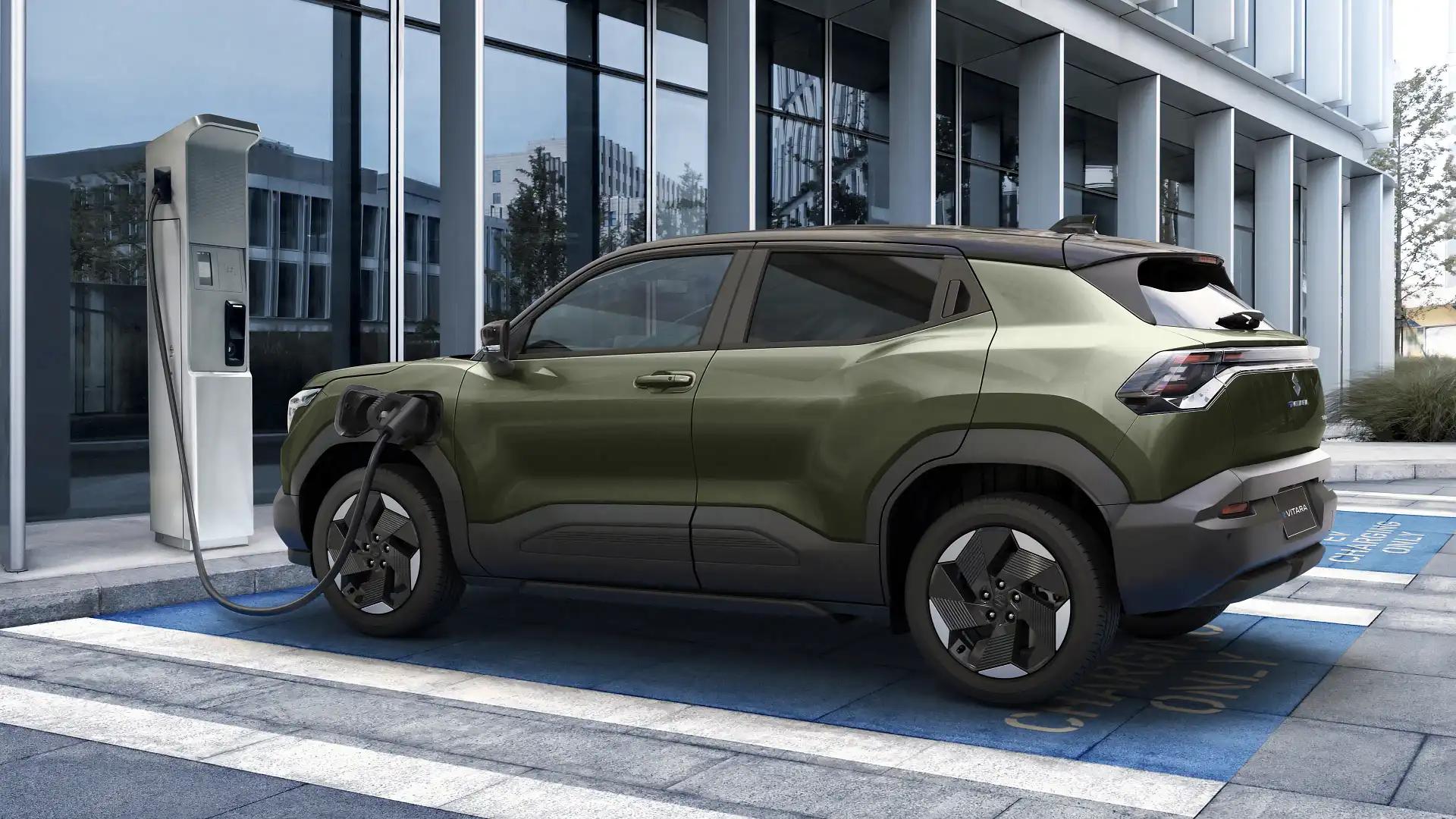
Suzuki has joined the electric club in Australia at last, and the 2026 eVitara lands with pre-order pricing of $46,990 drive-away for the front-wheel-drive Motion and $56,990 drive-away for the all-wheel-drive Ultra. The catch sits in the fine print: those numbers only hold for the first 100 customers or until 1 July 2026, whichever lands first.
After that the regular pricing kicks in at $49,990 drive-away for the Motion FWD and $58,990 for the Ultra AWD nationwide. That puts the entry-level Suzuki Vitara electric exactly $1000 above the top-spec petrol mild-hybrid Vitara, which is a tighter price gap than most legacy brands have managed when porting to electric.
First examples are due in showrooms mid-year, with Carseekers tracking the launch closely for buyers weighing it against the cheaper Chinese rivals.
Why this price tag matters more than the spec sheet
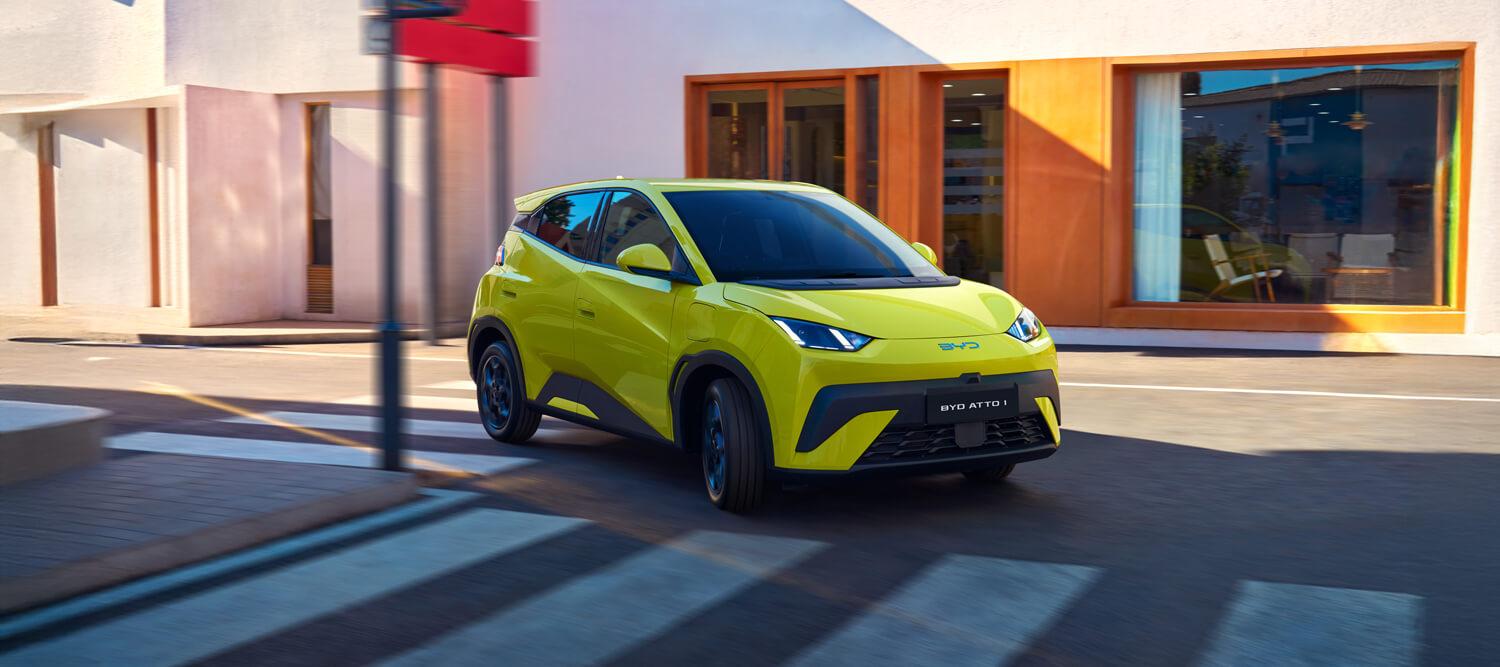
The cheapest eVitara is roughly $11,700 to $13,230 dearer than the entry-level BYD Atto 2 and around $7200 to $8400 above the flagship Atto 2. That gap is what dealers will hammer on, because Suzuki is not bringing the longer range, the bigger battery, or the higher safety rating to justify it.
A Kia EV3 Air sits at almost the same money in most states. The EV3 brings 436km of WLTP driving range against the eVitara Motion's 344km, more power, and a five-star ANCAP safety rating where the Suzuki holds four. On paper, the eVitara loses that direct comparison.
The AWD Ultra has the same problem from a different angle. Its $58,990 sticker overlaps with the BYD Sealion 7 Premium, a car a size class up with more features, more range, and dual-motor performance.
The Queensland and northern NSW exception nobody talks about
Suzuki vehicles in Queensland and northern New South Wales are sold by a separate distributor, and the eVitara story changes there. Launch pricing in those regions runs through 31 July 2026 and only knocks $2000 off the regular RRP, dropping the Motion to $47,990 and the Ultra AWD to $56,990 drive-away.
It also opens up a third variant: an Ultra front-wheel-drive grade priced from $52,990 drive-away for the first three months and $54,990 thereafter, with a 61kWh battery and a claimed 426km of range. That model is genuinely the sweet spot of the line-up, and it is not available to buyers anywhere else in the country.
This is the kind of distributor quirk that catches out interstate buyers. If you live in Brisbane and your cousin in Melbourne is shopping the same car, you are looking at different dealers, different launch offers, and different model availability.
The numbers that actually matter on the road
The eVitara was developed with Toyota and is built in India. At 4275mm long, 1800mm wide and 1635mm tall on a 2700mm wheelbase, it sits in the small-SUV class beside a Mazda CX-3 or BYD Atto 2.
The Motion uses a 106kW/193Nm front motor and a 49kWh lithium-iron-phosphate battery for a claimed 344km of WLTP range. The Ultra AWD steps up to dual motors, 128kW at the front and 48kW at the rear for 135kW and 307Nm combined, paired with a 61kWh LFP pack good for 396km.
DC fast charging from 10 to 80 per cent takes roughly 45 minutes across all variants. A home 11kW AC wallbox will refill the Motion in around four and a half hours, or five and a half for the Ultra grades.
Standard kit, dealer behaviour and what to push back on
Entry Motion equipment includes 18-inch alloys, LED headlights, a 10.1-inch touchscreen, a 10.25-inch driver display, climate control and a 360-degree camera. Step up to the Ultra and you add fabric and leather-look upholstery, heated front seats, a power-adjustable driver's seat, wireless phone charging and a glass roof.
Dealer behaviour around launch cars usually skews two ways. Pre-order numbers will be small, so the first 100 'special pricing' slots will fill fast, and dealers will use that scarcity to push add-ons such as protection packs, paint coatings and accessory bundles.
The second pattern is the trade-in lowball. Suzuki is asking petrol Vitara owners to step into an EV with similar money on the bonnet, but expect appraisals that drop your trade by $2000 to $3000 below private-sale value to claw back the small RRP gap.
How it stacks up if you are EV-curious but brand-loyal
The eVitara matters most for buyers who already trust Suzuki and want to skip the Chinese-brand learning curve. Service network coverage, parts pricing and resale data on Suzuki are well established in Australia, while BYD, Chery and Geely are still building those track records.
Against the Toyota-derived underpinnings of this car, you also get the comfort of knowing the platform is shared with a global Urban Cruiser model sold across multiple markets. That tends to translate to better long-term support than a one-market specialty EV.
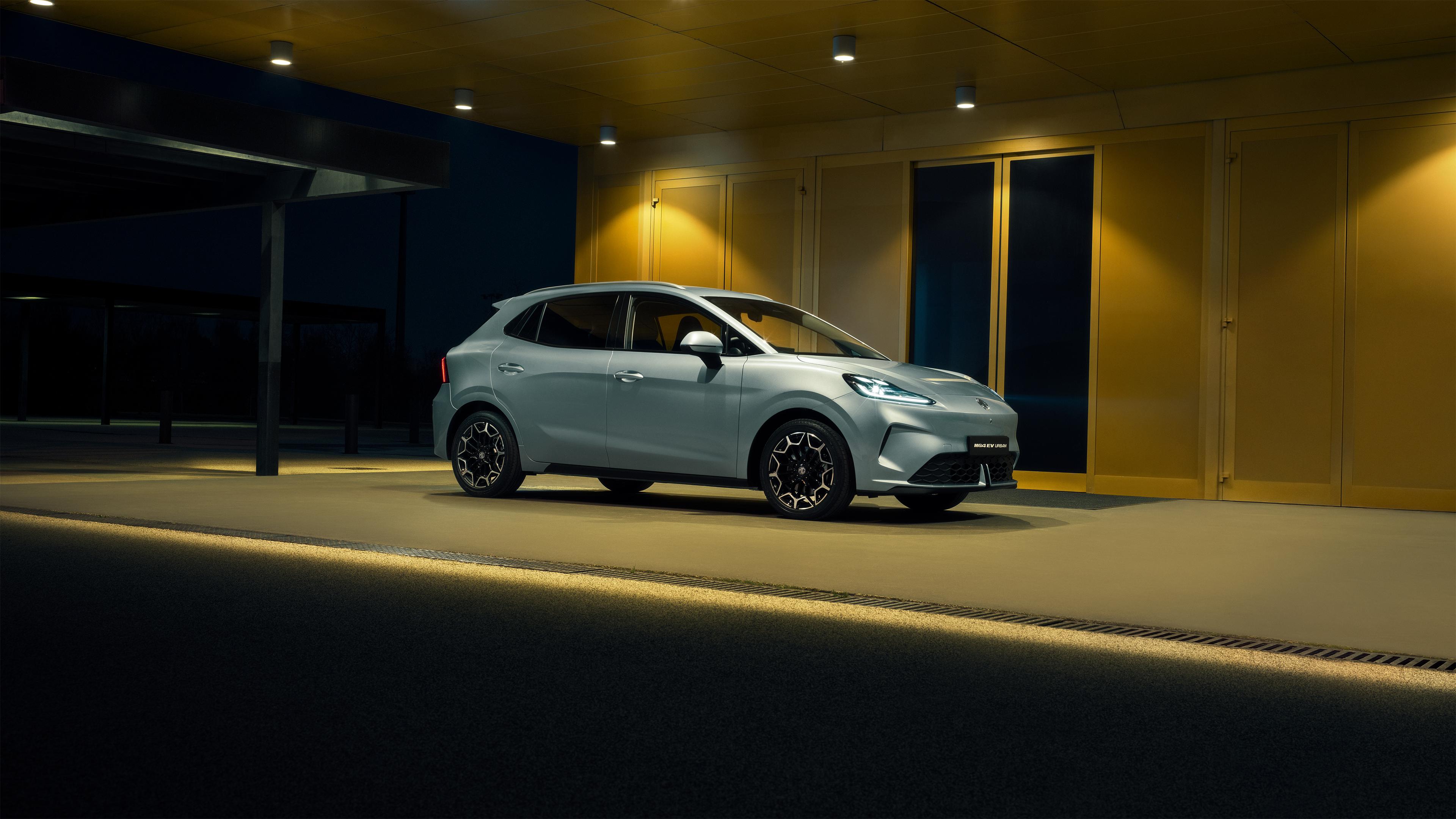
The trade-off is range, performance and value-per-dollar against the Chinese alternatives. If those things matter more than the badge, an MG, Atto or EV3 will give you more car for the money. If they don't, the eVitara is a perfectly competent first electric Suzuki at a slightly thirsty price.
What Carseekers thinks
The eVitara is a good Suzuki and a middling EV. The pre-order $46,990 Motion is the only number worth chasing, and only if you actually want the badge over a Chinese rival with more range. Push hard on the trade-in, ignore the dealer accessory pack, and walk away if the regular $49,990 RRP is the only deal on the table.
Considering finance for your next car? Loanseekers can help you explore car loan options.
The finer details
Your questions answered.
How much does the 2026 Suzuki eVitara cost in Australia?
Pre-order pricing is $46,990 drive-away for the Motion FWD and $56,990 drive-away for the Ultra AWD, valid for the first 100 customers or until 1 July 2026. After that, regular pricing rises to $49,990 for the Motion and $58,990 for the Ultra AWD nationwide.
When does the Suzuki eVitara arrive in Australia?
First customer deliveries are scheduled for mid-2026, with showroom stock following the initial pre-order allocation. Pre-orders are already open through Suzuki's main distributor and the separate Queensland and northern NSW distributor.
How does the Suzuki eVitara compare to the BYD Atto 2 on price?
The base eVitara Motion is roughly $11,700 to $13,230 dearer than the entry-level BYD Atto 2 and about $7200 to $8400 above the flagship Atto 2. The Atto 2 generally offers more equipment for the money, but the eVitara wins on dealer network and badge familiarity.
What driving range does the Suzuki eVitara claim?
The Motion FWD claims 344km WLTP from a 49kWh battery, while the Ultra AWD claims 396km WLTP from a 61kWh pack. A Queensland-only Ultra FWD variant claims 426km, the longest range in the local line-up.
Is the eVitara's safety rating worth comparing against rivals?
The eVitara holds a four-star safety rating, where direct rivals such as the Kia EV3 carry five stars. For family buyers, the gap matters and is worth raising with the dealer when negotiating, since it is one of the few areas the Suzuki does not lead its peers.
Is buying through pre-order or after launch a better deal?
Pre-order locks in the lowest sticker, but you sacrifice the chance to test-drive a delivered car and read independent reviews. If you are not in a hurry, waiting two to three months past launch usually surfaces dealer demo discounts and clearer real-world range numbers.