
Prime Minister Anthony Albanese has reportedly called for the return of Australian car manufacturing, with an electric twist, telling a News Corp Australia event that there is no reason the country cannot make EVs domestically. He framed the issue as a national vulnerability, arguing the loss of local production has left Australia dependent on China and the rest of Asia for new vehicles.
According to the Herald Sun, Albanese said at the very least we can make parts and components, including batteries, here. Indeed there are companies looking at doing just that. He also lamented the end of locally made Holdens as a pity, alongside the loss of two Sunnyboys ice block flavours when asked which Australian-made products he wished still existed.
It follows a public call from Chery International president Zhang Guibing for the Federal Government to modify policy and make local manufacturing economically viable again. That call has effectively restarted a national conversation that has been dormant since the last Holden Commodore rolled off the line in 2017.
Why local manufacturing died last time
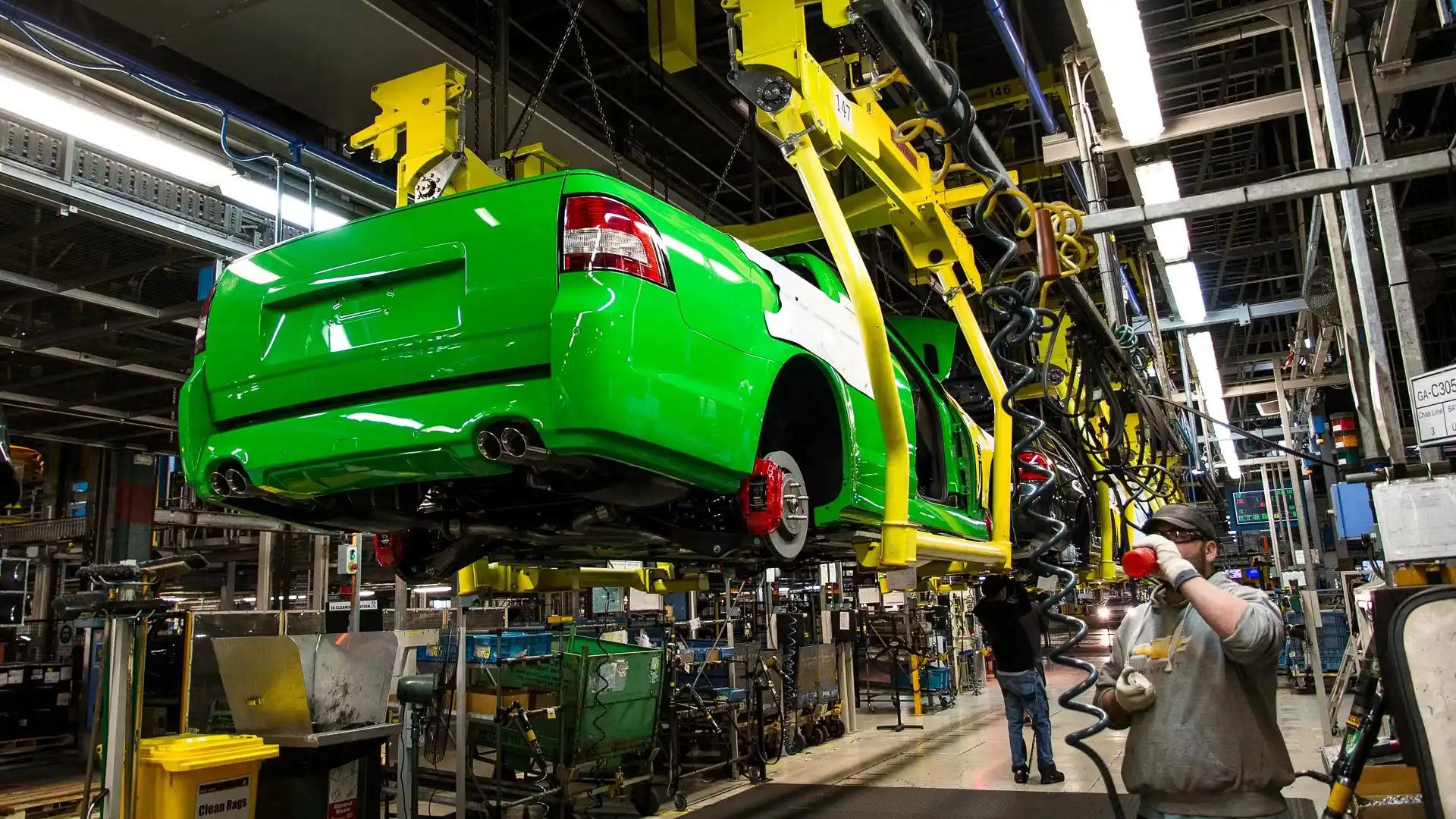
Australian car manufacturing closed in 2017 after Ford, Holden and Toyota all walked. The reasons were well documented at the time, and have not meaningfully changed. Figures cited by Ford at the announcement of its closure in 2013 placed Australian car manufacturing at roughly twice the cost of Europe and four times the cost of Asia.
That was driven by labour costs, low scale, and currency exposure. Free-trade deals signed in the years that followed with Japan, South Korea and China have made imported cars cheaper, deepening the gap. Today, many of Australia's cheapest cars come from China precisely because that supply chain is structurally less expensive than anything we could build here.
The Albanese pitch hinges on the idea that new technology has changed those economics. Quoted by the Herald Sun, he said new technology means that labour is less important than transport costs, and because technology is ubiquitous, it is available everywhere. Translated, that is an argument that automation and electrified powertrains could shrink Australia's wage disadvantage.
The Chery argument
Chery International president Zhang Guibing made a related case to Australian media including Drive last month, suggesting greater use of robots could close the cost gap. Maybe in the future, he said, when more and more robots can be working in the production line, and maybe the government need to modify the policy, I think the factory comeback is maybe also possible.
He was clear that it is not a one-brand problem. I think this is not dependent on one car manufacturer, Zhang said. I think it needs the whole system together, thinking it. That language matters. He is asking for policy support, supplier coordination and infrastructure investment, not just for Chery to bring a factory in cold.
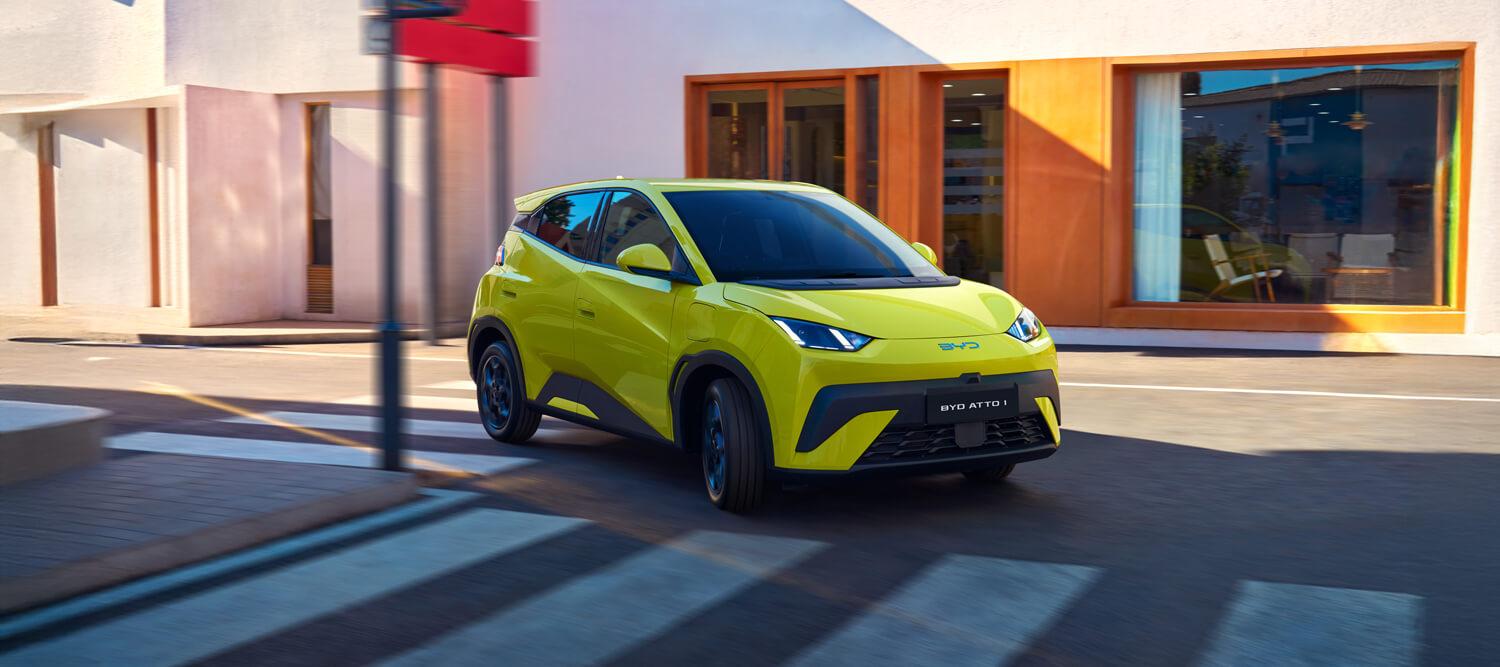
It is also worth noting Chery has not committed to building cars here, only signalled that the conversation is worth having. The brand currently imports vehicles like the Tiggo 4, Tiggo 7 and Tiggo 8 from China at prices Australian-built equivalents would struggle to match.
What Australia still has
The popular narrative is that Australian automotive expertise died in 2017. That is not quite true. Much of the engineering capacity that designed Ford Falcons has been redirected into engineering Ranger utes and Everest 4WDs for more than 180 markets worldwide, with that work still done in Geelong and Broadmeadows.
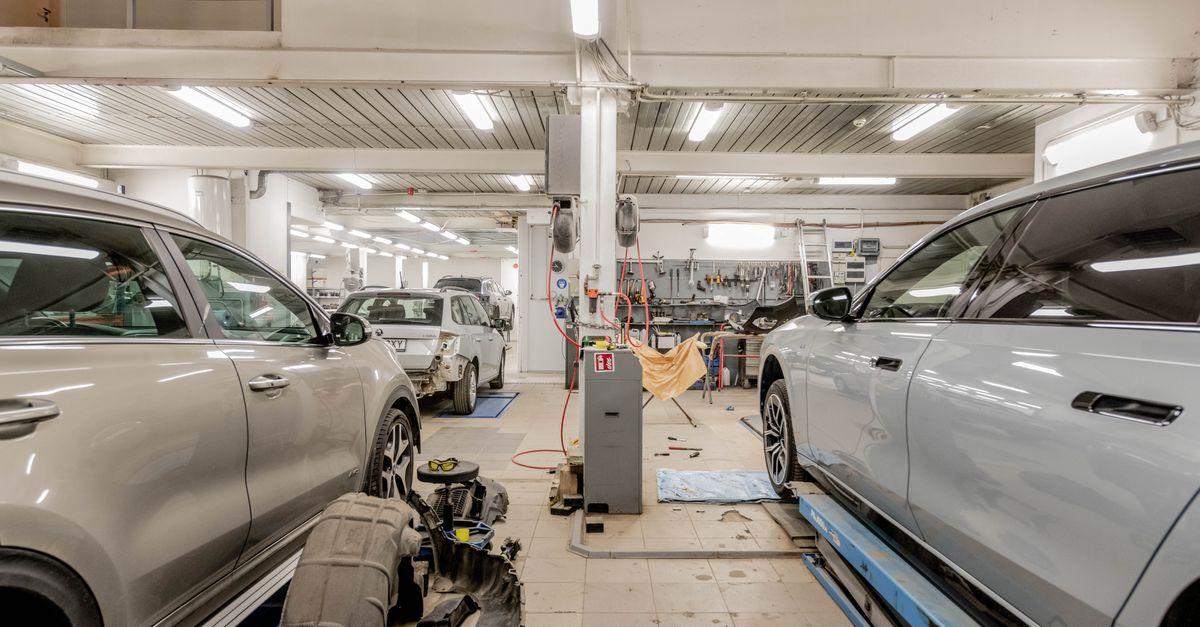
Local firms like Premcar and Walkinshaw use Australian expertise to develop off-road versions of popular utes. Walkinshaw, the former engineering firm behind Holden Special Vehicles, also remanufactures full-size Ram, Chevrolet and Toyota pickups from left to right-hand drive at its Melbourne facility.
Nissan Australia operates a casting plant in Victoria that produces parts shipped overseas for vehicles built in Japan and the UK. Premcar recently marked 10,000 Nissan Navara and Patrol Warriors produced in Melbourne. The skills base survived. The volume manufacturing did not.
The decline-of-manufacturing argument
Albanese also pointed to the decline of manufacturing as a share of Australian GDP, reportedly citing a drop from 14 per cent in 1990 to 5 per cent in 2025. He called that a lesson in dependence. We stepped back, the United States did as well, and we saw manufacturing go largely to China and Asia. That creates a vulnerability, and we need to use the capacity that we have to make more things here.
That is a defensible economic argument. Strategic supply chains do matter, and lithium and rare-earth resources in Australian soil could realistically feed local battery production. Tesla chair Robyn Denholm has previously made the same case, arguing Australia has the materials capability for EV manufacturing if the rest of the chain comes with it.
But making cars is not the same as making batteries. A battery plant is fundamentally a chemicals factory at scale, and Australia could host one with policy support. A vehicle assembly plant requires hundreds of supplier relationships, a logistics network, dealer partnerships and the ability to compete on retail price.
What would actually have to change
For Australia to host a viable vehicle assembly plant again, three things need to be true. First, scale. A new plant would need an export mandate, because the Australian domestic market alone is too small. Building 50,000 cars a year for Australia only does not justify the fixed cost.
Second, energy and labour cost. Robots have reduced the labour-cost premium, but our electricity prices for industrial users are still high by Asian standards. Closing that gap takes policy action on industrial energy, not just automotive support.
Third, supplier base. Major component suppliers left when Ford, Holden and Toyota left. Rebuilding that base requires anchor tenants willing to underwrite supplier setup costs. So far, no global brand has signed the necessary letters of intent.
Smaller-scale wins are realistic
A realistic short-term play is not a full assembly plant but battery, component and EV-conversion manufacturing. Applied EV in Victoria has received government funding to develop autonomous electric vehicles. Premcar and Walkinshaw are already doing local upfit and conversion work at meaningful scale.
Expand those operations, anchor a battery cell plant near lithium supply, and you have a credible industrial automotive base without the political risk of betting everything on a full assembly bet. That is the version of Albanese's pitch that has the highest chance of actually happening.
A full Holden-style brand revival is the version that gets political airtime but is least likely to land. The dollars and supply-chain commitments would be vast, and the political durability of those subsidies across multiple federal terms is uncertain.
What this means for Australian buyers
In the next five years, very little. Even if a battery plant is greenlit tomorrow, it would not change new-car pricing materially before 2030. Imported vehicles from China, Korea, Japan and Thailand will continue to define the Australian price ladder.
In the longer term, this discussion is significant for two reasons. It sets the policy frame for whether Australia treats automotive manufacturing as a strategic priority or a closed chapter. It also signals to global brands like Chery, BYD and Geely that there may be an appetite for cooperation, which could influence where they site future Asia-Pacific operations.
For Carseekers shoppers, the most useful read on this story is that no policy change announced today will affect pricing tomorrow. Buy the right car for your needs at the right price. The macro-industrial conversation matters, but it is not a reason to delay a purchase.
The Carseekers take
This is a worthwhile conversation to have, but a hard one to convert into actual factories. The economics that killed Australian car manufacturing in 2017 have not fundamentally changed. New automation helps, but not enough on its own.
The realistic path is battery and component manufacturing first, full vehicle assembly later if at all. We hope the policy conversation focuses on that achievable layer rather than a Holden-style nostalgic revival, which is more emotionally satisfying than economically viable. Carseekers will keep tracking the story as policy detail emerges from the Federal Government.
Considering finance for your next car? Loanseekers can help you explore car loan options.
The finer details
Your questions answered.
Is Australian car manufacturing actually coming back?
Not in the near term. Prime Minister Albanese has called for a revival, and Chery has signalled it would consider local manufacturing if policy supported it, but no brand has committed to building a vehicle assembly plant. Battery and component manufacturing is more realistic in the short term.
Why did Australian car manufacturing close in 2017?
Ford, Holden and Toyota left Australia between 2016 and 2017 because building cars here cost roughly twice as much as in Europe and four times as much as in Asia, driven by labour costs, low scale and currency exposure. Free-trade deals with Asia widened that gap further.
Could Australia build EVs more competitively than petrol cars?
Possibly, because automation and simpler EV powertrains reduce the labour-cost gap. Albanese argues new technology means labour is less important than transport costs. But Australia would still need lower industrial energy prices and a rebuilt supplier base to compete on retail price.
Does Australia still have automotive engineering capability?
Yes. Ford engineers in Geelong and Broadmeadows develop the Ranger and Everest for more than 180 markets worldwide. Premcar and Walkinshaw build performance and 4x4 versions of utes locally. Nissan operates a casting plant in Victoria. The skills base survived, but not the volume assembly capacity.
What would it take to build cars in Australia again?
Three things: scale, with an export mandate to justify fixed costs; lower industrial energy and labour costs, which need policy action; and a rebuilt supplier base anchored by a major brand willing to underwrite component manufacturing. So far, no global brand has signed the necessary commitments.
Will this affect new car prices in Australia?
Not in the next five years. Even a greenlit battery plant would not change new car pricing before 2030. The Australian market will continue to be defined by imported vehicles from China, Korea, Japan and Thailand for the foreseeable future, regardless of any manufacturing revival policy.