
Prime Minister Anthony Albanese has publicly backed a return to Australian car manufacturing, telling the Herald Sun there is "no reason why we can't make electric vehicles" here. He also took a swipe at the policy decisions that closed the local industry, saying "it's a pity we don't have Holden cars anymore".
Ford, Holden and Toyota all ended Australian production in the last decade, after the then-Liberal government axed the manufacturing subsidies that had kept the factories viable. The closure removed Australia's full vehicle assembly capability, but a smaller, less visible industry has quietly continued and even expanded.
What is actually being built in Australia
The Prime Minister's comments are politically interesting, but the on-the-ground reality of Australian car manufacturing has been changing without much fanfare. Two operations in particular are worth highlighting.
Walkinshaw, the former Holden Special Vehicles partner that built fast Holdens for decades, is now bigger than ever. The company runs a remanufacturing operation in south-east Melbourne, converting large US pick-up trucks from left- to right-hand drive at scale. Currently in production are the Ram 1500, the Toyota Tundra, and the Chevrolet Silverado.
Last year, Walkinshaw opened a 100,000 square-metre facility designed to house up to 1500 employees and capable of producing more than 20,000 vehicles annually. Walkinshaw Group CEO Ryan Walkinshaw described it as "one of the top-five largest manufacturing facilities in all of Australia, home to the most advanced engineering centre in the country, six-plus production lines and our Supercars championship racing team Walkinshaw Andretti United."
Nissan still operates a casting plant in Victoria. The South Dandenong plant has been running for 44 years and produces around 1.2 million die-cast aluminium parts and tow bars annually for local and export markets. The plant also produces components for Nissan's e-Power hybrid vehicles and its EVs sold globally.
Nissan Oceania Managing Director Steve Milette put it bluntly: "Innovation doesn't just happen overseas, the Nissan Casting Australia Plant demonstrates the depth of manufacturing expertise, skill and capability we have right here in Australia."
Why returning to full vehicle assembly is unlikely
Despite the PM's commentary, full new-vehicle assembly is unlikely to return to Australia at any meaningful scale. The economics that pushed Ford, Holden and Toyota out have not changed:
- Australian labour costs remain high by global manufacturing standards - The country is geographically isolated from major supplier networks - Transport costs for finished vehicles to overseas markets are prohibitive - Domestic market size (just over 1 million vehicles per year) is too small to justify volume production - Free trade agreements mean imported cars face minimal tariff barriers
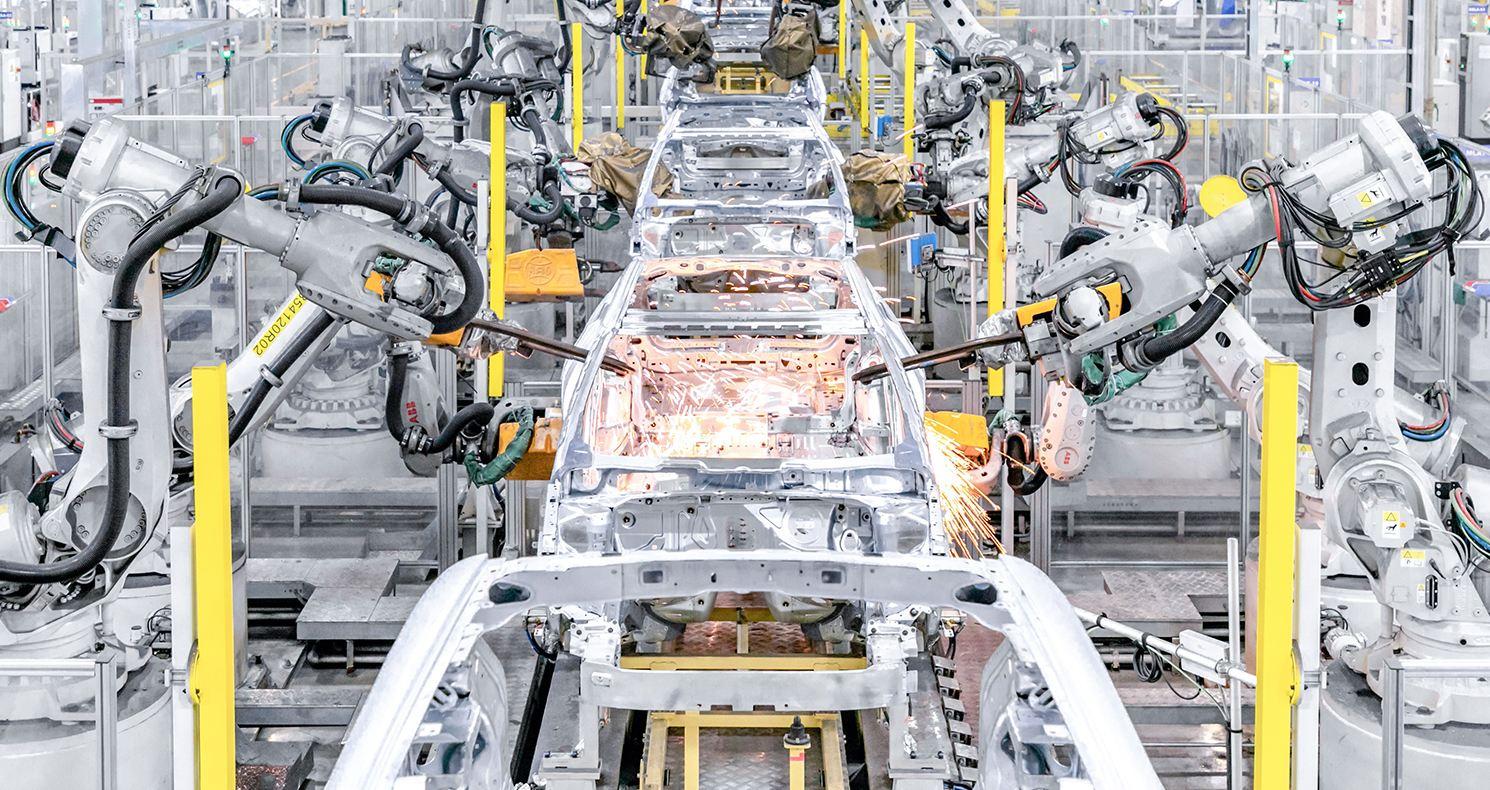
Electric vehicles do change some of the maths. EVs are simpler to assemble than internal-combustion cars, with fewer moving parts and less reliance on specialised supplier networks. But they require massive battery infrastructure, and Australia does not yet have a competitive domestic battery cell industry.
Where Albanese's commentary actually lands
The Prime Minister's specific framing is worth parsing. He said "at the very least, we can make parts and components, including batteries here." That is a more realistic target than full vehicle assembly. Australia has the raw materials (lithium, nickel, cobalt) and a research base that could support battery cell and battery pack manufacturing, particularly for grid-scale storage and EVs sold into the local market.
The federal government's recent moves to back local battery manufacturing through targeted subsidies and procurement preferences fit this direction. So does the New Vehicle Efficiency Standard, which is creating regulatory pressure on automakers to invest in low-emissions vehicle supply chains, including local component production.
What this means for Australian buyers
For buyers, the practical implications are limited in the short term. New cars sold in Australia will continue to be imported from Japan, Korea, China, Germany and Mexico, and the local industry remains a niche component-manufacturing operation rather than a full-vehicle assembly base.
The longer-term question is whether the federal government's push translates into:
- Battery pack assembly in Australia, which would lower EV costs for local buyers - Local component supply for global EV manufacturers, potentially creating more service-network and parts-supply resilience - Investment in EV-related skills training and infrastructure - A return of brand engineering centres (Ford and Toyota both retained engineering operations after closing factories)
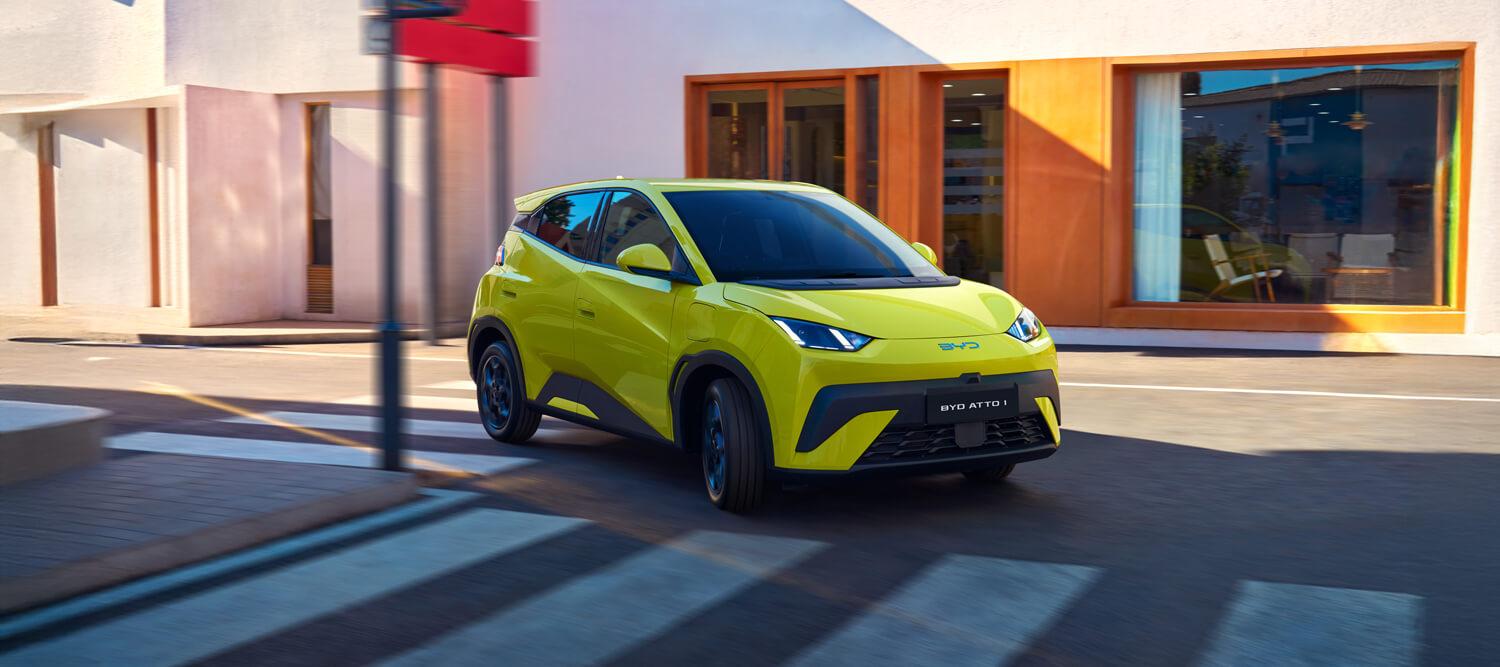
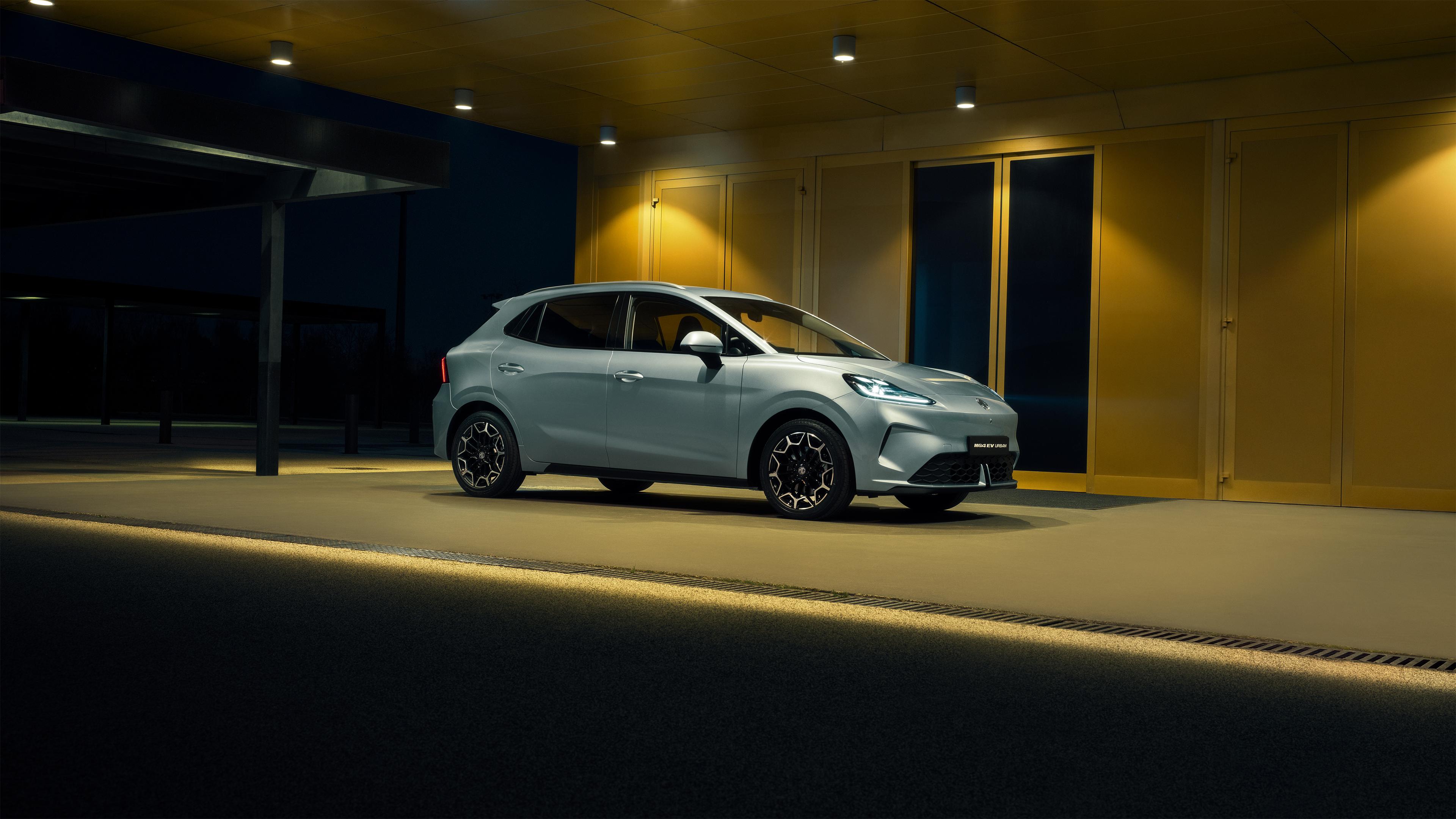
For anyone shopping for a new EV today, none of this materially affects pricing or availability. The current market remains dominated by Chinese-built BYDs, MGs and GWMs, Korean Hyundais and Kias, European Polestars and Audis, and US-built Teslas.
What we are watching
The key federal-level decisions to track are:
- Whether the government formalises battery manufacturing subsidies - Whether any major automaker commits to local assembly (highly unlikely but not impossible) - How NVES tightens in coming performance periods and whether that pulls more EV imports into Australia - Whether Walkinshaw expands beyond US pick-up remanufacturing into EV conversion
Carseekers will continue to track Australian manufacturing developments where they intersect with the new-car market. For now, the headline is that local manufacturing is alive but specialised, and the politics around reviving it is more about industry policy positioning than imminent showroom impact.
Considering finance for your next car? Loanseekers can help you explore car loan options.
The finer details
Your questions answered.
Will Australia start making electric vehicles again?
Prime Minister Anthony Albanese has publicly backed the return of Australian car manufacturing, with a focus on EVs and components. Full vehicle assembly is unlikely in the near term due to scale and cost issues, but battery and component manufacturing is more plausible and is the direction federal policy is pushing.
Is any car manufacturing still happening in Australia?
Yes. Walkinshaw remanufactures Ram 1500, Toyota Tundra and Chevrolet Silverado pick-ups from left- to right-hand drive at a large facility in south-east Melbourne. Nissan also operates a 44-year-old casting plant in South Dandenong producing aluminium parts and tow bars for local and export markets.
Why did Ford, Holden and Toyota stop building cars in Australia?
All three brands closed local production in the last decade after the federal government withdrew the manufacturing subsidies that had supported the industry. High labour costs, geographic isolation from supplier networks, transport costs, and the small Australian market made local assembly economically unviable without subsidies.
Where do most cars sold in Australia come from?
Australia imports new cars primarily from Japan, Thailand, Korea, China, Germany and Mexico. China has been growing rapidly as a source country with brands like BYD, MG, GWM and Chery. The United States remains a significant source for pick-ups, with right-hand-drive remanufacturing handled locally.
Could batteries be manufactured in Australia?
Australia has the raw materials needed for battery production, including lithium, nickel and cobalt deposits, plus established research capability. Federal policy is moving toward supporting domestic battery cell and pack manufacturing through targeted subsidies and procurement preferences, but a competitive industry has not yet been established.
How does the New Vehicle Efficiency Standard affect this?
The NVES sets CO2 emissions targets that get progressively tougher, which is pushing automakers to bring more EVs to Australia. It also creates regulatory pressure to invest in low-emissions supply chains. The standard does not directly mandate local manufacturing, but it shifts the economics in favour of producing components locally where it makes commercial sense.