
ANCAP 2026 Safety Changes: What They Actually Mean for New Car Buyers
Australia’s car safety standards are changing again, and the 2026 ANCAP update is one of the biggest shifts we’ve seen in years.
This isn’t just a small tweak to crash testing. ANCAP is now focusing on how cars perform in real-world situations, how driver assistance systems behave, and how vehicles respond before, during, and after a crash.
Here’s what actually matters.
The 4 Stages of Safety
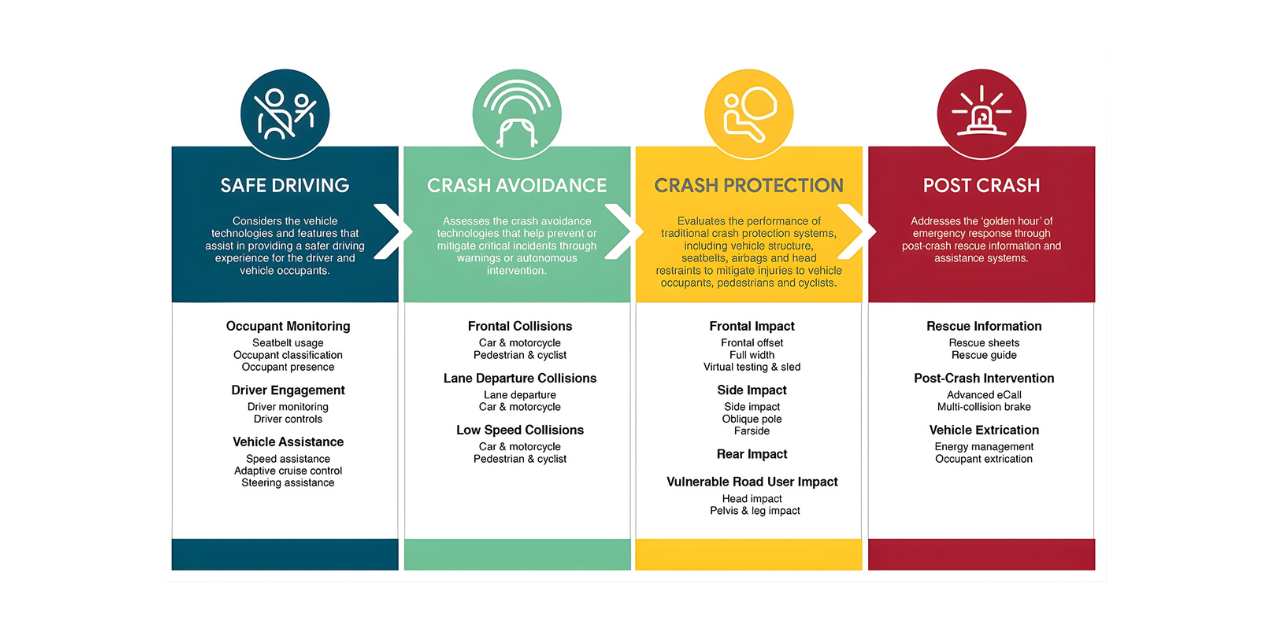
The new ANCAP system is built around four key pillars.
Safe Driving
Crash Avoidance
Crash Protection
Post Crash
Each category is scored out of 100 and contributes to a vehicle’s overall star rating.
This structure gives a more complete picture of safety, not just what happens in a crash, but how well a car helps you avoid one in the first place.
Safe Driving: It’s No Longer Just About Features
Previously, having driver assistance tech was enough. Now, ANCAP is testing how well it actually works.
This includes:
- How smoothly lane keeping systems operate
- Whether alerts are helpful or intrusive
- How easy it is for drivers to override systems
There’s also a new focus on preventing common mistakes, like pressing the wrong pedal. Some vehicles will now be assessed on their ability to detect and correct this in real time.
Bottom line: it’s not about having tech anymore, it’s about how usable it is.
Crash Avoidance: Smarter Prevention
Crash avoidance has been strengthened to better reflect real-world driving.
Vehicles are now tested more heavily on:
- Interactions with pedestrians and cyclists
- Lane departure scenarios
- Low-speed urban collisions
Autonomous braking, warning systems, and intervention timing all play a bigger role in scoring.
This is where modern vehicles are rapidly improving, and where buyers should be paying more attention.
Crash Protection: Tougher, More Realistic Testing
Crash testing itself has become stricter.
ANCAP is now using:
- More realistic crash scenarios
- Updated deformable barriers
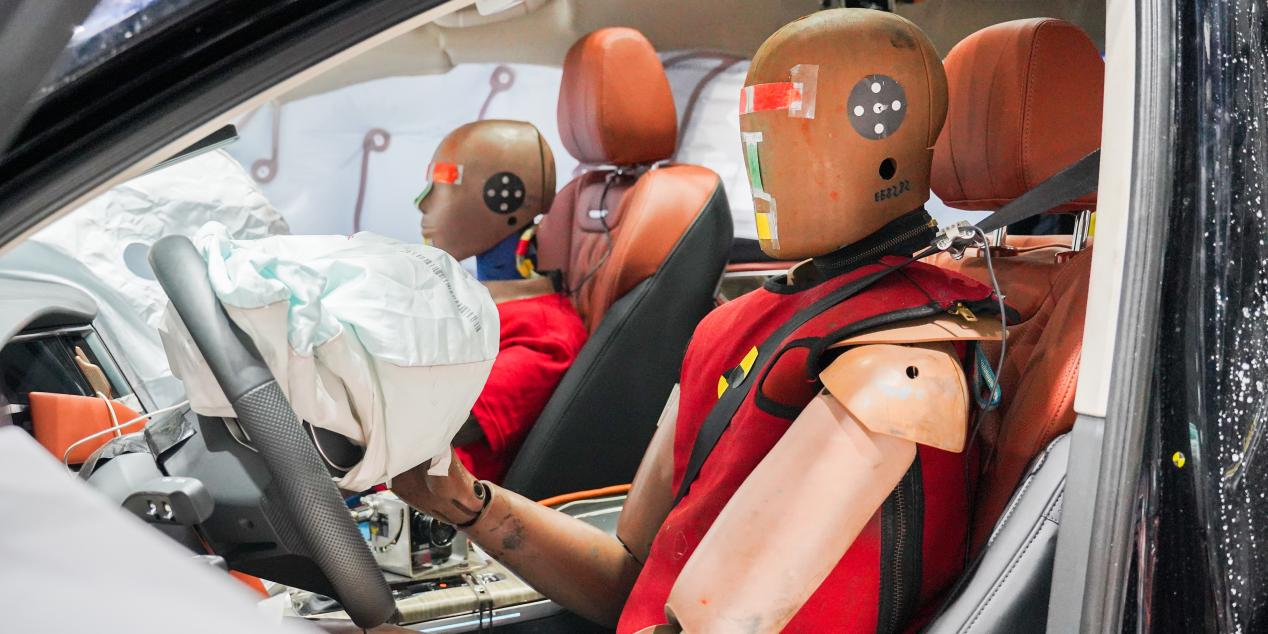
- A wider range of crash test dummies, including female and smaller occupants
There are also harsher penalties for poor performance. If a key safety structure fails, the score impact is significant.
This means not all 5-star cars will be equal under the new system.
Post Crash: What Happens After the Impact
This is one of the biggest upgrades in the 2026 system.
ANCAP now looks closely at how a vehicle supports emergency response after a crash.
This includes:
- Automatic emergency calling (eCall)
- Multi-collision braking
- Availability of rescue information for first responders
- Whether doors and systems still function after impact
The goal is simple: reduce response time and improve survival outcomes in the critical first hour.
New Focus: EV Safety and Emergency Response
With more electric vehicles on the road, ANCAP has introduced new considerations.
This includes:
- Battery fire risk
- Electrical hazards after a crash
- Clear rescue procedures for emergency services
This is a major shift and will become increasingly important as EV adoption grows.
Why This Matters for Buyers
The biggest takeaway is this:
Not all 5-star cars are created equal anymore.
The 2026 ANCAP system is designed to expose the difference between cars that simply pass tests and cars that genuinely perform in real-world conditions.
For buyers, this means:
- Better insight into how safety systems actually work
- More transparency across brands
- A stronger push toward genuinely safer vehicles
Final Word
Safety is no longer just about surviving a crash. It’s about avoiding it, reducing impact, and getting help faster if something goes wrong.
That’s exactly what the new ANCAP system is built to measure.
If you’re looking at a new car and want to compare safety properly while also getting the best possible price, Carseekers connects you with dealers competing to win your deal.
Considering finance for your next car? Loanseekers can help you explore car loan options.
The finer details
Your questions answered.
What has changed in ANCAP's 2026 safety testing protocol?
ANCAP's 2026 protocol places greater emphasis on real-world crash scenarios, driver distraction prevention technology, and how vehicles perform with vulnerable road users including cyclists and pedestrians at higher speeds. The updated standards are more demanding than 2022 and 2023 protocols, meaning older five-star ratings are not equivalent to new ones.
Are older five-star ANCAP ratings still valid in 2026?
Technically yes, but older ratings are not comparable to current ones. A five-star rating from 2019 was earned under less demanding tests than a 2024 five-star rating. When comparing safety ratings, always check the year of the test and prioritise cars tested under 2023 or newer protocols for the most relevant safety benchmark.
Which new cars have five stars under the 2024 or 2025 ANCAP protocol in Australia?
Models recently achieving five stars under updated ANCAP protocols include the Toyota RAV4 (updated spec), Hyundai Tucson, Kia Sportage, Mazda CX-5, and Volvo XC40. Check the ANCAP website (www.ancap.com.au) for the full current list, as ratings are added progressively throughout the year.
Does ANCAP test Chinese car brands in Australia?
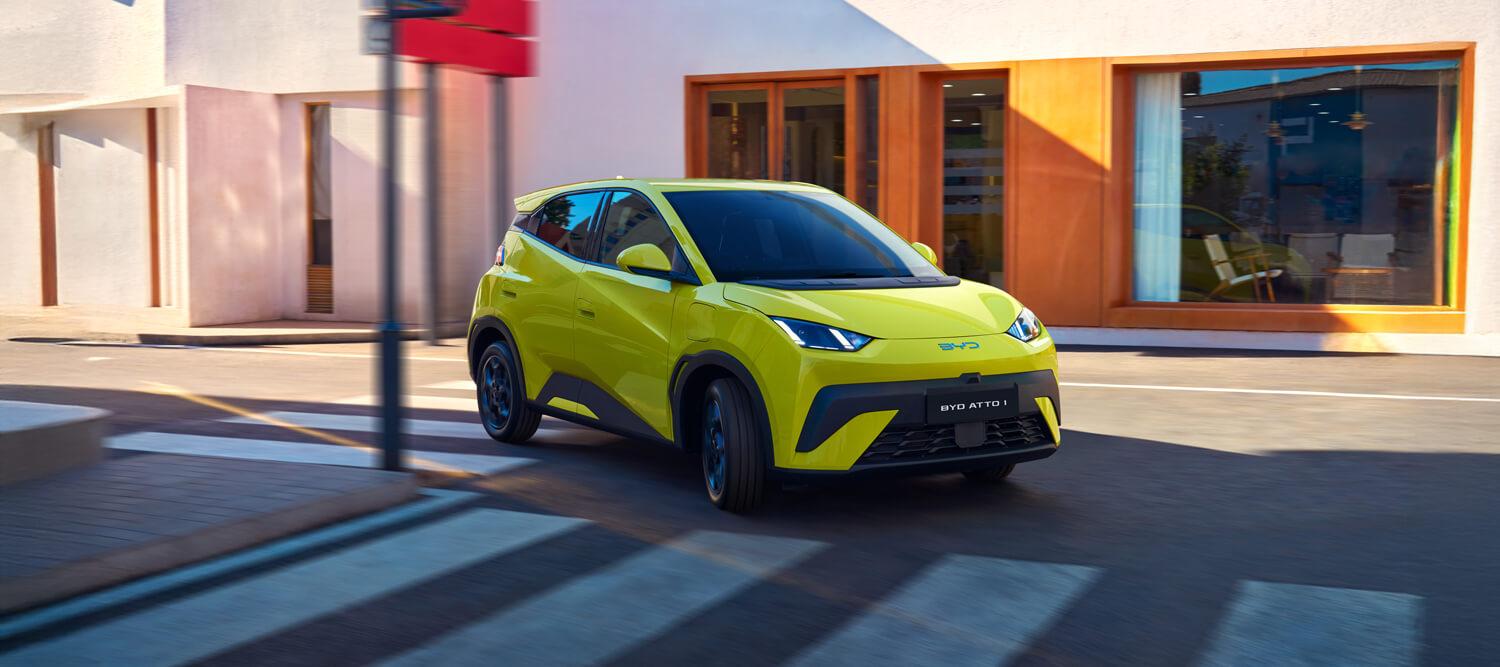
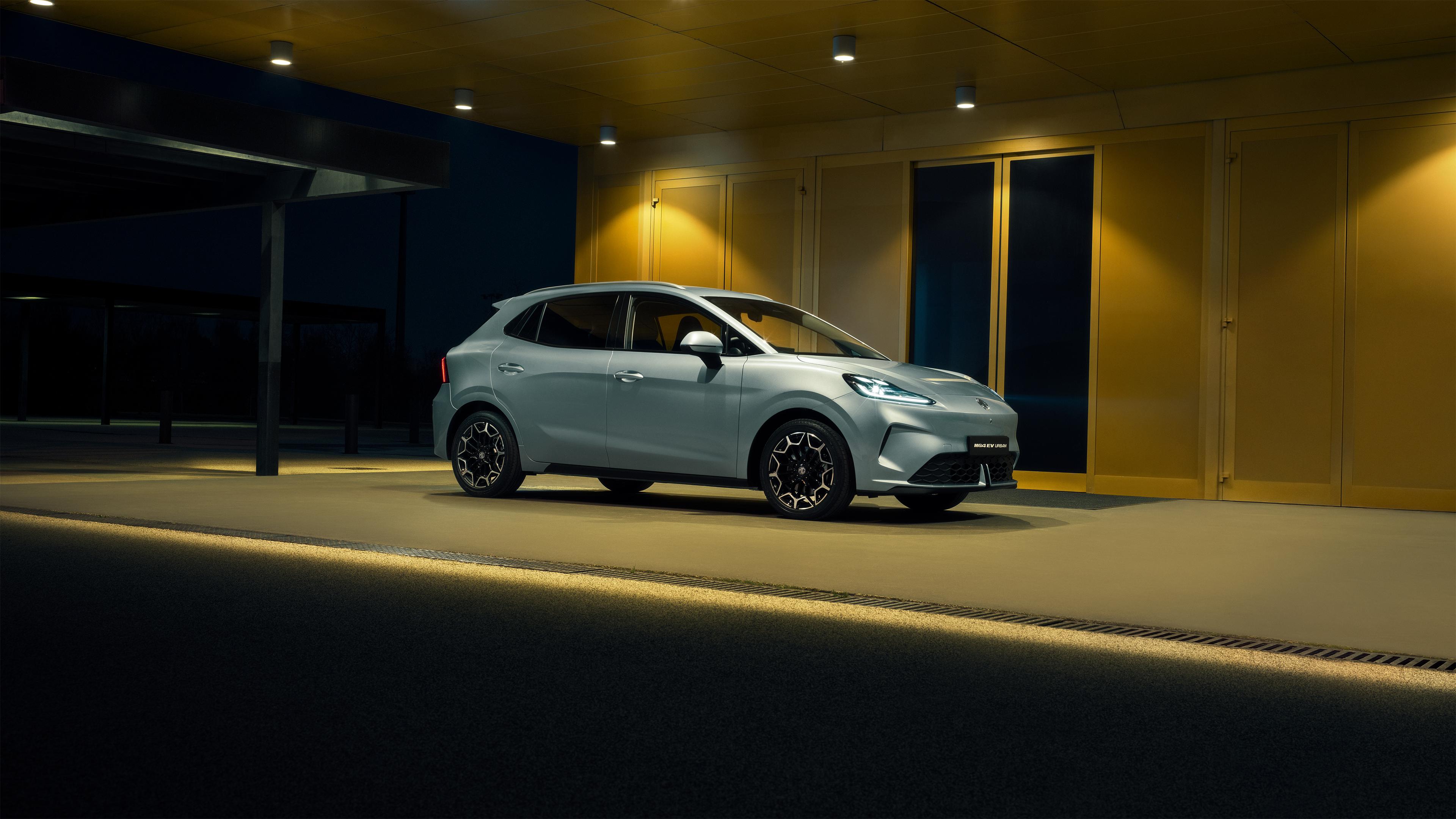
Yes. ANCAP has been testing Chinese-brand vehicles as they enter the Australian market. MG, BYD, and GWM vehicles have been tested with mixed results. Some achieve five stars, others score lower. Always check the specific model and year variant against ANCAP's published results before purchasing any Chinese-brand vehicle.
What does ANCAP's focus on driver distraction mean for new car buyers?
The 2026 ANCAP update scores how well a car's systems detect and respond to driver inattention. Cars with better intelligent driver monitoring (DMS) that detects drowsiness or phone use score higher. When choosing between similar models, a car with a camera-based driver monitoring system performs better under the new protocol than one relying only on steering wheel sensors.
Is a four-star ANCAP car significantly less safe than a five-star car in Australia?
Four-star cars still provide meaningful crash protection and typically include AEB and basic driver assistance. The gap between four and five stars under modern protocols is real but not catastrophic — both categories are substantially safer than cars built before 2018. The bigger safety gap is between post-2020 five-star cars and pre-2015 vehicles without AEB.