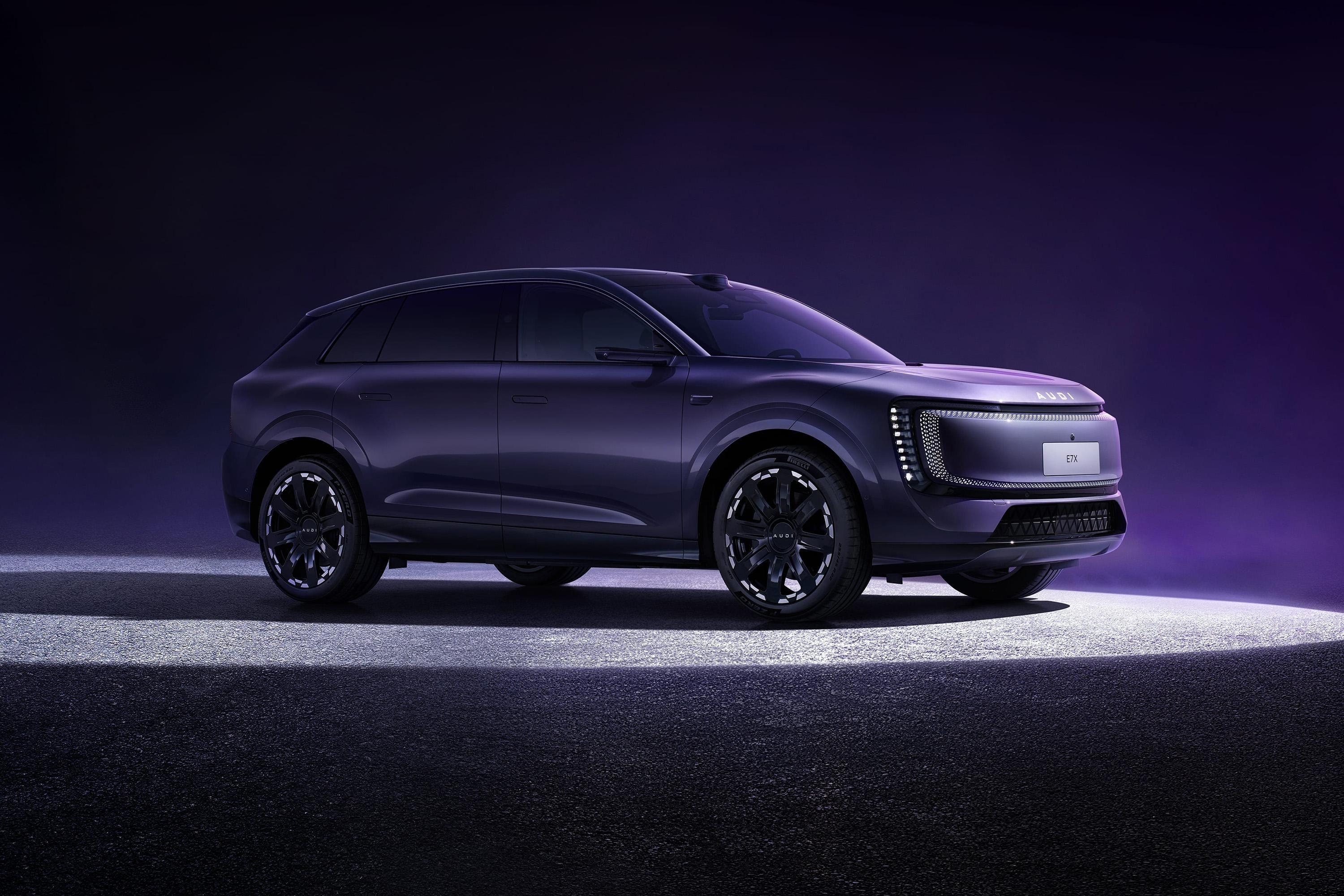
China is getting a new breed of Audi. Australia is not, and Audi's global sales chief has explained why.
What's Happening
Audi has confirmed it will not be bringing its Chinese market extended-range electric vehicles (EREVs) to Australia in the near term. The brand is actively developing and launching EREV products for Chinese buyers, but its global head of sales, board member Marco Schubert, has indicated that the technology rollout in other markets is guided entirely by local demand signals.
An EREV, for context, is different from a standard hybrid. It uses a petrol engine not to drive the wheels directly, but purely to generate electricity that charges the battery, which then powers the electric motors. It is effectively an electric vehicle with a built-in generator. The result is longer combined range than a pure battery EV, without the pure-EV infrastructure dependency.
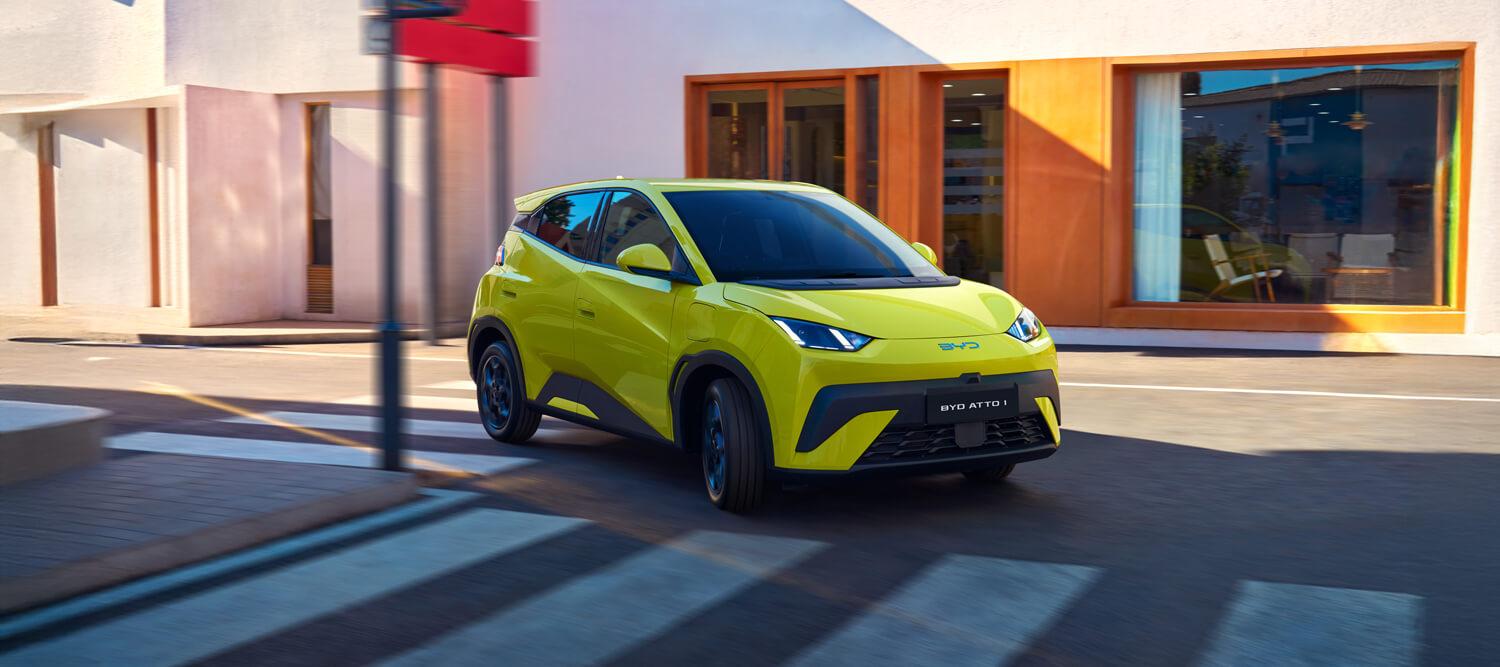
Chinese brands including BYD have been pushing EREVs into the Australian market with growing success. Audi is watching that development but has decided the current Australian demand profile does not justify adding EREV variants to its local lineup. The brand says it is evaluating the technology relative to market demand, and that the demand signals here are not yet strong enough to move it to the top of the product priority list.
Why This Matters for Buyers
If you are an Audi buyer who has been watching the EREV category develop and hoping for a premium German option, this confirmation is a setback. Audi will not be your EREV source in Australia in the short term.
The EREV category is particularly relevant for Australian buyers outside major metropolitan areas, where charging infrastructure remains inconsistent and range confidence is more important than in an urban setting. EREVs remove the charging anxiety problem entirely, which makes them functionally attractive even for buyers who are not ready to commit to a pure EV.
The fact that Audi is actively using this technology in China while withholding it from Australia is a product allocation decision, not a technology readiness issue. The vehicles exist. They work. Audi has simply determined that the Australian market will not generate sufficient volume to justify the investment in local homologation and launch at this point.
Timing Your Purchase
If the EREV powertrain concept appeals to you and you're shopping now, the German premium brands are not your current option. Chinese brands are ahead of the curve in this technology in the Australian market, and some of their EREV products are already available or arriving shortly.
For buyers committed to Audi specifically, watch the brand's Australian announcements across 2026 and 2027. If EREV demand growth in Australia continues to track in line with Chinese brand sales growth, Audi's position on this may shift faster than their current guidance suggests. Market share threats have a way of accelerating product decisions.
How to Use This to Your Advantage
If you are considering a Chinese brand EREV versus waiting for a premium European equivalent, use this confirmed absence as a decision point. Waiting for Audi or BMW to bring an EREV to Australia is a waiting game with no committed timeline. Acting on a product that is available now, from a brand with genuine Australian infrastructure, may serve your needs better than holding out.
If you are set on a premium badge and are willing to compromise on powertrain type, compare Audi's current Australian hybrid lineup against the EREV products that are available. In some use cases, a well-specced plug-in hybrid from an established premium brand delivers a comparable real-world outcome to an EREV.
For a structured comparison of what is currently available in the electrified premium segment, Carseekers can help you map the options against your actual driving needs before you commit to any one direction.
Final Word
Audi is building EREVs. Just not for us, not yet. If you want one now, the options are coming from China. If you can wait, keep watching. The competitive pressure may change Audi's mind sooner than their current position implies.
Considering finance for your next car? Loanseekers can help you explore car loan options.
The finer details
Your questions answered.
What is a range-extender EV and why is Audi making one for China?
A range-extender EV (EREV) uses a small petrol engine purely to generate electricity that charges the battery while driving, eliminating range anxiety without requiring petrol to directly drive the wheels. Audi is developing EREVs for China to address range concerns in that market. The technology is gaining traction globally as a compromise between PHEV and pure EV.
Will Audi's range-extender EVs come to Australia eventually?
Audi's head of global sales has indicated that EREV technology deployment in markets outside China is guided by local demand signals. Australia has not yet generated the demand signals Audi requires to justify a local EREV launch. This could change as Australian buyers become more aware of the technology's advantages.
What Audi EVs are available in Australia right now?
Audi's current Australian EV range includes the Q4 e-tron, Q8 e-tron, e-tron GT, and RS e-tron GT. All are pure battery electric vehicles. Audi also offers multiple PHEV variants of the Q7, Q8, and A6 in Australia for buyers who want plug-in capability without full EV commitment.
How does Audi's Chinese EREV compare to Chinese-brand EREVs like the Zeekr 9X?
Audi's EREV is in development and no specifications have been published for comparison. Chinese brands like Li Auto and Zeekr have been selling EREVs in China for several years with strong consumer acceptance. If Audi does bring its EREV to Australia, it would face direct competition from established Chinese EREV products.
Is a range-extender EV a good solution for Australian long-distance driving?
Yes, particularly for buyers who want EV-style urban driving without the anxiety of long country trips. An EREV allows you to drive on electricity most of the time while the petrol generator eliminates range constraints on longer runs. For Australian buyers in regional areas or those who do regular interstate driving, the EREV concept solves the main barrier to EV ownership.
What range-extender EV options are available in Australia right now?
As of mid-2026, Zeekr's EREV variants are among the first range-extender EVs being confirmed for Australia. The Zeekr 8X and 9X are expected to arrive with EREV drivetrains. Traditional PHEVs from Mitsubishi, Kia, and Hyundai offer similar range extension benefits at a less pure EV driving experience.