
China is officially the single largest source of new cars sold in Australia, but the headline hides a messy reality. Some Chinese brands are doubling their sales every quarter, others are bleeding share, and a clutch of newcomers cannot get a foothold despite aggressive pricing. For Australian buyers, the question is not whether Chinese cars are taking over the market, because they already have. The real question is which brands have the dealer support, parts supply and resale value to back up the showroom hype.
Carseekers has pulled apart the year-to-date VFACTS picture so you know which Chinese badges are actually worth shortlisting in 2026, and which ones might leave you with a stranded asset in three years.
BYD has gone from challenger to threat
BYD is now Australia's second-best-selling brand on a monthly basis, with year-on-year volume up 110.8 per cent to 25,243 units. That growth is not driven by one model either. The Sealion 7 all-electric family SUV has surged 324.2 per cent to 6248 registrations, making it the second-most popular EV in the country behind the Tesla Model Y on 6719 sales.
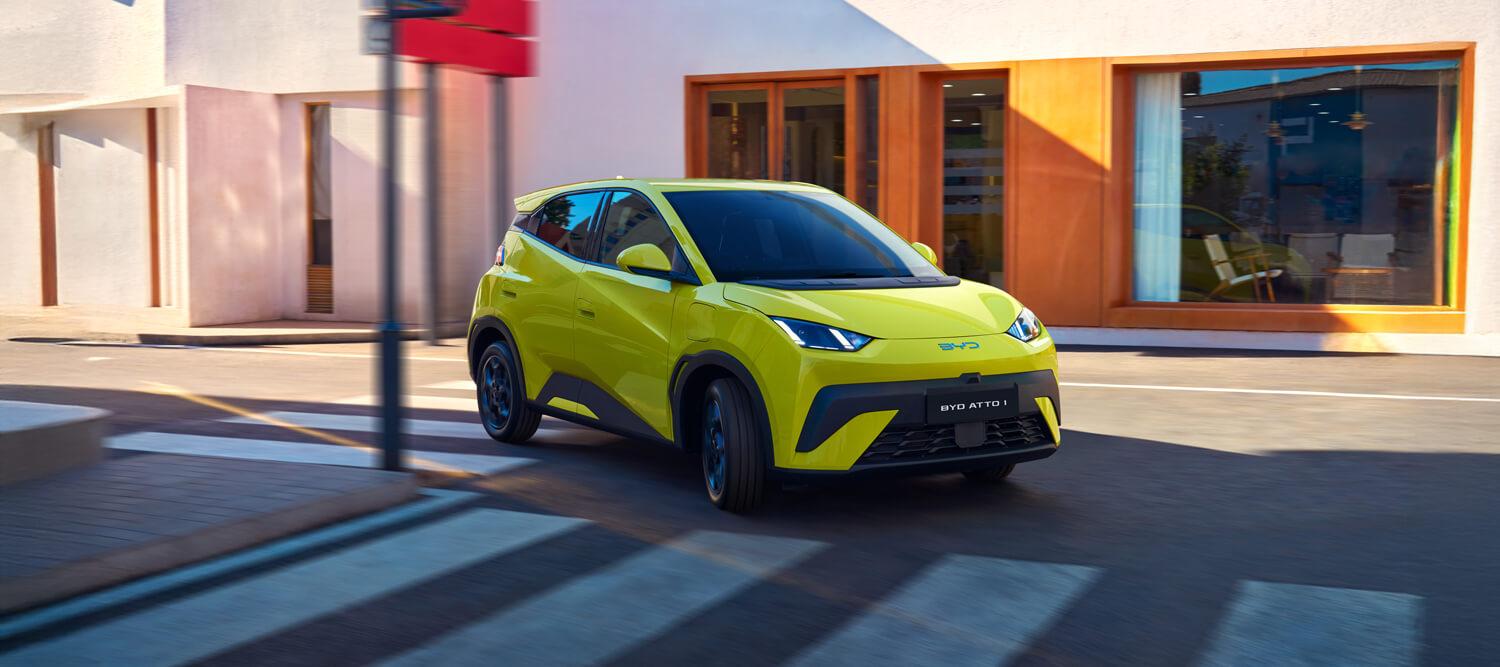
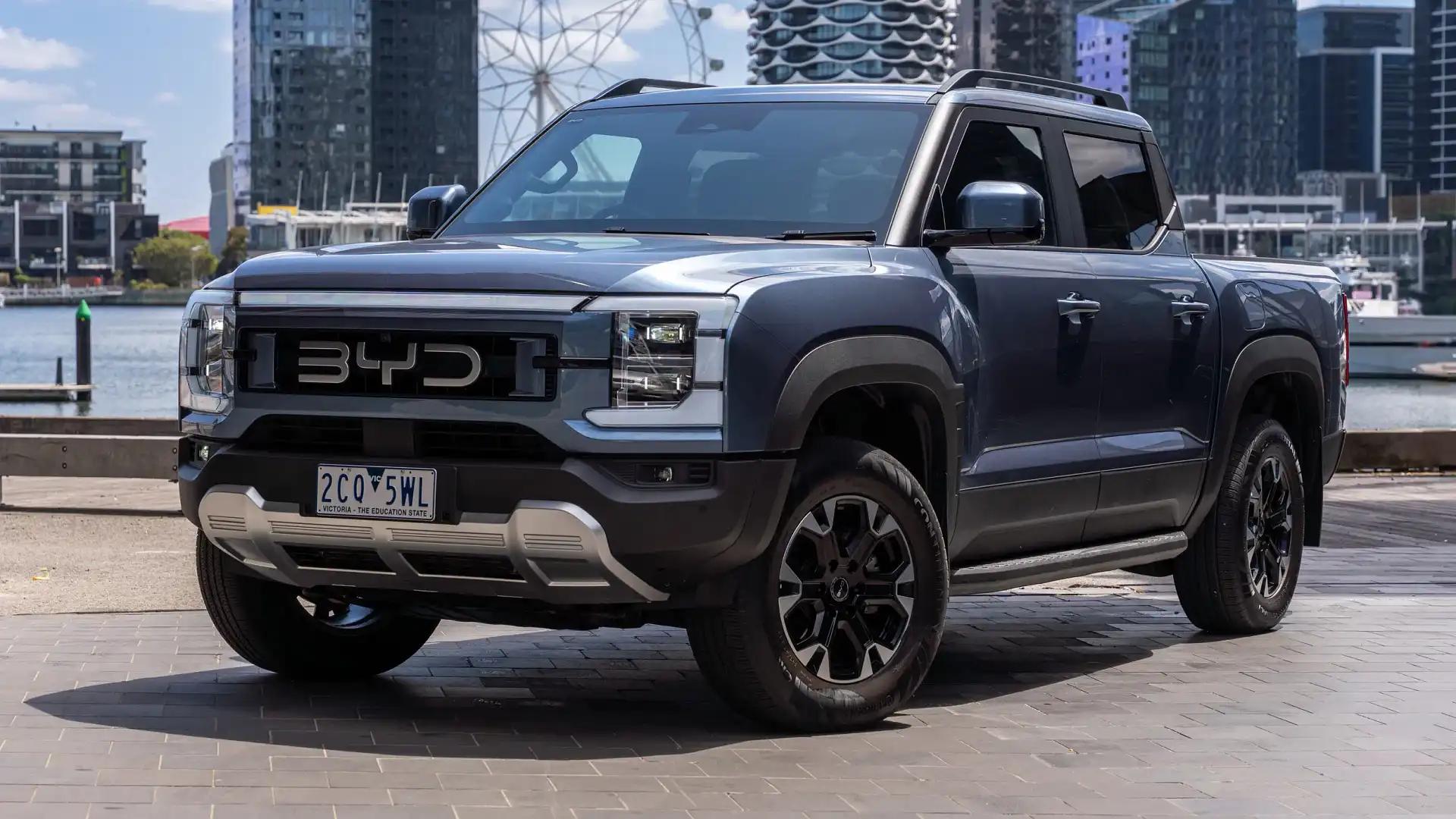
The Dolphin, Atto 3 and Seal are also climbing, and new arrivals including the Atto 1, Atto 2, Sealion 5 and Sealion 8 are starting to add real volume. The only soft spots in the line-up are the Sealion 6 plug-in hybrid (down 2.8 per cent) and the Shark 6 ute (down 20.9 per cent to 4851 sales), with the Shark expected to bounce back when a cab-chassis and a higher-towing flagship arrive later this year. For buyers, BYD has crossed the threshold where dealer network density, parts availability and resale value start to look closer to a Mazda or Kia than a risky import.
Denza is the premium play that actually works
BYD's premium sub-brand Denza has only been on sale for a few months and has already moved 1131 units across two models, with the Toyota Prado-rivalling B5 SUV doing the heavy lifting at 729 sales. The bigger B8 is on 394, and even the niche D9 people mover has registered eight sales out of the gate.
That 1131 figure already more than doubles Genesis's 464 over the same period, putting Denza on track for around 3400 sales by year end. If you are shopping for a large premium SUV and have been quoted six-month wait times by European dealers, Denza is the unlikely option that is actually in stock. The pricing on a Denza B5 also undercuts most Europeans by tens of thousands of dollars, which makes the warranty pitch much easier to swallow.
Chery is winning by going small
Chery has lifted sales 92.4 per cent year-on-year, almost entirely on the back of the Tiggo 4 small SUV. With 9186 sales so far, the Chery Tiggo 4 Pro is now the best-selling small SUV in the country, comfortably ahead of the Mazda CX-3 and Toyota Corolla Cross.
That success has carried into spin-off brand Omoda Jaecoo, where the J5 has already registered 1845 sales. The risk with Chery is identical to the BYD risk five years ago, which is that the dealer network is still building out. Buyers in major metro areas have multiple service options, but regional Australians should ask about loan cars and service intervals before signing.
Geely's launch is one of the fastest in years
Geely is up 842.8 per cent year-on-year, which sounds wild until you remember it is rebuilding from a low base after relaunching with the Geely EX5 electric SUV. The brand is now adding the Starray EM-i PHEV with an extended-range battery, which suggests Chinese owner Geely is serious about Australia as a long-term play rather than a tariff dodge.
For buyers, Geely is the highest-risk, highest-reward bet on the list. The EX5 is sharp on price and well equipped, but resale value is unproven and the dealer footprint is thinner than BYD or GWM. Wait two more years and the picture will be clearer.
Zeekr is small but punching above its weight
Zeekr has built early momentum almost entirely on one model. The Zeekr 7X mid-size SUV is now significantly outselling the brand's other two models, the 009 people mover (59 sales) and the X small SUV (81 sales). That concentration is a double-edged sword for buyers, because it means dealer service training and parts logistics are likely strong on the 7X but thinner for stablemates.
If you are cross-shopping a Zeekr 7X against a Kia EV6 or a Tesla Model Y, the value equation is real, but make sure you understand the warranty terms and whether your nearest dealer is a full-service site or a satellite showroom.
MG has stalled, and that matters
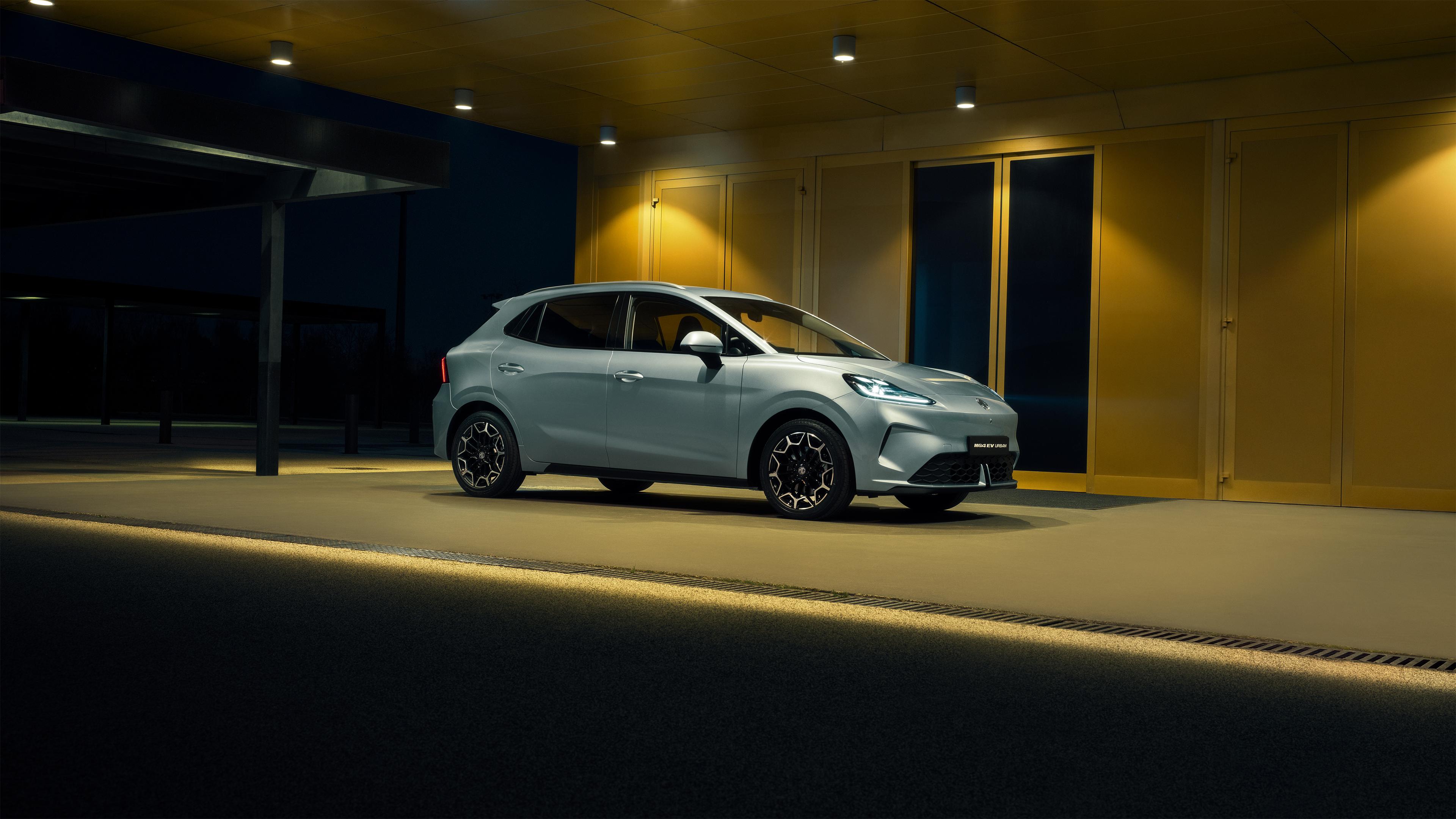
MG was the leading Chinese brand in Australia until BYD overtook it, and the brand is now down 1.6 per cent year-on-year to 14,273 units. The MG3 and MG4 are softening, with newer launches including the QS large SUV, U9 ute and S5 EV expected to plug the gap.
A plateau is not a collapse, and MG still has the strongest dealer network of any Chinese brand in Australia. But the lesson for buyers is that Chinese-brand momentum is not permanent, and you should not pay a premium based purely on a 'fastest-growing' headline. The MG resale story is still better than most newcomers, but the brand is no longer the discount darling it once was.
The brands that are clearly struggling
Not every Chinese brand is winning. JAC is down 55.2 per cent year-on-year, with just 359 sales for its T9 ute. A Hunter plug-in hybrid is on the way to take on the BYD Shark 6, which should help, but right now JAC is a brand under serious pressure. LDV, which sells utes, vans and people movers, has shed 13.1 per cent to 4172 sales despite launching the Terron 9.
Newcomers Foton (429 sales), Deepal (423), and Farizon (74) have all failed to gain meaningful traction. For buyers, these are brands to avoid unless you can negotiate substantial discounts and are willing to accept the resale risk if any of them exit the market. XPeng is also active in Australia through TrueEV but does not report sales to VFACTS, which makes its market position impossible to verify.
What the winners share that the losers don't
The Chinese brands gaining ground in Australia all have three things in common. They have a clear lead model that is competitive on price and equipment, they have built out a dealer network with at least 30 sites nationwide, and they have committed to a multi-year warranty that buyers actually trust. BYD, GWM, MG and Chery all tick those boxes. Geely is on the way. Zeekr is close.
The brands that are struggling tend to launch with one or two niche models, lean on a thin distributor network, and assume that aggressive launch pricing alone will win share. It does not. Australian buyers are smarter than that, and dealer service quality matters more than a cheap headline price.
What this means if you are buying right now
If you are shopping a Chinese brand in 2026, the safest plays are BYD (volume and parts certainty), MG (network density), Chery in the Tiggo 4 Pro or Tiggo 7 Pro, and GWM in the Cannon Alpha or Tank 500. Geely and Zeekr are credible if you understand the resale uncertainty. Everything else carries enough risk that Carseekers recommends only buying with a steep discount and a clear written warranty position.
Whichever badge you land on, resale value is the one number that is hardest to predict with a newer Chinese brand, and it can quietly undo an attractive drive-away price. Finance comparison site Savvy has published a car depreciation comparison that weighs how models from BYD, Chery and MG hold their value against non-Chinese rivals, which is worth a look before you sign.
The Chinese brands have proven they can sell cars in Australia. The next two years will prove which ones can support them at scale.
Considering finance for your next car? Loanseekers can help you explore car loan options.
The finer details
Your questions answered.
Which Chinese car brand sells the most in Australia in 2026?
BYD is now Australia's second-best-selling brand overall and the country's largest Chinese marque, with 25,243 sales year-to-date and growth of 110.8 per cent on the same period last year. The Sealion 7 SUV is its single biggest model and the second-best-selling EV nationally behind the Tesla Model Y.
Are Chinese cars safe to buy in Australia?
Yes, the established Chinese brands like BYD, MG, Chery and GWM all meet Australian Design Rules and most carry full five-star ANCAP ratings. Dealer networks for these brands now rival mainstream Japanese and Korean players. Newer entrants like Foton, Deepal and Farizon are riskier, mainly because of thin service support and uncertain resale value.
Which Chinese brand is best for resale value?
MG and BYD currently hold their value best because both have large enough dealer networks and high enough sales volumes to support a healthy used market. Newer brands like Zeekr, Deepal and Foton have not been on sale long enough for resale data to stabilise. Avoid paying full retail on a brand with fewer than 5000 annual sales unless you plan to keep the car long term.
Why is MG losing market share in Australia?
MG's two volume models, the MG3 and MG4, are both softening as newer rivals from BYD, Chery and GWM offer more equipment and sharper pricing. MG is responding with the QS large SUV, U9 ute and S5 EV, plus the premium IM5 and IM6, but the brand has lost its first-mover advantage. It is still a credible choice on the strength of its dealer network and warranty terms.
Is the BYD Shark 6 still worth considering?
Yes, despite a 20.9 per cent sales dip the BYD Shark 6 remains one of the most competitive dual-cab PHEV utes on price. The dip is being driven by buyers waiting for a cab-chassis variant and a higher-towing flagship that are due soon. If your towing needs are within the current Shark 6's capacity, it still undercuts the Ford Ranger PHEV on price.
Should I buy from a struggling Chinese brand like JAC or Foton?
Only if you can negotiate a meaningful discount and are willing to accept resale risk. JAC, Foton, Deepal and Farizon are all selling at very low volumes, which raises questions about long-term parts support and dealer survival. Carseekers recommends sticking to BYD, MG, Chery, GWM, Geely or Zeekr unless the discount on a struggling brand is large enough to absorb the depreciation risk.