Australian buyers have spent two years watching Chinese brands undercut everything in sight. That window is starting to close.
New reporting out of China, picked up across the local motoring press, makes it plain: the price war that pushed dozens of Chinese brands into Australia at aggressively low sticker prices is no longer sustainable. Margins have shrunk to the bone, raw materials are climbing, and global supply chain pressures are stacking up at the same time.
For anyone shopping a Carseekers deal on a Chinese-built EV, hybrid or SUV right now, this is the moment that matters. The cheap pricing you see today is unlikely to be the cheap pricing you see in six months.
Why Chinese pricing got so aggressive in the first place
China produced around 35 million new vehicles in 2025 and overtook Japan as the world's largest car producer. But its actual production capacity sits closer to 55 million. That 20 million-vehicle overhang is roughly the size of the entire US new-car market in a year.
When factories sit half-empty, the maths gets ugly fast. Brands respond by cutting prices to keep production lines moving, then cutting them again as competitors match. The result over the past 24 months has been one of the most aggressive price wars in modern automotive history. It is also why Australian buyers have been getting a Toyota RAV4-sized SUV from a Chinese brand for the price of a small Korean hatchback.
The margin maths no longer adds up
Profit margins on new vehicles built in China dropped to 3.2 per cent in the first three months of 2026, against an average of 6.0 per cent across all enterprise types in the country. That is a brutal number for any business, let alone one with billions tied up in tooling and factories.
At the same time, supplier costs are rising on multiple fronts. Lithium carbonate, the core raw material for EV batteries, has more than doubled in the past year. Aluminium, steel, plastics and rubber are all up. So is digital memory, which goes into every modern car's infotainment and ADAS systems. Crude oil pricing has pushed shipping costs higher, which compounds at every step of the supply chain.
The pattern shows up at the top of the global pile too. Toyota, the world's biggest automaker by volume, has just posted its third straight year of declining profit. Its operating margin fell from 10 per cent to 7.4 per cent. Prices on the Toyota HiLux, Toyota RAV4 and LandCruiser 300 Series all went up in Australia.
Why no Chinese brand wants to blink first
The Sohu report behind the latest analysis captures the standoff neatly. Suppliers are pushing for higher prices. Automakers know that if one of them raises sticker prices, a rival will undercut them and steal share. So everyone holds the line and absorbs the squeeze internally.
That is now showing up in quiet ways. NIO chief executive William Li flagged in April that the brand had quietly trimmed its reservation incentives, moving from a 2000 yuan deposit counting as 5000 yuan toward the purchase price to a 1000 yuan deposit counting as 3000 yuan. That is not a price rise on paper. It is a real-money increase for anyone signing a contract.
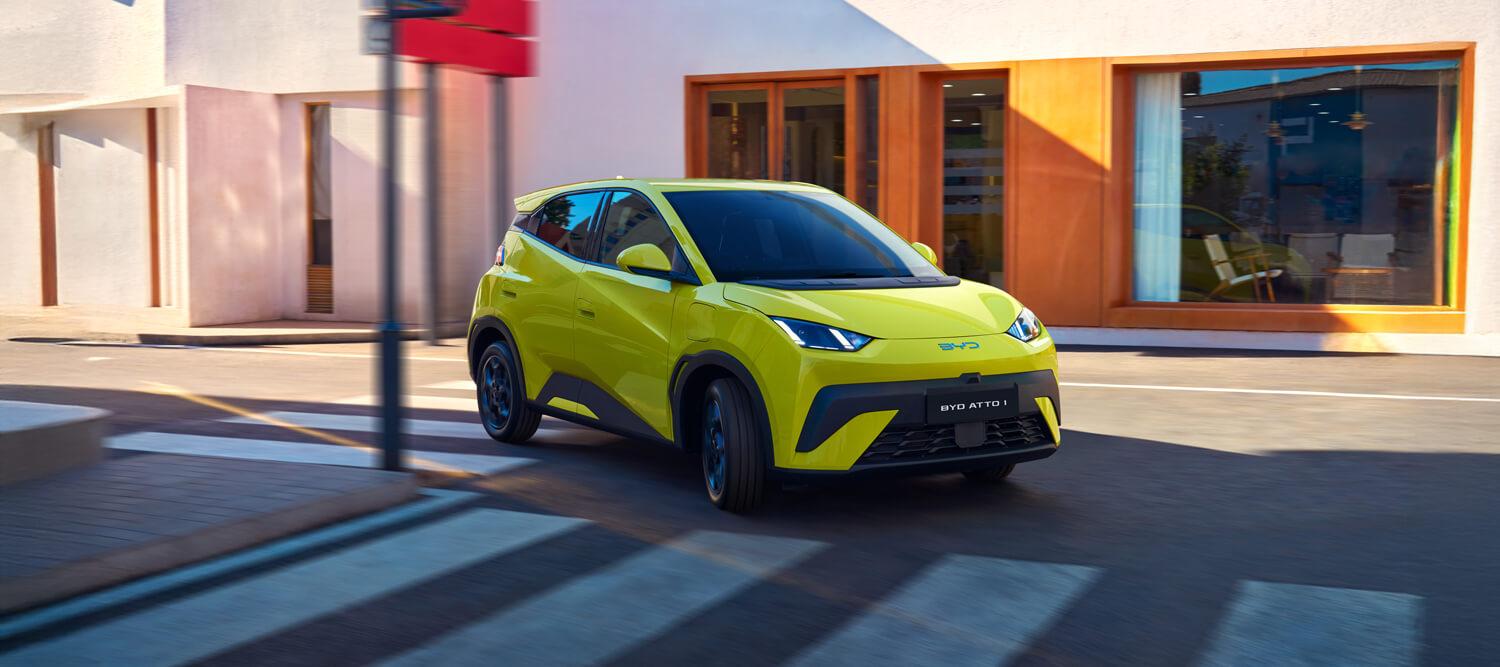
BYD, the largest player by volume and a brand that now matters enormously to Australian showrooms, has already increased the price of some options this month. BYD has the scale to absorb cost pressure better than most. Smaller Chinese brands do not.
The Australian flow-on: smaller discounts, fewer giveaways
This matters in three ways for anyone walking into a Chinese-brand dealership in Australia right now.
First, the deepest drive-away deals that have been advertised through 2025 and into 2026 are unlikely to be repeated. Brands that were prepared to lose money on the first wave of cars to build market share now need each sale to actually contribute to the bottom line.
Second, the negotiation room a dealer principal has on a Chinese EV or hybrid is shrinking. When the importer's own margin is paper-thin, there is less fat in the deal for the dealer to share with a haggling buyer.
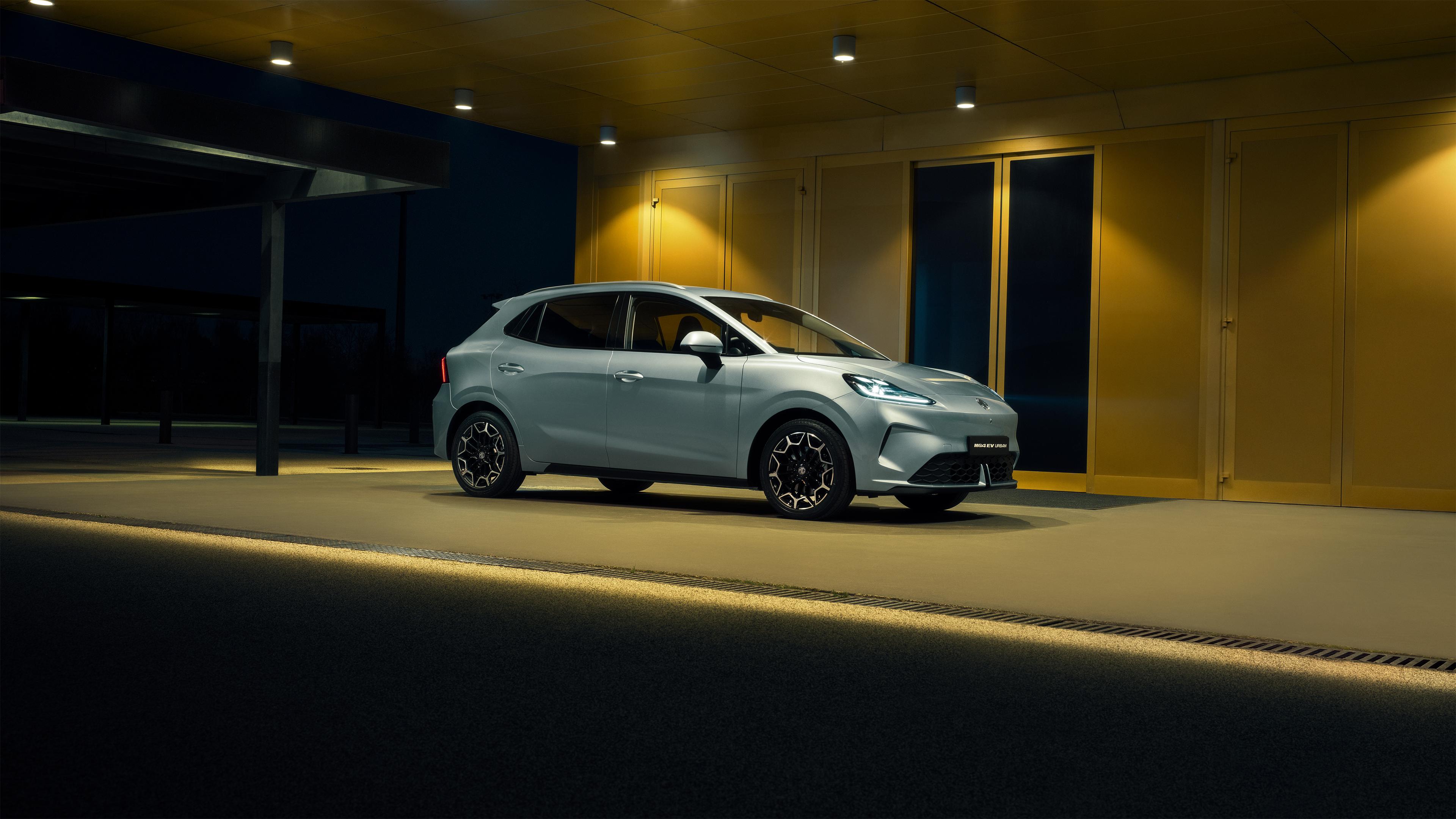
Third, expect new model launches to land at higher sticker prices than the cars they replace, even when the spec is similar. The next-generation BYD Atto 3, Hyundai Kona Electric rivals from MG, Chery and GWM, and the rapidly expanding Chinese ute segment will all reflect the new cost environment.
What about the legacy brands?
The other side of this coin is the established players. Toyota, Mazda, Ford, Subaru and the European manufacturers have not enjoyed the same margin compression as Chinese rivals, because they were not running at loss-making prices to begin with.
If Chinese pricing rises and the cost gap closes, the value proposition of a Toyota RAV4 Hybrid against a Chinese plug-in equivalent looks different. The same is true on utes: a Ford Ranger is still a long way from a BYD Shark 6 on price, but the gap that pushed buyers toward the Chinese option will narrow if those Chinese prices start drifting up.
This is also why some legacy brands have been holding the line on RRPs rather than chasing the Chinese pricing race to the floor. They knew it was not sustainable. The market is now proving them right.
What dealers will and will not tell you
This is the part that matters at the showroom. Most dealers know perfectly well that the importer is under pressure. They will not lead with it. The conversation will stay focused on what is on the lot today, what colour you can have, and how soon you can drive away.
What you will not hear from a Chinese-brand dealer right now is that 2027-build cars are likely to be more expensive. What you will not hear from a Toyota or Kia Tasman salesperson is that the competitive pressure from China is easing, and so their willingness to discount may also ease in coming months.
If you are within three months of a purchase decision, the strategic move is to push hard now on the model and grade you actually want, rather than waiting for a better deal that may not come.
The end of the zero-mileage workaround
One quieter detail from the Chinese reporting matters too. Authorities in China moved in mid-2025 to outlaw so-called zero-mileage cars: vehicles produced by Chinese automakers and recorded as sold domestically to meet local manufacturing quotas, then shipped overseas and resold as used vehicles.
That practice was helping inflate Chinese export volumes and was indirectly supporting the discounting cycle by keeping factories running flat out. Removing it puts further pressure on real export volumes, and on the pricing of legitimate new cars heading to markets such as Australia.
What buyers should do this quarter
A few things are worth holding in mind.
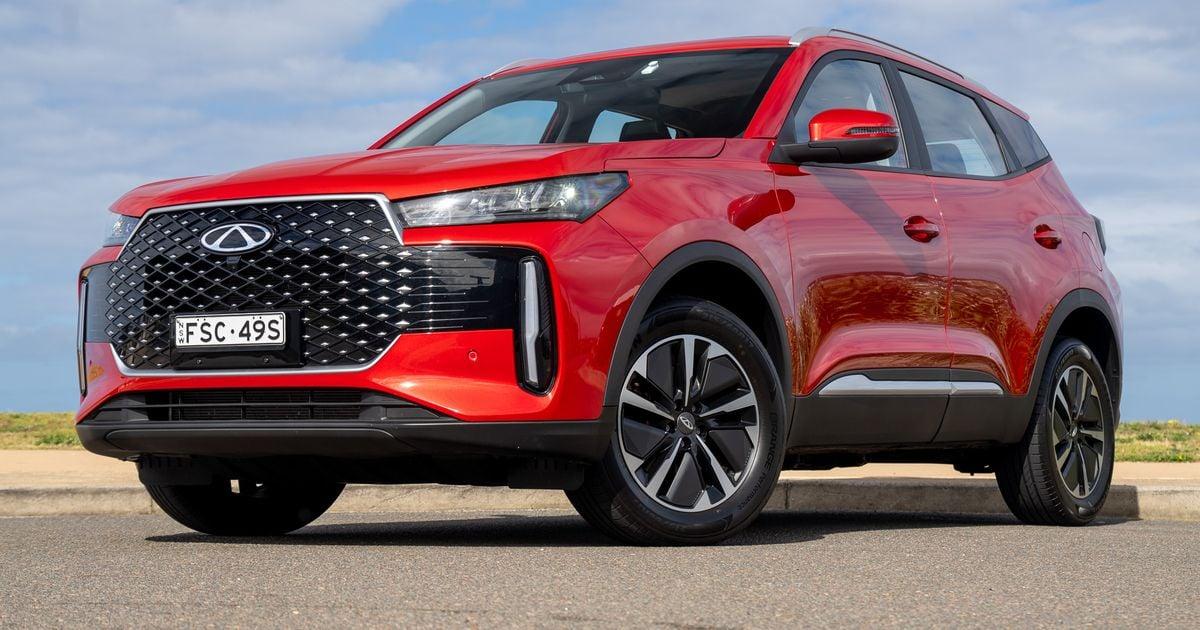
First, the biggest savings on Chinese-brand EVs and PHEVs are likely behind us, not ahead. If you have been waiting to see how much cheaper a BYD Sealion or a Chery Tiggo can get, the answer may already be in front of you.
Second, end of financial year run-out stock from the 2025 calendar build will probably be the last batch where the original aggressive launch pricing still applies. Anything carrying a 2026 build plate is increasingly likely to reflect higher costs.
Third, the long-term competitive landscape in Australia is going to look more rational. Chinese brands will still be cheaper than European and Japanese equivalents on a like-for-like spec basis. They will not be giving cars away.
The smart move now is to treat the current Chinese pricing on showroom floors as a window that is closing, not a trend that keeps going. The factories in China cannot lose money forever, and the people writing cheques in Shanghai have stopped pretending otherwise.
For anyone weighing a Chinese-brand purchase, the Carseekers comparison and buyer tools are the fastest way to lock in what each dealer is actually willing to do this week, before the next round of price adjustments shows up.
Considering finance for your next car? Loanseekers can help you explore car loan options.
The finer details
Your questions answered.
Are Chinese cars going to get more expensive in Australia?
Yes, slowly. Profit margins on Chinese-built cars have dropped to 3.2 per cent and raw material costs are climbing. BYD has already lifted some option prices in May 2026, and other brands are quietly trimming reservation incentives. Sticker prices in Australia are unlikely to fall further and will more likely drift up through late 2026 and into 2027.
Why are Chinese car prices rising now?
Lithium carbonate has more than doubled in price over the past year, and aluminium, steel, plastics and digital memory chips are all up. Add in higher shipping costs from rising crude oil and the cost base for every Chinese-built car has shifted. Margins are too thin to absorb it indefinitely.
Should I buy a Chinese-brand EV now or wait?
If you are within three months of a purchase decision, buy now. The deepest drive-away deals on cars like the BYD Atto 3, MG S5 EV and Chery Tiggo 4 are already at or near their floor. Waiting for further cuts is no longer the safe bet it was 12 months ago.
Does this affect Toyota, Mazda and Ford pricing too?
Indirectly. Legacy brands have held firmer on RRP because they were never running loss-making pricing. As Chinese prices drift up, the competitive pressure on Toyota, Mazda and Ford eases, which means less willingness to discount. The whole market is firming.
Will BYD remain Australia's cheapest EV option?
BYD is large enough to absorb cost pressure better than most rivals, so it will likely stay competitive at the entry point. But the era of BYD cutting prices repeatedly to grow share is fading. Expect stability rather than further reductions on models like the Atto 3, Sealion 6 and Shark 6.
What is a zero-mileage car and why does it matter?
Zero-mileage cars are vehicles produced in China, recorded as sold domestically to meet quotas, then exported and resold as used. Chinese authorities outlawed the practice in mid-2025. Removing this loophole reduces inflated production volumes and puts further pressure on real new-car pricing for export markets including Australia.