
There's a persistent belief among buyers that modern safety technology is one of the main reasons new cars cost more than they used to. Euro NCAP has pushed back hard on that idea.
What's Happening
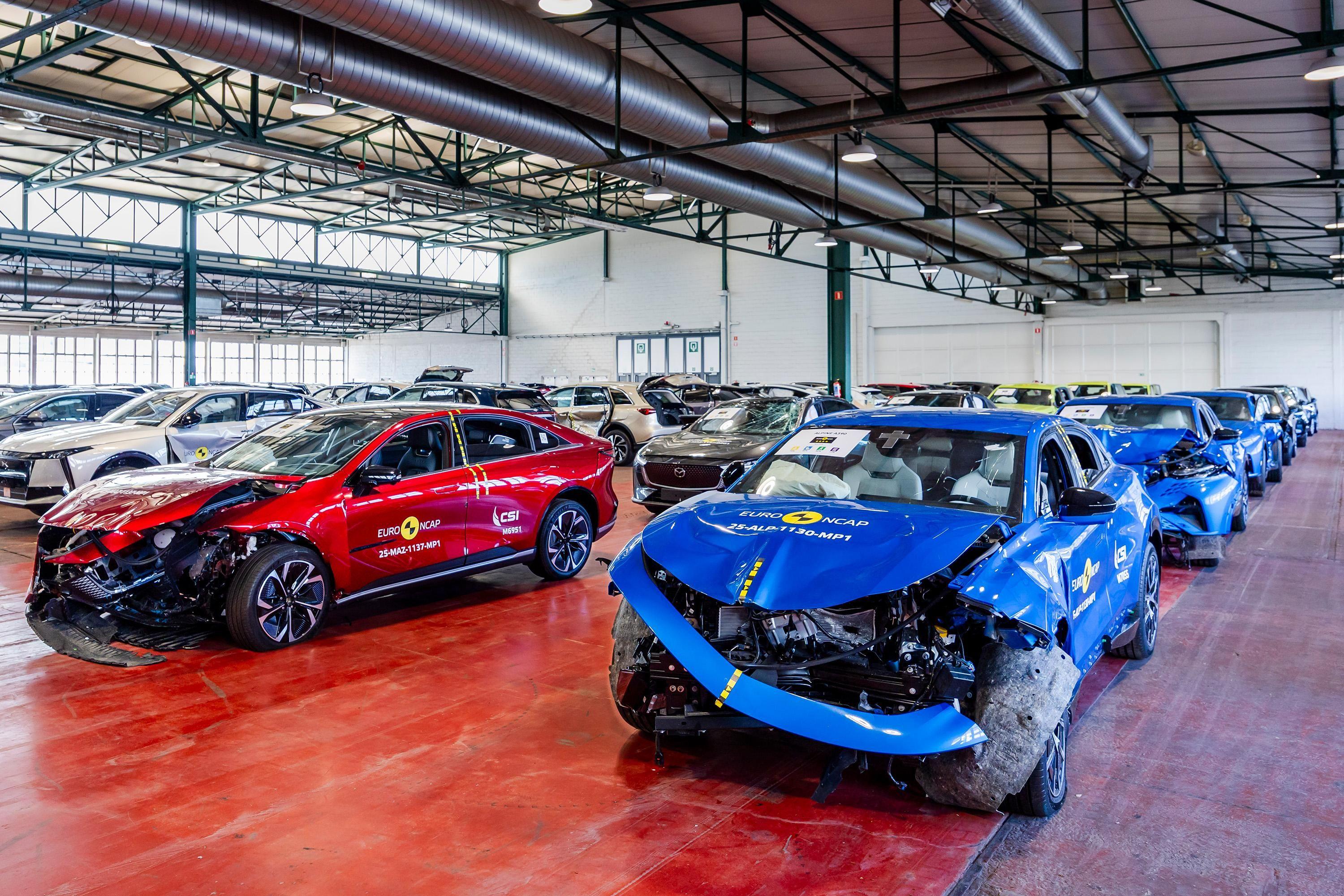
Euro NCAP, the independent body that conducts crash testing and publishes safety ratings across Europe and Australia through ANCAP, has stated publicly that mandatory safety technology is not the primary driver of new car price increases.
Speaking at a media event in Europe, Euro NCAP secretary general Dr Michiel van Ratingen made it clear that the presence of safety equipment does not automatically translate into a higher retail price. The marketing and commercial decisions made by each manufacturer have far more influence on what ends up on a car and at what cost.
Euro NCAP technical director Richard Schram added important context: while safety tech isn't inherently expensive, some manufacturers are making a deliberate choice to target lower star ratings. The Dacia brand in Europe was cited as an example, with the company openly pursuing three-star ratings rather than five, as a way to control costs at the budget end of the market.
This is not a failure of the safety system. It is a conscious commercial decision. Brands are choosing where to position themselves on the safety spectrum based on the customers they are targeting.
Why This Matters for Buyers
This changes how you should think about safety ratings when buying a new car. A lower star rating does not always mean a dangerous car, but it does mean the manufacturer chose not to invest in the technology required to achieve a higher score.
When comparing two similarly priced new cars where one has a five-star ANCAP rating and another has three stars, the gap is not purely about cost. It reflects different priorities from the manufacturer. The five-star car likely has more advanced autonomous emergency braking, better lane-keeping systems, and more sophisticated occupant protection structures.
For Australian buyers, ANCAP ratings remain one of the most reliable independent tools for comparing safety across different brands and models. The scoring criteria have become more demanding in recent years, which means a five-star result today is significantly harder to earn than one from five years ago.
Timing Your Purchase
If safety is a priority, don't assume a new model year automatically means a safer car. Manufacturers are updating specifications constantly, and some safety features get added mid-cycle rather than at launch.
Check the ANCAP website to confirm when the current rating was awarded and under which test protocol. An older five-star result tested under less demanding criteria may not reflect how the car would perform under today's standards.
How to Use This to Your Advantage
Use ANCAP ratings as a filter, not just a talking point. When a dealer promotes a five-star safety rating, ask which year the test was conducted and whether the specific variant you're looking at was the one that was tested. Some manufacturers test top-spec variants and the result applies across the range, while others have tested specific configurations.
Ask whether the model has been updated since the rating was awarded. If the car received a facelift or specification change, the safety tech may have been altered. If you want help comparing safety ratings across competing models, Carseekers can cut through the noise and give you a straight answer.
Final Word
The cost of safety tech is coming down. The question is whether your next car's manufacturer chose to pass that saving on to buyers, or simply chose not to bother chasing five stars at all.
Considering finance for your next car? Loanseekers can help you explore car loan options.
The finer details
Your questions answered.
Does mandatory safety technology actually make new cars cost more in Australia?
Euro NCAP and ANCAP have both argued that mandatory safety technology is not the primary driver of new car price increases. Their data shows that safety systems have become cheaper as they are adopted at scale, and that the main drivers of price increases in recent years have been supply chain costs, labour, raw materials, and currency movements.
What safety technology is now mandatory on new cars in Australia?
Australia's mandatory safety requirements include ADR-standard requirements for airbags, seatbelts, and structural protection. ANCAP-rated models beyond the minimum standards voluntarily include AEB, ESC, and lane assistance. No Australian law currently mandates AEB or advanced driver assistance, though most brands include it as standard to achieve competitive safety ratings.
Is a five-star ANCAP rating important when buying a new car in Australia?
Yes. A five-star ANCAP rating under the current 2023 or later protocol is the clearest signal that a car includes modern AEB, lane assistance, and pedestrian detection. Stars from pre-2018 tests are not comparable. Always check the year of the ANCAP test alongside the star rating.
Which new cars in Australia have the best safety ratings in 2026?
Models that have achieved five stars under the 2023 or 2024 ANCAP protocol include the Toyota RAV4 (updated spec), Hyundai Tucson, Kia Sportage, Mazda CX-5, and Volvo XC40. New models tested in 2025 and 2026 under the updated protocol are the most current. Check the ANCAP website for the latest ratings before purchasing.
Is ANCAP testing the same as Euro NCAP testing?
ANCAP aligns its testing protocols with Euro NCAP and conducts independent testing of Australia and New Zealand-specific models. The star ratings and test methods are comparable, meaning a car with five stars from ANCAP meets the same standard as a five-star Euro NCAP result from the same test year.
Why have new car prices increased so much in Australia if safety tech isn't the cause?
New car prices in Australia have been driven higher primarily by global supply chain disruptions from COVID-19, semiconductor shortages, rising steel and aluminium costs, and currency depreciation against the US dollar and euro. Dealer markups during the supply shortage period of 2021 to 2023 also reset price expectations upward in many segments.