The 2026 Federal Budget has finally drawn a line under Australia's biggest EV incentive era. The Fringe Benefits Tax exemption that has put more than 100,000 electric vehicles on Australian roads since 2022 is being wound back from April 2027. Buyers chasing the novated lease tax break now have a clear deadline.
For everyone else watching from the petrol pump, the Budget also delivered a temporary halving of fuel excise to soften the blow of rising global oil prices, plus a new $40 million package for regional and kerbside EV charging. The combined effect is a transition Budget: less generous on direct EV subsidies, more focused on infrastructure and the long-term tax base.
What changed with the FBT exemption
The Albanese government introduced the FBT exemption in 2022. Under the current rules, eligible battery-electric and hydrogen-powered vehicles obtained through a novated lease are exempt from Fringe Benefits Tax. The exemption typically saves a buyer on a $65,000 EV between $5,000 and $12,000 a year, depending on salary band, lease length and provider fees.
Under the 2026 Budget, the exemption is being wound back in stages from April 2027. Premium EVs above $75,000 will lose part of the exemption first. The wind-back then widens progressively until all EVs lose access by 2029. Treasury expects the move to recover about $1.9 billion over five years as pressure mounts on federal revenue following the fuel excise cut.
Plug-in hybrids are not part of this change. PHEVs lost their FBT exemption eligibility in April 2025 and remain excluded.
Why the government is winding it back
Two forces have pushed Treasury to act. First, the cost of the program has grown faster than forecast. Each year more buyers move to novated leasing because the savings have been so substantial, and the cost to the federal budget has climbed past predictions. Second, the temporary fuel excise cut announced in the same Budget has reduced government revenue from the road system, leaving Treasury looking for offsets.
Industry has broadly accepted the wind-back as inevitable, but is pressing the government to keep the momentum of EV uptake going through other means. The Federal Chamber of Automotive Industries and the Electric Vehicle Council have both argued for a clearer national charging plan and a more transparent emissions standard to replace the FBT incentive over the medium term.
Charging infrastructure investment
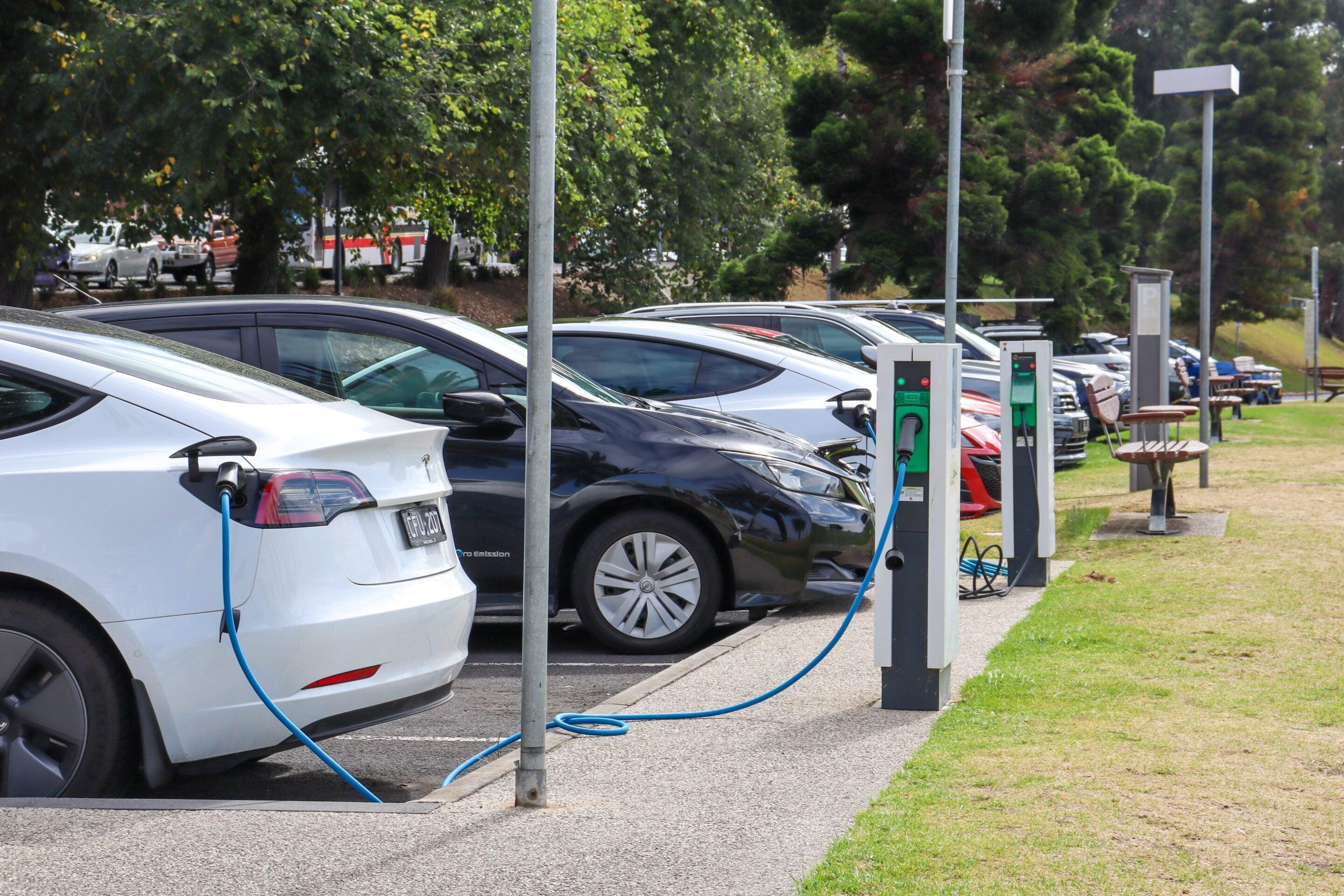
The Budget commits $40 million over four years to regional and kerbside EV charging. The focus is the two groups currently most under-served by Australia's charging network: apartment residents without garage charging, and regional motorists outside the metro hubs.
Kerbside chargers are the missing piece for urban renters and apartment owners. Without a home wall-box, an EV becomes significantly more expensive to run because public DC fast charging often costs more than 50 cents per kWh, and even AC pole-mounted chargers run 30 to 40 cents. The new federal funding is intended to seed networks of slower kerbside AC chargers that residents can plug into overnight.
A separate $40.5 million goes to Australia Post to electrify its delivery fleet. That money does not flow directly to private buyers, but it does anchor demand at depot-style charging hubs that may later open for public access during off-peak hours.
No federal road-user charge yet
The Budget stopped short of introducing a national distance-based charge for EVs, despite years of debate about replacing fuel excise as combustion sales fall.
Victoria's earlier attempt at a state-level EV road-user charge was struck down by the High Court. Other states paused their own plans. The federal government has now declined to step in, citing legal and constitutional complexity, plus political cost.
This matters for buyers in two ways. First, there is no new charge to factor into running cost projections for the next financial year. Second, expect the debate to return in 2027 or 2028 once fuel excise has fully reverted and the revenue gap widens. EV owners should not assume the current zero road-user charge regime will hold forever.
Fuel excise cut explained
The Budget also includes a temporary halving of fuel excise as part of a fuel security package. This responds to rising global oil prices linked to Middle East instability and pressure on shipping routes through the Strait of Hormuz.
The discount applies automatically at the bowser. For a typical 60-litre fill, the saving is around $14 to $16 per tank, depending on local pump pricing. For a petrol car driven 15,000km a year at 8 litres per 100km, the annual saving runs roughly $400.
It is temporary. Treasury has flagged the full excise will return once fuel security pressures ease. That is most likely in 2027 to 2028, but the exact date depends on global conditions.
What buyers should do right now
If you are considering an EV purchase through novated lease, the next 11 months are critical. Sign before April 2027 and you lock in full FBT exemption for the life of that lease, even if the rules change underneath you for future leases. Confirm this point with your salary packaging provider in writing before signing.
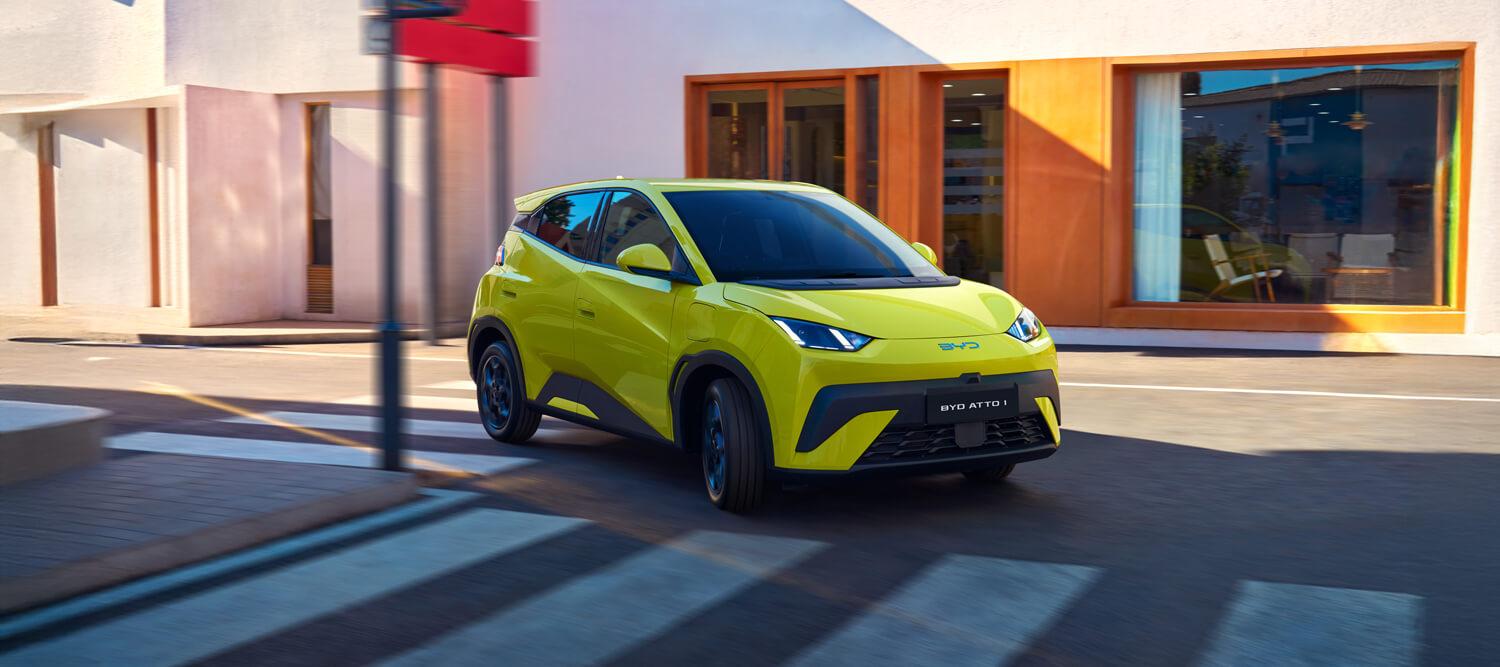
Buyers under the $75,000 cap have until 2028 to 2029 before the wind-back reaches them, but the smart move is to lock in earlier rather than later. Pricing on popular EVs is now more competitive than at any time in the past three years, with the BYD Atto 3, Tesla Model Y, and Subaru Solterra all sitting under the LCT threshold.
Buyers chasing a luxury EV above $75,000, like a top-spec Polestar 3, Genesis Electrified GV80, or BMW iX, should run the numbers carefully. The 2027 partial wind-back hits this segment first. The Lexus RZ recently dropped under the LCT threshold with a $42,000 price cut, partly to defend itself from exactly this kind of policy shift.
Dealer behaviour to expect
EV dealers will use the looming wind-back as a sales tool through 2026 and into early 2027. Expect language about "locking in the saving" and "last chance for full exemption." Some of that pressure is legitimate. Some of it is theatre.
The honest framing is this. The exemption is changing, not vanishing. Buyers above the $75,000 threshold should move quickly. Buyers below it have more time, but not unlimited time. Novated lease providers will see a surge of demand in early 2027 ahead of the cut-off date, which means longer queues, slower paperwork, and less negotiation leverage.
For anyone running quotes, work with Carseekers to compare drive-away prices across multiple dealers on the same EV before locking a lease. Lease finance margins vary widely between providers, and the FBT saving means little if you overpay on the vehicle itself.
The wider picture
The 2026 Budget marks a turning point. Australia's EV transition is no longer being driven by aggressive purchase incentives. It is shifting toward infrastructure investment, a long-term tax framework, and a more mainstream adoption curve. The political risk for the government is that EV sales growth stalls in the next 18 months as buyers second-guess timing.
The smart consumer move is to plan around the new rules, not against them. Take advantage of current FBT exemption while it lasts. Watch state-level EV rebates and registration discounts, which have been changing rapidly. And use Carseekers to track the pricing moves that big brands will make as the policy environment shifts.
Considering finance for your next car? Loanseekers can help you explore car loan options.
The finer details
Your questions answered.
What changes did the 2026 Federal Budget make to the EV FBT exemption?
The exemption remains in place for eligible battery electric and hydrogen vehicles obtained through novated leasing until April 2027. From that date, EVs priced above $75,000 lose part of the FBT concession first. The wind-back then progressively widens to cover all EVs by 2029. The government expects to claw back about $1.9 billion over five years.
Does the FBT change affect plug-in hybrids?
Plug-in hybrids already lost FBT exemption eligibility in April 2025. They are not part of this 2026 wind-back announcement because they were already excluded. Buyers chasing a PHEV through novated lease should not expect any FBT discount under current rules.
Should I novated lease an EV before April 2027?
If your employer offers novated leasing and you genuinely need a new EV, yes. The current rules give a meaningful FBT saving that ranges from $5,000 to $15,000 a year depending on car price and salary band. Speak to a salary packaging provider and your accountant. Use [Carseekers](https://www.carseekers.com.au) to compare drive-away prices on eligible EVs before signing a lease.
Is there a road user charge for EVs in Australia?
No, not at the federal level. The 2026 Budget stopped short of introducing a national distance-based charge for electric vehicles, despite ongoing debate about replacing fuel excise revenue. State-based attempts to introduce EV-specific charges have been derailed by legal and constitutional challenges. Expect this debate to continue through the second half of the decade.
What charging infrastructure funding is in the Budget?
The Budget commits $40 million over four years to regional and kerbside EV charging projects. The focus is improving access for apartment residents, regional communities and longer-distance motorists. Australia Post will receive a separate $40.5 million to electrify its delivery fleet, supporting demand at depot-style charging hubs.
How does the temporary fuel excise cut work?
The 2026 Budget includes a temporary halving of fuel excise as part of a broader fuel security package. This responds to rising global oil prices and Middle East instability. The discount applies at the pump automatically. It is temporary, with the full excise expected to return once fuel security pressures ease, probably in 2027 to 2028.