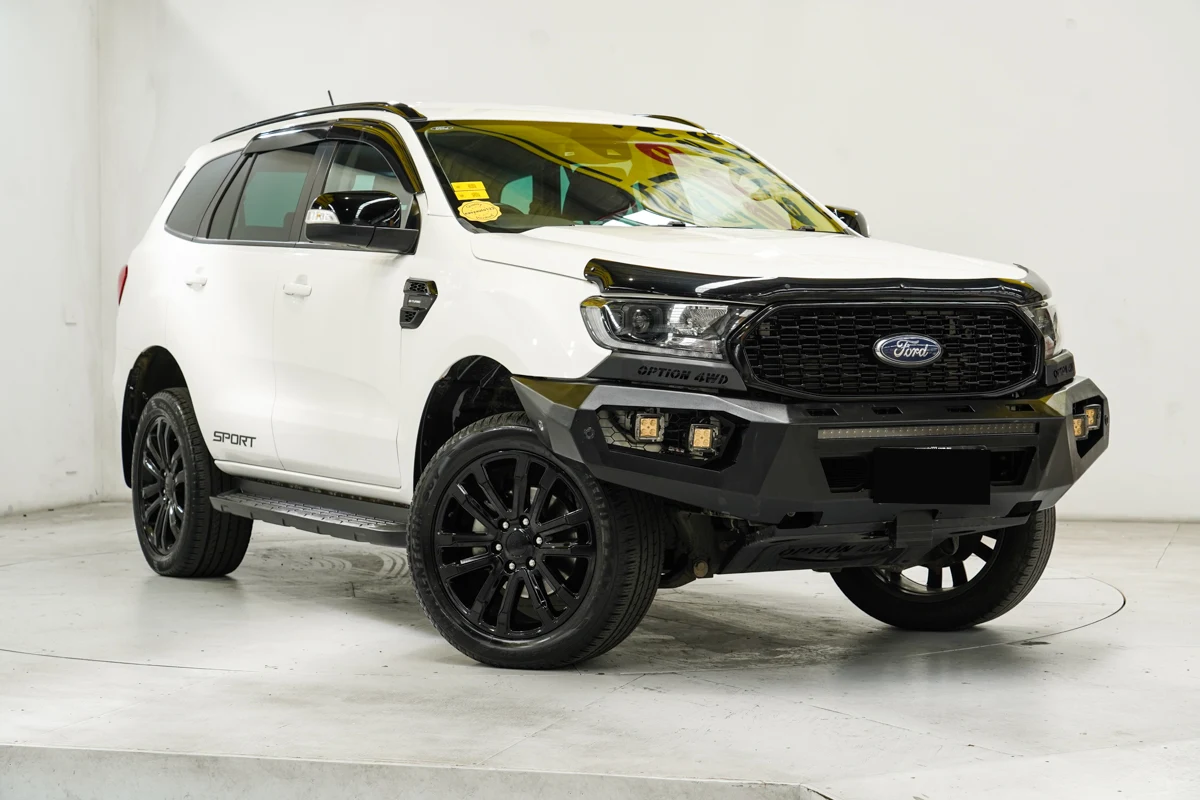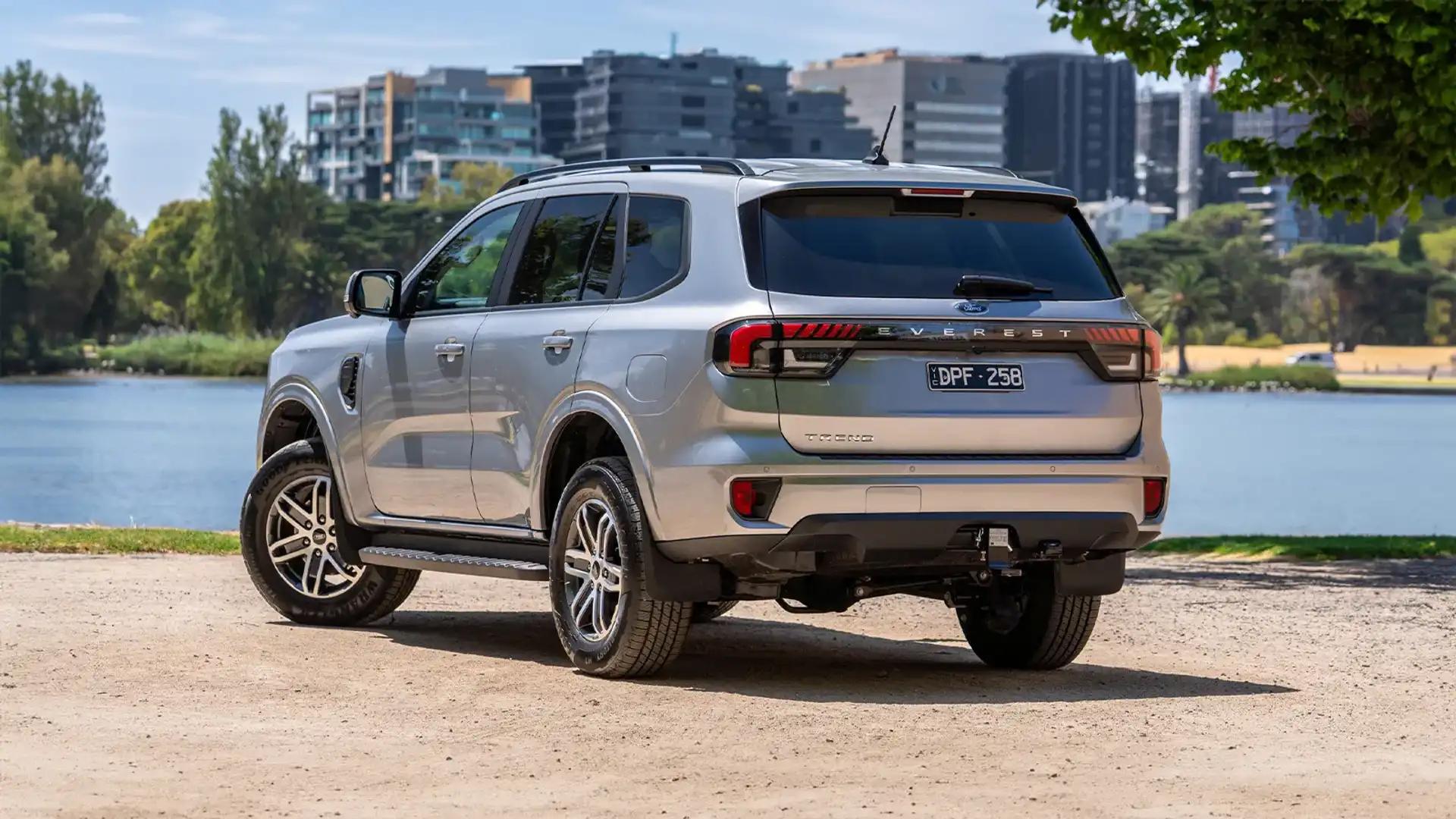

Ford Australia has spent the past three years in a position most brands would envy. The Ranger is the country's best-selling vehicle. The Everest sits inside the top five large SUVs. Together they have carried the brand. They are also now putting the Blue Oval in a vulnerable spot, because both models are sliding and the rest of the line-up is too thin to absorb the loss.
The latest VFACTS sales data shows Ford has sold 15,841 Rangers (818 4x2 and 15,023 4x4) and 7,081 Everests through to the end of April. That is 22,922 sales out of a brand total of 25,920. In plain numbers, the Ranger and Everest account for 88.4 per cent of every Ford sold in Australia this year.
Why this matters for buyers
A brand that depends on two nameplates has a problem when both of them stop growing at the same time. Ranger sales are down 8.2 per cent year on year despite the new Super Duty variant launching late last year. Everest sales are down 1.9 per cent, with April figures sitting almost 700 units below April 2025.
That is a big problem for Ford and a quiet opportunity for buyers. Sliding sales force dealers to defend volume, which means drive-away campaigns, accessory packs, free fuel cards and softer trade-in valuations. We have already seen Ford running a Ranger PHEV drive-away campaign that undercuts the BYD Shark 6 in selected states.
BYD is now within striking distance
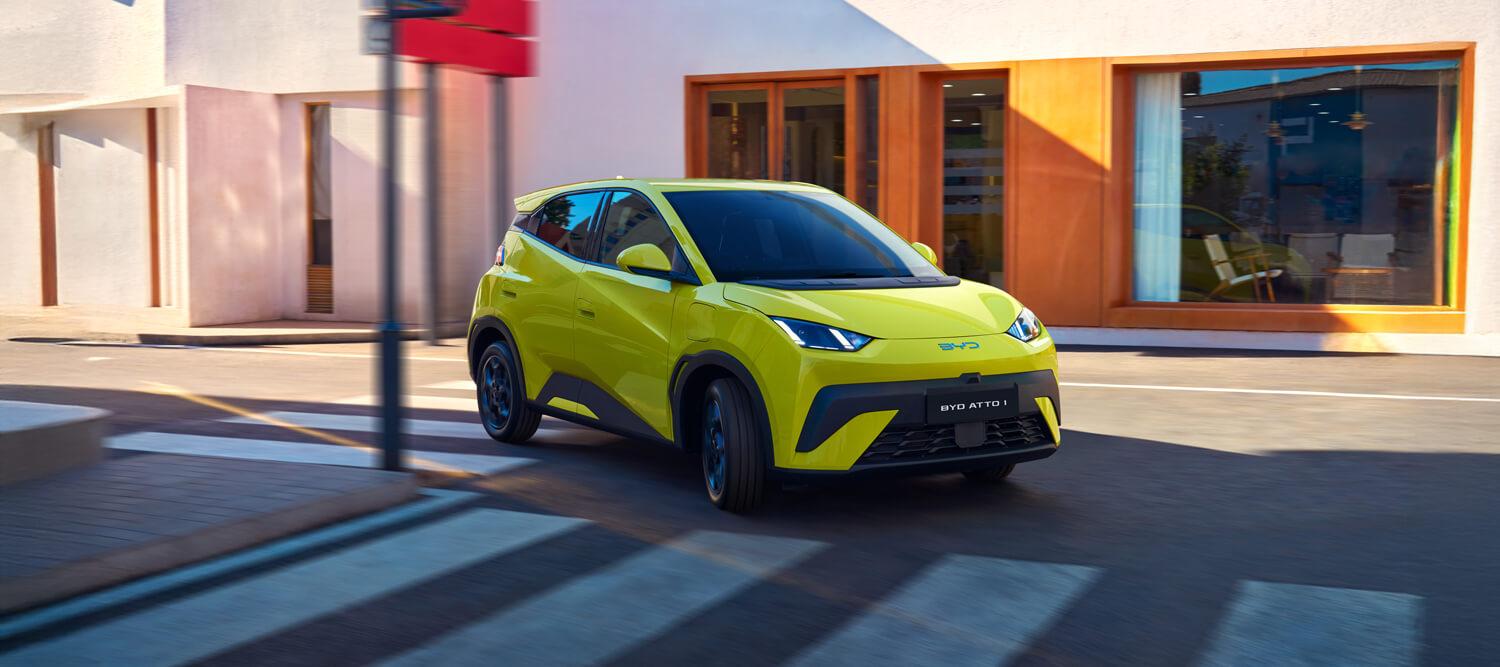
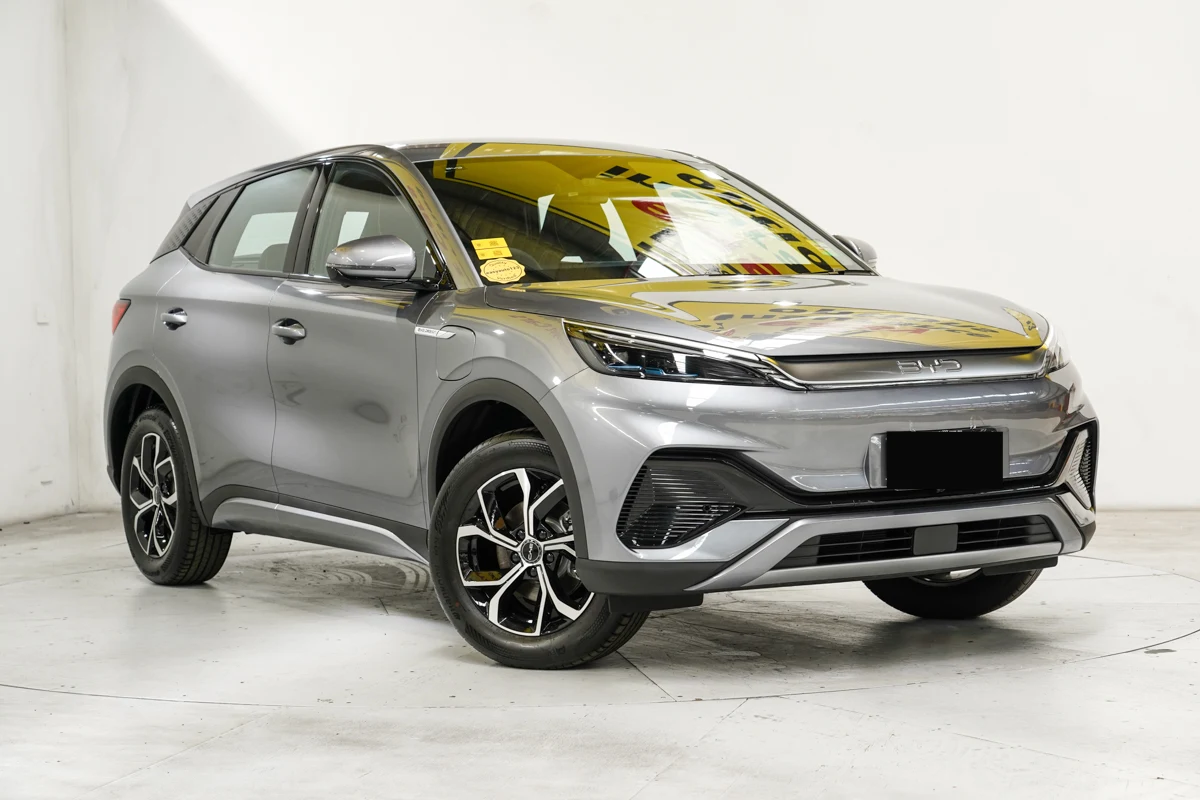
The direct reason Ford's slide matters is that BYD is gaining at exactly the rate Ford is losing. The Shark 6 alone has become a top-five ute. The Sealion 6, Sealion 8 and Atto 3 cover most of the family SUV brief that the Everest and the Ranger crossover-style buyer would otherwise consider.
With both Ranger and Everest in single-digit decline and BYD growing in double digits, the gap between Ford's brand total and BYD's brand total is now small enough that BYD could plausibly pass Ford in monthly sales before the end of 2026. That has not been a serious conversation in Australian car retail for thirty years, and it is happening because Ford has no third model with real volume.
Why the Ranger is sliding
The Ranger is still a very good ute. The decline is not about the product. It is about three other things happening at the same time.
First, the rest of the segment has finally caught up. The Mitsubishi Triton is in a new generation. The Isuzu D-Max and Mazda BT-50 have refreshed pricing. The Kia Tasman is here and has just had a $14,000 price cut, and the BYD Shark 6 is the first credible PHEV ute.
Second, fuel prices have spiked, which hits diesel utes harder than passenger cars and pushes some buyers toward PHEVs or hybrids. The ongoing Middle East tension has dragged petrol and diesel pricing up over the last three months in Australia.
Third, Ford Ranger pricing has stayed firm even as the segment around it has discounted. That gap eventually shows up in the sales figures.
What this means for Everest buyers
The Everest is still the SUV the Ranger should be. It has the best ride and the best long-distance comfort in the segment. The slide of 1.9 per cent in 2026 is not a crisis, but it does suggest the V6 diesel is finally meeting some buyer resistance as hybrid alternatives become more visible.
If you have been looking at an Everest Wildtrak V6, this is the year to negotiate. The limited-edition Wildtrak V6 has just landed, and dealer stock on the regular Trend and Sport grades is the strongest it has been in three years. Drive-away offers including $5,000 fuel cards have been running on the Ranger and Everest combo, and that pressure is going to keep getting heavier.
What Ford needs to do next
The practical fix is more nameplates with volume, not more variants of the same two cars. Ford's European revival announcement of five new vehicles is the strategic clue, but very little of that has been confirmed for Australia yet. The Mustang is a halo car. The F-150 is a niche. The Tourneo Custom and Transit range is commercial.
What Ford Australia really needs is a family SUV under the Everest. Something that competes with the Toyota RAV4, Hyundai Tucson and Mazda CX-5. The current line-up has nothing in that segment, which is where most family car buying decisions in Australia actually happen.
What buyers should do this week
If you want a Ranger, the timing is good. Stock is reasonable, Super Duty interest has not absorbed total demand, and the PHEV is running drive-away pricing. Push for fuel card promotions, free first servicing and an accessory pack at the same time. Ford dealers are now competing with Toyota HiLux, Kia Tasman and BYD Shark 6 simultaneously.
If you want an Everest, the Wildtrak V6 is the limited-edition headliner, but the smarter buy may be a heavily negotiated Trend or Sport with a service plan included. Dealers have stock on those grades and they want to clear it before the next financial year starts.
The bigger pattern
Carseekers has been watching legacy-brand concentration risk across multiple manufacturers. Subaru relies on the Forester and Outback. Mazda relies on the CX-5 and CX-30. The pattern is not unique to Ford, but Ford has the deepest concentration in the country right now and the fastest-growing Chinese-brand competitor on its heels. That combination is what makes the next twelve months matter, both for the brand and for anyone making a Ranger or Everest purchase decision before the segment shifts again.
Considering finance for your next car? Loanseekers can help you explore car loan options.
The finer details
Your questions answered.
How much of Ford Australia's sales come from the Ranger and Everest?
The Ranger and Everest now account for 88.4 per cent of Ford Australia's total new vehicle sales through to the end of April 2026. That is up from 87.6 per cent in 2025 and represents one of the deepest model-concentration positions of any major brand in Australia.
Are Ford Ranger sales declining in Australia?
Yes. Ranger sales are down 8.2 per cent year on year despite the new Super Duty variant launching late last year. High petrol and diesel prices, segment-wide pricing pressure and the arrival of credible alternatives like the BYD Shark 6 and Kia Tasman are all factors.
Can BYD overtake Ford in Australian sales in 2026?
It is genuinely possible. With both Ranger and Everest in decline and BYD growing in double digits, the monthly sales gap between the two brands has narrowed enough that BYD could plausibly pass Ford before the end of 2026 if current trends continue.
Is now a good time to negotiate on a Ford Ranger or Everest?
Yes. Sliding sales force dealers to defend volume. Drive-away campaigns, fuel card promotions and accessory packs are all on the table. Ford has already run Ranger PHEV deals that undercut the BYD Shark 6 in select states. Bring a competitor quote with you.
What is the Ford Ranger Super Duty?
The Ford Ranger Super Duty is a heavier-duty version of the Ranger launched in late 2025, aimed at fleet, commercial and serious tow buyers. It has not absorbed enough Ranger demand to lift overall Ranger sales back into growth territory.
What family SUV options does Ford Australia have outside the Everest?
Very few. Ford has no direct competitor to the Toyota RAV4, Hyundai Tucson or Mazda CX-5 in Australia, which is the segment where most family buying decisions happen. The Escape and Puma were withdrawn from the local lineup, leaving the Everest carrying SUV volume on its own.