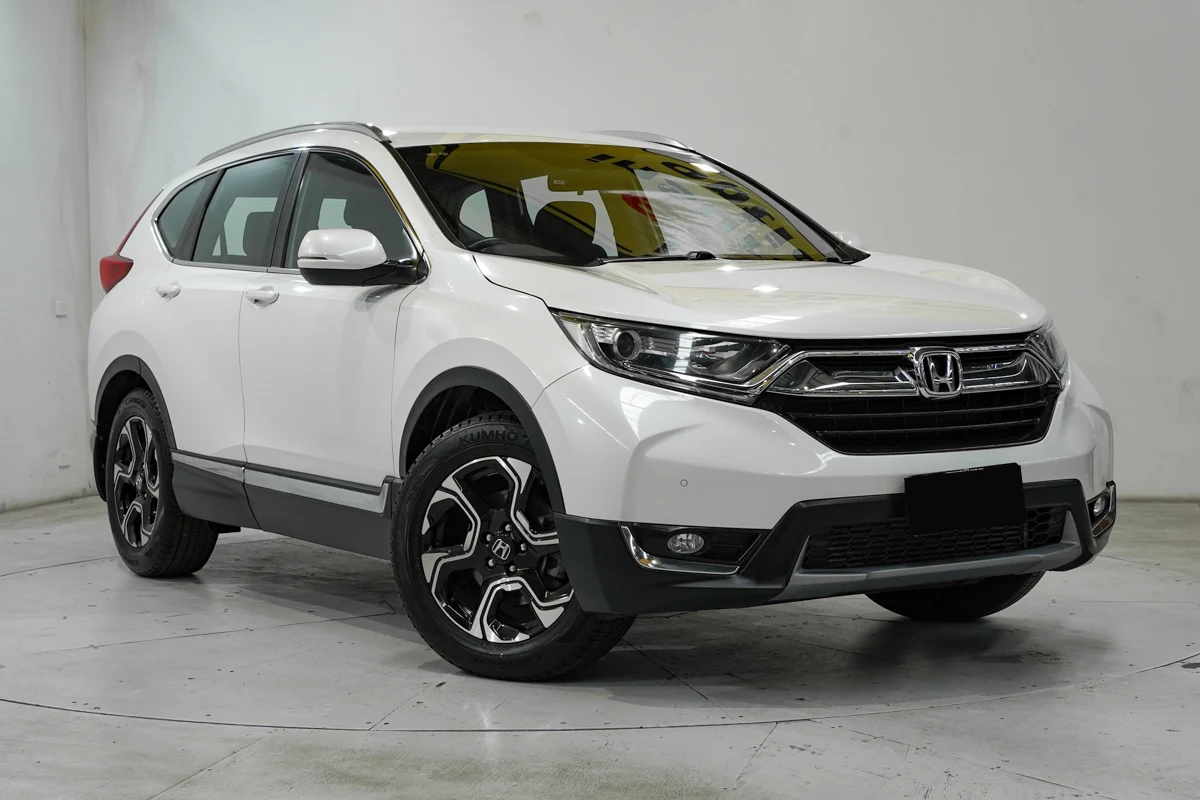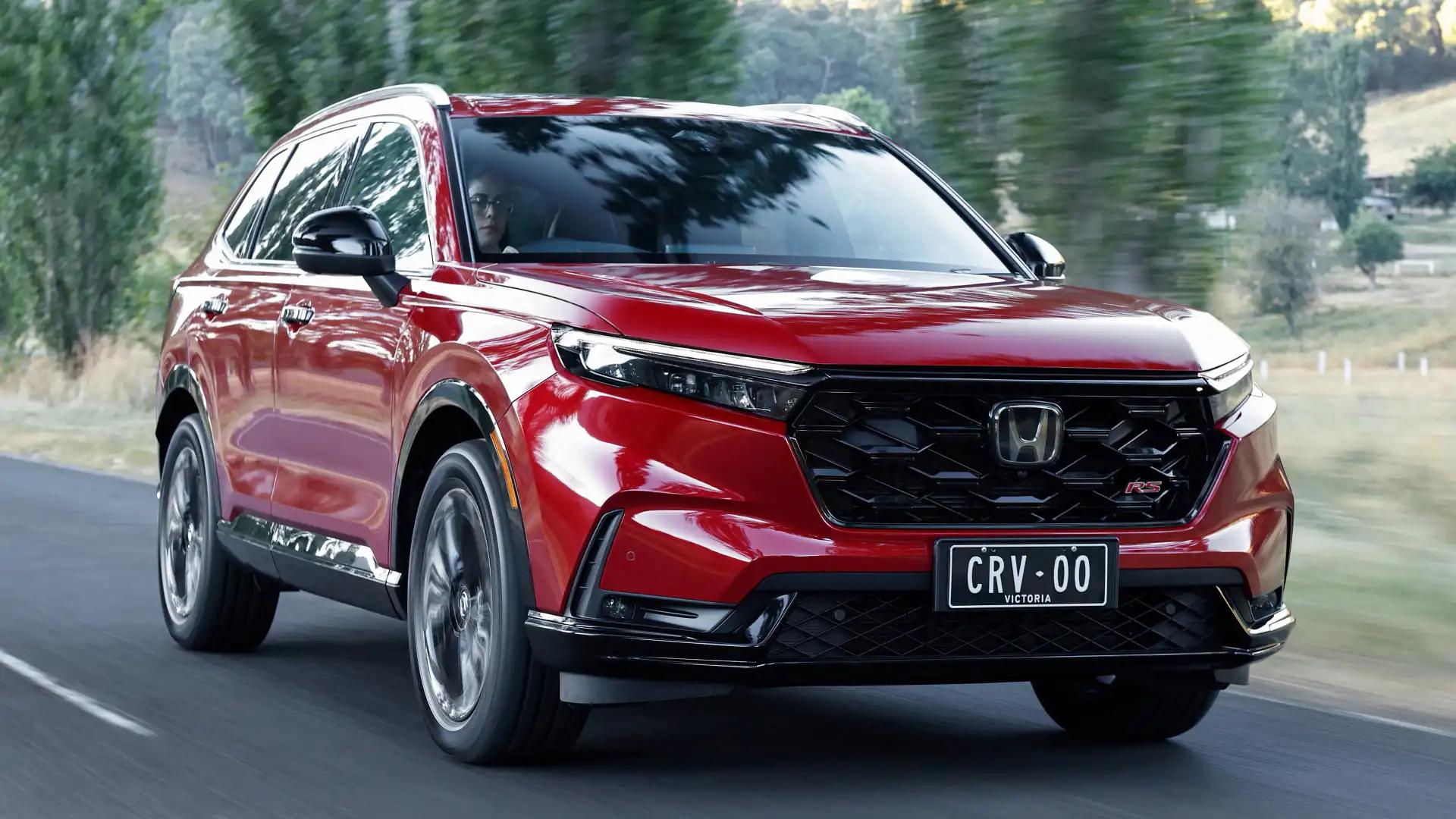
Honda has confirmed it will not upgrade the CR-V to a five-star ANCAP safety rating in Australia, saying buyers are not concerned by the four-star result. The current-generation CR-V was awarded four stars by ANCAP in 2024, missing five stars partly because the range does not carry the more advanced 'Honda Sensing 360' suite available in Europe and Japan.
Honda Australia's Director of Automotive, Robert Thorp, said the brand has not had any feedback to suggest buyers are concerned. 'It doesn't come up as an objection. It's not something that when we talked to our Honda Centre partners, they're raising as an issue.' Asked separately by Drive whether buyers are bothered by a less-than-five-star score, Thorp added simply: 'We're not retesting.'
That is a confident position from a brand whose top-selling SUV is now sold against a Toyota RAV4 that has temporarily gone unrated by ANCAP itself, and whose four-star score has been an open question for buyers since the rating was announced. Here is what the four-star result actually means, who it matters to, and which other Australian top-sellers are also missing the top score.
What the four-star rating actually means
The current-generation Honda CR-V scored four stars in 2024 testing. The shortfall came in the safety assist category, where the CR-V scored 68 per cent. ANCAP requires a minimum of 70 per cent in that category for a five-star rating. So the gap is real, but it is narrow.
ANCAP's sister organisation, Euro NCAP, awarded the standard CR-V four stars as well in 2024, but upgraded it to five stars for European models equipped with the Honda Sensing 360 suite. That package adds corner radars 'to improve Advanced Driver Assistance System (ADAS) performance in general, as well as in specific turning scenarios,' according to Euro NCAP. The Australian CR-V uses Honda's older Sensing system without the corner radars.
Fresh testing is unlikely to be required if Honda Sensing 360 is added to Australian models, assuming the system performs to European spec. So the technical path to five stars exists. Honda Australia has simply chosen not to take it.
Why Honda Australia is not adding Sensing 360
The brand's logic is straightforward. Sensing 360 adds cost. Australian buyers are not pushing for it. Therefore the additional spend cannot be justified at the current Australian retail price point.
Thorp told media: 'I think the suite of Honda Sensing technologies that we have is very, very good. Honda is continually refining those and continually adding in [more]. So it is not an objection in the market we're seeing, and we're very comfortable with what we've got.'
This is the same argument Honda has used for most of its small-volume Australian decisions: the brand is operating at low volumes here, and additional spec changes for Australian market alone are hard to justify financially. The CR-V is one of Honda Australia's best-selling models, but Honda's overall Australian market share remains modest compared to Toyota, Mazda or even Mitsubishi.
Honda is not alone in selling four-star cars
The CR-V is not Honda's only four-star model in Australia. The smaller ZR-V also scored four stars in 2023, again because of a 68 per cent safety assist result. The HR-V was given four stars in 2022, partly because it lacked a centre airbag between the front seats.
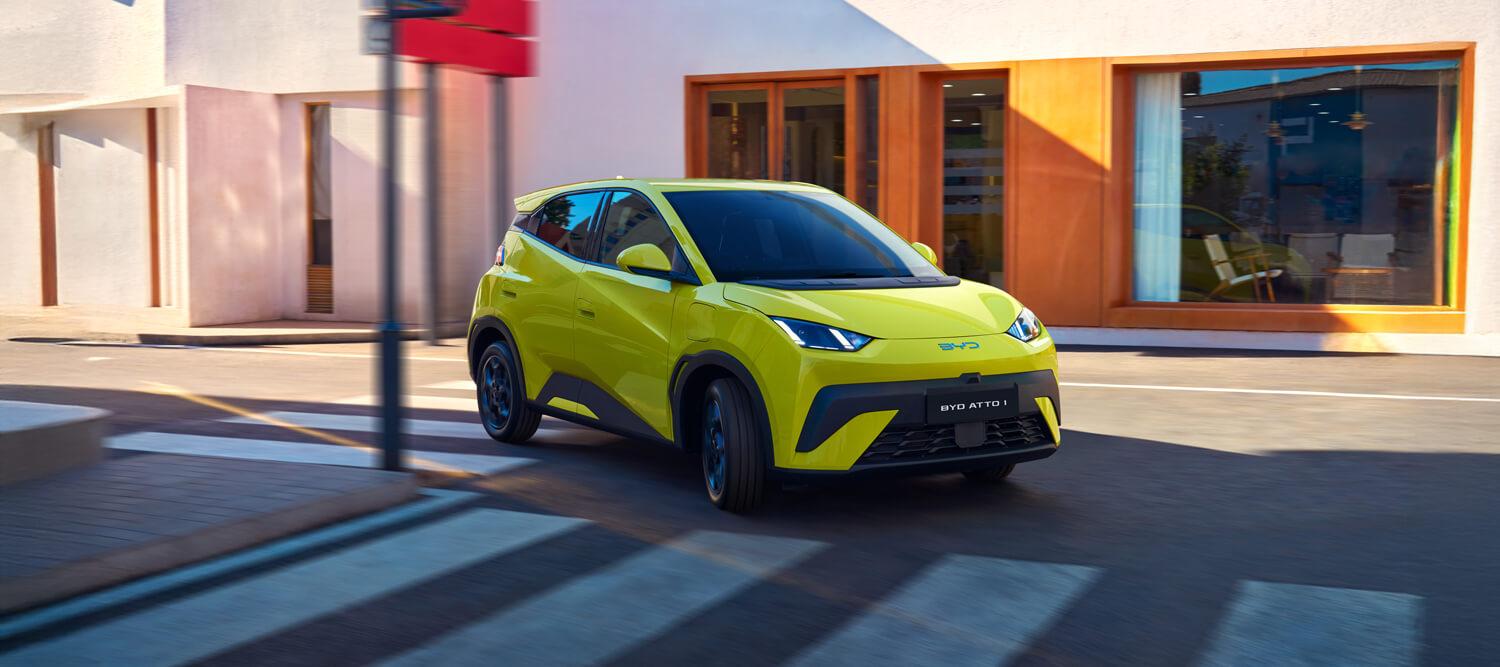
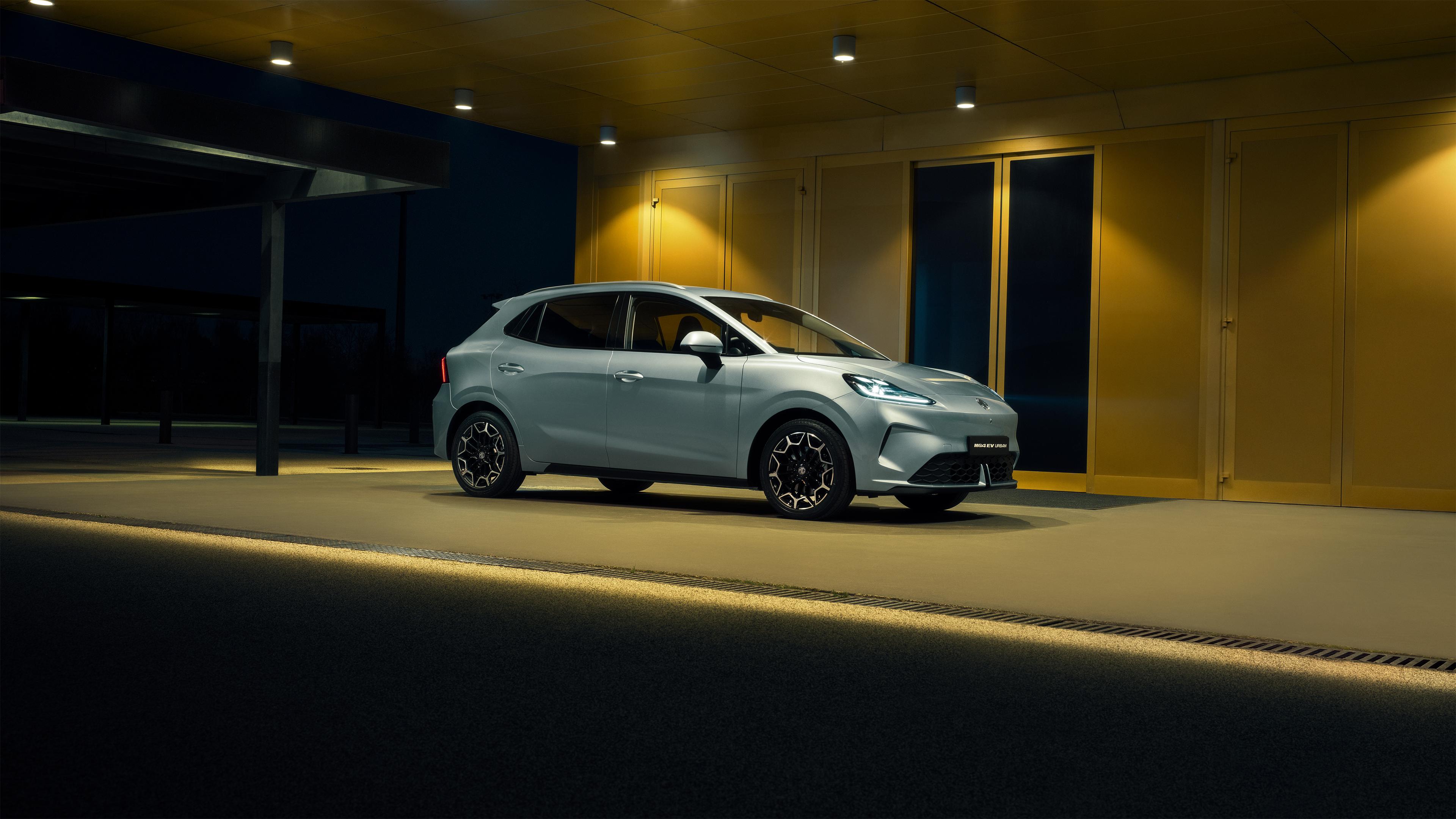
Other brands face the same gap. The Kia K4 scored four stars last year because it lacks a more advanced AEB system capable of junction-crossing detection and oncoming lane-change detection. The MG 3 hatch was four stars in 2025 for models built before 30 April that year, with older versions classified as three-star due primarily to low adult and child occupant protection scores.
Hyundai Kona and the Hyundai i30 Sedan also miss five stars. The i30 Sedan received a three-star rating in 2024, with safety assist scoring below the 60 per cent minimum for four stars. The new Kona fell short in vulnerable road user and safety assist categories. Hyundai has sold about 55,000 Konas locally since the new model arrived in mid-2023, suggesting the rating has not derailed sales materially.
Why fleet buyers care more than private buyers
This is the structural divide that explains why Honda and others can sell four-star cars in volume while still drawing criticism from safety bodies. Most Australian fleet operators, including government, large corporates and some rideshare companies, insist on a five-star rating as a minimum purchase criterion. A four-star CR-V is therefore excluded from many fleet tender processes, regardless of how the car actually performs in real-world testing.
Private buyers tend to make purchase decisions on a wider set of criteria, including price, brand reputation, dealer experience, fuel economy and equipment. ANCAP rating sits in the mix but is rarely the deciding factor at the showroom desk for most private buyers, particularly those buying mainstream brands they trust.
An ANCAP spokesperson disputed Honda's framing in comments to Drive. 'For most buyers, a high level of safety is expected in a new vehicle. In today's market, where vehicles compete closely on price, features and technology, safety ratings remain a key point of differentiation, particularly when consumers are comparing similar models.'
ANCAP's own research shows 'a majority of Australians car buyers expect five stars as a baseline, and when given a choice at the same price point, overwhelmingly choose the higher-rated vehicle.' That is a different claim to the one Honda is making, and the truth probably sits somewhere in between, depending on segment and buyer.
What this means for the Toyota RAV4 cross-shop
The Honda CR-V's primary cross-shop is the Toyota RAV4, which itself currently has no ANCAP rating in Australia in its new generation. The RAV4 is unrated until ANCAP's testing later this year, and fleet buyers are unlikely to commit to the new RAV4 until that test is published.
This is genuinely interesting for private buyers cross-shopping the segment. The CR-V's four-star rating is a known quantity. The RAV4's lack of a rating is a temporary unknown. If you want a current ANCAP-rated mid-size SUV with a five-star result, the Hyundai Tucson and Mazda3-platform CX-30 and CX-5 alternatives are the closer matches, alongside the Kia Sportage.
What buyers should actually do with this information
If you are a private buyer cross-shopping the CR-V, the four-star rating is real but narrow. The CR-V's actual crash protection scores are strong. The shortfall is in advanced driver assistance technology that the European version has but Australian models do not. If you primarily drive in city traffic where corner radars and junction-assist AEB add real value, the Sensing 360 absence is a meaningful gap. If you mostly drive in suburban and highway conditions, the absence is less consequential.
If you are a fleet buyer, the four-star rating likely excludes the CR-V from your tender. That is straightforward.
If you are a private buyer who genuinely cares about every advanced safety feature and wants a five-star benchmark, look at the Hyundai Tucson Hybrid, Kia Sportage HEV or the Mazda CX-5. All have current five-star ratings and modern AEB systems. The trade-off may be a slightly less spacious cabin or different equipment levels at similar prices.
What dealers will not say
Three things to watch when discussing safety with a Honda dealer. First, ask whether the salesperson can explain specifically why the CR-V scored 68 per cent in safety assist, rather than the usual reassurance that 'all current cars are safe.' If they cannot answer in detail, they likely have not been trained on the specifics. That tells you the brand is not using safety as a primary selling point.
Second, ask which advanced AEB scenarios the Australian CR-V handles and which it does not. The Honda Sensing system in the Australian car covers most basic AEB scenarios. It is the corner-radar-dependent junction and intersection scenarios that are weaker than the Sensing 360 European version.
Third, do not let a dealer tell you the four-star rating 'doesn't really mean anything.' It does mean something. It means a specific feature gap relative to the European version of the same car. Whether that gap matters to you is your decision, but the gap exists.
The bigger picture for Australian car safety
Honda's stance reflects a wider pattern in the Australian market. Brands selling at modest volumes can choose not to chase five-star ratings if the cost of additional kit cannot be passed on to buyers at competitive prices. Brands selling at high volumes (Toyota, Hyundai, Kia) usually do chase five stars because fleet sales matter and brand reputation is more sensitive.
For Carseekers buyers, the practical takeaway is to check the ANCAP rating on every car you cross-shop, understand what specifically is missing if it scores below five stars, and decide whether that gap matters for your driving. A four-star CR-V is not an unsafe car. It is simply a car that lacks the most modern AEB technology its European twin has.
Whether that bothers you depends on how you drive, where you drive, and how much weight you put on every percentage point of safety assist scoring.
Considering finance for your next car? Loanseekers can help you explore car loan options.
The finer details
Your questions answered.
Why does the Honda CR-V have a four-star ANCAP rating?
The Honda CR-V scored four stars in 2024 ANCAP testing because it scored 68 per cent in the safety assist category, falling short of the 70 per cent minimum required for five stars. The Australian car lacks the Honda Sensing 360 advanced AEB suite available in Europe and Japan, which adds corner radars for junction-crossing detection.
Will Honda upgrade the CR-V to five stars in Australia?
No. Honda Australia's Director of Automotive Robert Thorp confirmed the brand will not retest the CR-V or add Honda Sensing 360 to Australian models, saying buyers are not raising the four-star rating as an objection. The technology exists in European versions of the same car, but Honda has not committed to bringing it to Australia.
Does the Honda CR-V four-star rating make it unsafe?
No. The CR-V's actual crash protection scores are strong. The shortfall is in advanced driver assistance technology, specifically corner-radar-dependent junction and intersection AEB scenarios. The car is not unsafe in absolute terms, but it lacks the most modern active safety technology that the European version of the same car has.
Which other Australian top-sellers have less than five ANCAP stars?
Honda's CR-V, ZR-V and HR-V all have four stars. The Kia K4 has four stars. The MG 3 hatch is four stars for newer builds and three stars for older ones. The Hyundai Kona missed five stars in vulnerable road user and safety assist, and the Hyundai i30 Sedan has a three-star rating from 2024.
Does the Honda CR-V four-star rating matter for fleet buyers?
Yes. Most Australian fleet operators, including government and large corporates, require a minimum five-star ANCAP rating in their purchase tenders. The four-star CR-V is therefore typically excluded from fleet tender processes, regardless of how the car performs in private buyer surveys or real-world conditions.
What five-star rated mid-size SUVs should I cross-shop against the CR-V?
If you want a current five-star rated mid-size SUV alternative to the Honda CR-V, the Hyundai Tucson Hybrid, Kia Sportage HEV and Mazda CX-5 are the closest matches. All have current five-star ratings and modern AEB systems. The Toyota RAV4 is currently unrated in its new generation but is expected to be tested later in 2026.