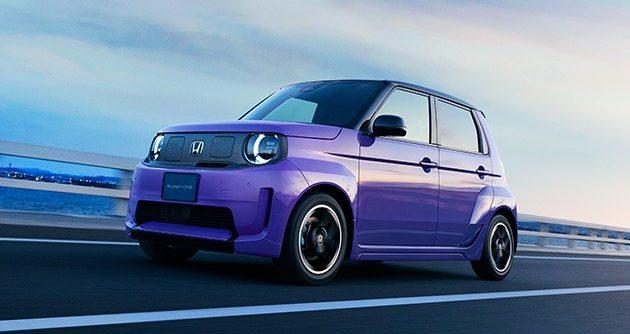

Honda has finally moved on its Australian EV plans, with the new Super-One electric hot hatch confirmed for a second-half-of-2026 local launch. Pricing has been revealed in Japan, giving us our clearest indication yet of where the car will sit in the Australian small EV bracket.
In Japan, the 2027 Honda Super-One starts at 3,390,200 yen, which converts to just under $30,000 in Australia. Local pricing will almost certainly be higher to cover shipping and import costs, but the car looks set to land somewhere between $33,000 and $38,000 once on-road costs are added.
Where it sits in the Australian market
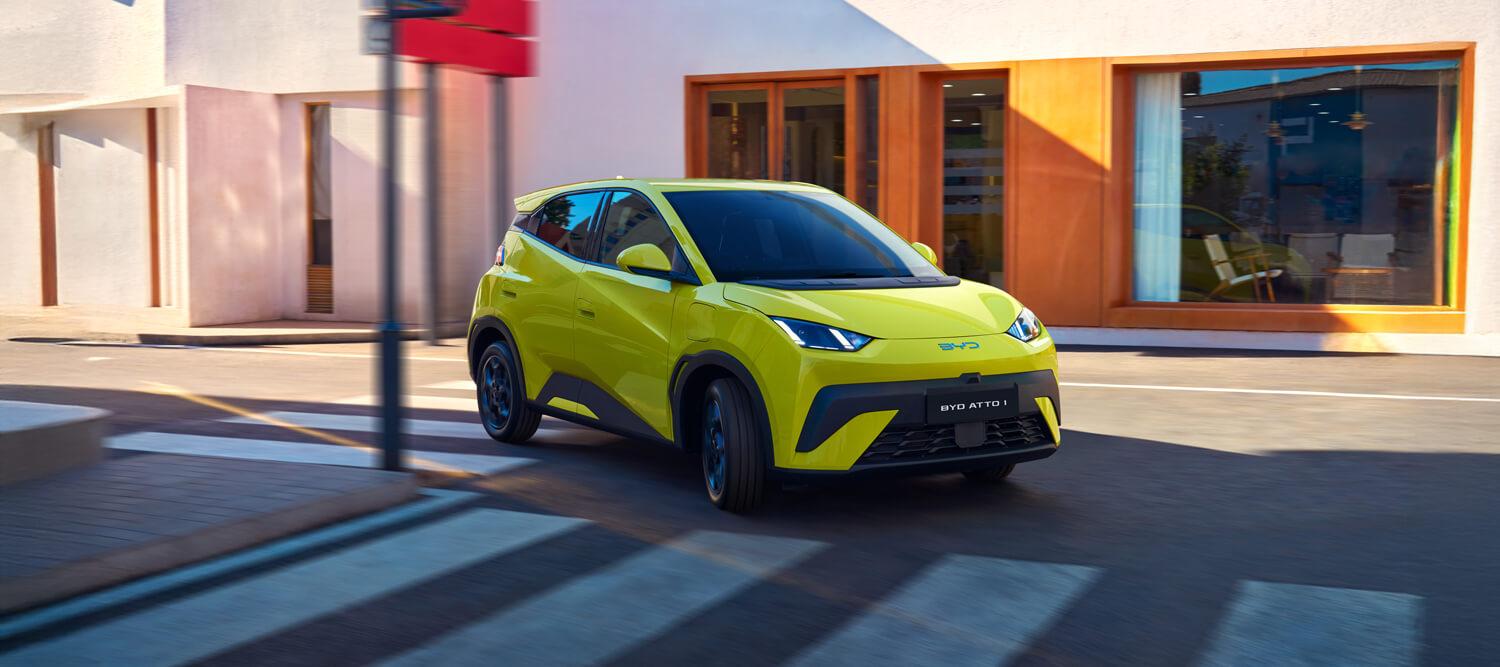
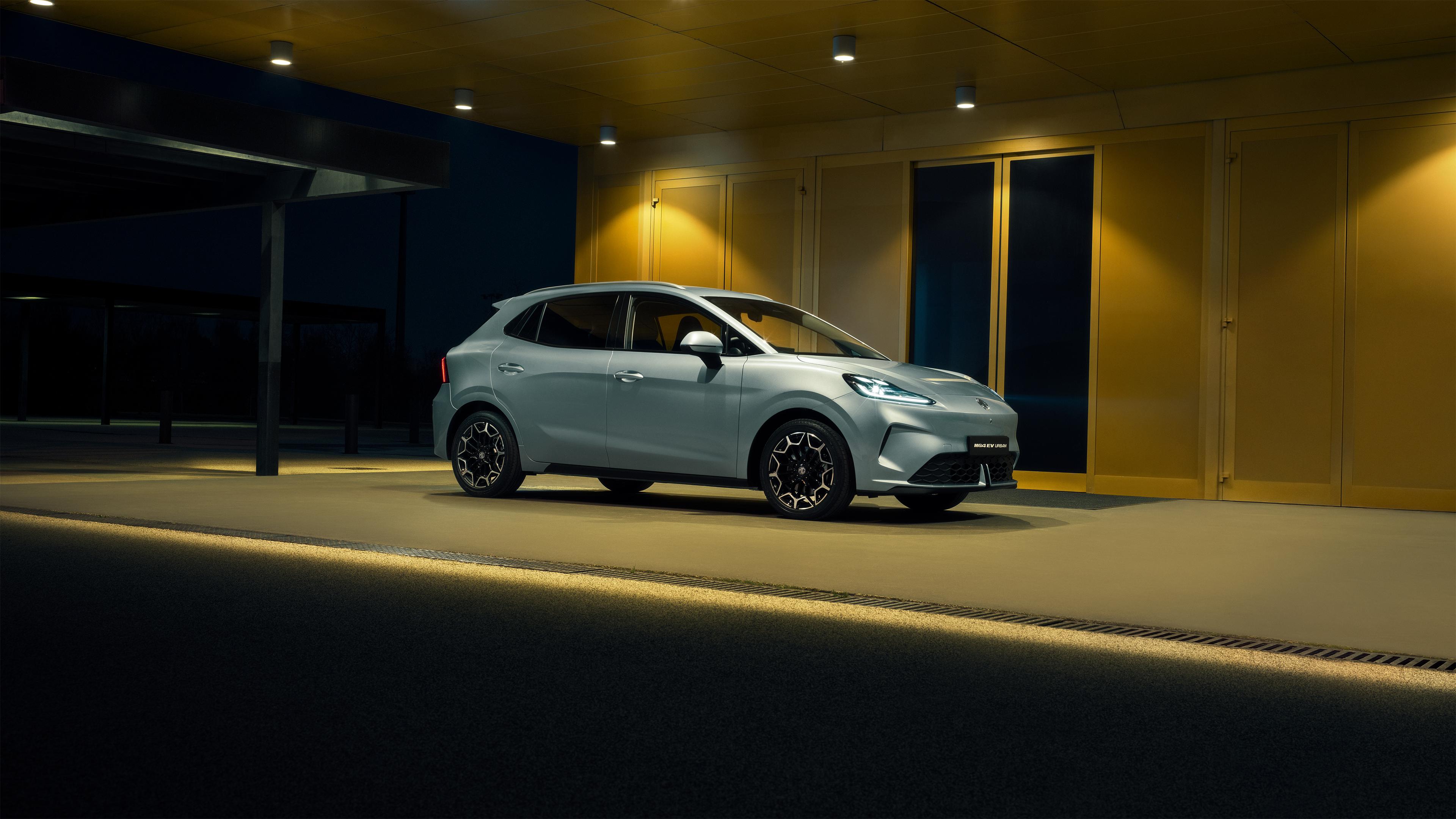
If the Super-One arrives priced from around $35,000 drive-away, it will land squarely against the BYD Dolphin, the MG4 Urban, and the Hyundai Inster. All three are pitching at the same buyer: small-car drivers wanting an EV without the $50,000 entry-fee of the Tesla Model 3 or BYD Seal segment.
For context, the Honda Civic e:HEV starts at 4,094,200 yen in Japan (~$36,000) but sells in Australia from $49,900 drive-away. If Honda applies the same markup to the Super-One, the local price could push into the $40,000 region, which would put it above the BYD Dolphin and uncomfortably close to bigger electric SUVs. Honda will need to discipline pricing to stay competitive.
What you get for the money
In Japan, the Super-One is being offered as a single, fully-loaded variant. The specification list includes:
- Single front-mounted electric motor producing 70kW and 162Nm - Up to 274km of WLTC-claimed driving range - Four-seat layout (this is strictly a four-seater) - 15-inch alloy wheels and swollen wheel arches over the standard Honda N-One e - LED headlights - 7.0-inch digital instrument cluster - 9.0-inch touchscreen multimedia system - Eight-speaker Bose sound system - Multiple drive modes including a Japan-specific Boost mode
For a sub-$40,000 EV, that is a serious equipment list. The Bose audio in particular is notable at this price point, and the 274km of WLTC range is competitive against the Hyundai Inster (327km claimed WLTP) and BYD Dolphin (340km WLTP).
What is not yet confirmed is Australian-specific equipment. Honda has not finalised local trim, so it is possible some features get added or removed for our market.
Why Honda is launching this car at all
Honda Australia has been hybrid-heavy for years, with the CR-V, ZR-V and the new Prelude all leaning on petrol-electric powertrains rather than full EVs. The Super-One launch reflects two pressures:
First, the federal government's New Vehicle Efficiency Standard (NVES) is tightening CO2 targets, and Honda has already accrued a $2.6 million fine in the first NVES performance period through to the end of 2025. EVs are the only vehicles that emit zero tailpipe CO2, so each Super-One sale helps offset that bill.
Second, the Japanese carmaker has been losing share in the Australian small-car bracket as Chinese brands grow. Adding a competitive EV at the bottom of the lineup gives Honda dealers something to sell against the BYD, MG and GWM lineup, particularly to younger buyers who would not historically walk into a Honda showroom.
The global context
The Super-One launch in Australia is interesting because it runs against Honda's global direction. The brand has been quietly cancelling EV plans worldwide and pivoting back toward hybrids, following softening EV demand in North America. The Super-One launch in Australia is, in part, a response to local regulation rather than a sign of broader Honda commitment to electric.
That is worth flagging for prospective buyers. Honda is unlikely to follow up the Super-One with a flood of EV models in Australia, and the local lineup will probably stay hybrid-dominant for the rest of this decade. If you want a Honda EV, the Super-One may be the only option for some time.
What buyers should be asking
Before signing on a Super-One, the practical questions are:
- How does the 274km claimed range compare to your actual weekly driving? For most metropolitan buyers, this is plenty. For regional buyers, it is borderline. - Will Australian spec include the Bose audio and full touchscreen suite? Honda has not confirmed yet. - What is the warranty on the battery? Honda's standard car warranty is five years, but battery-specific terms have not been locked. - How does it compare on real-world charging speed against the BYD Dolphin and Hyundai Inster?
Dealer behaviour to watch
Honda dealers have not had a fresh EV to sell, and the Super-One launch is likely to involve aggressive launch deals to win first-mover buyers. Watch for:
- Drive-away pricing campaigns at launch - Free home charger installation offers - Limited launch editions with added equipment - Trade-in incentives for existing Honda owners
Carseekers will be tracking local Honda dealer behaviour closely once launch timing firms up. As with most new EVs in Australia, the best deals tend to come 3 to 6 months after the initial launch hype, once initial allocations are spoken for.
What to watch next
Key dates and details to track:
- Honda Australia's formal local pricing announcement, expected mid-2026 - Final Australian-spec equipment list - Charging speed and battery warranty confirmation - Side-by-side range testing against Hyundai Inster and BYD Dolphin - Whether Honda confirms any follow-up EV models for Australia
The Super-One is a meaningful signal for Honda's local strategy, but it is not yet the start of a bigger Honda EV push in Australia. Treat it as the brand's tactical response to NVES and Chinese competition, not as the first of many electric Hondas to come.
Considering finance for your next car? Loanseekers can help you explore car loan options.
The finer details
Your questions answered.
When does the Honda Super-One arrive in Australia?
Honda Australia has confirmed the Super-One will launch locally in the second half of 2026. Specific on-sale dates and dealer ordering timelines will be announced closer to launch, but the car has been formally committed to the Australian market.
How much will the Honda Super-One cost in Australia?
Honda has not confirmed Australian pricing, but Japanese pricing converts to just under $30,000. Local pricing will likely land between $33,000 and $38,000 plus on-road costs once shipping and import margin are added. Honda will need to discipline pricing to stay competitive with BYD Dolphin and MG4 Urban.
What is the Honda Super-One's electric range?
Honda claims up to 274km of driving range on the WLTC test cycle, which translates to slightly less on Australia's WLTP standard. Real-world range will likely sit between 200km and 240km depending on driving conditions, which is suitable for most metropolitan buyers but tight for regional touring.
How does the Honda Super-One compare to the BYD Dolphin?
The BYD Dolphin offers more rated range (around 340km WLTP) and a lower starting price (currently from $29,990 drive-away). The Super-One responds with stronger equipment levels including an eight-speaker Bose sound system and larger touchscreen. Australian-spec details and final pricing will determine the head-to-head.
Is the Honda Super-One Honda's first EV in Australia?
Yes, the Super-One will be Honda's first fully electric vehicle on sale in Australia. The brand has been hybrid-focused locally with the CR-V, ZR-V and new Prelude all using petrol-electric powertrains. The Super-One reflects Honda's response to the New Vehicle Efficiency Standard, not a broader EV pivot.
How many people does the Honda Super-One seat?
The Super-One is strictly a four-seater. This is unusual at the price point and may rule out some buyers who need five seats for occasional carpool use. The trade-off is a more spacious rear-seat experience for the four occupants who do fit, and a more substantial boot than a typical sub-$40,000 EV hatch.