Australia just had its biggest new-car sales month on record, and the story underneath the numbers is one every buyer should read before they walk into a dealership. A total of 140,058 new vehicles were registered in June 2026. It was the first time the market has ever cracked 140,000 in a single month.
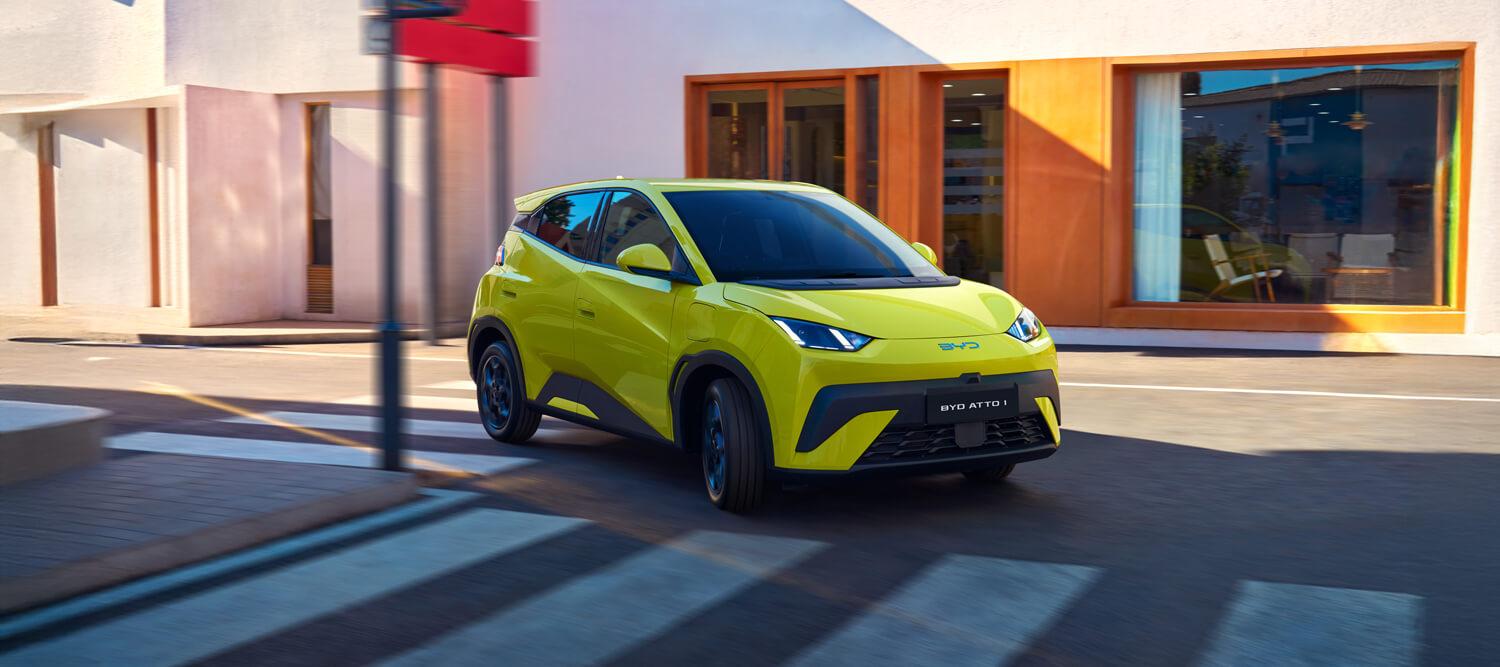
The headline is the race for number one. Toyota held on to top spot with 19,124 sales, but BYD landed 18,881. That is a gap of just 243 vehicles, or two-tenths of a per cent of market share.
For buyers, this is not a trivia stat. When two giants are this close, they fight for your signature with supply, pricing and availability. That fight is where you win.
The record month that reshaped the top 10
June's total was powered by electric and electrified cars in a way the market has never seen. Battery EVs alone took 23.3 per cent of all sales, smashing the previous record of 19.9 per cent set only a month earlier.
Add hybrids and plug-in hybrids and almost half of every new car sold, 49.5 per cent, was electrified in some form. Hybrid sales rose 35 per cent year-on-year and plug-in hybrids surged 158 per cent.
The old top five is no longer safe. Ford placed third on 9181 sales, down 9.1 per cent, with Tesla storming into fourth on 8670, up almost 89 per cent.
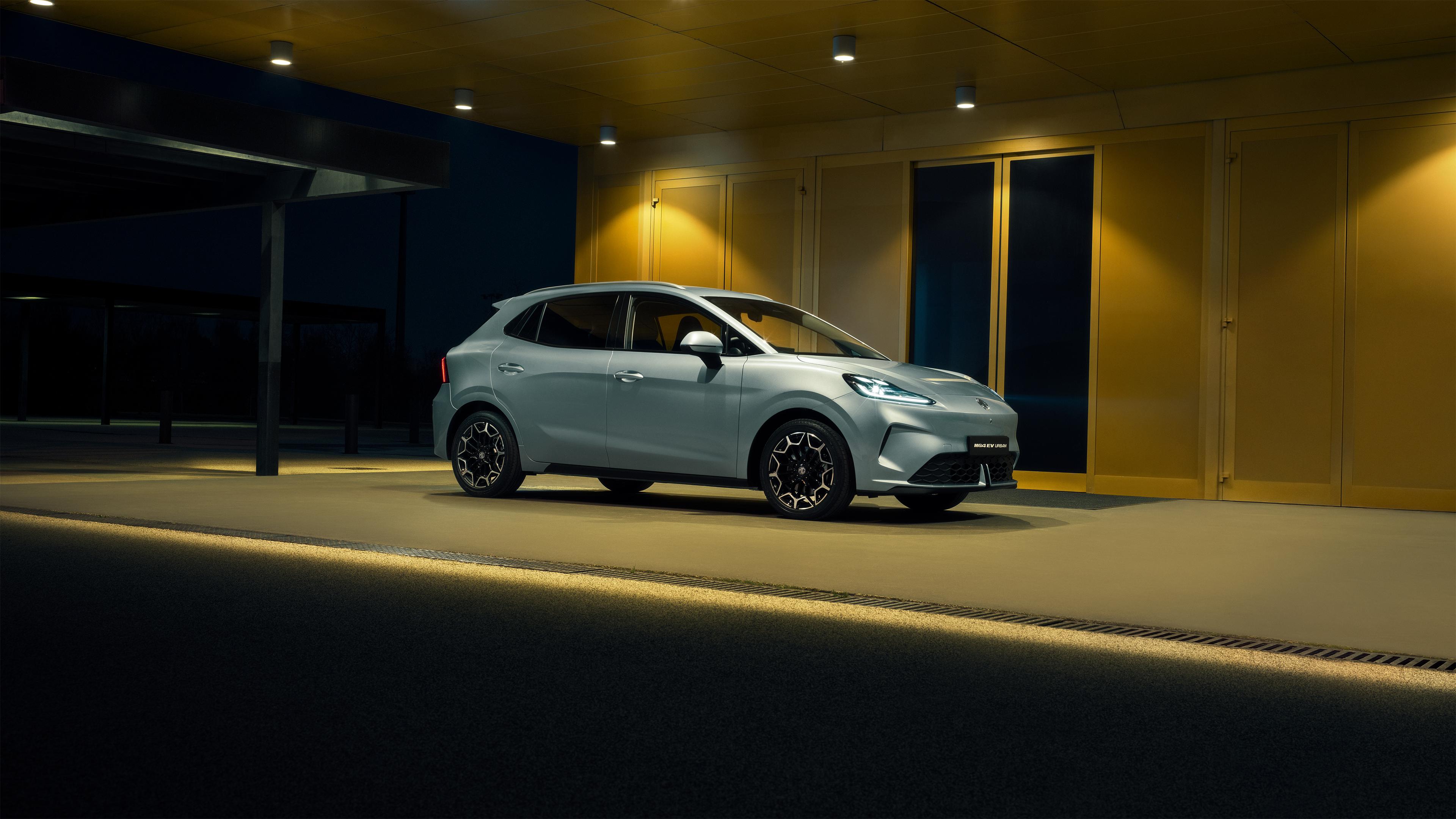
Kia (8005) and Hyundai (7480) held their ground, but Mazda slid to seventh on 7278, down a heavy 22.6 per cent. The rest of the top 10 was a Chinese sweep: GWM (6104), MG (5001) and Chery (4505).
Why BYD got so close so fast
BYD's result was not luck. The brand sold more than 30,000 vehicles across April, May and June, and its June tally alone was over 10,000 higher than its previous monthly best.
A big part of that was logistics. BYD chartered its own ship, which arrived in early June carrying close to 5000 BYD and Denza vehicles, a move we covered in detail when BYD shipped 30,000 cars into Australia during the fuel price surge.
Dealers then did the rest. BYD stores ran evening and weekend deliveries to clear the backlog, even parking food vans out front to keep waiting customers happy.
That matters to you because it proves what is possible when a brand actually wants to move metal. Fast delivery, extended hours and a sense of urgency are not favours. They are competitive tools, and you should expect them when demand cools.
Toyota is holding back, and that is a buying signal
Toyota still leads comfortably on the year, sitting near 95,000 sales to BYD's 52,335. But its June number was down 5.4 per cent, and industry chatter suggests Toyota deliberately battened down its supply during the month.
The brand is reportedly lifting supply for the second half of the year and planning a much bigger run to year end. Read that carefully. A brand that suddenly has more stock is a brand more willing to deal.
If you want a Toyota, the back half of 2026 could be a stronger time to negotiate than the frantic end-of-financial-year rush just gone. More cars on the ground means less reason to pay a premium or wait months.
The models Australians actually bought
The Tesla Model Y topped the sales chart outright with 8072 deliveries, making it the country's best-selling vehicle, not just its best-selling EV. Tesla's other car, the Model 3, faded to 598 sales.
Utes stayed strong through the tax-time window. The Ford Ranger took second overall on 5999, with the Toyota HiLux third on 5175.
The surprise was the ute in fourth. BYD's Sealion 7 electric SUV (4730) beat the Toyota RAV4, and the plug-in hybrid BYD Shark 6 (3398) outsold the Isuzu D-Max to become Australia's third best-selling ute.
The small SUV fight was brutal. The Hyundai Kona led on 2505, chased by the BYD Atto 2 (2482), the GWM Haval Jolion (2446) and the Chery Tiggo 4 (2329) within a few hundred units of each other.
That cluster tells you something. When four rivals are separated by a couple of hundred sales, none of them can afford to let a buyer walk over a few hundred dollars. Bring competing quotes and let them fight.
Wait times are the number nobody advertises
June was end of financial year, so utes and work vehicles moved hard as buyers chased tax deductions before June 30. That rush is now over, which changes the negotiating table.
Availability is the quiet lever in every deal. Tesla's own site quotes standard Model Y delivery in July to August, the three-row Model Y L in August to September, and the Model Y Performance as far out as September to October.
A longer wait is not just an inconvenience. It weakens your hand, because a dealer with a full order book has no reason to discount. A brand with stock sitting in a compound is the one that deals.
The tax break quietly funding the EV boom
Part of the electric surge is being underwritten by the federal Fringe Benefits Tax exemption on eligible EVs. It lets buyers finance a car through a novated lease using pre-tax income and sidestep the 47 per cent FBT rate.
That exemption has been so popular it reportedly cost the government more than ten times what was forecast. It is now being wound back, with the perk scheduled to end in March 2029.
If a novated lease suits your situation, the maths still stacks up strongly today, and Tesla and other EV brands are among the biggest winners. But the window is closing, so factor the 2029 deadline into any long lease decision rather than assuming the discount is permanent.
The year-to-date picture behind the noise
One huge month does not rewrite the whole year. Across the first half of 2026 Toyota leads on roughly 95,000 sales, with BYD second on 52,335, up an enormous 124 per cent on the same period last year.
Ford (42,296), Kia (41,846) and Mazda (40,502) fill out the year-to-date top five, but the trend lines matter more than the order. Legacy brands are flat or falling while BYD and its Chinese rivals climb fast.
BYD itself called June a feat unlikely to be repeated soon, so do not expect it to topple Toyota next month. What you can expect is a market where the newcomers keep applying pricing pressure all year.
Fuel prices lit the fuse, but the shift is sticking
Much of this year's EV surge traces back to a spike in fuel prices tied to conflict overseas. Nervous buyers looked hard at running costs and moved toward electric and hybrid options.
Here is the twist. By the end of June, fuel prices had largely settled back to normal, yet EV sales still broke records. That suggests the switch is now about more than pump panic.
Cheaper Chinese electric cars, better range and a wider spread of models have made EVs a genuine mainstream choice. If fuel costs climb again, and history says they will, that momentum only builds.
What this means for your next purchase
More brands fighting over the same buyers is the best thing that can happen to your wallet. A decade ago the top 10 was locked. Today Chinese newcomers are forcing legacy brands to sharpen pricing or lose the sale.
Use that. Cross-shop aggressively across brands that never used to compete, because a GWM, MG or BYD quote is now a legitimate lever against a Toyota, Ford or Mazda price.
Watch supply as closely as sticker price. When a model is scarce, dealers hold firm and add-ons creep in. When stock is plentiful, as Toyota's is about to become, drive-away deals and freebies appear.
At Carseekers we track this shift so you can time your buy and let dealers compete for you, rather than the other way around. In a market moving this fast, patience and comparison are your two strongest tools.
The bottom line
June 2026 will be remembered as the month BYD nearly caught Toyota and EVs owned the sales charts. But the real headline for buyers is quieter. Competition has never been fiercer, and that hands you leverage the market has not offered in years.
Considering finance for your next car? Loanseekers can help you explore car loan options.
The finer details
Your questions answered.
What was the best-selling car in Australia in June 2026?
The Tesla Model Y was Australia's best-selling vehicle in June 2026 with 8072 deliveries, ahead of the Ford Ranger and Toyota HiLux. It was the outright number one, not just the top EV.
Did BYD outsell Toyota in Australia in June 2026?
No, but it came incredibly close. Toyota recorded 19,124 sales to BYD's 18,881, a gap of just 243 units. Toyota still leads comfortably on year-to-date sales with around 95,000 to BYD's 52,335.
How many new cars were sold in Australia in June 2026?
A total of 140,058 new vehicles were registered, the biggest single month on record and the first time the market has ever passed 140,000 in one month. Electric and electrified cars drove much of that record.
What share of June 2026 sales were electric or hybrid?
Battery EVs took 23.3 per cent of the market, a new record. Once hybrids and plug-in hybrids are added, electrified vehicles made up 49.5 per cent of all new cars sold, almost exactly half the market.
Is now a good time to negotiate on a new Toyota?
The second half of 2026 could be stronger. Toyota is reportedly increasing supply after a tighter June, and more stock on the ground usually means more room to negotiate a better drive-away price than during the recent end-of-financial-year rush.
Why are Chinese car brands selling so well in Australia?
Brands like BYD, GWM, MG and Chery combine sharp pricing, strong EV and hybrid ranges and improving supply. In June 2026 all four finished in the top 10, forcing legacy brands to compete harder on price, which benefits buyers.