The large SUV segment is one of Australia's most competitive and most expensive new car battlegrounds. It's also, as of mid-2026, showing some of the most significant sales pressure of any major segment in the market.
According to the Federal Chamber of Automotive Industries' VFACTS data to May 2026, large SUVs in both the mainstream (under $80K) and premium (over $80K) price bands are selling below 2025 levels — while the number of competing models in the segment is rising fast.
The Under-$80K Segment: Down 11 Per Cent
In the mainstream large SUV segment, 50,867 new vehicles were sold in Australia to the end of May 2026. That's a decline of 6,557 units — or 11.4 per cent — compared to the same period in 2025.
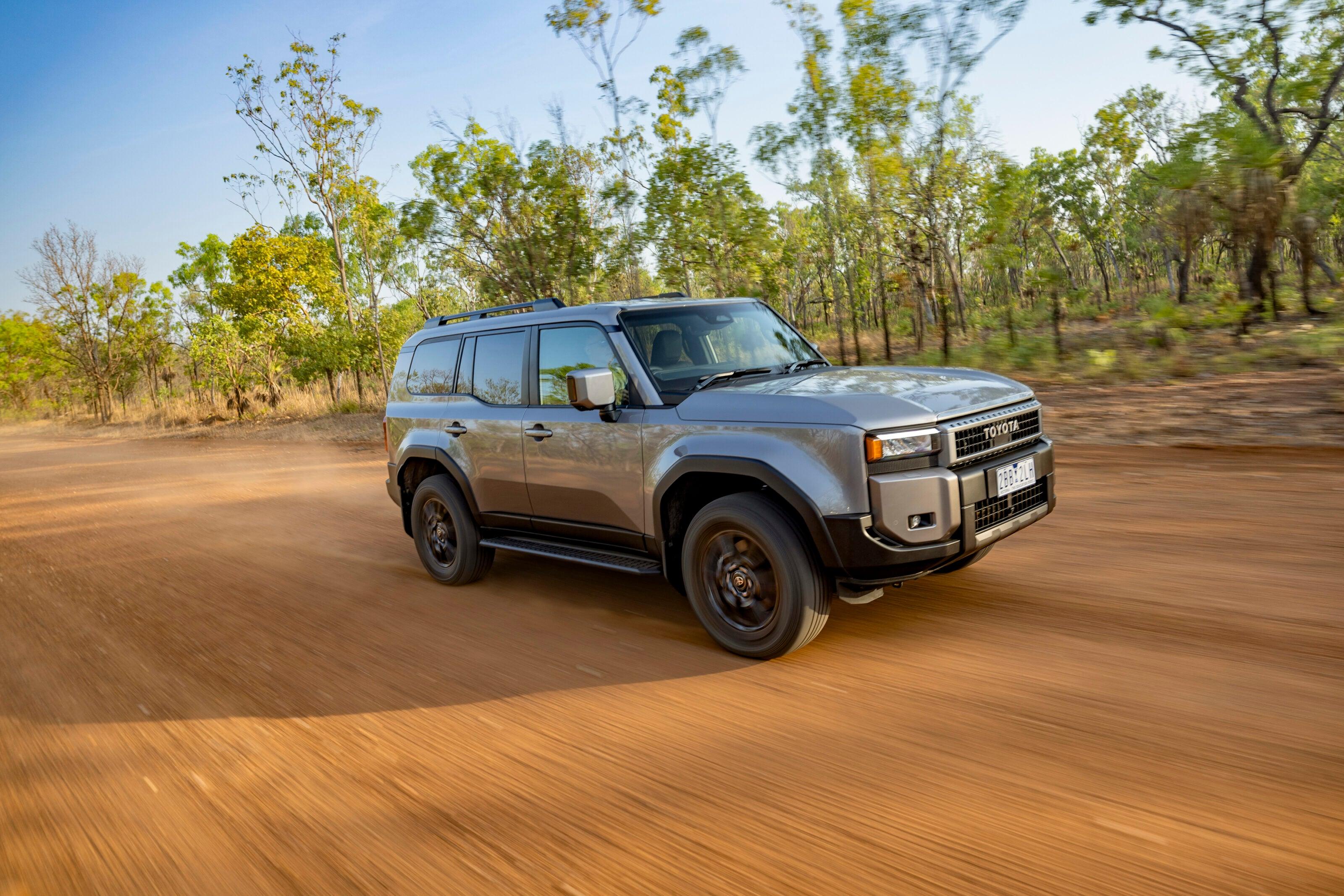
The two segment leaders both felt the pressure. The Ford Everest fell 6.6 per cent to 8,957 units year-to-date, remaining the top seller but losing ground. The Toyota LandCruiser Prado had the worst result of the major players: down 45 per cent to 7,372 units. That's a significant sales collapse for a vehicle that spent much of 2024 and 2025 in acute shortage with substantial wait times.
The Isuzu MU-X bucked the trend. Up 5.4 per cent to approximately 6,950 units year-to-date, the MU-X is holding its share in a declining segment — a meaningful performance for a relatively unchanged model in a crowded space.
The BYD Sealion 8 PHEV enters the data as a new segment participant with no 2025 comparison, representing the sharp edge of the Chinese-brand push into the mainstream large SUV tier.
Eight New Models Have Entered This Year
The 11 per cent sales decline is happening while the number of competing models in the segment is increasing. Eight new nameplates have entered the under-$80K large SUV category in 2026 with no 2025 comparison data: the BYD Sealion 8, Chery Tiggo 9, Deepal E07, Denza B5, Jaecoo J8, Omoda 9, Subaru Trailseeker, and Volkswagen Tayron.
Toyota's bZ4X Touring is expected to join the segment shortly. The Mitsubishi Pajero return, confirmed for late 2026, will add another nameplate.
This dynamic — falling aggregate sales, rising number of competitors — points to a segment that may have passed its peak growth phase. The new entrants are taking share from each other and from the established brands, while total buyer demand softens from what were very elevated 2024-2025 levels.
The Over-$80K Premium Segment: Down 13 Per Cent
The premium tier is facing even sharper pressure. A total of 59,944 large SUVs over $80K were sold to May 2026, down 13.2 per cent or 7,936 units compared to the prior year.
The Land Rover Defender, the segment's top seller, declined 2.1 per cent to 1,608 units. The BMW X5 fell 4.5 per cent to 1,507 units. Both premium stalwarts are holding top positions but losing volume.
The exception is the Lexus RX, which posted a 19.4 per cent increase to 911 units. The RX's hybrid powertrain appeal and continued quality reputation are supporting its share even as the broader segment softens.
The MG IM6 entered the premium segment in 2026 as a new entrant. The larger IM8 is expected to follow, and arrivals from Geely and Zeekr in the premium tier are planned for late 2026 or early 2027.
What the Data Means for Buyers
Falling segment sales with rising competition is, historically, good for buyers. Dealers who are sitting on slower-moving inventory in a segment with eight new rivals have more motivation to negotiate than dealers managing a wait list.
The Prado's 45 per cent decline is particularly relevant. After 2024-2025 supply constraints led to above-RRP dealer markups and long wait times, the current Prado inventory situation is fundamentally different. Dealers who were previously charging premiums are now competing for buyers. That negotiating position has reversed.
The Ford Everest similarly — strong inventory, decent accessories deal potential, and a competitive market means buyers who do their research can find better-than-sticker outcomes.
For premium segment buyers, the Defender and BMW X5 remain competitive products but they're in a market where new Chinese-brand premium entrants are arriving with strong specifications at lower price points. Zeekr and Geely's planned arrivals in the over-$80K space will put meaningful pressure on European brands' margin expectations.
Is Now a Good Time to Buy a Large SUV?
In short: yes, for most buyers. The combination of declining overall sales, rising competition, and increasing dealer motivation to move stock creates a buyer's market in a segment that was a seller's market just 12-18 months ago.
The key is to do the comparison work. With eight new models in the under-$80K segment alone, buyers have genuine alternatives for price-negotiation leverage — even if they ultimately prefer a Prado or Everest. Walking into a dealership with current BYD Sealion 8 pricing or Denza B5 specs as a comparison is a legitimate strategy.
Carseekers can help you compare large SUV options, pricing, and current dealer availability to find the best deal in a segment that has fundamentally changed in favour of buyers over the past six months.
Considering finance for your next car? Loanseekers can help you explore car loan options.
The finer details
Your questions answered.
Are Toyota LandCruiser Prado prices negotiable in Australia right now?
Yes. The Prado's sales fell 45 per cent year-on-year to May 2026, a sharp reversal from the 2024-2025 period of supply shortages and above-RRP dealer markups. With current inventory levels and eight new large SUV competitors in the market, dealer motivation to negotiate has increased significantly.
What new large SUVs have launched in Australia in 2026?
Eight new nameplates entered the mainstream large SUV segment (under $80K) in 2026: BYD Sealion 8 PHEV, Chery Tiggo 9, Deepal E07, Denza B5, Jaecoo J8, Omoda 9, Subaru Trailseeker, and Volkswagen Tayron. The Toyota bZ4X Touring and Mitsubishi Pajero are also joining later in 2026.
How has the Ford Everest performed in sales in 2026?
The Ford Everest remains the top-selling large SUV in the under-$80K segment with 8,957 units to May 2026, but sales are down 6.6 per cent compared to the same period in 2025. It's holding its leadership position in a declining overall segment.
Is now a good time to buy a large SUV in Australia?
Yes. Segment sales are down and competition has increased significantly with eight new entrants in 2026. That combination creates dealer motivation to negotiate and real price pressure on established brands. Buyers who arrive with alternative model comparisons have genuine leverage in negotiations.
Which large SUV is holding its value best in Australia in 2026?
The Lexus RX posted a 19.4 per cent sales increase in the premium segment to May 2026, bucking the broader trend. Its hybrid powertrain, quality reputation, and loyal buyer base are supporting sustained demand. Among mainstream brands, the Isuzu MU-X also grew 5.4 per cent in a declining segment.
How do Chinese large SUVs compare to the Toyota Prado and Ford Everest?
New entrants like the BYD Sealion 8 PHEV, Denza B5, and Jaecoo J8 offer strong technology specifications and competitive pricing. They lack the established service networks and long-term reliability data of the Prado and Everest. For buyers prioritising proven off-road capability and dealer support, the Japanese and American incumbents maintain clear advantages. For on-road family use and technology features, the Chinese entrants are genuine alternatives worth comparing.