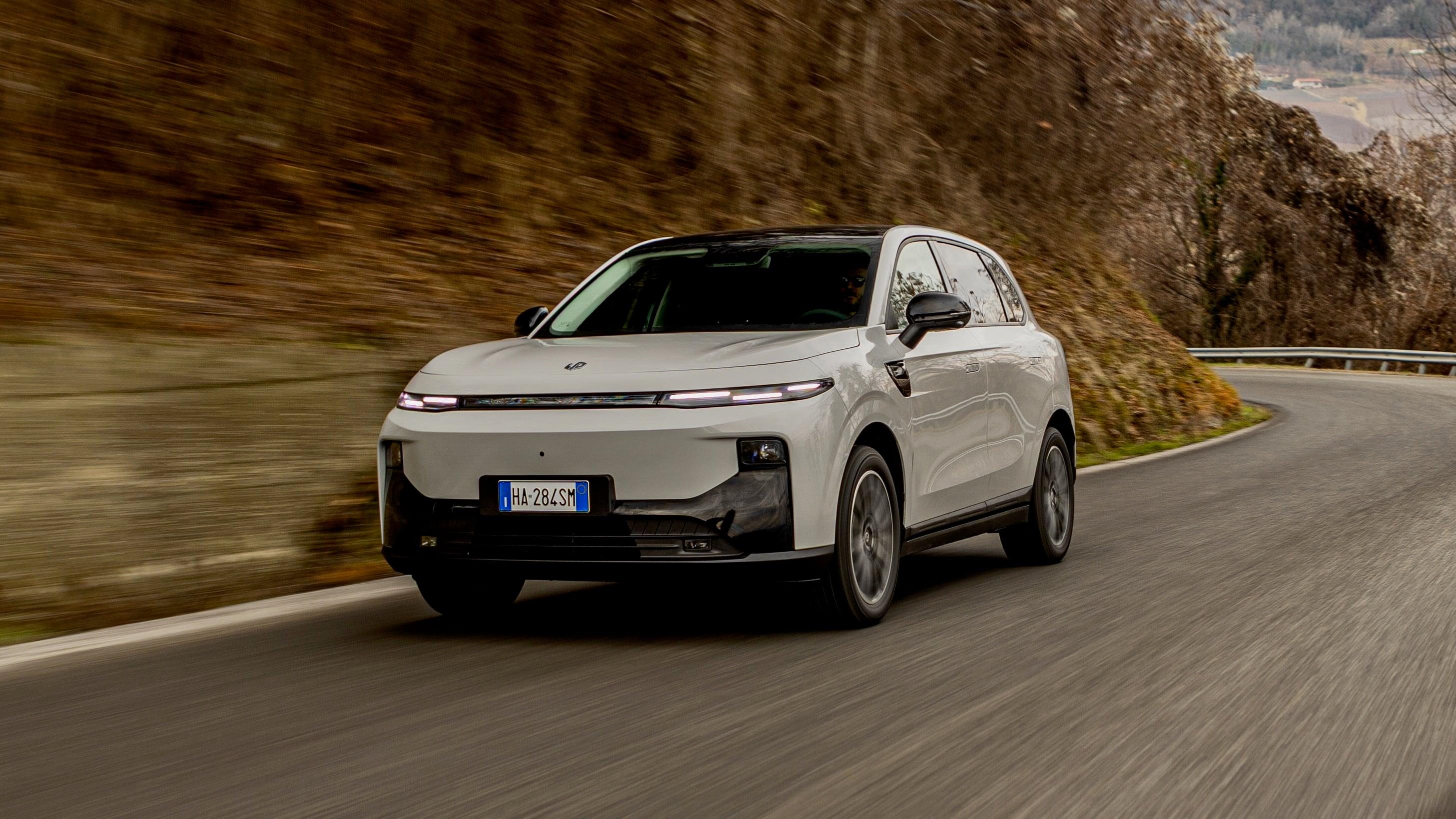
Leapmotor has added a range-extender hybrid version of its B10 small SUV to Australian showrooms, broadening the lineup beyond the original electric-only model. The B10 Hybrid EV pairs a 1.5-litre petrol engine acting as a generator with an 18.8kWh battery, delivering a claimed 900km combined range. Pricing starts at $37,888 plus on-road costs, putting it directly in the value-led small SUV bracket where BYD, Chery, MG and GWM are already fighting hard.
This is a notable product move because it tells you Leapmotor recognises Australian buyers are not yet ready to go all-electric in big numbers, and the brand wants a hybrid hedge in the lineup before the market matures. Stellantis is also involved as Leapmotor's global distribution partner, and the company is using the range-extender play to broaden appeal without abandoning its EV roots.
How the range-extender system actually works
The B10 Hybrid EV uses a 1.5-litre four-cylinder petrol engine as a generator, similar in principle to Nissan's e-Power system. The petrol engine never directly drives the wheels. It charges the battery, which then drives the electric motor that does the actual propulsion work. Total system output is 160kW and 240Nm, good for a claimed 0-100km/h time of 7.5 seconds.
Where the B10 Hybrid EV differs from a pure e-Power setup is the battery size. The 18.8kWh LFP pack is large enough to deliver 84km of pure electric driving range on the WLTP cycle. DC fast charging is supported at up to 46kW, getting the battery from 30 to 80 per cent in around 20 minutes. Combined fuel consumption is rated at 0.9L/100km when the battery is charged.
That 0.9L/100km figure deserves scrutiny. Like every plug-in hybrid claim, it assumes you actually plug the car in regularly. Drive it without plugging in and the real-world figure will sit closer to 5.5 to 6.5L/100km depending on usage. The 900km total range claim is similarly conditional. Both numbers are honest under WLTP test conditions and overly optimistic for most drivers.
The four energy modes
Leapmotor offers four adaptive energy modes: EV+, EV, Fuel and Power+. The naming is opaque but the practical difference is meaningful. EV+ prioritises battery range above all else. EV runs purely on battery until depleted, then switches to the petrol generator. Fuel mode runs the petrol generator to maintain charge for later EV use. Power+ taps maximum combined output for acceleration.
If you drive predominantly short urban commutes and plug in nightly, the EV+ and EV modes will deliver near-EV running costs. If you regularly drive country highway distances, Fuel mode is the most efficient way to keep the battery topped up for arrival in town. The flexibility is genuinely useful, but it requires the driver to actively manage the system rather than ignoring it.
The launch offer is the real story
Leapmotor is sweetening the deal for the first 500 buyers until September 30. The package includes three years of complimentary capped price servicing, premium paint at no extra charge, a 7kW wallbox charger and a vehicle-to-load (V2L) cable with carry case. Conservatively, that bundle is worth $4,000 to $5,000 against an open-market valuation.
This is the kind of launch offer that signals Leapmotor wants to move metal fast and build presence in the segment. Whether the offer extends past September depends entirely on order volume. If you are seriously considering the B10 Hybrid, get the offer documented in writing on the order. Verbal commitments from a brand still building its Australian dealer footprint are not worth the time it takes to make them.
How the B10 Hybrid stacks up against rivals
The small SUV hybrid segment is more competitive than it has ever been. Toyota's Corolla Cross hybrid, GWM's Haval H6 PHEV, BYD's Atto 2 PHEV (incoming), and MG's HS PHEV all play in roughly the same price space. None of them match the B10 Hybrid's claimed 900km total range, but several offer larger boots, more established dealer networks and stronger resale value data.
The Leapmotor sales pitch will lean heavily on the range claim and the launch bundle. The Toyota dealer will lean heavily on resale value and hybrid reliability. The GWM dealer will lean on aggressive pricing and seven-year warranty. The right choice depends on how much you trust each brand's data and how aggressively you negotiate.
Should you buy?
The B10 Hybrid EV is a sensible product launched at a sensible price. It is also a brand-building exercise for Leapmotor in a market where buyers are still cautious about lower-volume Chinese names. If you are willing to absorb the risk of a relatively new brand in exchange for very strong launch incentives, the value case is real.
Get the on-road cost breakdown in writing. Confirm the wallbox and capped price servicing inclusions are on the order document, not the verbal sales pitch. Cross-shop against the Toyota Corolla Cross and Haval H6 PHEV before committing.
Carseekers tracks every new small SUV launch and pricing move across the Australian market. Get independent data before walking into any dealership for a vehicle this new to the local market.
Considering finance for your next car? Loanseekers can help you explore car loan options.
The finer details
Your questions answered.
How much does the Leapmotor B10 Hybrid cost in Australia?
The Leapmotor B10 Hybrid EV starts at $37,888 plus on-road costs. Final driveaway pricing depends on your state's stamp duty, registration and plate costs. Always insist on a written driveaway quote before paying any deposit.
What is the real-world range of the Leapmotor B10 Hybrid?
Leapmotor claims a combined range of 900km and 0.9L/100km fuel use when the battery is charged. Real-world numbers will depend on how regularly you plug in. Without charging, expect 5.5 to 6.5L/100km fuel use, similar to other range-extender hybrids.
How does the Leapmotor B10 Hybrid compare to the Toyota Corolla Cross hybrid?
The B10 Hybrid offers a larger battery, pure electric driving for around 84km, and aggressive launch pricing. The Corolla Cross has a stronger dealer network, better resale value history, and the security of Toyota hybrid reliability data. Cross-shop both with fixed driveaway quotes.
Does the Leapmotor B10 Hybrid qualify as a plug-in hybrid?
Technically it is a series hybrid or range-extender, because the petrol engine never directly drives the wheels. From a regulatory and tax perspective in Australia it is classified as a plug-in hybrid (PHEV), which means it qualifies for some applicable PHEV incentives where they still apply.
What does the Leapmotor B10 launch offer include?
The first 500 buyers, until September 30, get three years of complimentary capped price servicing, premium paint at no extra charge, a 7kW wallbox charger, and a V2L cable with carry case. Conservatively worth $4,000 to $5,000 in market value. Get the inclusions confirmed on the order document.
Is Leapmotor a reliable car brand in Australia?
Leapmotor is relatively new to Australia but is backed globally by Stellantis, which provides distribution and parts support. The Australian dealer footprint is still expanding. Buyers comfortable with newer brands can get strong value, but those who prioritise long-established service networks may prefer Toyota, Mazda or Hyundai.