
Electric car sales in Australia hit record highs in March and April 2026 as conflict in the Middle East pushed petrol prices above $2.00 a litre and diesel past $3.00 in capital cities. MG was one of the brands that rode that wave hardest. Now, with fuel prices retreating, MG is also the first major brand to say plainly that the surge is behind us.
The comments matter for buyers who are watching EV prices, waiting for the right entry point, or wondering whether now is a good time to lock in an electric vehicle purchase.
What MG Actually Said
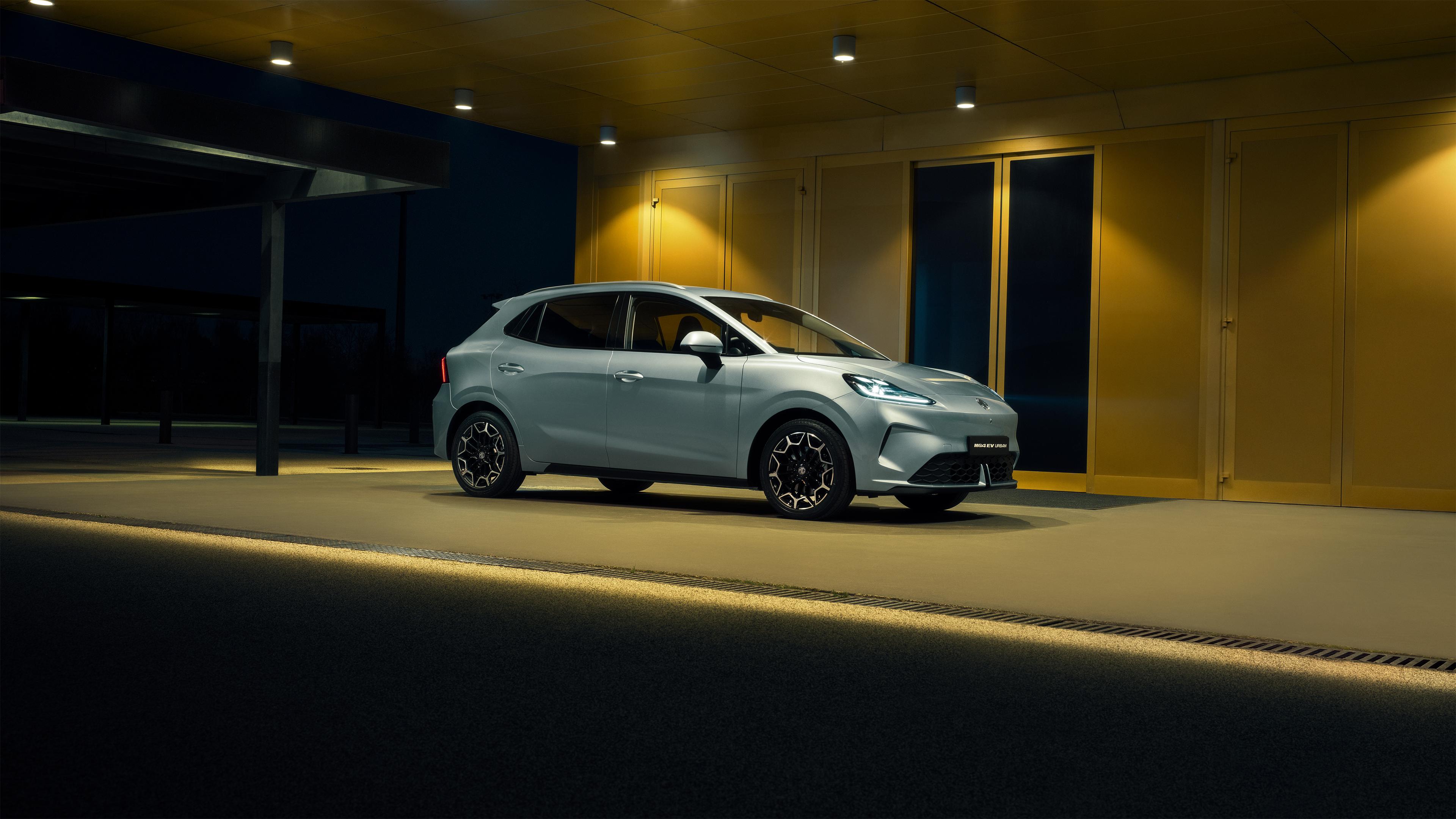
MG Australia marketing director Dimitri Andreatidis confirmed the normalisation at a recent media event following the launch of the MG 4 Urban variant.
"We had that increase, definitely, when we last met with MG 4 [Urban media launch in late March], and now things have normalised to a degree," Andreatidis told media.
But he made a distinction that matters for buyers. Website engagement, including time spent on product pages and configuration tools, remains at the elevated levels seen during March and April. Buyers have not lost interest in EVs. The purchase urgency driven by fuel prices has simply eased.
"The good news is the interest is definitely there," he added. "With the unfortunate geopolitical situation that has unfolded, it's opened up people's perspectives of wanting to purchase an EV."
The Sales Numbers Behind the Statement
The magnitude of the March-April surge at MG was significant enough to reframe how the brand thinks about its EV mix.
MG electric car sales in March and April were up 105 per cent on January and February combined. Petrol, diesel, and hybrid models grew only 8.8 per cent over the same comparison. Electric vehicles reached 25.9 per cent of MG's total sales in the two peak months, up from 15.7 per cent in the prior period.
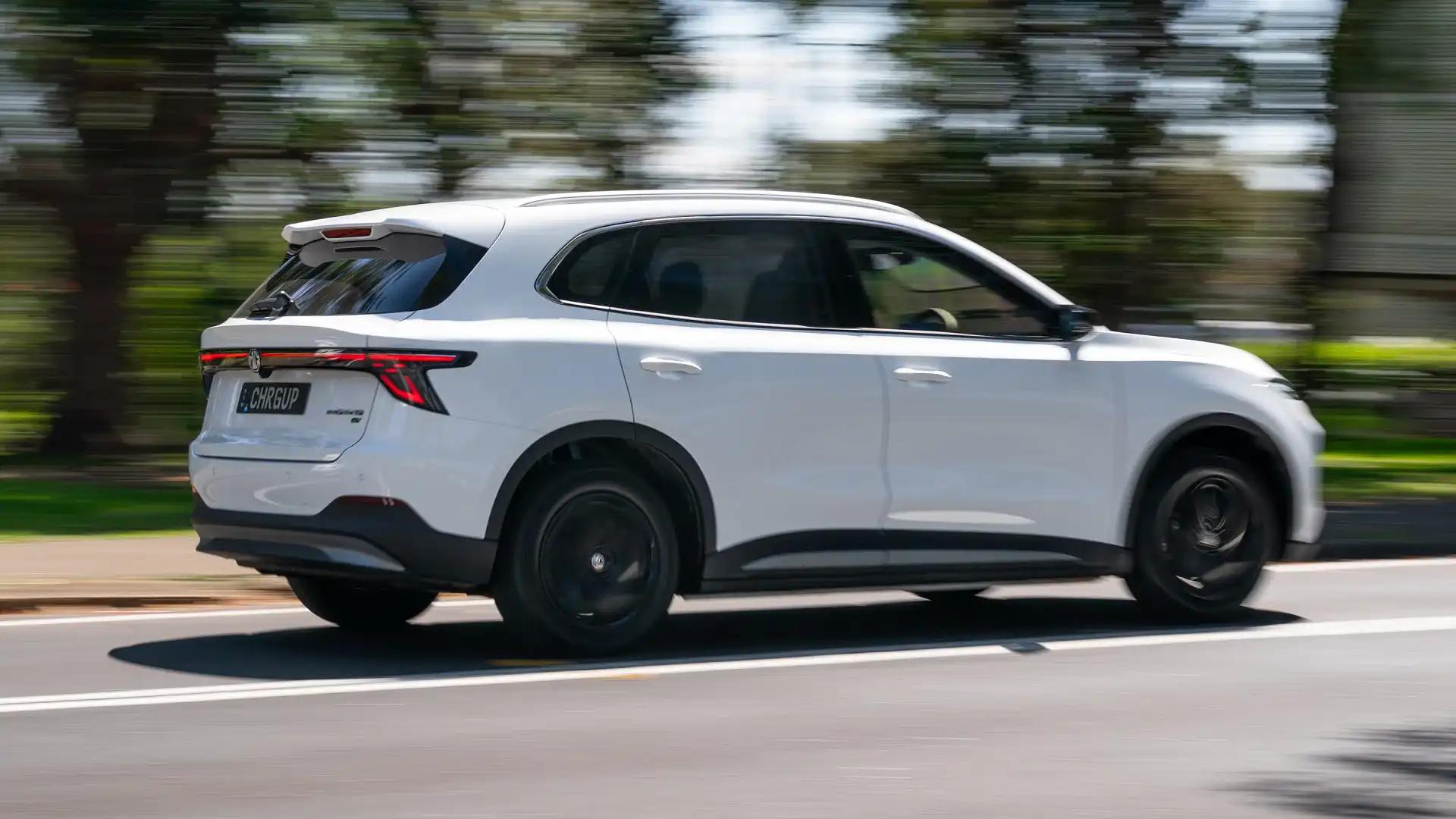
The MG S5 EV small electric SUV was the standout performer, with deliveries up 204 per cent. Even the higher-priced IM5 and IM6, both priced above $60,000, saw growth of 11.6 to 64.3 per cent depending on the model.
Those are not numbers you can attribute purely to a short-term fuel price spike. They suggest that something structural shifted in buyer sentiment, not just temporary panic buying.
BYD Is Saying the Same Thing
MG's read on the market is not an isolated view. BYD Australia chief operating officer Stephen Collins made almost identical comments in recent weeks.
"My observation is that it's pretty much settled. We obviously saw a big influx in March, early April, but I think things have settled in terms of EVs," Collins told media. "I think in March, EVs were around 70 per cent of our mix, which is very high. Normally it's about 50 per cent, and it's back to about 50."
For context, BYD's normal EV mix sitting at 50 per cent of total sales is itself a market-leading figure. The return to that baseline is not a crash in demand. It is a normalisation from an exceptional high.
BYD has also made headlines for shipping 30,000 vehicles to Australia aboard a fleet of roll-on roll-off carriers, including a vessel making its first Australian run. MG's head of product Meng Chen pushed back on suggestions this represents emergency stock movement, calling it routine logistics.
"This is not something like we need to tell everyone we are doing this to meet demand, this is the routine operation," Chen said.
What This Means If You Are Buying an EV Now
The settling of the EV surge creates a specific set of conditions for buyers making a decision in the next 60 to 90 days.
Dealers who were holding stock or pushing customers toward waiting lists during March and April are now sitting with more accessible inventory across MG 4, MG S5 EV, and ZS EV models. That shifts negotiating leverage back toward the buyer.
The MG S6 EV has also recently launched, adding a mid-size electric SUV to the range at pricing that directly challenges the Tesla Model Y. More competition in the $50,000 to $60,000 EV bracket means buyers have real choices rather than a single dominant option.
Fuel prices retreating also takes the emotional urgency out of the equation, which is actually useful for buyers. Decisions made in a fuel price panic often prioritise a single variable over the full picture of running costs, charging infrastructure, and vehicle suitability. A normalised market lets buyers make a clearer-headed assessment.
The fundamental economics that drove the March-April surge have not gone away. A long-term fuel price cushion remains for EV owners, particularly those who charge at home. The Middle East conflict may have introduced buyers to that calculation for the first time, and those buyers appear to still be engaged even after fuel prices eased.
For Carseekers users considering an MG electric vehicle, the current window offers inventory availability, a broader model range, and the time to make a considered comparison rather than a reactive purchase. That is the environment to use well.
Considering finance for your next car? Loanseekers can help you explore car loan options.
The finer details
Your questions answered.
Is MG still selling well in Australia after the EV surge settled?
Yes. MG's overall EV sales have normalised from the exceptional highs of March and April 2026, but remain higher as a proportion of total sales than before the Middle East conflict began. Buyer engagement on MG's website has stayed at peak levels, suggesting sustained interest even after fuel prices retreated.
What caused the EV sales surge in Australia in March and April 2026?
Middle East conflict drove petrol prices above $2.00 a litre and diesel past $3.00 in Australian capital cities. That fuel price spike prompted a significant wave of EV purchase decisions as buyers ran the running cost numbers and found EVs compelling at those fuel prices. As prices retreated, urgency settled but interest remained.
Which MG electric cars are available in Australia right now?
MG's current Australian EV lineup includes the MG 4, MG 4 Urban, MG S5 EV, MG S6 EV, ZS EV, IM5, and IM6. The range spans from entry-level small EVs under $35,000 to premium electric sedans above $60,000, giving buyers options across almost every budget segment in the EV market.
Is now a good time to buy an MG electric car in Australia?
Post-surge inventory levels have improved across most MG EV models, which shifts negotiating leverage toward buyers compared to the constrained stock environment of March and April. The recent MG S6 EV launch also provides a new mid-size option. Buyers with EOFY timing in mind have a reasonable window to negotiate in June.
How does BYD's EV sales performance compare to MG in Australia?
Both brands saw EV mix surge to exceptional levels during March and April before settling. BYD's normal EV proportion sits around 50 per cent of total sales, which is itself market-leading. MG peaked at 25.9 per cent EV mix during the surge, up from 15.7 per cent in the prior months, before normalising. Both brands remain strongly positioned in Australia's EV market.
Will EV prices drop further in Australia in 2026?
Both MG and BYD have launched new models at competitive price points in 2026, and competition from Chinese brands has continued to put pressure on EV pricing broadly. The end of the fuel excise cut in June may create renewed buyer interest in EVs by lifting the cost-of-fuel comparison. Further price reductions cannot be ruled out, but waiting indefinitely risks missing current stock availability.